chemineral.com — Verified Supplier
About chemineral.com - Industrial Chemicals Supplier in United Kingdom
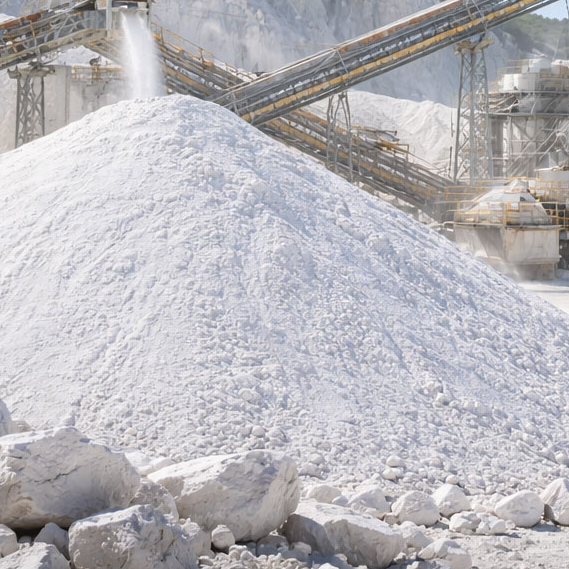
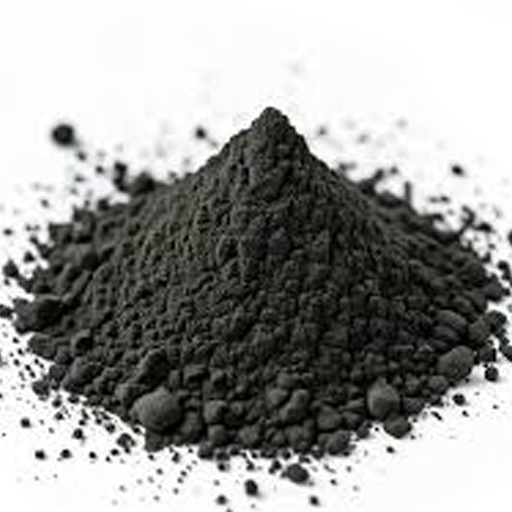
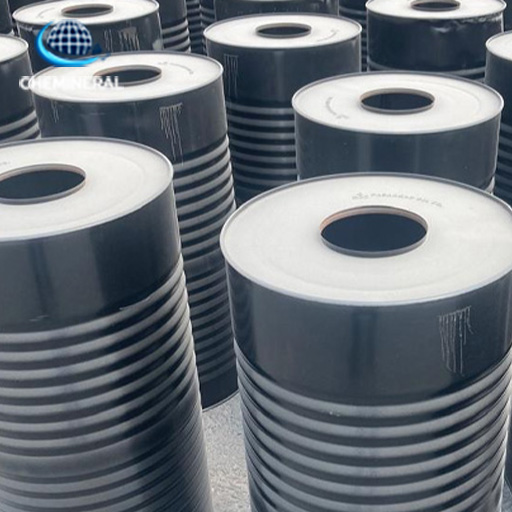
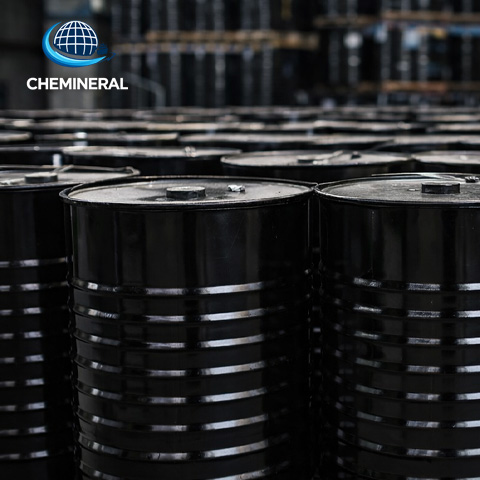
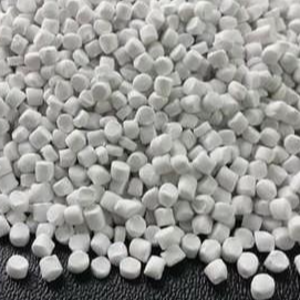
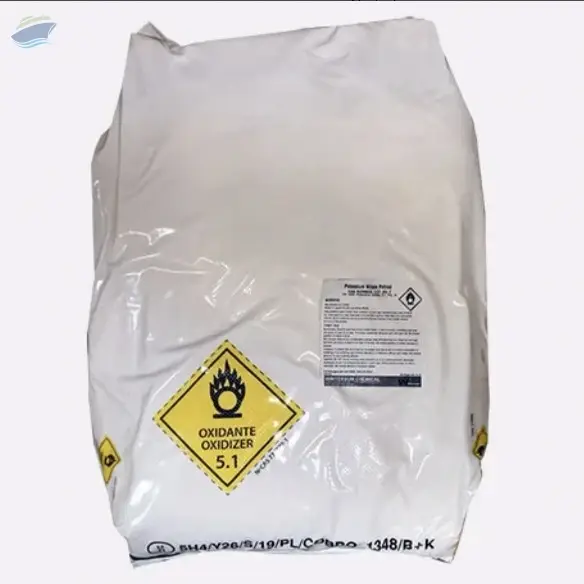
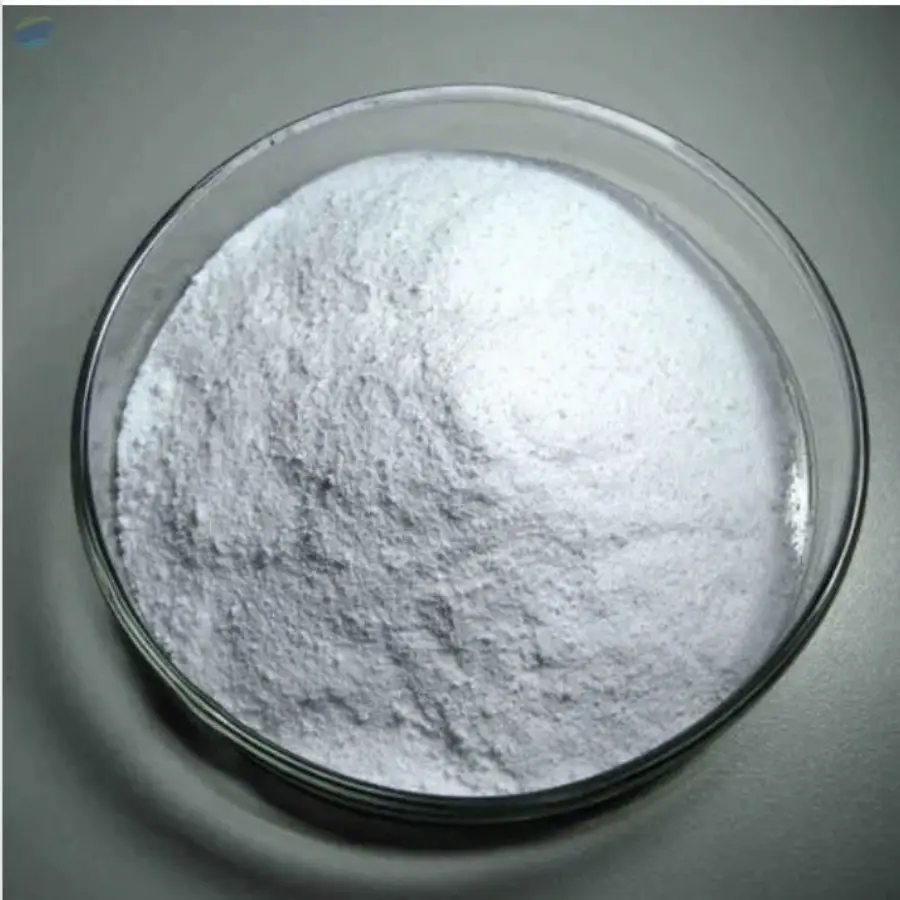
Based in the United Kingdom and operating out of the Masqat region, chemineral.com lists ten active products in its catalogue. The portfolio covers industrial chemicals such as Calcium Carbonate Powder (HS 2836.50), Activated Carbon (HS 3802.10.00), Granular Sulphur 99.9 % (HS 2503.00), Caustic Soda Flakes 98 % (HS 2815.11), Polymer Resins (HDPE, LDPE, LLDPE, PP) under a custom HS code, Petroleum Bitumen 60/70 Penetration Grade (HS CH-PEN 60/70) and Bitumen 85/100 Penetration Grade (HS 2713.20), and three forms of Urea - standard grade (HS 3102.10), Prilled Urea (HS CH-UREA-PRILLED) and Granular Urea (HS CH-UREA-GRANULAR). These items fall under HS chapters 25, 28, and 38 for chemicals and mineral products, and chapter 27 for petroleum products. The catalogue highlights both bulk and packaged supply formats, including drums, bulk tanker loads, powder and granular bags. All shipments are supported by a Certificate of Analysis, optional SGS inspection, and a Material Safety Data Sheet.
The listed products serve sectors such as construction, agriculture, plastics processing, water treatment and petro‑chemical manufacturing. Calcium Carbonate is offered as an industrial‑grade powder, while Activated Carbon is supplied in both powder and granular forms. Sulphur is provided at 99.9 % purity for industrial use, and Caustic Soda flakes meet a 98 % NaOH specification. The polymer resin line covers the major polyolefins used in extrusion and molding. Bitumen grades are described by their penetration values for road‑asphalt applications, and the urea range includes both prilled and granular formats suitable for fertilizer blends.
Product Range and Specialties of chemineral.com
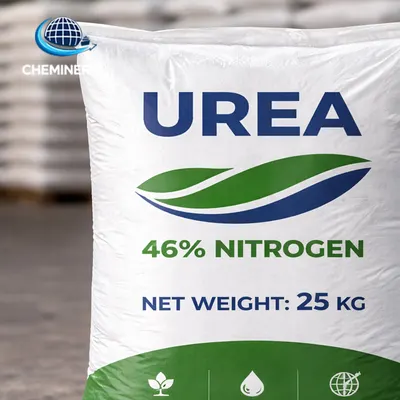
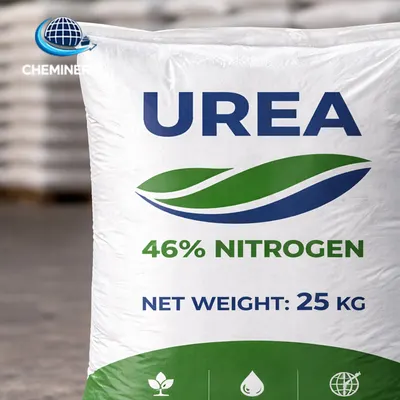
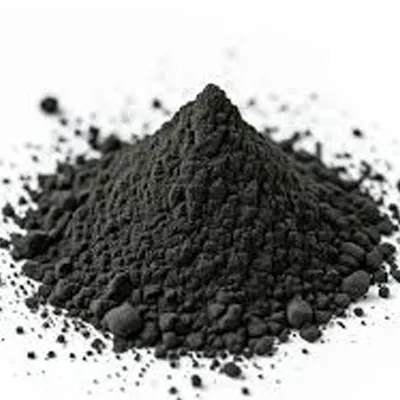
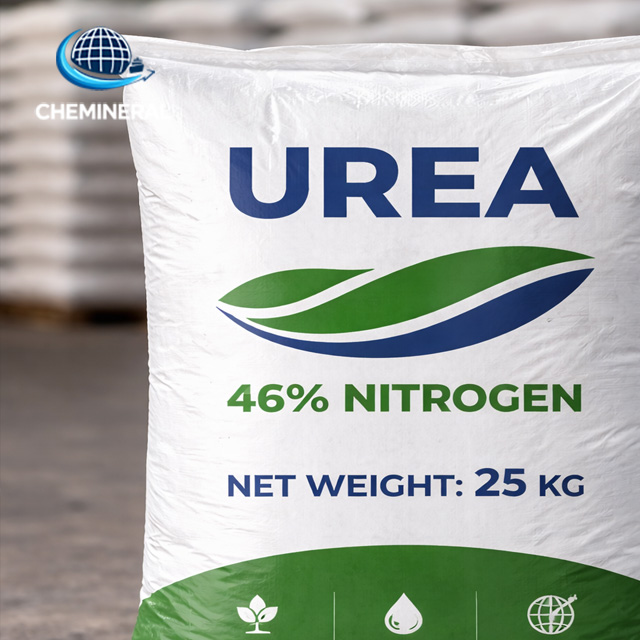
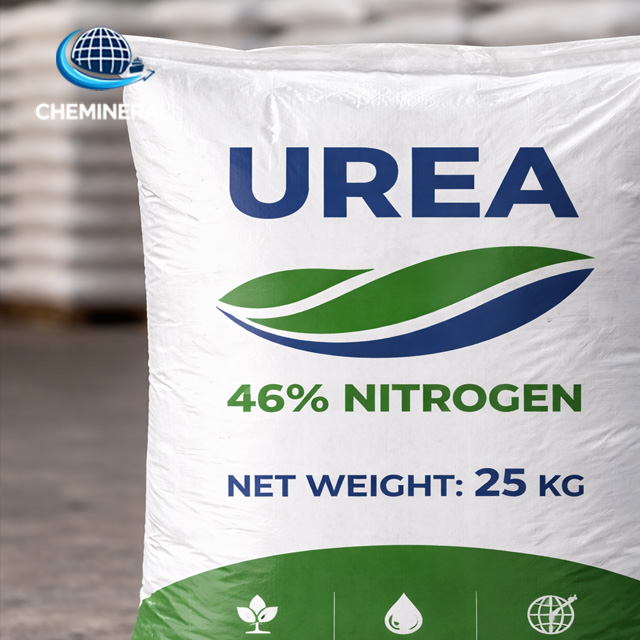
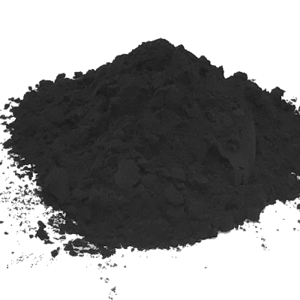
The catalogue’s ten items span typical chemical and petro‑chemical grades. Calcium Carbonate powder generally meets a purity of ≥ 95 % CaCO₃ with particle sizes between 1 µm and 10 µm, a standard for filler applications in plastics and paper. Activated Carbon is commonly graded by iodine number (800‑1200 mg/g) and ash content (< 5 %), which aligns with water‑treatment and air‑purification specifications. Granular Sulphur at 99.9 % purity is standard for vulcanisation and fertilizer production, with a melting point around 115 °C. Caustic Soda flakes at 98 % NaOH typically contain moisture ≤ 2 % and granule size 2‑5 mm, matching industrial cleaning and pH‑adjustment needs. Polymer resins (HDPE, LDPE, LLDPE, PP) are supplied in standard melt‑flow index ranges (e.g., HDPE 0‑10 g/10 min) and densities (HDPE ≈ 0.94 g/cm³). Bitumen 60/70 and 85/100 are defined by penetration values of 60‑70 dmm and 85‑100 dmm respectively, a common metric for road‑asphalt performance. Urea products are specified at 46 % nitrogen, with prilled particles 2‑4 mm and granular particles 3‑5 mm, matching fertilizer grade requirements.
Trade and Export Information - chemineral.com
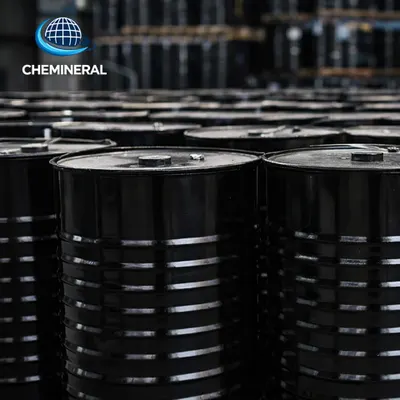
Exporters of industrial chemicals from the United Kingdom and the Gulf region typically serve buyers in Asia (India, China, Southeast Asia), Africa (Nigeria, Kenya) and Europe (Germany, Netherlands). The HS code families represented - 2836, 3802, 2503, 2815, 2713 and 3102 - are subject to standard customs duties and may require a Certificate of Origin for preferential trade agreements. Buyers often request compliance with REACH (for EU markets) and ASTM or ISO standards (e.g., ISO 9001 quality management, ISO 14001 environmental). SGS inspection reports, COA and MSDS are the most common documents supplied for chemical shipments. Packaging follows industry norms: 25 kg polypropylene bags for calcium carbonate and urea, 20 kg bags for activated carbon, 20‑ft or 40‑ft containers for bulk bitumen drums (200 L) or tanker loads, and steel drums for caustic soda. Common Incoterms used by the supplier include FOB Masqat, CFR and CIF to major ports, with freight typically arranged on bulk carriers for mineral products and container vessels for polymers and chemicals.
Sourcing from chemineral.com - Buyer Guidance
When sourcing from chemineral.com, request a recent Certificate of Analysis that specifies purity, moisture and particle‑size distribution for each chemical. An SGS inspection report or equivalent third‑party test certificate should be obtained to verify compliance with REACH or other regional regulations. Verify that the Material Safety Data Sheet details handling, storage and transport requirements, especially for caustic soda and bitumen. Confirm packaging dimensions (bag weight, drum size) and ask for a sample batch before confirming large‑volume orders. Check that the supplier can provide the required documentation - COA, MSDS, Certificate of Origin and, where applicable, ISO or ASTM test reports - prior to shipment.
Frequently Asked Questions About chemineral.com
What chemical grades does chemineral.com offer for Calcium Carbonate?
The catalogue lists an industrial‑grade Calcium Carbonate powder (HS 2836.50) with typical purity of ≥ 95 % CaCO₃ and a particle size range of 1‑10 µm.
Can I obtain an SGS inspection report for the Sulphur product?
Yes, SGS inspection is available on request for the Granular Sulphur 99.9 % (HS 2503.00), and the report will detail purity, moisture and particle size.
What are the standard specifications for the Bitumen 60/70 grade?
Bitumen 60/70 is defined by a penetration value of 60‑70 dmm at 25 °C, conforms to the petroleum bitumen specifications used for road‑asphalt, and is listed under HS code CH-PEN 60/70.
Which documents should I request before placing a bulk order of Urea?
Request a current Certificate of Analysis showing 46 % nitrogen content, an MSDS, and, if shipping to the EU, a REACH compliance statement.
What packaging is used for Activated Carbon?
Activated Carbon is supplied in both powder and granular forms, typically packed in 20 kg polypropylene bags or bulk containers, identified by HS 3802.10.00.
Are the polymer resins supplied with melt‑flow index data?
The Polymer Resin listing (custom HS POL‑IND‑01) covers HDPE, LDPE, LLDPE and PP; standard melt‑flow index ranges (e.g., HDPE 0‑10 g/10 min) are provided in the technical data sheet upon request.
What Incoterms does the supplier use for shipments to Asia?
Chemineral.com offers FOB from Masqat, CFR and CIF to major Asian ports, allowing buyers to choose the most suitable delivery term.
Is a Certificate of Origin required for customs clearance?
A Certificate of Origin is commonly required for preferential duty rates and is provided by the supplier upon request for all listed products.





 , United Kingdom