Baltyisk Terminals B.V — Verified Manufacturer & Wholesale Supplier
About Baltyisk Terminals B.V - Petroleum Products Supplier in Netherlands
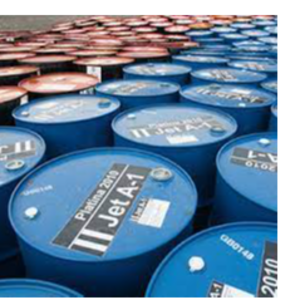
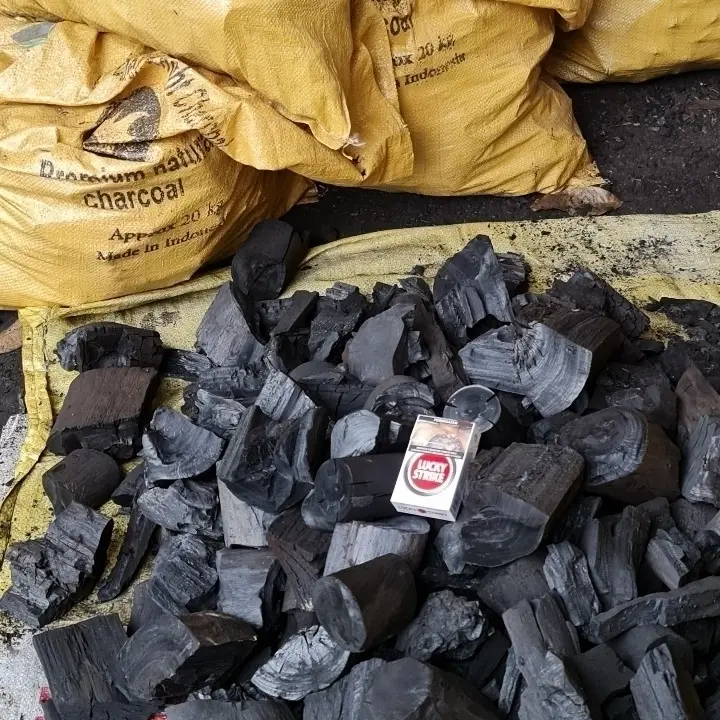
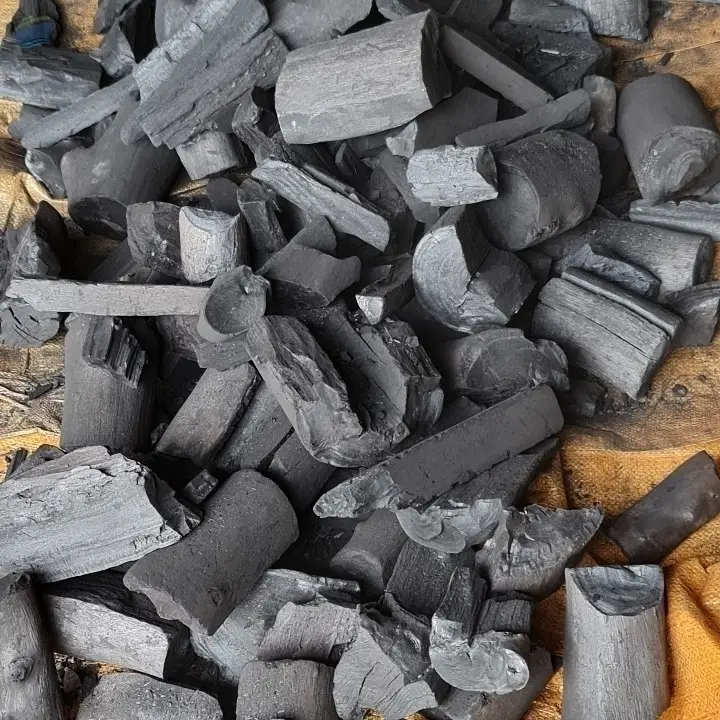
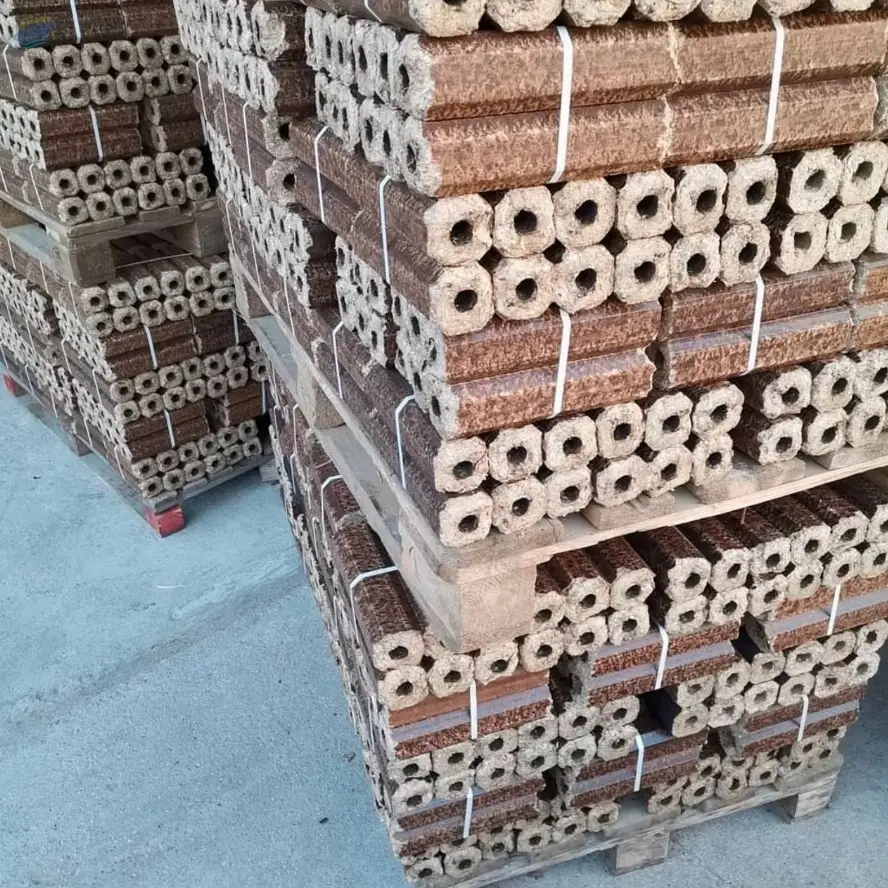
Based in Rotterdam, Netherlands, Baltyisk Terminals B.V. lists ten active products across petroleum fuels, liquefied natural gas, fertilizer and wood‑based solid fuels. The catalogue includes refined Jet‑A1 aviation kerosene, EN‑590 ultra‑low‑sulphur diesel, bulk LNG, furnace oil, a 46 % nitrogen urea fertilizer, and four variants of wood pellets. All petroleum items fall under HS chapter 27 (HS code 2710.19), LNG under HS 2711.11, the fertilizer under HS 3102.10 and the pellet products under HS 4401.31. The supplier’s top categories are recorded as Petrol, Timber Products, Kerosene Oil, Wood Waste, Automobile Oils, Wood Pulp, Wood Charcoal and Petroleum By‑Products.
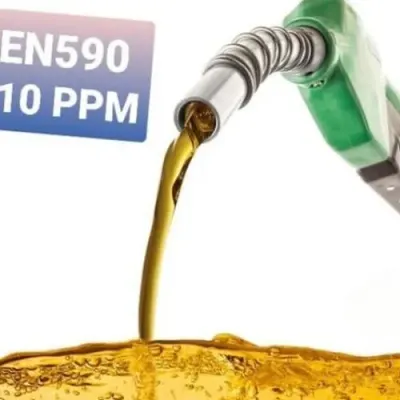
The Jet‑A1 product is described as refined aviation kerosene, while the EN‑590 diesel is specified as a 10 ppm low‑sulphur fuel. The LNG offering is a methane‑rich (≥90 %) liquefied gas supplied on a CIF basis. The wood pellet line includes ENplus‑certified soft‑wood pellets, export‑grade compressed wood chips, and 100 % oak hardwood pellets. Each item is presented with its material description, allowing buyers to match the HS code and material to their import requirements.
Product Range and Specialties of Baltyisk Terminals B.V
The catalogue covers five petroleum‑fuel products, a nitrogen fertilizer and four wood‑pellet grades. In the aviation sector, Jet‑A1 must meet ASTM D1655 or EN 228 specifications, typically limiting sulphur to 30 ppm and freezing point to - 47 °C. EN‑590 diesel is required to comply with EU standard EN 590, limiting sulphur to 10 ppm and providing a cetane number of at least 51.
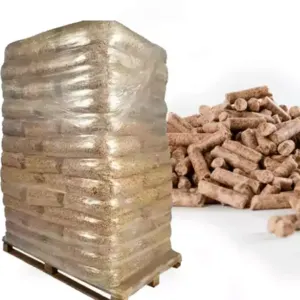
Wood pellets exported from the Netherlands are frequently produced to ENplus or DINplus standards, which stipulate moisture ≤10 %, ash ≤0.7 % and a net calorific value of at least 17.5 MJ kg⁻¹. Soft‑wood pellets derived from coniferous species are common for district‑heating, while hardwood oak pellets are marketed for higher‑grade industrial boilers. Bulk shipments are usually packed in 1 tonne polypropylene bags or in bulk containers for larger orders.
Trade and Export Information - Baltyisk Terminals B.V
Rotterdam’s deep‑water terminals make the Netherlands a major hub for bulk petroleum, LPG and biomass shipments. Exporters of HS 2710.19 fuels typically serve European airlines, maritime bunkering stations and inland power generators, using tanker or rail transport under Incoterms FOB or CIF. LNG under HS 2711.11 is often shipped in cryogenic tankers to European gas distributors, who require ISO 9001 quality management and compliance with the EU Gas Directive.
Wood‑pellet exporters under HS 4401.31 mainly target heating and power markets in Central and Eastern Europe, the Mediterranean and the Middle East. Buyers usually request ENplus certification, moisture and ash analysis reports, and phytosanitary certificates when the material originates from forest residues. Standard packaging includes 20‑ft or 40‑ft containers, or bulk bulkers for volumes exceeding 20 tonnes.
Sourcing from Baltyisk Terminals B.V - Buyer Guidance
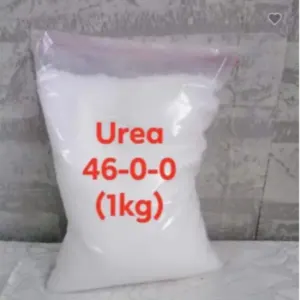
Prospective buyers should request a product data sheet that lists the exact ASTM or EN standard, sulphur content, density and flash point for petroleum fuels, as well as the methane composition and boil‑off rate for LNG. For the urea fertilizer, a certificate showing 46 % nitrogen and compliance with ISO 9001 is customary. Wood‑pellet orders benefit from a moisture‑content test report and ENplus or DINplus certificate before loading.
Verification steps include matching the HS code on the commercial invoice with the supplied material description, confirming the packaging size (e.g., 1 tonne bags or bulk containers) and checking that the shipment complies with the destination country’s import licensing and environmental regulations. Samples can be requested for laboratory analysis, and a pre‑shipment inspection by an independent third party is a common risk‑mitigation practice.
Frequently Asked Questions About Baltyisk Terminals B.V
What HS codes are used for Baltyisk Terminals' petroleum fuel products?
The petroleum fuels - Jet‑A1, EN‑590 diesel, furnace oil and other petroleum by‑products - are classified under HS code 2710.19, which covers refined petroleum oils and products. This code is used for customs declaration and aligns with EU import tariffs for fuel commodities.
Which certification is typically required for the wood‑pellet grades offered?
Buyers usually ask for ENplus or DINplus certification, which confirms moisture ≤10 %, ash ≤0.7 % and a calorific value of at least 17.5 MJ kg⁻¹. The certificate is issued by an accredited testing laboratory and is often required for European heating‑plant contracts.
How is the LNG product supplied and what documentation is standard?
LNG is offered on a CIF basis and is shipped in cryogenic tankers; standard documents include a Certificate of Origin, a quality analysis confirming ≥90 % methane, and an ISO 9001 quality management statement. Additional paperwork such as a Bill of Lading and a safety data sheet accompanies each shipment.
What is the typical minimum order for the urea fertilizer?
The urea fertilizer is commonly ordered in bulk quantities of at least 20 tonnes, allowing efficient handling and customs clearance. Larger volumes may qualify for reduced handling fees at the Rotterdam terminal.
What packaging formats are used for the wood‑pellet products?
Wood pellets are supplied either in 1 tonne polypropylene bags or in bulk bulk‑carrier containers for larger volumes, with palletized loads for European inland transport. The packaging is designed to protect the product from moisture ingress during sea freight.
Which standards govern the Jet‑A1 aviation kerosene listed?
Jet‑A1 must comply with ASTM D1655 or EN 228, which set limits on sulphur (≤30 ppm), freezing point (≤‑47 °C) and ensure proper fuel‑system compatibility. Test reports confirming these parameters are typically provided with each batch.
What lead time can buyers expect for bulk petroleum fuel shipments?
For bulk petroleum fuels under HS 2710.19, the usual lead time from order confirmation to vessel loading ranges from 7 to 15 days, depending on product availability and port scheduling. Buyers should coordinate with the supplier’s logistics team to arrange berth and tank‑farm allocation.





 , Netherlands