Saroint Exports — Verified Supplier
About Saroint Exports - Jaggery Supplier in India
India, a major producer of agricultural and textile commodities, is the base of Saroint Exports which lists 22 active products. The supplier’s catalogue spans categories such as Jaggery, Processed Food, Millet, Herbal Products, Pepper, Shirts & T‑Shirts, Coconut By‑Products and Desiccated Coconut. Products are presented under broad HS code families including sugar and confectionery (HS 1701), cereals and millets (HS 1005), spices (HS 0904), vegetable fats and oils (HS 1515), and apparel (HS 6109). The company’s product count reflects a diversified portfolio aimed at food, beverage and textile markets. Each listed item corresponds to a specific commodity type rather than a generic service.
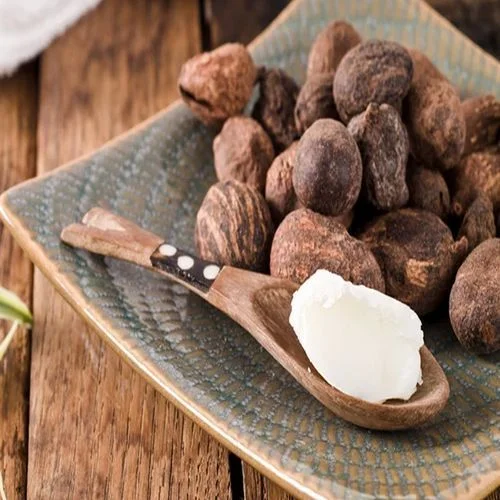
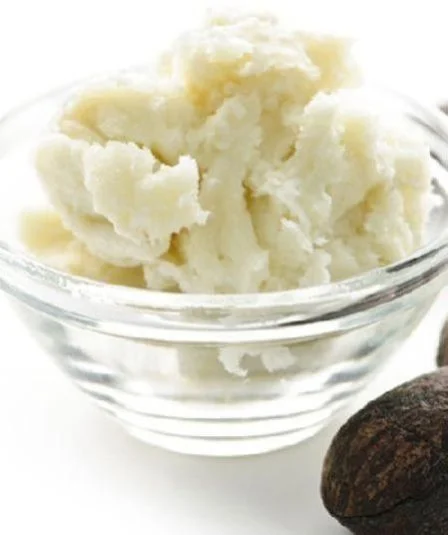
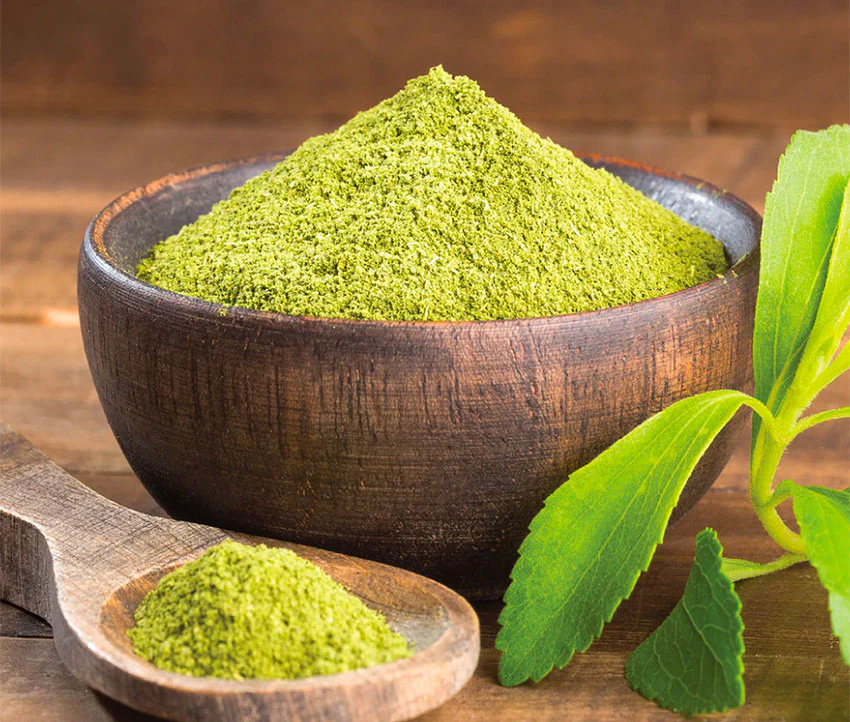
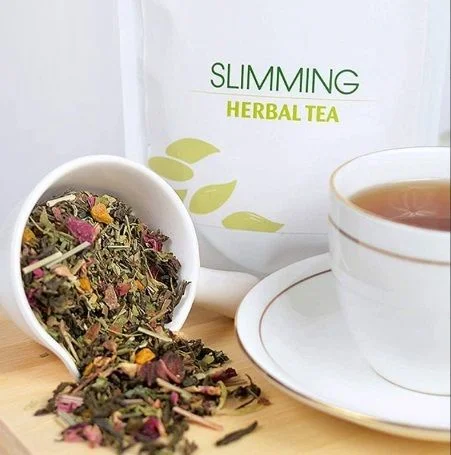
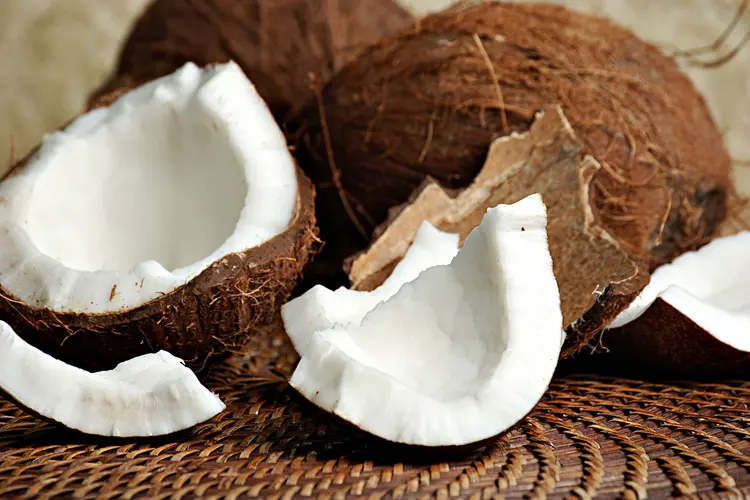
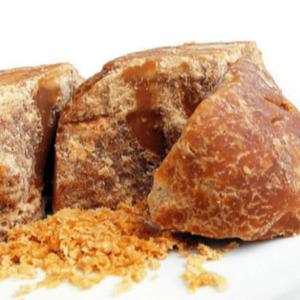
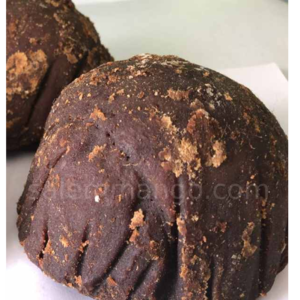
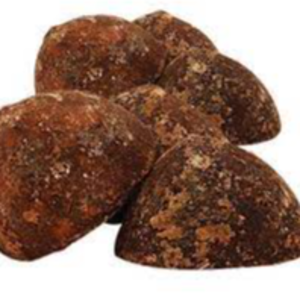
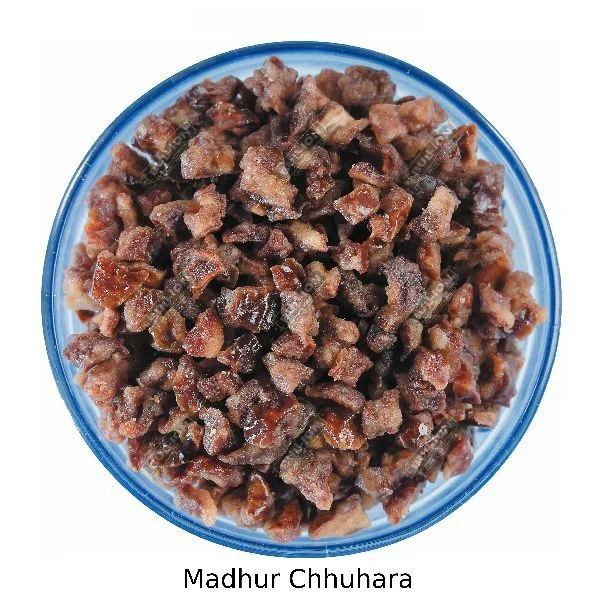
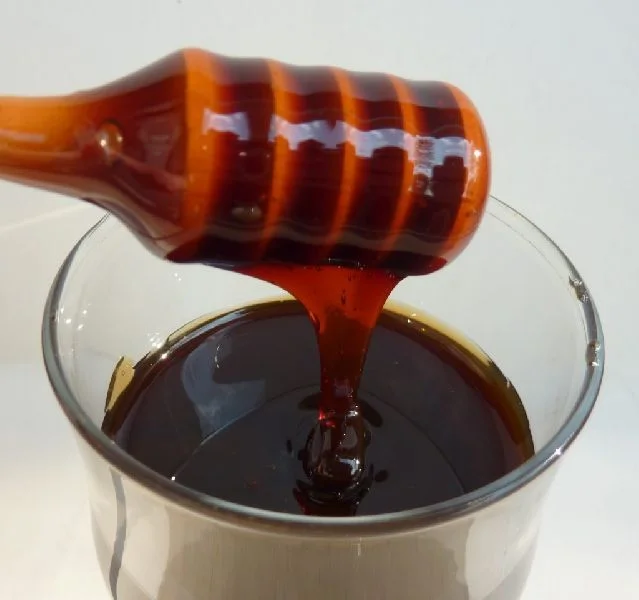
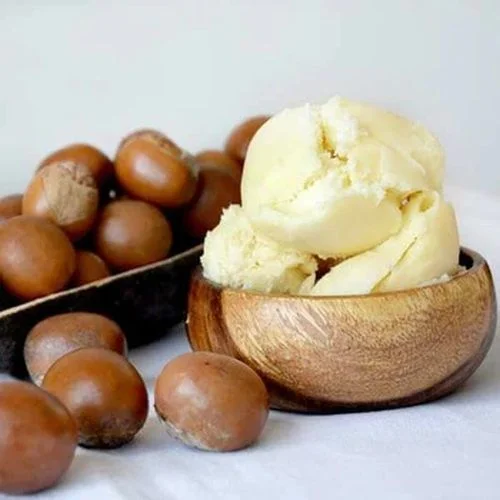
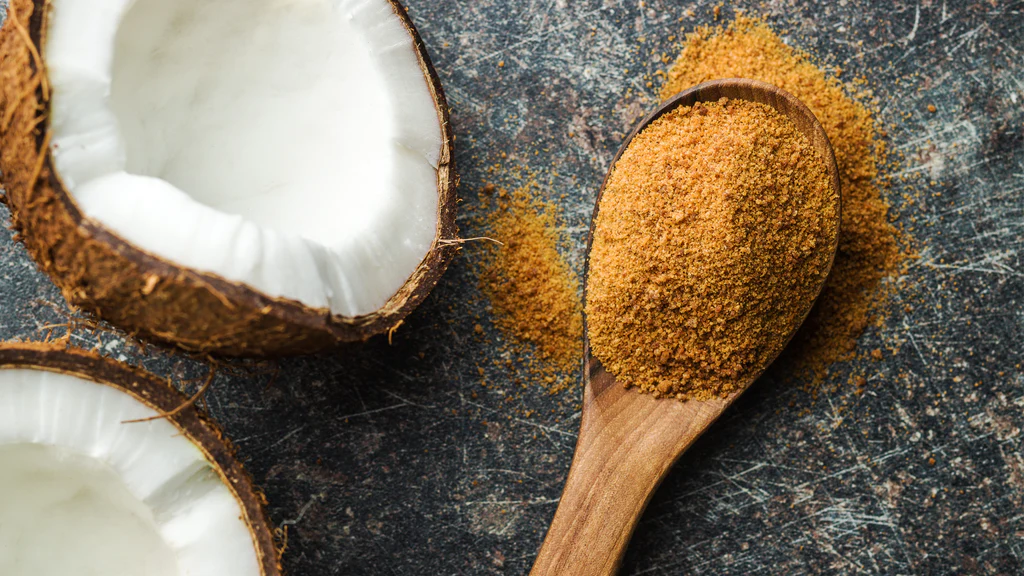
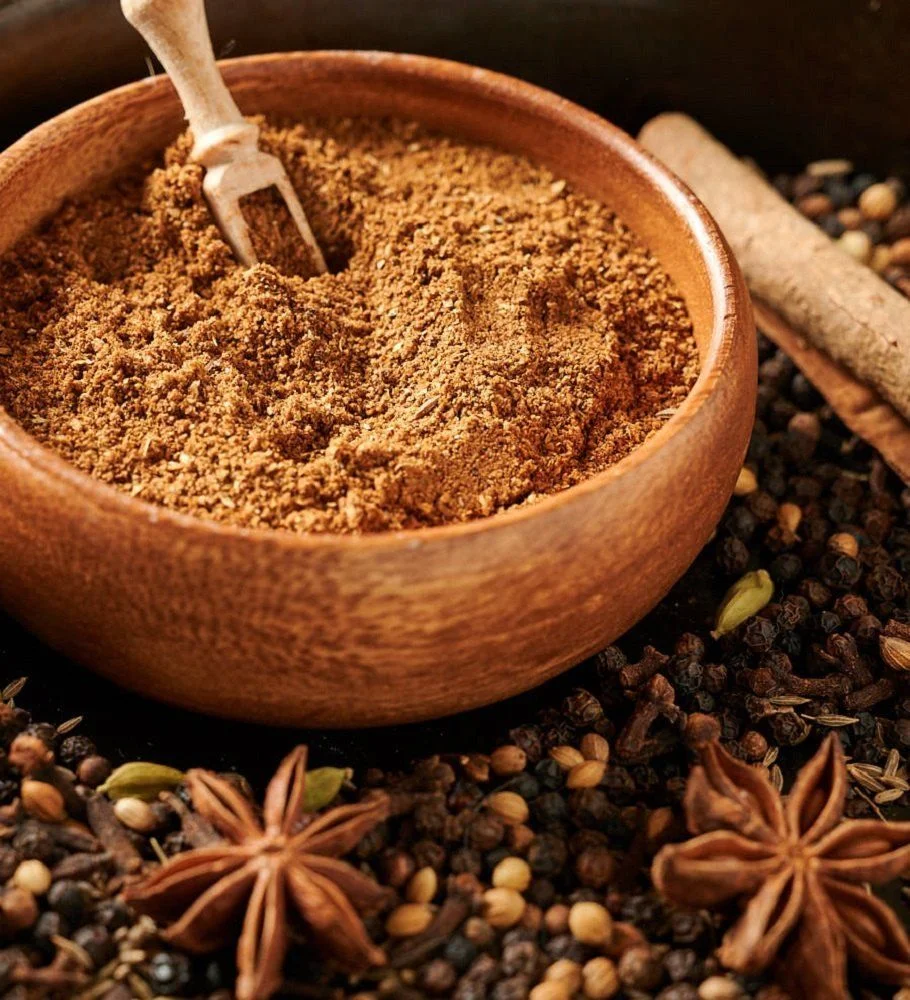
The catalogue includes items such as Palm Jaggery, Nutrigur Jaggery, Coconut Jaggery, Coconut Jaggery Powder, and Jaggery Powder variants, as well as Black Pepper, Foxtail Millet, Pearl Millet, and Porso Millet. Coconut‑derived products cover Virgin Coconut Oil, Coconut Milk Powder, Desiccated Coconut Powder, Kokum Butter, Mango Butter, Cocoa Butter and Shea Butter. Additional lines feature herbal capsules (Spirulina, Moringa, Stevia), Red Dust Tea, Green Tea, Fresh Pomegranate, and a Round Neck T‑Shirt. These products fall under standard HS classifications used internationally for customs and trade reporting. The range demonstrates an emphasis on natural and minimally processed food ingredients together with a limited apparel offering.
Product Range and Specialties of Saroint Exports
Saroint Exports lists several types of jaggery, which in trade are classified under HS 1701 and typically contain 70‑80 % sucrose, moisture below 10 % and a color ranging from light amber to dark brown. Millet varieties such as Foxtail, Pearl and Porso are recorded under HS 1005; standard specifications include grain length of 2‑3 mm, protein content 10‑12 % and moisture not exceeding 13 %. Black Pepper, coded under HS 0904, is normally evaluated for oil content of 45‑55 % and particle size between 2‑6 mm, with maximum moisture of 12 %. Virgin Coconut Oil and other coconut fats fall under HS 1515 and are commonly required to meet free fatty acid levels below 0.5 % and peroxide values under 10 meq kg⁻¹. Coconut butters (Kokum, Mango, Cocoa, Shea) are also HS 1515 products, where a minimum butterfat purity of 95 % and a melt point between 30‑38 °C are typical industry benchmarks. Herbal capsules such as Spirulina and Moringa are classified under HS 2106 and usually require a minimum active ingredient concentration of 50 % with microbiological limits set by pharmacopeial standards.
Trade and Export Information - Saroint Exports
India ranks among the top global exporters of jaggery, millets, spices and coconut derivatives, with major shipment destinations in the Middle East, European Union, United States and Southeast Asian markets. Buyers in these regions often source under HS 1701 for jaggery, HS 1005 for millets, HS 0904 for pepper and HS 1515 for coconut oils and butters. Importers typically require compliance with the Food Safety and Standards Authority of India (FSSAI) regulations, as well as international standards such as ISO 22000 or HACCP for food safety. Textile items like the Round Neck T‑Shirt fall under HS 6109 and are usually shipped in cartons conforming to EU textile labeling rules. Logistical practice for these commodities involves 20‑ft or 40‑ft containers, with dry food products packed in food‑grade polyethylene bags or multi‑layer paper sacks, and apparel in sealed poly‑bag cartons.
Customs authorities in importing countries often request a Certificate of Origin, a Phytosanitary Certificate for agricultural goods, and a Laboratory Analysis Report confirming moisture, purity and contaminant limits. For coconut oil and butters, a Free Fatty Acid (FFA) test and a peroxide value test are standard quality documents. Millet shipments may be accompanied by a germination test and a mycotoxin analysis, especially for EU destinations. Incoterms most frequently used by Indian exporters for these product groups are FOB (Port of Mumbai or Chennai) and CIF for distant markets. Seasonal peaks occur between October and March for jaggery and millet, aligning with the Indian harvest calendar, which can affect lead times.
Sourcing from Saroint Exports - Buyer Guidance
When sourcing from Saroint Exports, buyers should request the latest FSSAI license, ISO 22000 or HACCP certificate, and a recent laboratory report covering moisture, sucrose content for jaggery and oil quality parameters for coconut products. Samples for sensory evaluation and laboratory testing should be obtained before confirming bulk orders, with attention to batch numbers and production dates. For millets, verify grain size distribution, protein content and absence of excess moisture or mycotoxins through a certified testing lab. Black pepper buyers commonly inspect the oil content and verify that the product meets the USP or ISO 3632 standard for pepper quality. Apparel buyers should ask for fabric composition details, GSM (grams per square metre) if applicable, and a compliance statement for the EU REACH chemical restrictions. Confirm packaging specifications - for dry food items, a typical pack size is 25 kg polyethylene bags inside a 20‑ft container, while the T‑Shirt is usually packed in 50‑piece poly‑bag cartons - and agree on the Incoterm before finalizing the contract.
Frequently Asked Questions About Saroint Exports
What product categories does Saroint Exports offer?
It offers natural food ingredients such as various jaggeries, black pepper, millets, coconut oils, butters and powders, herbal capsules, teas, fresh pomegranate, and a limited apparel line of round‑neck T‑shirts. All items are listed under relevant HS codes for sugar, spices, cereals, vegetable fats and apparel.
How can I verify the quality of jaggery supplied?
Request a laboratory analysis that shows sucrose content (70‑80 %), moisture (<10 %) and color grade. The report should also include any microbiological limits and be dated within the last three months.
Which certifications are typically required for the coconut products?
Buyers usually ask for the supplier’s FSSAI registration, ISO 22000 or HACCP certification, and a Certificate of Analysis confirming free fatty acid (<0.5 %) and peroxide value (<10 meq kg⁻¹). A Phytosanitary Certificate may also be required for certain destination countries.
What are the common HS codes for the millets listed by Saroint Exports?
Foxtail, Pearl and Porso millets are generally classified under HS 1005 (Cereals). Import documentation should reference this code along with the product description.
What packaging is used for the dry food items?
Dry food products such as jaggery, millets and coconut powders are typically packed in food‑grade polyethylene bags of 25 kg or 50 kg, placed inside a 20‑ft or 40‑ft container with proper ventilation. The bags are sealed to protect against moisture ingress.
Which Incoterms does the supplier commonly use?
The supplier frequently works on FOB terms from Indian ports such as Mumbai or Chennai, and on CIF terms for longer‑distance shipments. The chosen Incoterm should be confirmed in the purchase agreement.
How can I request a sample of the herbal capsules?
Contact the supplier to arrange a small‑quantity sample, specifying the desired capsule type (e.g., Spirulina or Moringa) and the batch reference. Samples are usually shipped in sealed, tamper‑evident containers with accompanying Certificate of Analysis.




 , India