Sama Herpes And Kmw — Supplier
About Sama Herpes And Kmw - Vegetables Supplier in Egypt
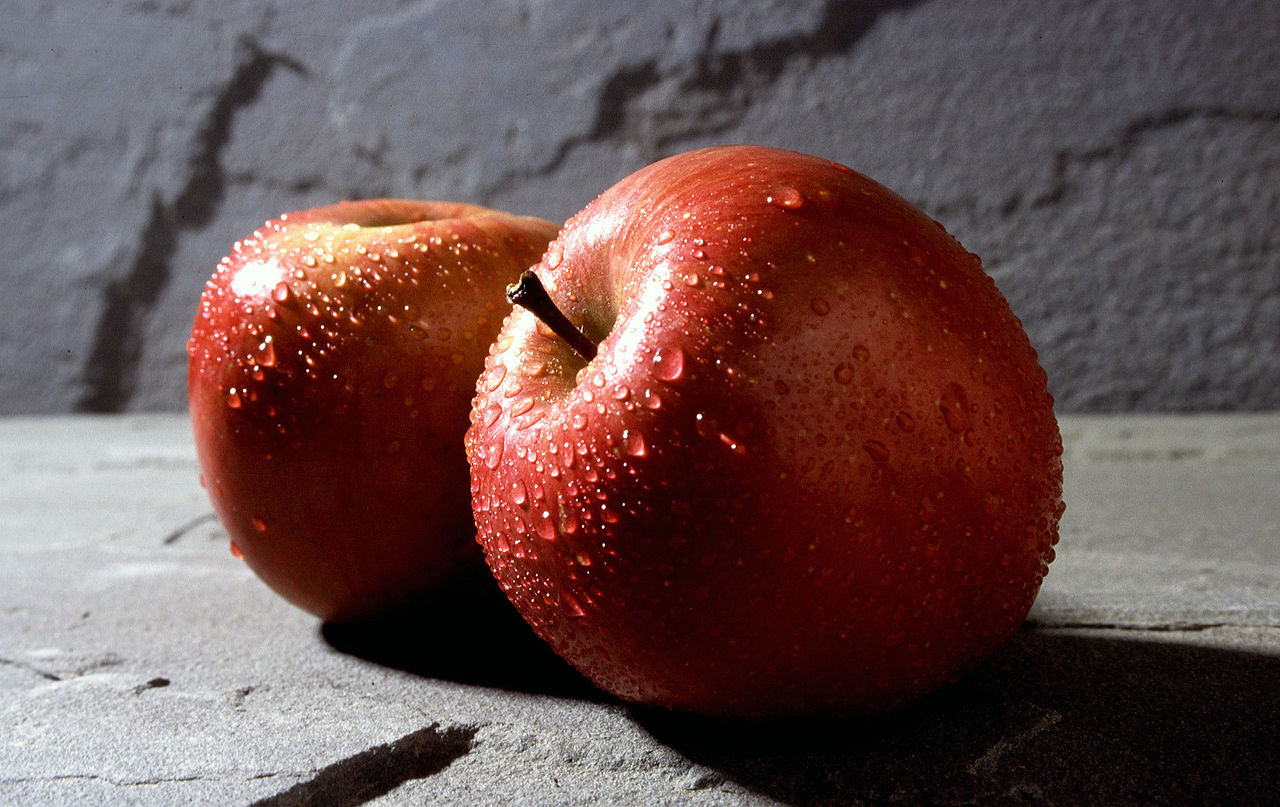
Sama Herpes And Kmw is based in Egypt and lists 19 active fresh‑produce items. The catalogue covers a mix of vegetables and fruit, reflected in its top categories such as Vegetables, Fresh Onion, Agriculture, Corn, Mango, Grapes, Apple and Fresh Tomato. The supplier’s product set includes typical Egyptian exports like onions, corn, tomatoes and a range of citrus and stone fruits. The supplier does not provide any HS‑code information except for the orange entry, which is recorded under HS 0805.10.00 as Fresh Citrus Fruit (Oranges).
Product Range and Specialties of Sama Herpes And Kmw
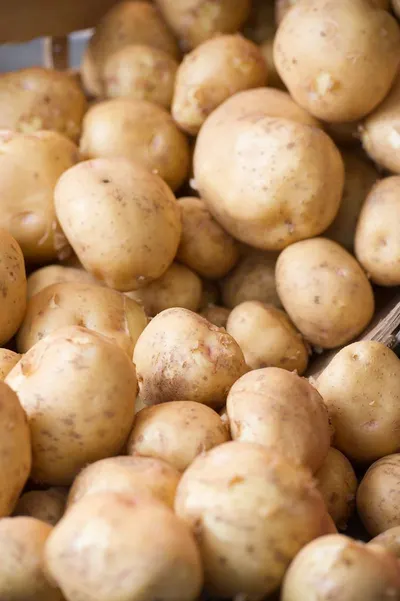
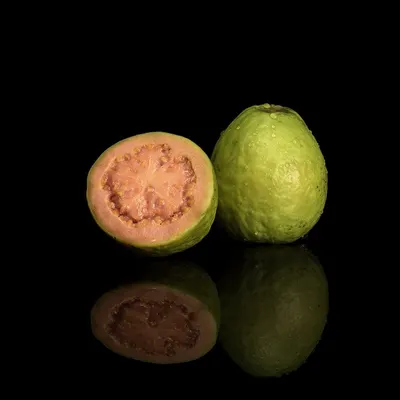
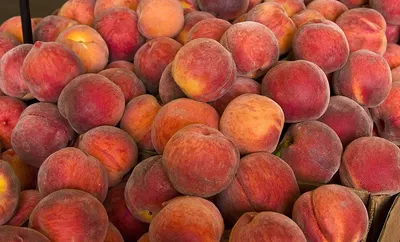
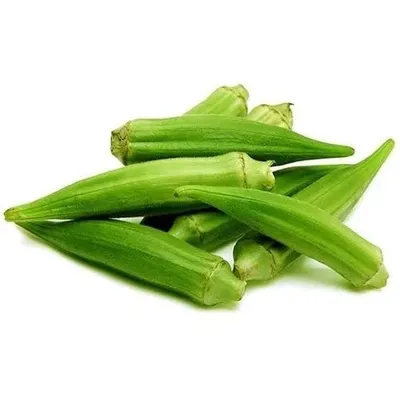
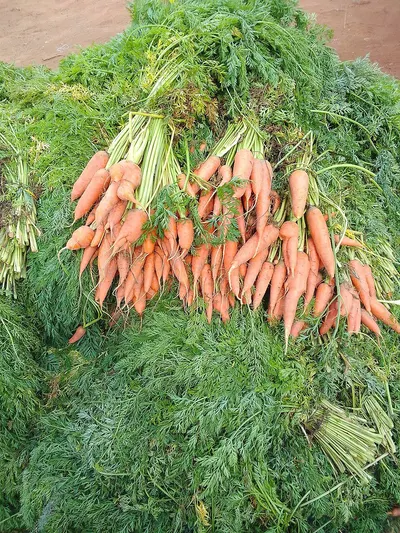
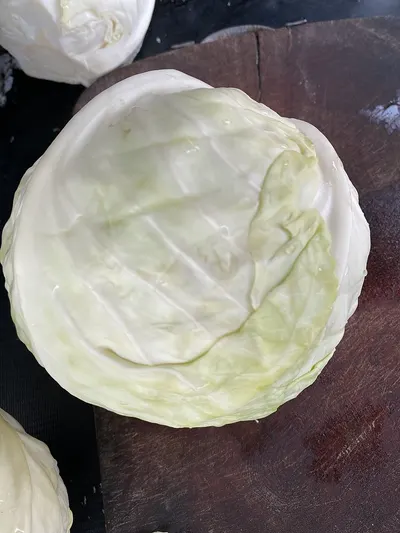
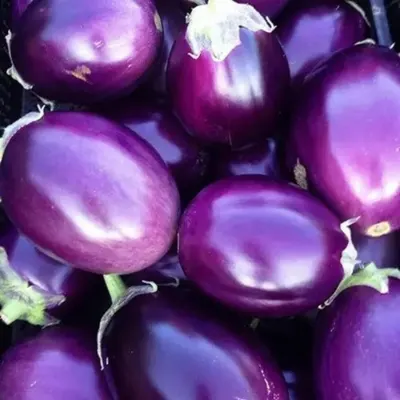
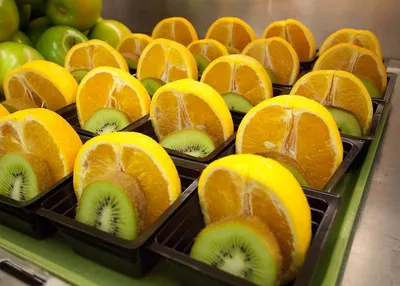
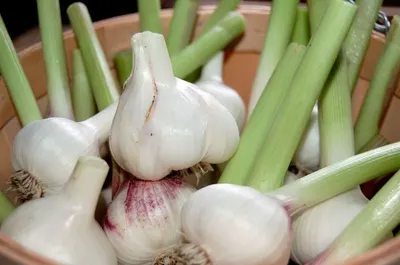
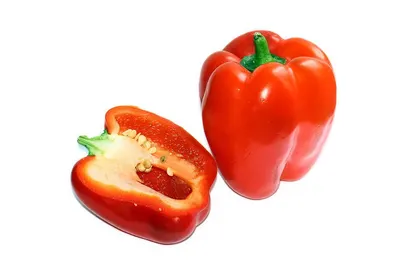
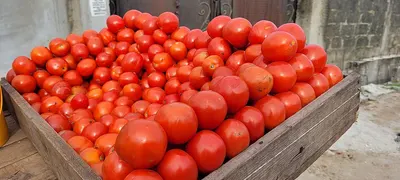
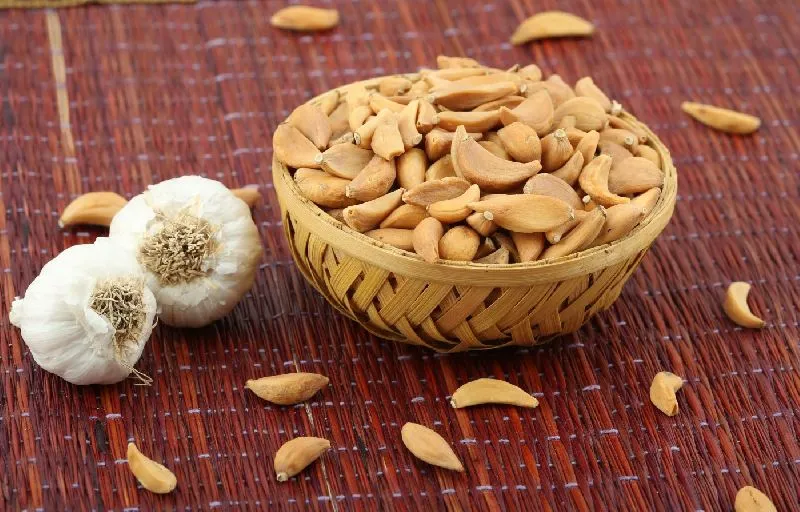
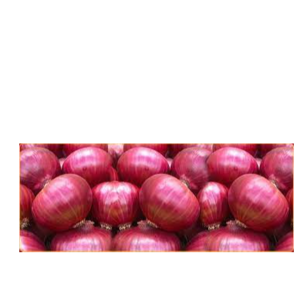
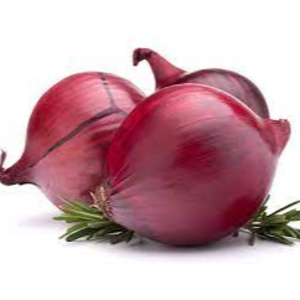
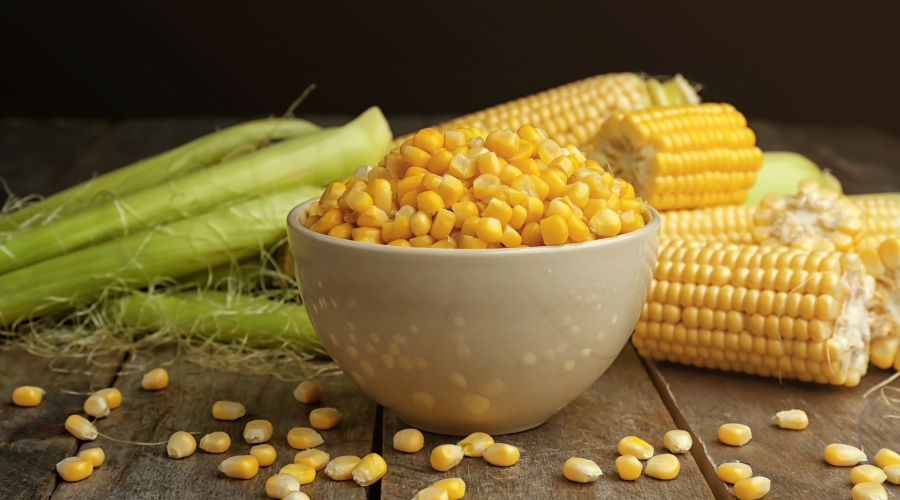
The detailed product list contains Red Onion, Mulukhia, Yellow Corn, Mango, Grape, Orange (HS 0805.10.00), Yellow Onion, Tomatoes, Bell Pepper, Potatoes, Garlic, Lemon, Eggplant, Cabbage, Carrots, Okra Zero, Okra Extra, Peach and Guava. These items span several HS chapters, notably 0703 for onions, 0704 for cabbage, 0705 for tomatoes, 0706 for carrots, 0805 for oranges and 0806 for mangoes, providing a broad spectrum of fresh horticultural products commonly traded in bulk. In the vegetable trade, standard grades are defined by size and moisture - for example onions are sorted into small (<45 mm), medium (45‑65 mm) and large (>65 mm) with moisture below 10 % and no sprouting. Citrus oranges are normally classified as Grade 1 when free of decay, blemishes and within EU pesticide MRLs, and are packed in ventilated 20 kg cartons or 10 kg mesh bags for bulk shipments.
Trade and Export Information - Sama Herpes And Kmw
Egypt is a recognized exporter of fresh vegetables and citrus to the European Union, the Gulf Cooperation Council, Russia and other Middle‑East markets. Typical HS code families used for these products are 0703 (onions), 0704 (cabbage), 0705 (tomatoes), 0706 (carrots), 0805 (oranges) and 0806 (mangoes). Importers usually require a phytosanitary certificate, GlobalGAP or ISO 22000 compliance, and laboratory test reports that meet EU maximum residue limits. Common logistics include FOB Alexandria or Port Said, with CIF terms to Dubai or Rotterdam; bulk shipments are loaded in 20‑ft or 40‑ft refrigerated containers, while dry vegetables are often packed in ventilated crates or bulk bags for sea freight.
Sourcing from Sama Herpes And Kmw - Buyer Guidance
Buyers should request a phytosanitary certificate, recent lab analysis for pesticide residues and moisture content, and verification of size grading before confirming an order. It is advisable to obtain a sample batch and a product specification sheet that lists acceptable defect rates, shelf‑life expectations and packaging dimensions. Confirm that the supplier can meet standard container loading plans - roughly 20‑25 tonnes per 20‑ft container for onions or 18‑22 tonnes for citrus - and clarify lead times and minimum order quantities in the quotation.
Frequently Asked Questions About Sama Herpes And Kmw
Which HS codes apply to the products listed by Sama Herpes And Kmw?
Typical HS codes for the catalogue are 0703 for onions, 0704 for cabbage and related leafy vegetables, 0705 for tomatoes, 0706 for carrots, 0805.10.00 for oranges, and 0806 for mangoes. The supplier only provided an HS code for oranges; other products fall under the standard codes shown.
What certifications should I ask the supplier to provide?
Importers normally request a phytosanitary certificate, GlobalGAP compliance for horticultural produce, and an ISO 22000 or HACCP food‑safety audit report. These documents demonstrate that the goods meet international safety and residue standards.
How are the vegetables and fruits packaged for export?
Onions and root vegetables are commonly packed in 10 kg polypropylene mesh bags or 20 kg ventilated cartons. Citrus and mangoes are shipped in 20 kg cardboard cartons with internal padding, and all fresh produce destined for long sea routes is placed in refrigerated containers (type reefer) to preserve freshness.
What shipment volumes can be expected per container?
A 20‑ft container typically holds 20‑25 tonnes of dry vegetables such as onions or carrots, while a refrigerated 20‑ft container can accommodate 18‑22 tonnes of citrus or mangoes depending on packaging density. Larger 40‑ft containers roughly double these capacities.
What quality checks are standard for these fresh products?
Buyers should verify size grading, moisture content (usually <10 % for onions, <85 % for tomatoes), absence of decay, and compliance with EU pesticide MRLs. Laboratory test reports for pesticide residues and microbial safety are standard documentation.
What are the typical lead times for orders from Egypt?
Lead times depend on the season but generally range from two to four weeks after order confirmation, allowing time for harvesting, post‑harvest handling, packaging and export clearance.
Which markets commonly import these Egyptian fresh produce items?
Major import destinations include the European Union, United Arab Emirates, Saudi Arabia, Kuwait, Qatar, Russia and other Middle‑East countries. These regions have established demand for Egyptian onions, tomatoes, citrus and stone fruits.
Are there seasonal constraints I should consider?
Yes, Egyptian onions are harvested mainly from October to March, while citrus fruits such as oranges are harvested from November to March. Mangoes are typically available from May to August, so ordering should align with these seasonal windows to ensure peak freshness.




 , Egypt