Vilaconic — Verified Supplier
About Vilaconic - Rice Supplier in Viet Nam
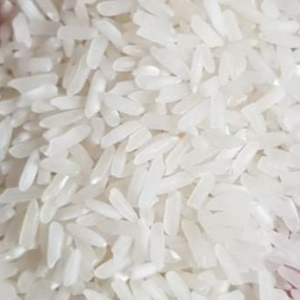
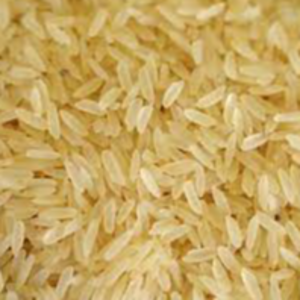
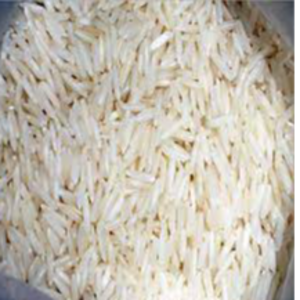
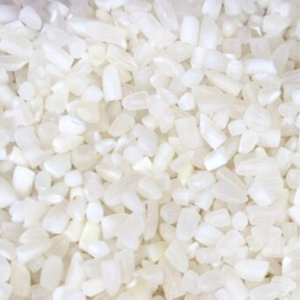
Vietnam, located in Southeast Asia, hosts Vilaconic with an active catalogue of 76 distinct products. The supplier’s list spans core agricultural categories such as Rice, Pepper, Dehydrated Fruits, Spices, Coffee Beans, Desiccated Coconut, Coffee and Tapioca Starch, reflecting the diversity of Vietnamese farm output. Each product entry is identified by its specific type, for example Long White Rice with varying broken percentages (5%, 10%, 15%, 100%) and specialty varieties like Jasmine and Japonica. The catalogue also includes processed items such as Black Pepper, Robusta Green Coffee, Dried Mango, Dehydrated Carrot Flake, and a frozen seafood line featuring Fresh Horse Mackerel (HS code 0303.53).
Product Range and Specialties of Vilaconic
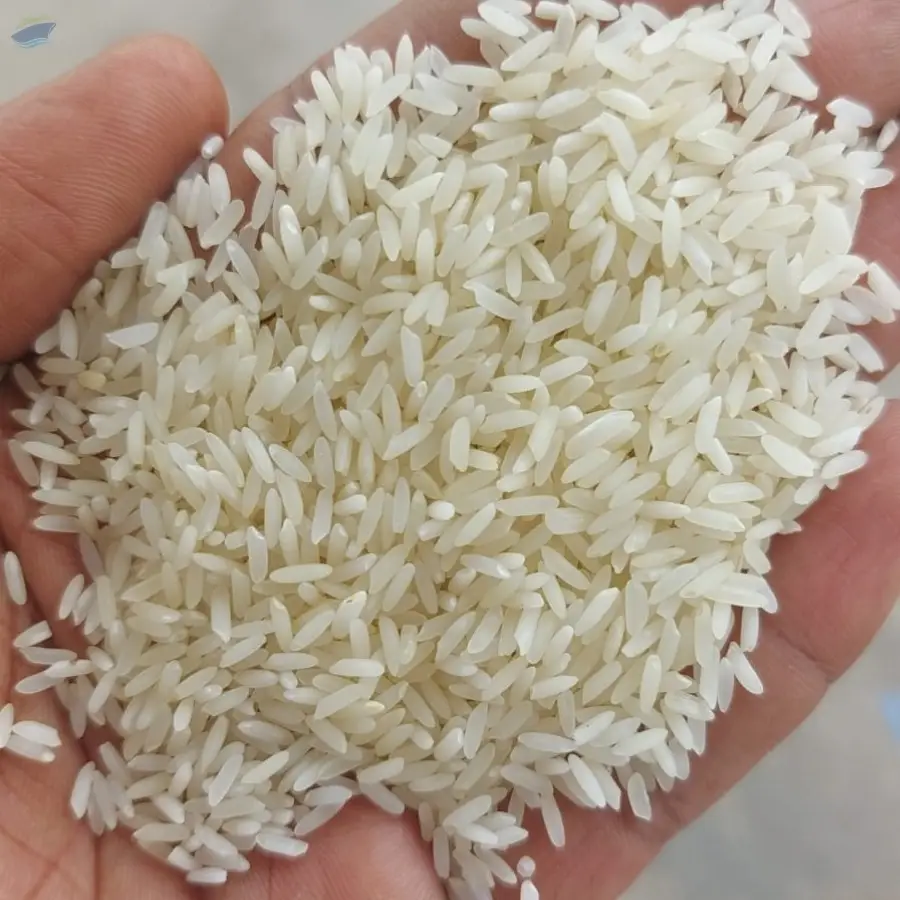
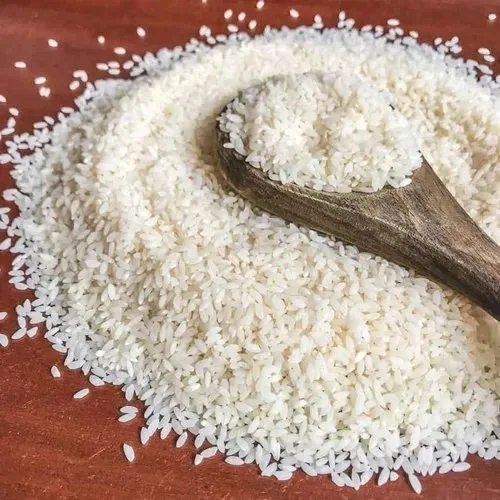
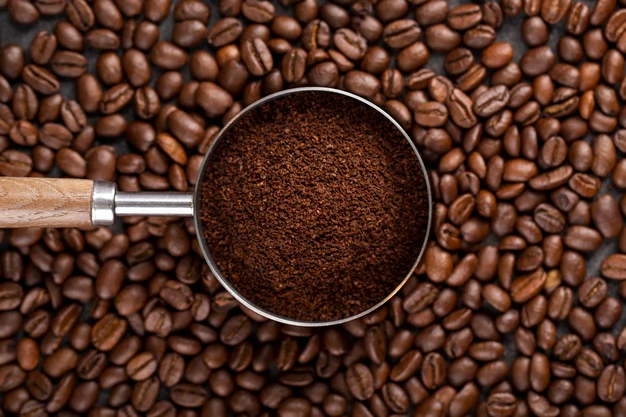
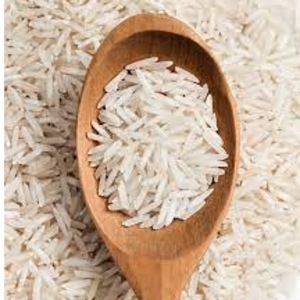
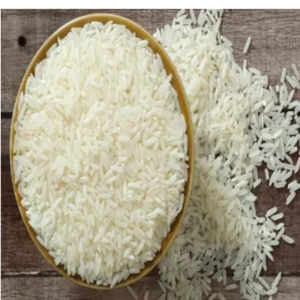
Vilaconic’s catalogue details rice grades ranging from premium Jasmine (often classified as IR64) to standard long‑grain varieties with broken‑rice specifications of 5 % to 100 %. In the global market, Vietnamese rice is commonly graded by milling degree, moisture content below 14 % and head‑rice yield above 70 %, with ISO 22000 and HACCP certifications being typical requirements. Pepper entries cover both Black Pepper and Cassia (Cinnamon) sticks, which buyers usually assess for oil content (≥45 % for black pepper) and moisture under 12 %. Coffee listings focus on Robusta beans, where standard quality parameters include bean size 12‑15 mm, moisture ≤12 % and a cupping score of 70 + points. Dehydrated fruits and desiccated coconut are generally evaluated on rehydration ratio, moisture below 8 % and fat content (high‑fat coconut >60 %). Tapioca starch is supplied as a fine powder with purity ≥99 % and low ash content, matching common HS chapter 11 specifications.
Trade and Export Information - Vilaconic
Vietnam ranks among the world’s top exporters of milled rice, black pepper, Robusta coffee and frozen fish, with the European Union, Middle East and East Asian markets accounting for the bulk of shipments. Rice products fall under HS chapter 10 (e.g., 1006 for milled rice), pepper under HS 0904, coffee beans under HS 0901, dried fruits under HS 0805 and frozen horse mackerel under HS 0303.53. Importers typically request phytosanitary certificates, a Certificate of Origin and compliance with food‑safety standards such as GlobalGAP or ISO 22000. Containerisation follows standard 20‑ft or 40‑ft units, with rice and pepper packed in 25 kg polypropylene bags, coffee in jute sacks of 60 kg, and frozen fish in insulated 20 ft containers with ice or refrigerant packs. Vietnamese exporters also adhere to the EU’s Rapid Alert System for Food and Feed (RASFF) requirements, making pre‑shipment laboratory testing a common practice.
Sourcing from Vilaconic - Buyer Guidance
When sourcing from Vilaconic, buyers should request the latest laboratory analysis for each grain or spice, covering moisture, ash, pesticide residues and mycotoxin levels. For rice, confirm the broken‑rice percentage, milling degree and any organic or fair‑trade certifications that may be required by the destination market. Pepper orders benefit from a certificate of oil content and a recent sensory evaluation report. Coffee buyers usually ask for a cupping report, bean size distribution and a moisture certificate. Frozen horse mackerel shipments must be accompanied by a health certificate, temperature log and compliance with the importing country’s fish‑product regulations. Requesting a sample batch and verifying the HS code on the commercial invoice helps avoid customs delays.
Frequently Asked Questions About Vilaconic
What rice varieties does Vilaconic offer and how are they graded?
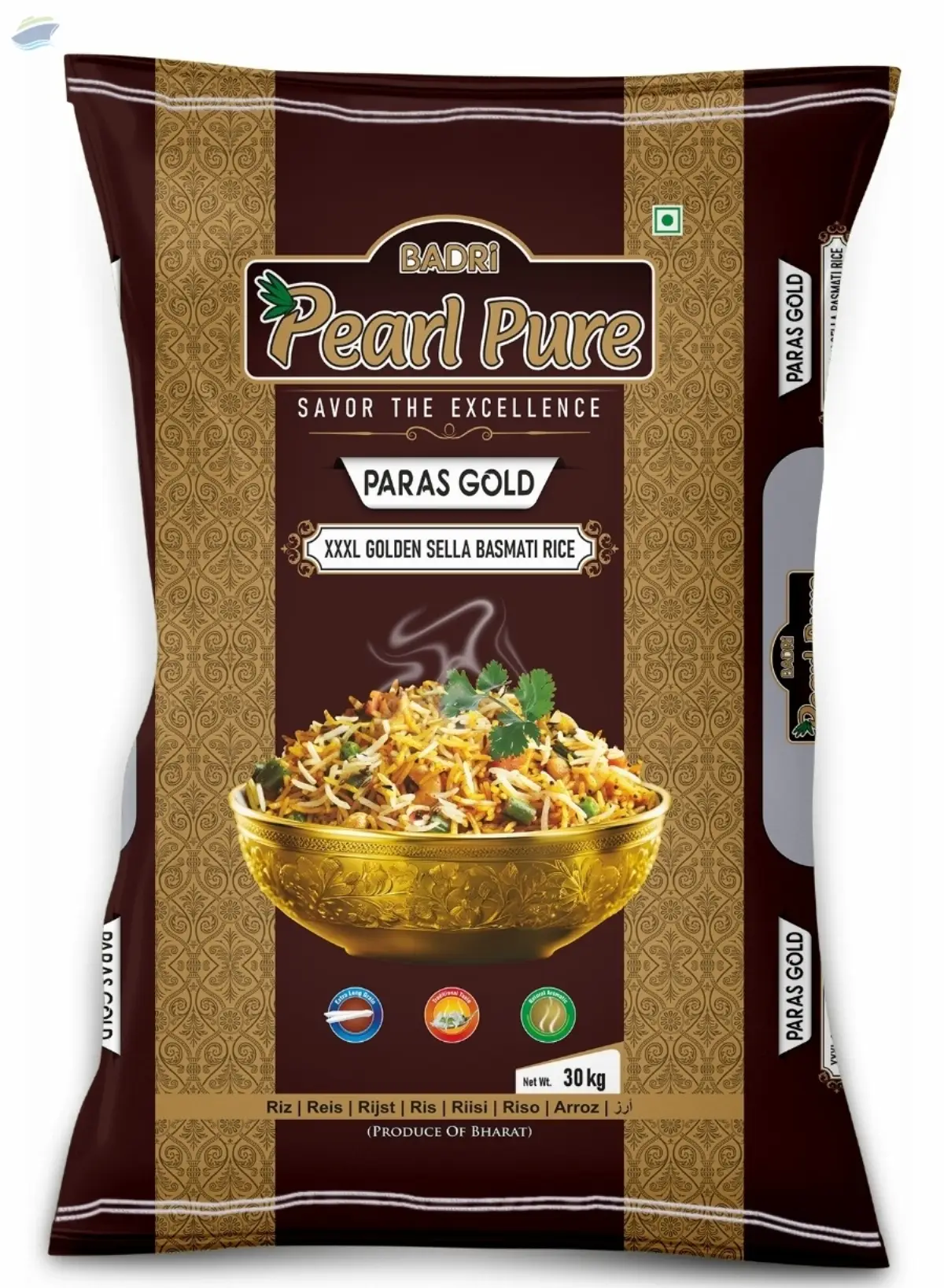
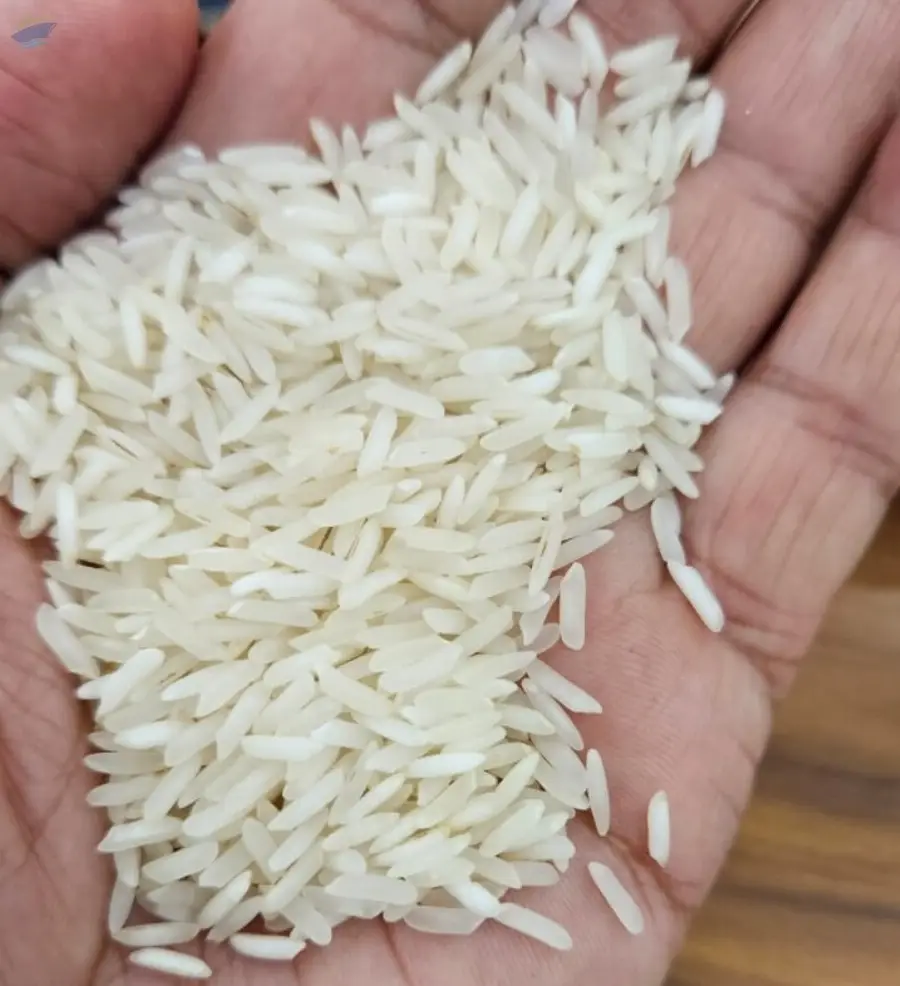
The catalogue lists long‑white rice with broken‑rice levels of 5 %, 10 %, 15 % and 100 %, as well as Jasmine and Japonica varieties. Grading follows typical Vietnamese standards: moisture ≤14 %, head‑rice yield ≥70 % and broken‑rice percentage as specified on the product label.
Which certifications should I ask for when buying pepper from Vilaconic?
Buyers normally request a phytosanitary certificate, a recent oil‑content analysis (≥45 % for black pepper) and compliance with ISO 22000 or GlobalGAP, which are the common food‑safety certifications for spice exports.
How is the frozen horse mackerel packaged and what documentation is required?
The fish is supplied under HS 0303.53, frozen at sea and packed in insulated boxes for 20‑ft containers. Required documents include a health certificate, a Certificate of Origin and a temperature monitoring log for the entire transit.
What are the typical moisture and fat specifications for desiccated coconut?
Desiccated coconut is usually sold with moisture ≤8 % and fat content either high (≥60 %) or low (≈45 %), matching the specifications noted in the product description.
Can I obtain a sample of the dried mango before placing a larger order?
Yes, Vilaconic can provide a small sample batch together with a lab report showing moisture (≤12 %), sugar content and any pesticide residue results, which are standard for dried fruit verification.
What are the common container sizes and packaging for tapioca starch?
Tapioca starch is typically shipped in 20‑ft containers, packed in 25 kg polypropylene bags. Buyers should verify that the starch purity is ≥99 % and that the product meets the HS 1101 classification for starches.
Which markets does Vilaconic primarily export to?
While the supplier’s target markets are not listed, Vietnamese exporters of rice, pepper and coffee commonly serve the EU, the United States, the Middle East and East Asian regions, all of which require standard food‑safety certifications and phytosanitary clearances.
What documentation should I request for coffee bean shipments?
For coffee beans, ask for a Certificate of Origin, a phytosanitary certificate, a cupping score report and compliance with ISO 22000 or GlobalGAP, as these are the typical documents required by major importing countries.




 , Viet Nam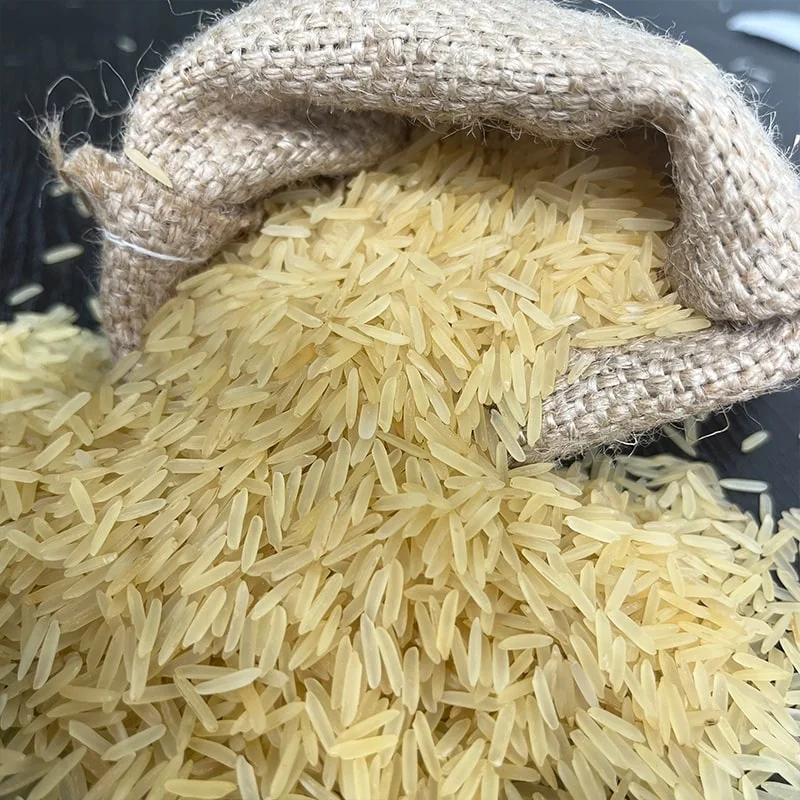


.jpg.png)