Sip India Infra — Verified Supplier

About Sip India Infra - Agriculture Supplier in India

India hosts Sip India Infra, a supplier that currently lists six distinct products across its catalogue. The company is classified under the imported tier and operates within the agriculture‑related segment, with honey and various plant‑derived oils among its offerings. The active product count of six reflects a focused portfolio rather than a broad commodity range, allowing buyers to assess each item individually.

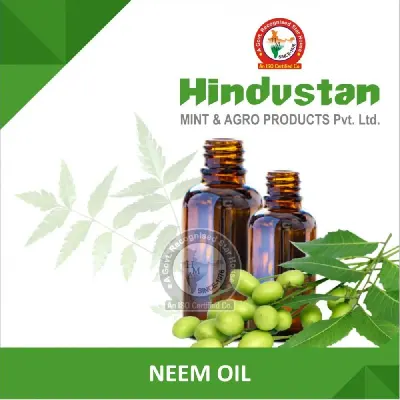
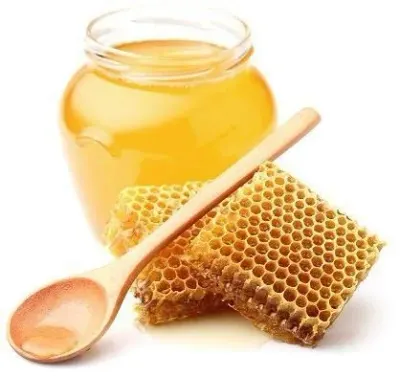
The catalogue enumerates honey, Moringa oil, Neem oil, deer horn, beeswax and turmeric powder. Each entry aligns with standard commodity classifications used in international trade, such as edible sweeteners, vegetable oils, natural waxes and spice powders. No additional product variants or sub‑categories are reported beyond these six items.

Product Range and Specialties of Sip India Infra

Sip India Infra’s listed products cover both food and non‑food agricultural outputs. Honey is typically evaluated by ICUMSA grade, moisture content below 18 % and a diastase activity of at least 8 Schade units. Moringa oil and Neem oil are cold‑pressed vegetable oils; common specifications include free fatty acid (FFA) levels under 1 % and peroxide values below 10 meq O₂/kg. Beeswax is usually sold in blocks or pellets with a melt point between 62‑65 °C and an iodine value around 20‑30. Turmeric powder is graded by curcumin content (often 3‑6 % for culinary grade) and moisture below 12 %. Deer horn, used in traditional medicine, is typically supplied as cleaned, dried shavings or powders, with particle size specifications ranging from 0.5‑2 mm depending on end‑use.

Trade and Export Information - Sip India Infra

India exports honey, vegetable oils and spice powders to markets in the European Union, the United States and the Middle East, where food safety certifications such as ISO 22000, HACCP and, where applicable, organic accreditation are routinely required. Buyers of Moringa and Neem oils often request analysis reports confirming fatty‑acid profiles, iodine value and absence of pesticide residues, in line with EU Regulation 2017/625. Beeswax shipments are subject to phytosanitary certificates and may need to meet REACH registration limits for certain contaminants. Turmeric powder is commonly inspected under HS chapter 09, with customs authorities checking for permissible pesticide residue levels and accurate country‑of‑origin labeling. Shipping is typically arranged in 20‑ft or 40‑ft containers, with bulk powder packed in food‑grade polyethylene bags and oils in metal drums or IBCs, using CIF or FOB terms.

Sourcing from Sip India Infra - Buyer Guidance

When sourcing from Sip India Infra, buyers should request product specifications sheets that include moisture, purity, FFA and peroxide values for oils, and ICUMSA grades for honey. Laboratory test reports from accredited labs, along with a recent phytosanitary certificate, help verify compliance with import regulations. Confirm packaging details - e.g., 25 kg food‑grade bags for turmeric, 200 L drums for oils, or sealed glass jars for honey - to ensure compatibility with handling and storage requirements.

Frequently Asked Questions About Sip India Infra

What documents should I ask for before ordering honey from Sip India Infra?

Request an up‑to‑date specification sheet showing ICUMSA grade, moisture level and diastase activity, together with a recent laboratory analysis report and a phytosanitary certificate.

Are there standard quality parameters for Moringa and Neem oils?

Typical parameters include free fatty acid content below 1 %, peroxide value under 10 meq O₂/kg, and verification of pesticide‑free status through an accredited lab report.

What is the usual minimum order quantity for beeswax?

Buyers commonly encounter minimum orders ranging from 500 kg to 1 ton, packed in sealed polyethylene bags or bulk drums depending on the buyer’s processing needs.

How is turmeric powder normally packaged for export?

Export shipments are usually packed in food‑grade polyethylene bags of 25 kg or 50 kg, with moisture content below 12 % and curcumin content documented on the accompanying certificate of analysis.

What certifications are typically required for deer horn material?

Importers often require a phytosanitary certificate, a declaration of compliance with CITES if the source is regulated, and a laboratory report confirming the absence of heavy metals.

Which Incoterms are most common for these Indian agricultural products?

Buyers and exporters frequently use FOB (Free on Board) from the nearest Indian port or CIF (Cost, Insurance, Freight) to the destination port, depending on the buyer’s preferred logistics arrangement.

What lead times should I expect for a full container of honey?

Lead times generally range from 4 to 6 weeks, covering production, quality testing, packaging and loading onto a 20‑ft or 40‑ft container.

How can I verify the purity of the supplied turmeric powder?

Ask for a certified analysis report detailing curcumin percentage, moisture level and any residual solvents; third‑party lab verification is standard practice for bulk spice imports.


Other Suppliers in Agriculture

Top Trusted Suppliers

Related Products

Other Suppliers

EximNext
58.4K+ live requirements
Register Free🎁 5 free buy-lead credits
Post Requirement
🌍 Trusted by 224.4K+ businesses in 200+ countries|
58.4K+ active requirements right now
✉️ [email protected]
|
Sell on EximNextPost Requirement
EximNext
AgricultureApparelConstructionElectronicFoodHomeIndustrialMineralsMiscellaneous
🔥 Deals|✨ AI Match|🏭 Suppliers|📋 Buy Leads|💰 Trade Finance|⭐ Upgrade
58.4K+ live RFQs·194.5K+ suppliers
🎁 5 free credits →
EximNext
EximNext
Register Free
🎁 5 free buy-lead credits
Sign In
📋Post Requirement💬Get QuotesAI Match📋RFQ Marketplace
All Categories
Services & Tools
🏭Supplier Directory🔥Today's Deals💰Trade FinanceMembership
Sell on EximNext
AboutContactBlogHelp
🏭

Sip India Infra

Harbor
Country flag , India
🛡️
56/100
Trust Score

Sip India Infra Product Catalog

Showing 6 of 6 products
View all products →
Beeswax
Harbor
Beeswax
Contact
MOQ: 1 Unit
Turmeric powder
Harbor
Turmeric powder
Contact
MOQ: 1 Unit
Deer horn
Harbor
Deer horn
Contact
MOQ: 1 Unit
Moringa oil
Harbor
Moringa oil
Contact
MOQ: 1 Unit
Neem oil
Harbor
Neem oil
Contact
MOQ: 1 Unit
Honey
Harbor
Honey
Contact
MOQ: 1 Unit

About Sip India Infra - Agriculture Supplier in India

India hosts Sip India Infra, a supplier that currently lists six distinct products across its catalogue. The company is classified under the imported tier and operates within the agriculture‑related segment, with honey and various plant‑derived oils among its offerings. The active product count of six reflects a focused portfolio rather than a broad commodity range, allowing buyers to assess each item individually.

The catalogue enumerates honey, Moringa oil, Neem oil, deer horn, beeswax and turmeric powder. Each entry aligns with standard commodity classifications used in international trade, such as edible sweeteners, vegetable oils, natural waxes and spice powders. No additional product variants or sub‑categories are reported beyond these six items.

Product Range and Specialties of Sip India Infra

Sip India Infra’s listed products cover both food and non‑food agricultural outputs. Honey is typically evaluated by ICUMSA grade, moisture content below 18 % and a diastase activity of at least 8 Schade units. Moringa oil and Neem oil are cold‑pressed vegetable oils; common specifications include free fatty acid (FFA) levels under 1 % and peroxide values below 10 meq O₂/kg. Beeswax is usually sold in blocks or pellets with a melt point between 62‑65 °C and an iodine value around 20‑30. Turmeric powder is graded by curcumin content (often 3‑6 % for culinary grade) and moisture below 12 %. Deer horn, used in traditional medicine, is typically supplied as cleaned, dried shavings or powders, with particle size specifications ranging from 0.5‑2 mm depending on end‑use.

Trade and Export Information - Sip India Infra

India exports honey, vegetable oils and spice powders to markets in the European Union, the United States and the Middle East, where food safety certifications such as ISO 22000, HACCP and, where applicable, organic accreditation are routinely required. Buyers of Moringa and Neem oils often request analysis reports confirming fatty‑acid profiles, iodine value and absence of pesticide residues, in line with EU Regulation 2017/625. Beeswax shipments are subject to phytosanitary certificates and may need to meet REACH registration limits for certain contaminants. Turmeric powder is commonly inspected under HS chapter 09, with customs authorities checking for permissible pesticide residue levels and accurate country‑of‑origin labeling. Shipping is typically arranged in 20‑ft or 40‑ft containers, with bulk powder packed in food‑grade polyethylene bags and oils in metal drums or IBCs, using CIF or FOB terms.

Sourcing from Sip India Infra - Buyer Guidance

When sourcing from Sip India Infra, buyers should request product specifications sheets that include moisture, purity, FFA and peroxide values for oils, and ICUMSA grades for honey. Laboratory test reports from accredited labs, along with a recent phytosanitary certificate, help verify compliance with import regulations. Confirm packaging details - e.g., 25 kg food‑grade bags for turmeric, 200 L drums for oils, or sealed glass jars for honey - to ensure compatibility with handling and storage requirements.

Frequently Asked Questions About Sip India Infra

What documents should I ask for before ordering honey from Sip India Infra?

Request an up‑to‑date specification sheet showing ICUMSA grade, moisture level and diastase activity, together with a recent laboratory analysis report and a phytosanitary certificate.

Are there standard quality parameters for Moringa and Neem oils?

Typical parameters include free fatty acid content below 1 %, peroxide value under 10 meq O₂/kg, and verification of pesticide‑free status through an accredited lab report.

What is the usual minimum order quantity for beeswax?

Buyers commonly encounter minimum orders ranging from 500 kg to 1 ton, packed in sealed polyethylene bags or bulk drums depending on the buyer’s processing needs.

How is turmeric powder normally packaged for export?

Export shipments are usually packed in food‑grade polyethylene bags of 25 kg or 50 kg, with moisture content below 12 % and curcumin content documented on the accompanying certificate of analysis.

What certifications are typically required for deer horn material?

Importers often require a phytosanitary certificate, a declaration of compliance with CITES if the source is regulated, and a laboratory report confirming the absence of heavy metals.

Which Incoterms are most common for these Indian agricultural products?

Buyers and exporters frequently use FOB (Free on Board) from the nearest Indian port or CIF (Cost, Insurance, Freight) to the destination port, depending on the buyer’s preferred logistics arrangement.

What lead times should I expect for a full container of honey?

Lead times generally range from 4 to 6 weeks, covering production, quality testing, packaging and loading onto a 20‑ft or 40‑ft container.

How can I verify the purity of the supplied turmeric powder?

Ask for a certified analysis report detailing curcumin percentage, moisture level and any residual solvents; third‑party lab verification is standard practice for bulk spice imports.

About Sip India Infra - Agriculture Supplier in India

India hosts Sip India Infra, a supplier that currently lists six distinct products across its catalogue. The company is classified under the imported tier and operates within the agriculture‑related segment, with honey and various plant‑derived oils among its offerings. The active product count of six reflects a focused portfolio rather than a broad commodity range, allowing buyers to assess each item individually.

The catalogue enumerates honey, Moringa oil, Neem oil, deer horn, beeswax and turmeric powder. Each entry aligns with standard commodity classifications used in international trade, such as edible sweeteners, vegetable oils, natural waxes and spice powders. No additional product variants or sub‑categories are reported beyond these six items.

Product Range and Specialties of Sip India Infra

Sip India Infra’s listed products cover both food and non‑food agricultural outputs. Honey is typically evaluated by ICUMSA grade, moisture content below 18 % and a diastase activity of at least 8 Schade units. Moringa oil and Neem oil are cold‑pressed vegetable oils; common specifications include free fatty acid (FFA) levels under 1 % and peroxide values below 10 meq O₂/kg. Beeswax is usually sold in blocks or pellets with a melt point between 62‑65 °C and an iodine value around 20‑30. Turmeric powder is graded by curcumin content (often 3‑6 % for culinary grade) and moisture below 12 %. Deer horn, used in traditional medicine, is typically supplied as cleaned, dried shavings or powders, with particle size specifications ranging from 0.5‑2 mm depending on end‑use.

Trade and Export Information - Sip India Infra

India exports honey, vegetable oils and spice powders to markets in the European Union, the United States and the Middle East, where food safety certifications such as ISO 22000, HACCP and, where applicable, organic accreditation are routinely required. Buyers of Moringa and Neem oils often request analysis reports confirming fatty‑acid profiles, iodine value and absence of pesticide residues, in line with EU Regulation 2017/625. Beeswax shipments are subject to phytosanitary certificates and may need to meet REACH registration limits for certain contaminants. Turmeric powder is commonly inspected under HS chapter 09, with customs authorities checking for permissible pesticide residue levels and accurate country‑of‑origin labeling. Shipping is typically arranged in 20‑ft or 40‑ft containers, with bulk powder packed in food‑grade polyethylene bags and oils in metal drums or IBCs, using CIF or FOB terms.

Sourcing from Sip India Infra - Buyer Guidance

When sourcing from Sip India Infra, buyers should request product specifications sheets that include moisture, purity, FFA and peroxide values for oils, and ICUMSA grades for honey. Laboratory test reports from accredited labs, along with a recent phytosanitary certificate, help verify compliance with import regulations. Confirm packaging details - e.g., 25 kg food‑grade bags for turmeric, 200 L drums for oils, or sealed glass jars for honey - to ensure compatibility with handling and storage requirements.

Frequently Asked Questions About Sip India Infra
What documents should I ask for before ordering honey from Sip India Infra?
Request an up‑to‑date specification sheet showing ICUMSA grade, moisture level and diastase activity, together with a recent laboratory analysis report and a phytosanitary certificate.
Are there standard quality parameters for Moringa and Neem oils?
Typical parameters include free fatty acid content below 1 %, peroxide value under 10 meq O₂/kg, and verification of pesticide‑free status through an accredited lab report.
What is the usual minimum order quantity for beeswax?
Buyers commonly encounter minimum orders ranging from 500 kg to 1 ton, packed in sealed polyethylene bags or bulk drums depending on the buyer’s processing needs.
How is turmeric powder normally packaged for export?
Export shipments are usually packed in food‑grade polyethylene bags of 25 kg or 50 kg, with moisture content below 12 % and curcumin content documented on the accompanying certificate of analysis.
What certifications are typically required for deer horn material?
Importers often require a phytosanitary certificate, a declaration of compliance with CITES if the source is regulated, and a laboratory report confirming the absence of heavy metals.
Which Incoterms are most common for these Indian agricultural products?
Buyers and exporters frequently use FOB (Free on Board) from the nearest Indian port or CIF (Cost, Insurance, Freight) to the destination port, depending on the buyer’s preferred logistics arrangement.
What lead times should I expect for a full container of honey?
Lead times generally range from 4 to 6 weeks, covering production, quality testing, packaging and loading onto a 20‑ft or 40‑ft container.
How can I verify the purity of the supplied turmeric powder?
Ask for a certified analysis report detailing curcumin percentage, moisture level and any residual solvents; third‑party lab verification is standard practice for bulk spice imports.

🏭
Sip India Infra
Country flag , India
Harbor
56/100
Trust Score
📦
6
Products
Free to contact — no commission
Escrow payment available
Verified business identity
Compare more suppliers
Post a requirement — get 10 quotes free
Let verified suppliers compete for your business. Free, fast, no commitment.
EximNext Verified Supplier
Business identity verified
Physical address confirmed
Financial history checked
Certifications authenticated
Trade references validated
Due Diligence
Verify this supplier's real shipping history.
Every shipment, every buyer, every port. Trade data that can't be faked.
Run due diligence →
Discover More

Related Suppliers & Products

Explore similar suppliers, related products and trending categories

Other Suppliers in Agriculture

Top Trusted Suppliers

Stay ahead in global trade
Weekly market insights & new supplier alerts.
EximNext
Exim Next is a leading global B2B marketplace, connecting over 205,000 verified suppliers and buyers across 200+ countries. As a trusted import export marketplace, it serves as the essential B2B portal for businesses worldwide, empowering them to expand their international reach. With Exim Next, businesses can trade smarter and grow faster.
SECURE PAYMENTS
VISAMastercardPayPalSWIFTL/CEscrow
Follow us
© 2026 EximNext