Sala Global — Verified Supplier

About Sala Global - Mixed Handicrafts and Spices Supplier in Sri Lanka

Sri Lanka‑based Sala Global lists ten active products spanning spices, wooden decorative items and protective face masks. The supplier’s catalogue groups the items under the categories Other Handicrafts & Decorative, Black Cardamom, Wooden Handicrafts, Pepper, Cloves and Helmets & Face Masks, reflecting a mix of traditional craft and agricultural export lines. Each product is recorded without HS‑code detail, but the categories correspond to well‑known HS chapters for spices and wood articles. The active product count of ten indicates a focused yet varied offering for international buyers.

The product list includes Ceylon Cinnamon Sticks, Premium Ceylon Cardamom, High‑Quality Ceylon Black Pepper, Exquisite Ceylon Clove, Fire Demon Masks, Coconut Husk Monkey Family, an Elephant Decorated Statue (4 inch), Peacock Demon, Rathnakuta Raksha Mask and Laksala Wooden Elephants. These items illustrate the supplier’s emphasis on Sri Lankan spice varieties and culturally themed handicrafts, as well as a small line of safety helmets and face masks. The mix aligns with Sri Lanka’s established export portfolio of aromatic spices and artisan woodwork.

Product Range and Specialties of Sala Global

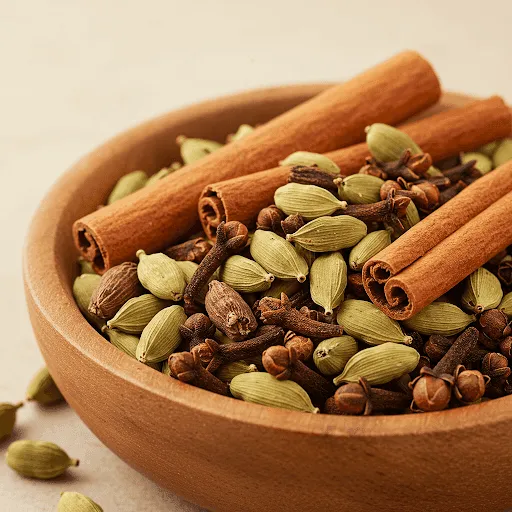
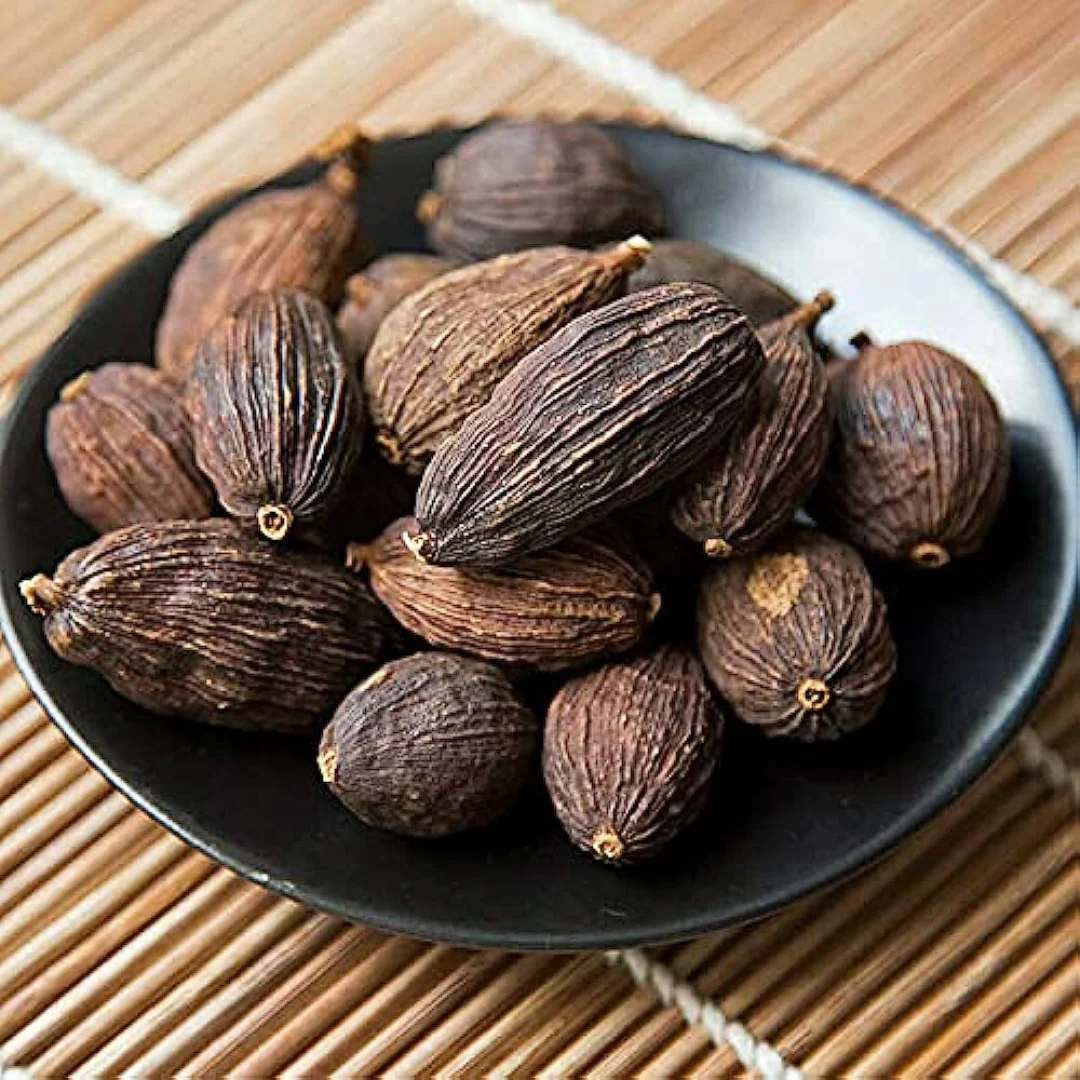
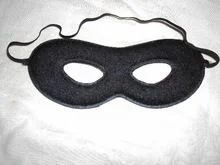
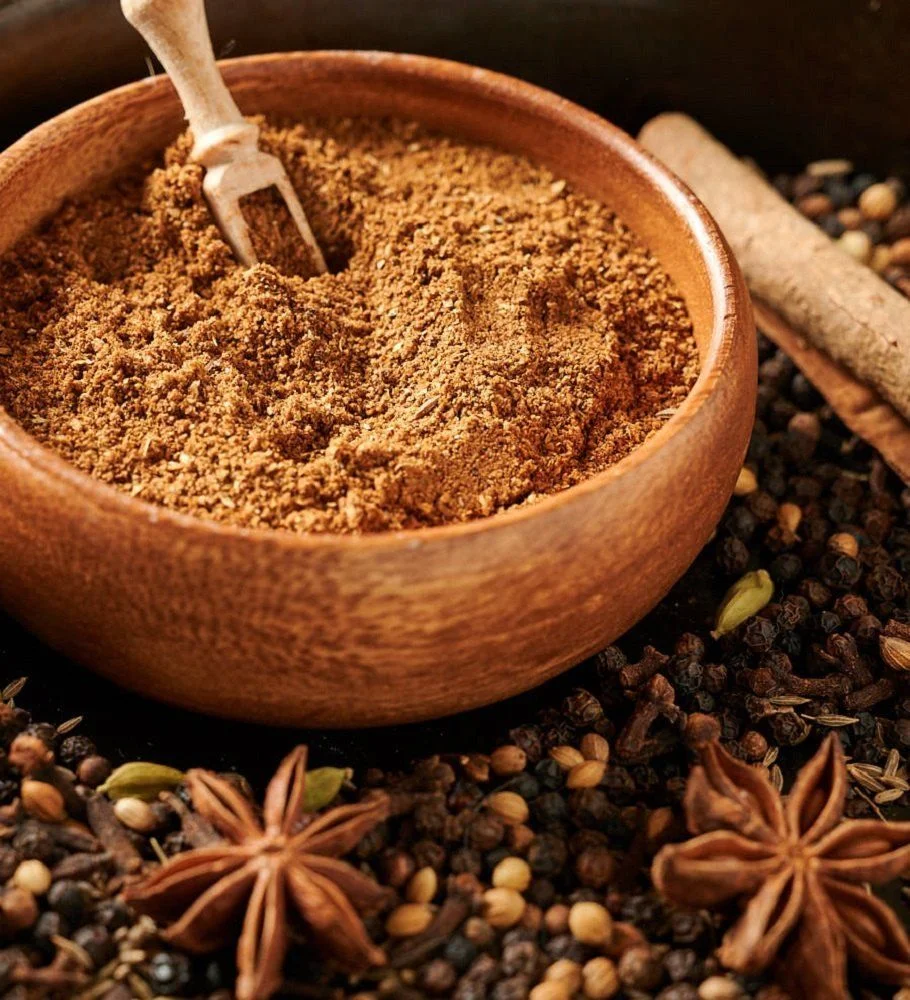
Sala Global’s catalogue features four spice products - cinnamon sticks, green cardamom, black pepper and cloves - all identified as “Ceylon” grade, which in industry terms usually means they meet the Sri Lankan Standard for size, moisture and oil content. Typical specifications for Ceylon cinnamon sticks are lengths of 150‑200 mm, moisture ≤ 12 % and essential oil content ≥ 1.5 %. Premium Ceylon cardamom is generally harvested at 6‑8 mm pod length, with moisture ≤ 8 % and a strong aromatic profile measured by essential oil ≥ 6 %. Black pepper usually falls in the 3‑5 mm size range with moisture ≤ 13 % and a pungency rating of 5‑6 % piperine. Clove buds are commonly 6‑9 mm, moisture ≤ 10 % and a eugenol content of 70‑80 %. The wooden handicrafts, such as the Laksala elephants, are typically carved from teak or rosewood and finished with natural lacquer. The helmets and face masks are described as “Fire Demon” or “Rathnakuta Raksha” models and are generally made from ABS or polycarbonate shells, often coated with fabric liners for comfort. Industry buyers expect CE marking for personal protective equipment and may request ISO‑9001 quality system documentation for the wood items.

Trade and Export Information - Sala Global

Sri Lanka is a long‑standing exporter of aromatic spices, with the European Union, the United Arab Emirates and the United States representing the largest import markets. The spice items in this catalogue fall under HS Chapter 09, specifically HS 0906 for cinnamon, HS 0905 for cardamom and pepper, and HS 0907 for cloves. Wooden decorative articles are classified under HS 4421, while safety helmets and face masks are recorded under HS 6506. Buyers typically require phytosanitary certificates, origin certificates and, where applicable, organic or fair‑trade documentation for spices. For wooden products, importers often ask for a treatment certificate confirming compliance with ISPM 15 wood‑packaging regulations. Protective masks are subject to CE conformity assessment and may need a test report confirming compliance with EN 166 or EN 149 standards. Export logistics from Sri Lanka commonly use 20‑foot or 40‑foot containers, with spices packed in 25 kg jute or polypropylene bags and wooden items crated for sea freight.

Sourcing from Sala Global - Buyer Guidance

When sourcing from Sala Global, buyers should request a recent phytosanitary certificate for each spice shipment and verify that moisture and essential‑oil specifications are documented in a laboratory test report. For the wooden handicrafts, ask for an ISPM 15 wood‑treatment certificate and, if available, a sample of the finish to confirm colour and durability. Protective helmets and masks should be accompanied by a CE test report or an EN 166 compliance certificate before a bulk order is placed. Buyers are advised to obtain a product sample and a material safety data sheet (MSDS) for the masks to check for any allergens or hazardous substances. Typical minimum order quantities in the spice sector range from 500 kg to 1 ton per shipment, while handcrafted wood items and masks are often ordered in units of 100‑200 pieces, with lead times of 30‑45 days after sample approval.

Frequently Asked Questions About Sala Global

What spice products does Sala Global export?

Sala Global lists Ceylon cinnamon sticks, premium Ceylon cardamom, high‑quality Ceylon black pepper and exquisite Ceylon cloves. All four fall under Sri Lanka’s recognized “Ceylon” grade specifications for size, moisture and aromatic oil content.

Which HS codes are relevant for the spices offered?

The cinnamon sticks are classified under HS 0906, cardamom and black pepper under HS 0905, and cloves under HS 0907. These codes are used by customs authorities worldwide for spice imports.

What quality parameters should a buyer verify for Ceylon cinnamon sticks?

Buyers should check stick length (150‑200 mm), moisture content (≤ 12 %), and essential‑oil percentage (≥ 1.5 %). A recent laboratory analysis sheet should be provided with the shipment.

Are the wooden handicrafts treated for international shipment?

Importers normally require an ISPM 15 wood‑treatment certificate for any wooden product. Buyers should request this document to confirm that the Laksala wooden elephants and other items meet the treatment standard.

What certifications are typically required for the helmets and face masks?

Protective headgear and face masks generally need CE marking and compliance with EN 166 (personal protective equipment) or EN 149 (filtering facepiece). Buyers should ask for the relevant test report before confirming an order.

What packaging formats are used for the spice shipments?

Sri Lankan spice exporters commonly pack bulk spices in 25 kg jute or polypropylene bags, which are then loaded into 20‑foot or 40‑foot containers for sea freight.

How long does it take to receive a sample from Sala Global?

Sample preparation and dispatch typically require 7‑10 days after the request is confirmed, followed by standard international shipping time, which varies by destination.

What documents should a buyer request before finalizing a purchase?

Buyers should obtain a phytosanitary certificate, origin certificate, recent laboratory test report for moisture and oil content (spices), ISPM 15 treatment certificate (wood items) and CE/EN test report (masks). These documents help verify product compliance with import regulations.


Featured Products from this Supplier

Other Suppliers in Primary Category

Top Trusted Suppliers

Related Products

Trending in Parent Category

More Suppliers in Category

Related Products

Other Suppliers

EximNext
58.5K+ live requirements
Register Free🎁 Reach verified global buyers
Post Requirement
🌍 Trusted by 224.6K+ businesses in 200+ countries|
58.5K+ active requirements right now
✉️ [email protected]
|
Sell on EximNextPost Requirement
EximNext
AgricultureApparelConstructionElectronicFoodHomeIndustrialMineralsMiscellaneous
🔥 Deals|✨ AI Match|🏭 Suppliers|📋 Buy Leads|💰 Trade Finance
58.5K+ live RFQs·194.6K+ suppliers
🎁 Reach global buyers →
EximNext
EximNext
Register Free
🎁 Reach verified global buyers
Sign In
📋Post Requirement💬Get QuotesAI Match📋RFQ Marketplace
All Categories
Services & Tools
🏭Supplier Directory🔥Today's Deals💰Trade Finance
Sell on EximNext
AboutContactBlogHelp
🏭

Sala Global

Harbor
Country flag , Sri Lanka
🛡️
55/100
Trust Score

Sala Global Product Catalog

Showing 10 of 10 products
View all products →
Ceylon Cinnamon Sticks
Harbor
Ceylon Cinnamon Sticks
Contact
MOQ: 1 Unit
Premium Ceylon Cardamom
Harbor
Premium Ceylon Cardamom
Contact
MOQ: 1 Unit
High-Quality Ceylon Black Pepper
Harbor
High-Quality Ceylon Black Pepper
Contact
MOQ: 1 Unit
Exquisite Ceylon Clove
Harbor
Exquisite Ceylon Clove
Contact
MOQ: 1 Unit
Fire Demon Masks
Harbor
Fire Demon Masks
Contact
MOQ: 1 Unit
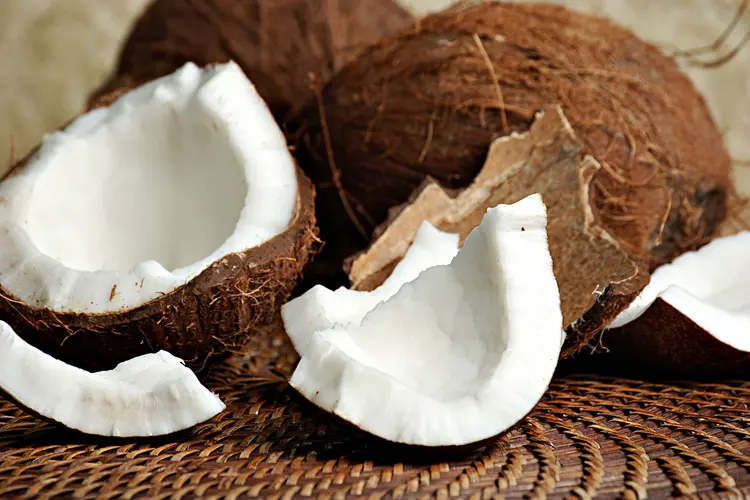
Coconut Husk Monkey Family
Harbor
Coconut Husk Monkey Family
Contact
MOQ: 1 Unit
Elephant Decorated Statue (h: 4 Inch)
Harbor
Elephant Decorated Statue (h: 4 Inch)
Contact
MOQ: 1 Unit
Peacock Demon
Harbor
Peacock Demon
Contact
MOQ: 1 Unit
Rathnakuta Raksha Mask
Harbor
Rathnakuta Raksha Mask
Contact
MOQ: 1 Unit
Laksala Wooden Elephants
Harbor
Laksala Wooden Elephants
Contact
MOQ: 1 Unit

About Sala Global - Mixed Handicrafts and Spices Supplier in Sri Lanka

Sri Lanka‑based Sala Global lists ten active products spanning spices, wooden decorative items and protective face masks. The supplier’s catalogue groups the items under the categories Other Handicrafts & Decorative, Black Cardamom, Wooden Handicrafts, Pepper, Cloves and Helmets & Face Masks, reflecting a mix of traditional craft and agricultural export lines. Each product is recorded without HS‑code detail, but the categories correspond to well‑known HS chapters for spices and wood articles. The active product count of ten indicates a focused yet varied offering for international buyers.

The product list includes Ceylon Cinnamon Sticks, Premium Ceylon Cardamom, High‑Quality Ceylon Black Pepper, Exquisite Ceylon Clove, Fire Demon Masks, Coconut Husk Monkey Family, an Elephant Decorated Statue (4 inch), Peacock Demon, Rathnakuta Raksha Mask and Laksala Wooden Elephants. These items illustrate the supplier’s emphasis on Sri Lankan spice varieties and culturally themed handicrafts, as well as a small line of safety helmets and face masks. The mix aligns with Sri Lanka’s established export portfolio of aromatic spices and artisan woodwork.

Product Range and Specialties of Sala Global

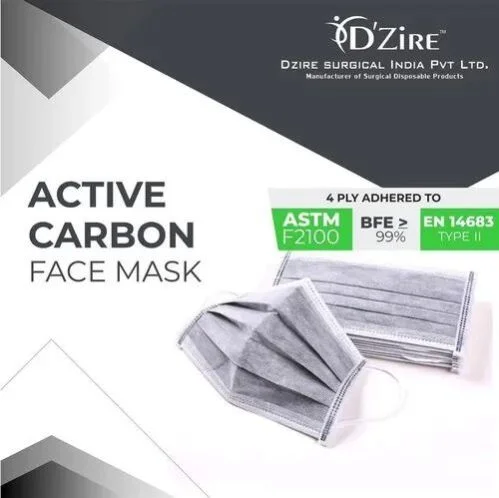
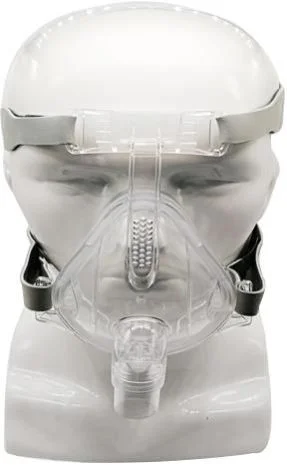
Sala Global’s catalogue features four spice products - cinnamon sticks, green cardamom, black pepper and cloves - all identified as “Ceylon” grade, which in industry terms usually means they meet the Sri Lankan Standard for size, moisture and oil content. Typical specifications for Ceylon cinnamon sticks are lengths of 150‑200 mm, moisture ≤ 12 % and essential oil content ≥ 1.5 %. Premium Ceylon cardamom is generally harvested at 6‑8 mm pod length, with moisture ≤ 8 % and a strong aromatic profile measured by essential oil ≥ 6 %. Black pepper usually falls in the 3‑5 mm size range with moisture ≤ 13 % and a pungency rating of 5‑6 % piperine. Clove buds are commonly 6‑9 mm, moisture ≤ 10 % and a eugenol content of 70‑80 %. The wooden handicrafts, such as the Laksala elephants, are typically carved from teak or rosewood and finished with natural lacquer. The helmets and face masks are described as “Fire Demon” or “Rathnakuta Raksha” models and are generally made from ABS or polycarbonate shells, often coated with fabric liners for comfort. Industry buyers expect CE marking for personal protective equipment and may request ISO‑9001 quality system documentation for the wood items.

Trade and Export Information - Sala Global

Sri Lanka is a long‑standing exporter of aromatic spices, with the European Union, the United Arab Emirates and the United States representing the largest import markets. The spice items in this catalogue fall under HS Chapter 09, specifically HS 0906 for cinnamon, HS 0905 for cardamom and pepper, and HS 0907 for cloves. Wooden decorative articles are classified under HS 4421, while safety helmets and face masks are recorded under HS 6506. Buyers typically require phytosanitary certificates, origin certificates and, where applicable, organic or fair‑trade documentation for spices. For wooden products, importers often ask for a treatment certificate confirming compliance with ISPM 15 wood‑packaging regulations. Protective masks are subject to CE conformity assessment and may need a test report confirming compliance with EN 166 or EN 149 standards. Export logistics from Sri Lanka commonly use 20‑foot or 40‑foot containers, with spices packed in 25 kg jute or polypropylene bags and wooden items crated for sea freight.

Sourcing from Sala Global - Buyer Guidance

When sourcing from Sala Global, buyers should request a recent phytosanitary certificate for each spice shipment and verify that moisture and essential‑oil specifications are documented in a laboratory test report. For the wooden handicrafts, ask for an ISPM 15 wood‑treatment certificate and, if available, a sample of the finish to confirm colour and durability. Protective helmets and masks should be accompanied by a CE test report or an EN 166 compliance certificate before a bulk order is placed. Buyers are advised to obtain a product sample and a material safety data sheet (MSDS) for the masks to check for any allergens or hazardous substances. Typical minimum order quantities in the spice sector range from 500 kg to 1 ton per shipment, while handcrafted wood items and masks are often ordered in units of 100‑200 pieces, with lead times of 30‑45 days after sample approval.

Frequently Asked Questions About Sala Global

What spice products does Sala Global export?

Sala Global lists Ceylon cinnamon sticks, premium Ceylon cardamom, high‑quality Ceylon black pepper and exquisite Ceylon cloves. All four fall under Sri Lanka’s recognized “Ceylon” grade specifications for size, moisture and aromatic oil content.

Which HS codes are relevant for the spices offered?

The cinnamon sticks are classified under HS 0906, cardamom and black pepper under HS 0905, and cloves under HS 0907. These codes are used by customs authorities worldwide for spice imports.

What quality parameters should a buyer verify for Ceylon cinnamon sticks?

Buyers should check stick length (150‑200 mm), moisture content (≤ 12 %), and essential‑oil percentage (≥ 1.5 %). A recent laboratory analysis sheet should be provided with the shipment.

Are the wooden handicrafts treated for international shipment?

Importers normally require an ISPM 15 wood‑treatment certificate for any wooden product. Buyers should request this document to confirm that the Laksala wooden elephants and other items meet the treatment standard.

What certifications are typically required for the helmets and face masks?

Protective headgear and face masks generally need CE marking and compliance with EN 166 (personal protective equipment) or EN 149 (filtering facepiece). Buyers should ask for the relevant test report before confirming an order.

What packaging formats are used for the spice shipments?

Sri Lankan spice exporters commonly pack bulk spices in 25 kg jute or polypropylene bags, which are then loaded into 20‑foot or 40‑foot containers for sea freight.

How long does it take to receive a sample from Sala Global?

Sample preparation and dispatch typically require 7‑10 days after the request is confirmed, followed by standard international shipping time, which varies by destination.

What documents should a buyer request before finalizing a purchase?

Buyers should obtain a phytosanitary certificate, origin certificate, recent laboratory test report for moisture and oil content (spices), ISPM 15 treatment certificate (wood items) and CE/EN test report (masks). These documents help verify product compliance with import regulations.

About Sala Global - Mixed Handicrafts and Spices Supplier in Sri Lanka

Sri Lanka‑based Sala Global lists ten active products spanning spices, wooden decorative items and protective face masks. The supplier’s catalogue groups the items under the categories Other Handicrafts & Decorative, Black Cardamom, Wooden Handicrafts, Pepper, Cloves and Helmets & Face Masks, reflecting a mix of traditional craft and agricultural export lines. Each product is recorded without HS‑code detail, but the categories correspond to well‑known HS chapters for spices and wood articles. The active product count of ten indicates a focused yet varied offering for international buyers.

The product list includes Ceylon Cinnamon Sticks, Premium Ceylon Cardamom, High‑Quality Ceylon Black Pepper, Exquisite Ceylon Clove, Fire Demon Masks, Coconut Husk Monkey Family, an Elephant Decorated Statue (4 inch), Peacock Demon, Rathnakuta Raksha Mask and Laksala Wooden Elephants. These items illustrate the supplier’s emphasis on Sri Lankan spice varieties and culturally themed handicrafts, as well as a small line of safety helmets and face masks. The mix aligns with Sri Lanka’s established export portfolio of aromatic spices and artisan woodwork.

Product Range and Specialties of Sala Global

Sala Global’s catalogue features four spice products - cinnamon sticks, green cardamom, black pepper and cloves - all identified as “Ceylon” grade, which in industry terms usually means they meet the Sri Lankan Standard for size, moisture and oil content. Typical specifications for Ceylon cinnamon sticks are lengths of 150‑200 mm, moisture ≤ 12 % and essential oil content ≥ 1.5 %. Premium Ceylon cardamom is generally harvested at 6‑8 mm pod length, with moisture ≤ 8 % and a strong aromatic profile measured by essential oil ≥ 6 %. Black pepper usually falls in the 3‑5 mm size range with moisture ≤ 13 % and a pungency rating of 5‑6 % piperine. Clove buds are commonly 6‑9 mm, moisture ≤ 10 % and a eugenol content of 70‑80 %. The wooden handicrafts, such as the Laksala elephants, are typically carved from teak or rosewood and finished with natural lacquer. The helmets and face masks are described as “Fire Demon” or “Rathnakuta Raksha” models and are generally made from ABS or polycarbonate shells, often coated with fabric liners for comfort. Industry buyers expect CE marking for personal protective equipment and may request ISO‑9001 quality system documentation for the wood items.

Trade and Export Information - Sala Global

Sri Lanka is a long‑standing exporter of aromatic spices, with the European Union, the United Arab Emirates and the United States representing the largest import markets. The spice items in this catalogue fall under HS Chapter 09, specifically HS 0906 for cinnamon, HS 0905 for cardamom and pepper, and HS 0907 for cloves. Wooden decorative articles are classified under HS 4421, while safety helmets and face masks are recorded under HS 6506. Buyers typically require phytosanitary certificates, origin certificates and, where applicable, organic or fair‑trade documentation for spices. For wooden products, importers often ask for a treatment certificate confirming compliance with ISPM 15 wood‑packaging regulations. Protective masks are subject to CE conformity assessment and may need a test report confirming compliance with EN 166 or EN 149 standards. Export logistics from Sri Lanka commonly use 20‑foot or 40‑foot containers, with spices packed in 25 kg jute or polypropylene bags and wooden items crated for sea freight.

Sourcing from Sala Global - Buyer Guidance

When sourcing from Sala Global, buyers should request a recent phytosanitary certificate for each spice shipment and verify that moisture and essential‑oil specifications are documented in a laboratory test report. For the wooden handicrafts, ask for an ISPM 15 wood‑treatment certificate and, if available, a sample of the finish to confirm colour and durability. Protective helmets and masks should be accompanied by a CE test report or an EN 166 compliance certificate before a bulk order is placed. Buyers are advised to obtain a product sample and a material safety data sheet (MSDS) for the masks to check for any allergens or hazardous substances. Typical minimum order quantities in the spice sector range from 500 kg to 1 ton per shipment, while handcrafted wood items and masks are often ordered in units of 100‑200 pieces, with lead times of 30‑45 days after sample approval.

Frequently Asked Questions About Sala Global
What spice products does Sala Global export?
Sala Global lists Ceylon cinnamon sticks, premium Ceylon cardamom, high‑quality Ceylon black pepper and exquisite Ceylon cloves. All four fall under Sri Lanka’s recognized “Ceylon” grade specifications for size, moisture and aromatic oil content.
Which HS codes are relevant for the spices offered?
The cinnamon sticks are classified under HS 0906, cardamom and black pepper under HS 0905, and cloves under HS 0907. These codes are used by customs authorities worldwide for spice imports.
What quality parameters should a buyer verify for Ceylon cinnamon sticks?
Buyers should check stick length (150‑200 mm), moisture content (≤ 12 %), and essential‑oil percentage (≥ 1.5 %). A recent laboratory analysis sheet should be provided with the shipment.
Are the wooden handicrafts treated for international shipment?
Importers normally require an ISPM 15 wood‑treatment certificate for any wooden product. Buyers should request this document to confirm that the Laksala wooden elephants and other items meet the treatment standard.
What certifications are typically required for the helmets and face masks?
Protective headgear and face masks generally need CE marking and compliance with EN 166 (personal protective equipment) or EN 149 (filtering facepiece). Buyers should ask for the relevant test report before confirming an order.
What packaging formats are used for the spice shipments?
Sri Lankan spice exporters commonly pack bulk spices in 25 kg jute or polypropylene bags, which are then loaded into 20‑foot or 40‑foot containers for sea freight.
How long does it take to receive a sample from Sala Global?
Sample preparation and dispatch typically require 7‑10 days after the request is confirmed, followed by standard international shipping time, which varies by destination.
What documents should a buyer request before finalizing a purchase?
Buyers should obtain a phytosanitary certificate, origin certificate, recent laboratory test report for moisture and oil content (spices), ISPM 15 treatment certificate (wood items) and CE/EN test report (masks). These documents help verify product compliance with import regulations.

🏭
Sala Global
Country flag , Sri Lanka
Harbor
55/100
Trust Score
📦
10
Products
Free to contact — no commission
Escrow payment available
Verified business identity
Compare more suppliers
Post a requirement — get 10 quotes free
Let verified suppliers compete for your business. Free, fast, no commitment.
EximNext Verified Supplier
Business identity verified
Physical address confirmed
Financial history checked
Certifications authenticated
Trade references validated
Due Diligence
Verify this supplier's real shipping history.
Every shipment, every buyer, every port. Trade data that can't be faked.
Run due diligence →
Discover More

Related Suppliers & Products

Explore similar suppliers, related products and trending categories

Featured Products from this Supplier

Other Suppliers in Primary Category

Top Trusted Suppliers

Related Products

Trending in Parent Category

More Suppliers in Category

Stay ahead in global trade
Weekly market insights & new supplier alerts.
EximNext
Exim Next is a leading global B2B marketplace, connecting over 205,000 verified suppliers and buyers across 200+ countries. As a trusted import export marketplace, it serves as the essential B2B portal for businesses worldwide, empowering them to expand their international reach. With Exim Next, businesses can trade smarter and grow faster.
SECURE PAYMENTS
VISAMastercardPayPalSWIFTL/CEscrow
Follow us
© 2026 EximNext