P.j. Exporter — Supplier

About P.j. Exporter - Bed Linens, Bed Sheets Supplier in India

India‑based P.j. Exporter lists ten active products across the categories Gifts & Decorative, Bed Linens, Handicrafts, Wall Finishes, Cushion Covers, Rugs, Furniture and Table Linen. The catalogue combines handmade clay décor, embroidered textile items and a cotton bedsheet (HS 6302.21) together with a cotton‑polyester blend diwan cover set (HS 9404.90). Each entry reflects a distinct material class, from 100 % cotton fabric to mixed‑fiber upholstery, and the HS codes place the goods in Chapter 63 for textile articles and Chapter 94 for furniture accessories. The supplier’s product count and the explicit HS‑code assignments give buyers a clear reference for customs classification and tariff assessment.

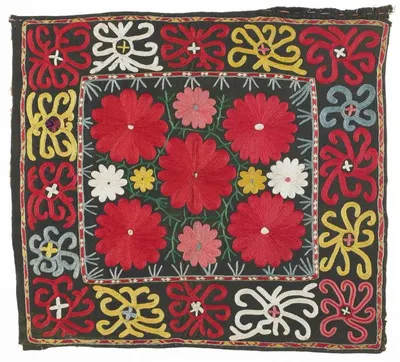
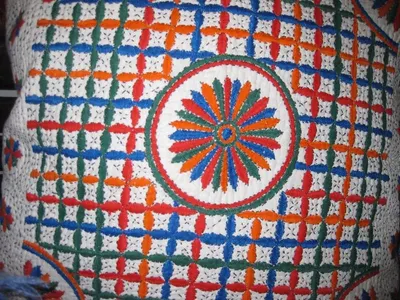
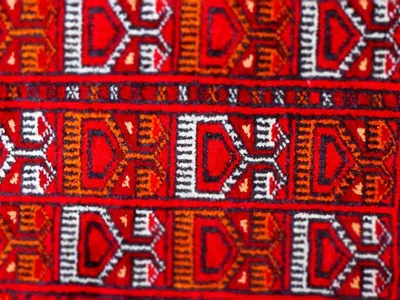
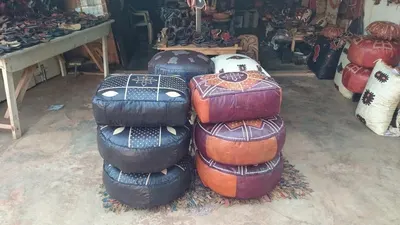
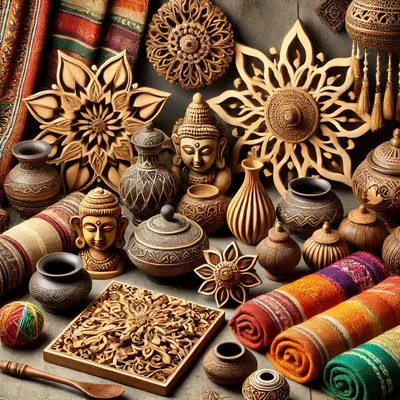
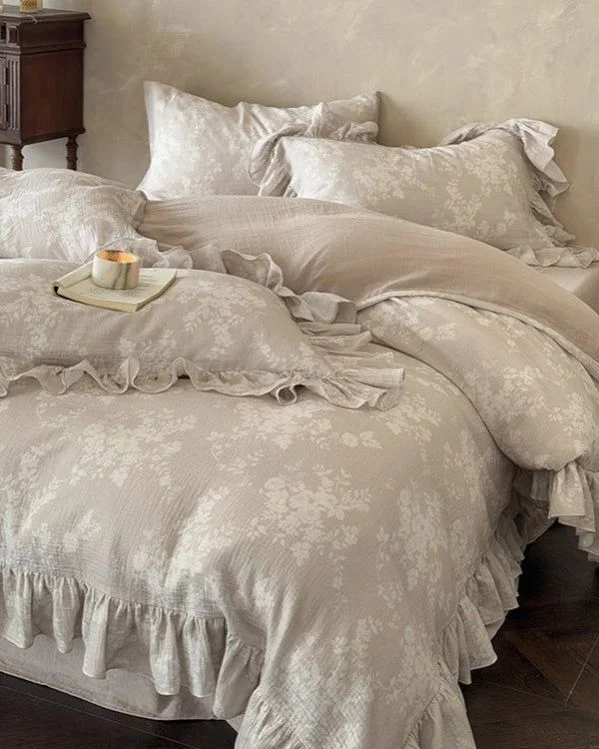
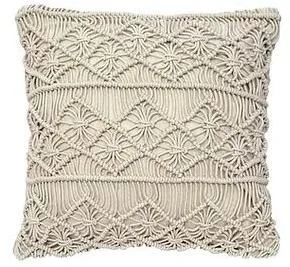
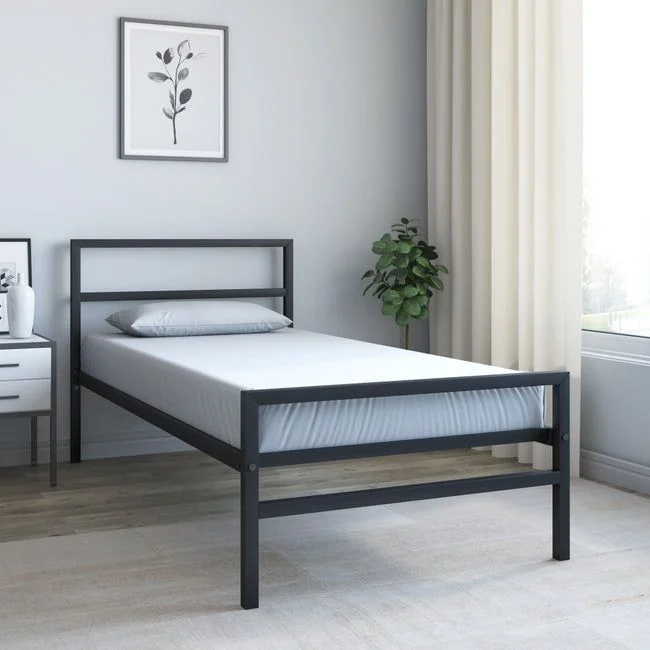
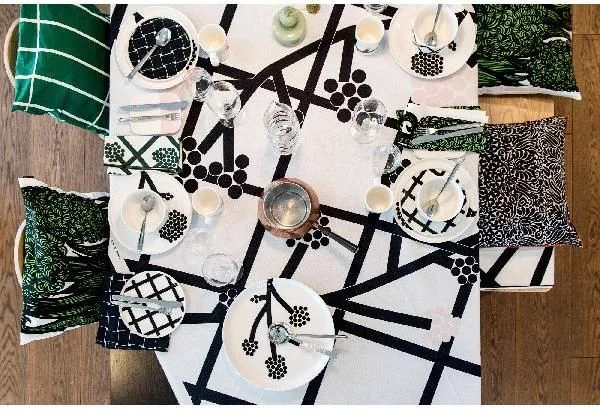
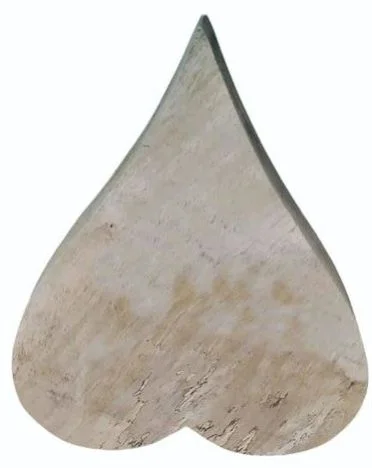
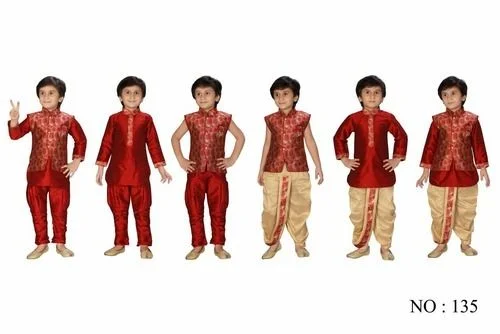
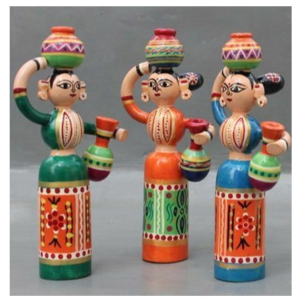
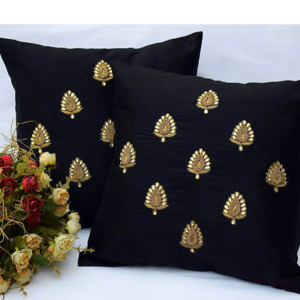
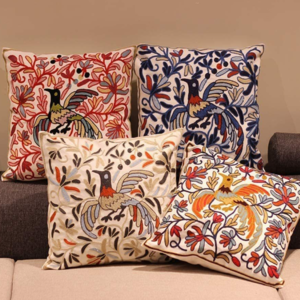
The listed items include a handmade clay fountain, a clay home decorative set, a Banjara patchwork wall hanging, multiple cushion‑cover designs, a round Banjara pouf cover, a wood‑frame patch‑work foot stool, a table runner set, a 100 % cotton Khambadiya bedsheet (HS 6302.21) and a cotton‑polyester single bed diwan cover set (HS 9404.90). Materials are identified for the two coded products, while the remaining pieces are described by technique (hand‑made, embroidery, patchwork) and typical raw inputs such as terracotta, cotton, polyester and wood. The mix of textile and décor items aligns with Indian artisanal production that often blends natural fibres with synthetic blends for durability.

Product Range and Specialties of P.j. Exporter

The catalogue covers three textile‑focused products: a cotton bedsheet (6302.21) and a cotton‑polyester diwan cover set (9404.90) plus assorted cushion‑covers and table linens. In the Indian textile market, 100 % cotton bed linens are commonly graded by thread count (200‑300 TC) and colour fastness, while blended fabrics are evaluated for shrinkage and polyester content (typically 30‑40 %). Hand‑crafted clay décor items are usually fired to a minimum of 1100 °C to achieve structural integrity, and wood‑frame pieces are often sourced from sustainably managed forests. Buyers of these categories frequently request Oeko‑Tex Standard 100 certificates for textiles and FSC or similar provenance documents for wooden components, even when the supplier does not list them explicitly.

The decorative range - hand‑made clay fountains, Banjara embroidered wall hangings and pouf covers - reflects traditional Indian craft techniques. Industry practice classifies such items under HS Chapter 69 (ceramic products) and Chapter 71 (natural stone and articles of stone) for the clay pieces, and under HS 6304 for embroidered household textiles. Typical quality checks include dimensional tolerances (±2 mm for cushions), surface finish grades, and colour consistency across batches.

Trade and Export Information - P.j. Exporter

India is a major exporter of handcrafted home décor and cotton textiles, with the European Union, United States and Gulf Cooperation Council states accounting for the largest share of shipments. HS 6302.21 bedsheets fall under the “Cotton‑woven fabrics, containing 85 % or more cotton” tariff line, while HS 9404.90 covers “Other furniture, parts thereof” and is subject to import licensing in some markets. Standard export documentation includes a commercial invoice, packing list, certificate of origin and, where required, an Oeko‑Tex or ISO 9001 compliance statement. Shipping is typically arranged in 20‑ft or 40‑ft containers with the textiles packed in moisture‑proof poly‑bags inside double‑wall cartons, and the clay and wood items crated on pallets with protective cushioning. Incoterms such as FOB Mumbai or CIF Dubai are common for these product groups.

Regulatory expectations often mandate testing for formaldehyde release on textile finishes, and for lead or cadmium limits on ceramic glazes under EU REACH. Importers frequently ask for a third‑party lab report confirming compliance with ISO 105‑B02 (colour fastness to washing) and ISO 9073‑2 (seam strength) for bed linens, and with ASTM C373 for compressive strength of clay items.

Sourcing from P.j. Exporter - Buyer Guidance

When evaluating P.j. Exporter, buyers should request material certificates confirming 100 % cotton for the Khambadiya bedsheet and the exact polyester ratio for the diwan cover set. Sample requests should specify thread count, colour shade and any embroidery stitch density, as these parameters affect both price and suitability for end‑use. Verification of compliance with Oeko‑Tex Standard 100 or ISO 9001 is advisable, especially for large orders destined for regulated markets. Buyers typically set minimum order quantities of 200 pcs for cushion‑covers, 500 m for bedsheet fabric and 50 units for larger décor items, with lead times ranging from 30 to 45 days after sample approval.

Before placing a full order, purchasers should review the supplier’s packing plan (e.g., 25 kg cartons for textiles, wooden crates for clay) and confirm the HS codes used for customs clearance. Requesting a pre‑shipment inspection report from a recognized agency (such as SGS or Bureau Veritas) can help validate product dimensions, material composition and finish quality, reducing the risk of non‑conformity at destination.

Frequently Asked Questions About P.j. Exporter

What product categories does P.j. Exporter list?

The supplier lists handmade clay décor, Banjara embroidered wall hangings, cushion‑covers, a table runner set, a 100 % cotton Khambadiya bedsheet (HS 6302.21) and a cotton‑polyester diwan cover set (HS 9404.90).

Which HS codes are associated with the textile items?

The cotton bedsheet is classified under HS 6302.21 and the cotton‑polyester diwan cover set under HS 9404.90. Other decorative items fall under the relevant chapters for ceramics (69) or wood articles (71).

What material information is provided for the listed products?

The bedsheet is 100 % cotton, the diwan cover set is a cotton‑polyester blend, and the remaining items are described by craft technique (hand‑made clay, embroidery, patchwork) without specific material percentages.

What certifications are typically required for these goods?

Buyers usually request Oeko‑Tex Standard 100 for textiles, ISO 9001 for manufacturing processes, and, where wood is involved, FSC or similar forest‑management certificates. Export documentation also includes a certificate of origin.

What are typical minimum order quantities and lead times?

Typical MOQs are around 200 pieces for cushion‑covers, 500 metres of bedsheet fabric and 50 units for larger décor items. Lead times are generally 30‑45 days after sample acceptance.

How are the products packaged for international shipment?

Textiles are packed in moisture‑proof poly‑bags placed inside double‑wall cartons, while clay and wood items are crated on pallets with protective cushioning. Standard container sizes are 20‑ft or 40‑ft.

What quality tests should a buyer request?

For textiles, buyers often ask for thread count verification, colour‑fastness (ISO 105‑B02) and seam strength (ISO 9073‑2). For clay décor, compressive strength (ASTM C373) and lead‑free glaze compliance are common checks.

Which markets commonly import these Indian handicraft and textile products?

The European Union, United States and Gulf Cooperation Council countries are the main import destinations for Indian home‑decor and cotton textile exports.


Featured Products from this Supplier

Other Suppliers in Primary Category

Top Trusted Suppliers

Related Products

Trending in Parent Category

More Suppliers in Category

Related Products

Other Suppliers

EximNext
7.1K+ live requirements
Register Free🎁 Reach global buyers
Post Requirement
🌍 Trusted by 225K+ businesses in 200+ countries|
7.1K+ active requirements right now
✉️ [email protected]
|
Sell on EximNextPost Requirement
EximNext
AgricultureApparelConstructionElectronicFoodHomeIndustrialMineralsMiscellaneous
🔥 Deals|✨ AI Match|🏭 Suppliers|📋 Buy Leads|💰 Trade Finance
7.1K+ live RFQs·194.8K+ suppliers
🎁 Reach global buyers →
EximNext
EximNext
Register Free
🎁 Reach global buyers
Sign In
📋Post Requirement💬Get Quotes✨AI Match📋RFQ Marketplace
All Categories
Services & Tools
🏭Supplier Directory🔥Today's Deals💰Trade Finance
Sell on EximNext →
AboutContactBlogHelp
Apparel & Home  ·  India
10
products listed

P.j. Exporter

⚓ Harbor
Country flag , IndiaNew supplier / no reviews yet
🛡️
55/100
Trust Score

P.j. Exporter Product Catalog

Showing 10 of 10 products
View all products →
Banjara Patchwork Handmade Wall Hanging
⚓ Harbor
Banjara Patchwork Handmade Wall Hanging
Contact
MOQ: 1 Unit
Cushion Covers
⚓ Harbor
Cushion Covers
Contact
MOQ: 1 Unit
Banjara Handmade Embroidery Cushion Covers
⚓ Harbor
Banjara Handmade Embroidery Cushion Covers
Contact
MOQ: 1 Unit
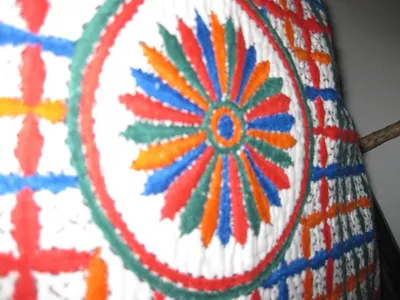
Round Banjara Pouf Cover  ( Mudda)
⚓ Harbor
Round Banjara Pouf Cover ( Mudda)
Contact
MOQ: 1 Unit
Handmade Banjara Embroidery Patch Work Foot Wood
⚓ Harbor
Handmade Banjara Embroidery Patch Work Foot Wood
Contact
MOQ: 1 Unit
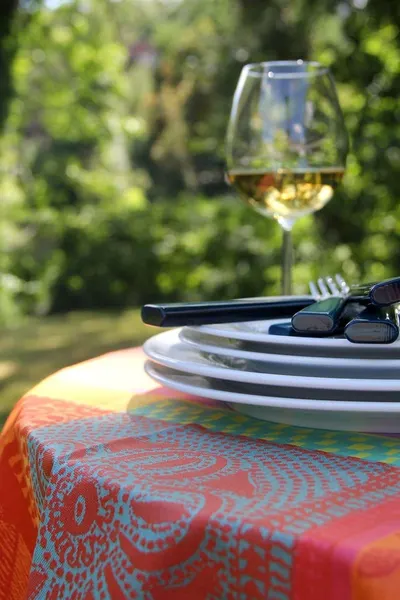
Table Runner Set
⚓ Harbor
Table Runner Set
Contact
MOQ: 1 Unit
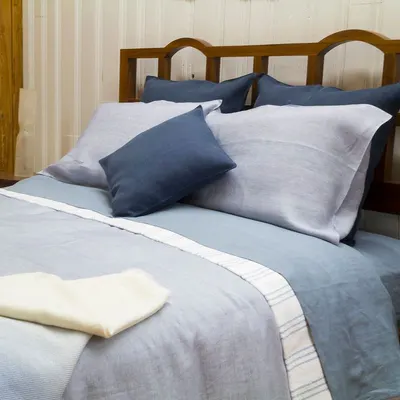
Khambadiya Bedsheet
⚓ Harbor
Khambadiya Bedsheet
Contact
MOQ: 1 Unit
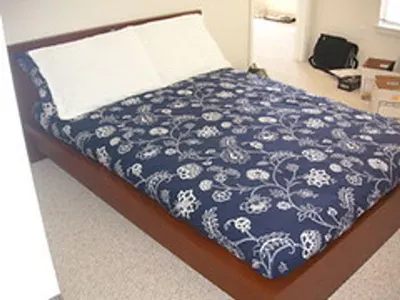
Single Bed Diwan Cover Set
⚓ Harbor
Single Bed Diwan Cover Set
Contact
MOQ: 1 Unit
Handmade clay fountain
⚓ Harbor
Handmade clay fountain
Contact
MOQ: 1 Unit
Handmade Clay Home Decorative Products
⚓ Harbor
Handmade Clay Home Decorative Products
Contact
MOQ: 1 Unit

About P.j. Exporter - Bed Linens, Bed Sheets Supplier in India

India‑based P.j. Exporter lists ten active products across the categories Gifts & Decorative, Bed Linens, Handicrafts, Wall Finishes, Cushion Covers, Rugs, Furniture and Table Linen. The catalogue combines handmade clay décor, embroidered textile items and a cotton bedsheet (HS 6302.21) together with a cotton‑polyester blend diwan cover set (HS 9404.90). Each entry reflects a distinct material class, from 100 % cotton fabric to mixed‑fiber upholstery, and the HS codes place the goods in Chapter 63 for textile articles and Chapter 94 for furniture accessories. The supplier’s product count and the explicit HS‑code assignments give buyers a clear reference for customs classification and tariff assessment.

The listed items include a handmade clay fountain, a clay home decorative set, a Banjara patchwork wall hanging, multiple cushion‑cover designs, a round Banjara pouf cover, a wood‑frame patch‑work foot stool, a table runner set, a 100 % cotton Khambadiya bedsheet (HS 6302.21) and a cotton‑polyester single bed diwan cover set (HS 9404.90). Materials are identified for the two coded products, while the remaining pieces are described by technique (hand‑made, embroidery, patchwork) and typical raw inputs such as terracotta, cotton, polyester and wood. The mix of textile and décor items aligns with Indian artisanal production that often blends natural fibres with synthetic blends for durability.

Product Range and Specialties of P.j. Exporter

The catalogue covers three textile‑focused products: a cotton bedsheet (6302.21) and a cotton‑polyester diwan cover set (9404.90) plus assorted cushion‑covers and table linens. In the Indian textile market, 100 % cotton bed linens are commonly graded by thread count (200‑300 TC) and colour fastness, while blended fabrics are evaluated for shrinkage and polyester content (typically 30‑40 %). Hand‑crafted clay décor items are usually fired to a minimum of 1100 °C to achieve structural integrity, and wood‑frame pieces are often sourced from sustainably managed forests. Buyers of these categories frequently request Oeko‑Tex Standard 100 certificates for textiles and FSC or similar provenance documents for wooden components, even when the supplier does not list them explicitly.

The decorative range - hand‑made clay fountains, Banjara embroidered wall hangings and pouf covers - reflects traditional Indian craft techniques. Industry practice classifies such items under HS Chapter 69 (ceramic products) and Chapter 71 (natural stone and articles of stone) for the clay pieces, and under HS 6304 for embroidered household textiles. Typical quality checks include dimensional tolerances (±2 mm for cushions), surface finish grades, and colour consistency across batches.

Trade and Export Information - P.j. Exporter

India is a major exporter of handcrafted home décor and cotton textiles, with the European Union, United States and Gulf Cooperation Council states accounting for the largest share of shipments. HS 6302.21 bedsheets fall under the “Cotton‑woven fabrics, containing 85 % or more cotton” tariff line, while HS 9404.90 covers “Other furniture, parts thereof” and is subject to import licensing in some markets. Standard export documentation includes a commercial invoice, packing list, certificate of origin and, where required, an Oeko‑Tex or ISO 9001 compliance statement. Shipping is typically arranged in 20‑ft or 40‑ft containers with the textiles packed in moisture‑proof poly‑bags inside double‑wall cartons, and the clay and wood items crated on pallets with protective cushioning. Incoterms such as FOB Mumbai or CIF Dubai are common for these product groups.

Regulatory expectations often mandate testing for formaldehyde release on textile finishes, and for lead or cadmium limits on ceramic glazes under EU REACH. Importers frequently ask for a third‑party lab report confirming compliance with ISO 105‑B02 (colour fastness to washing) and ISO 9073‑2 (seam strength) for bed linens, and with ASTM C373 for compressive strength of clay items.

Sourcing from P.j. Exporter - Buyer Guidance

When evaluating P.j. Exporter, buyers should request material certificates confirming 100 % cotton for the Khambadiya bedsheet and the exact polyester ratio for the diwan cover set. Sample requests should specify thread count, colour shade and any embroidery stitch density, as these parameters affect both price and suitability for end‑use. Verification of compliance with Oeko‑Tex Standard 100 or ISO 9001 is advisable, especially for large orders destined for regulated markets. Buyers typically set minimum order quantities of 200 pcs for cushion‑covers, 500 m for bedsheet fabric and 50 units for larger décor items, with lead times ranging from 30 to 45 days after sample approval.

Before placing a full order, purchasers should review the supplier’s packing plan (e.g., 25 kg cartons for textiles, wooden crates for clay) and confirm the HS codes used for customs clearance. Requesting a pre‑shipment inspection report from a recognized agency (such as SGS or Bureau Veritas) can help validate product dimensions, material composition and finish quality, reducing the risk of non‑conformity at destination.

Frequently Asked Questions About P.j. Exporter

What product categories does P.j. Exporter list?

The supplier lists handmade clay décor, Banjara embroidered wall hangings, cushion‑covers, a table runner set, a 100 % cotton Khambadiya bedsheet (HS 6302.21) and a cotton‑polyester diwan cover set (HS 9404.90).

Which HS codes are associated with the textile items?

The cotton bedsheet is classified under HS 6302.21 and the cotton‑polyester diwan cover set under HS 9404.90. Other decorative items fall under the relevant chapters for ceramics (69) or wood articles (71).

What material information is provided for the listed products?

The bedsheet is 100 % cotton, the diwan cover set is a cotton‑polyester blend, and the remaining items are described by craft technique (hand‑made clay, embroidery, patchwork) without specific material percentages.

What certifications are typically required for these goods?

Buyers usually request Oeko‑Tex Standard 100 for textiles, ISO 9001 for manufacturing processes, and, where wood is involved, FSC or similar forest‑management certificates. Export documentation also includes a certificate of origin.

What are typical minimum order quantities and lead times?

Typical MOQs are around 200 pieces for cushion‑covers, 500 metres of bedsheet fabric and 50 units for larger décor items. Lead times are generally 30‑45 days after sample acceptance.

How are the products packaged for international shipment?

Textiles are packed in moisture‑proof poly‑bags placed inside double‑wall cartons, while clay and wood items are crated on pallets with protective cushioning. Standard container sizes are 20‑ft or 40‑ft.

What quality tests should a buyer request?

For textiles, buyers often ask for thread count verification, colour‑fastness (ISO 105‑B02) and seam strength (ISO 9073‑2). For clay décor, compressive strength (ASTM C373) and lead‑free glaze compliance are common checks.

Which markets commonly import these Indian handicraft and textile products?

The European Union, United States and Gulf Cooperation Council countries are the main import destinations for Indian home‑decor and cotton textile exports.

About P.j. Exporter - Bed Linens, Bed Sheets Supplier in India

India‑based P.j. Exporter lists ten active products across the categories Gifts & Decorative, Bed Linens, Handicrafts, Wall Finishes, Cushion Covers, Rugs, Furniture and Table Linen. The catalogue combines handmade clay décor, embroidered textile items and a cotton bedsheet (HS 6302.21) together with a cotton‑polyester blend diwan cover set (HS 9404.90). Each entry reflects a distinct material class, from 100 % cotton fabric to mixed‑fiber upholstery, and the HS codes place the goods in Chapter 63 for textile articles and Chapter 94 for furniture accessories. The supplier’s product count and the explicit HS‑code assignments give buyers a clear reference for customs classification and tariff assessment.

The listed items include a handmade clay fountain, a clay home decorative set, a Banjara patchwork wall hanging, multiple cushion‑cover designs, a round Banjara pouf cover, a wood‑frame patch‑work foot stool, a table runner set, a 100 % cotton Khambadiya bedsheet (HS 6302.21) and a cotton‑polyester single bed diwan cover set (HS 9404.90). Materials are identified for the two coded products, while the remaining pieces are described by technique (hand‑made, embroidery, patchwork) and typical raw inputs such as terracotta, cotton, polyester and wood. The mix of textile and décor items aligns with Indian artisanal production that often blends natural fibres with synthetic blends for durability.

Product Range and Specialties of P.j. Exporter

The catalogue covers three textile‑focused products: a cotton bedsheet (6302.21) and a cotton‑polyester diwan cover set (9404.90) plus assorted cushion‑covers and table linens. In the Indian textile market, 100 % cotton bed linens are commonly graded by thread count (200‑300 TC) and colour fastness, while blended fabrics are evaluated for shrinkage and polyester content (typically 30‑40 %). Hand‑crafted clay décor items are usually fired to a minimum of 1100 °C to achieve structural integrity, and wood‑frame pieces are often sourced from sustainably managed forests. Buyers of these categories frequently request Oeko‑Tex Standard 100 certificates for textiles and FSC or similar provenance documents for wooden components, even when the supplier does not list them explicitly.

The decorative range - hand‑made clay fountains, Banjara embroidered wall hangings and pouf covers - reflects traditional Indian craft techniques. Industry practice classifies such items under HS Chapter 69 (ceramic products) and Chapter 71 (natural stone and articles of stone) for the clay pieces, and under HS 6304 for embroidered household textiles. Typical quality checks include dimensional tolerances (±2 mm for cushions), surface finish grades, and colour consistency across batches.

Trade and Export Information - P.j. Exporter

India is a major exporter of handcrafted home décor and cotton textiles, with the European Union, United States and Gulf Cooperation Council states accounting for the largest share of shipments. HS 6302.21 bedsheets fall under the “Cotton‑woven fabrics, containing 85 % or more cotton” tariff line, while HS 9404.90 covers “Other furniture, parts thereof” and is subject to import licensing in some markets. Standard export documentation includes a commercial invoice, packing list, certificate of origin and, where required, an Oeko‑Tex or ISO 9001 compliance statement. Shipping is typically arranged in 20‑ft or 40‑ft containers with the textiles packed in moisture‑proof poly‑bags inside double‑wall cartons, and the clay and wood items crated on pallets with protective cushioning. Incoterms such as FOB Mumbai or CIF Dubai are common for these product groups.

Regulatory expectations often mandate testing for formaldehyde release on textile finishes, and for lead or cadmium limits on ceramic glazes under EU REACH. Importers frequently ask for a third‑party lab report confirming compliance with ISO 105‑B02 (colour fastness to washing) and ISO 9073‑2 (seam strength) for bed linens, and with ASTM C373 for compressive strength of clay items.

Sourcing from P.j. Exporter - Buyer Guidance

When evaluating P.j. Exporter, buyers should request material certificates confirming 100 % cotton for the Khambadiya bedsheet and the exact polyester ratio for the diwan cover set. Sample requests should specify thread count, colour shade and any embroidery stitch density, as these parameters affect both price and suitability for end‑use. Verification of compliance with Oeko‑Tex Standard 100 or ISO 9001 is advisable, especially for large orders destined for regulated markets. Buyers typically set minimum order quantities of 200 pcs for cushion‑covers, 500 m for bedsheet fabric and 50 units for larger décor items, with lead times ranging from 30 to 45 days after sample approval.

Before placing a full order, purchasers should review the supplier’s packing plan (e.g., 25 kg cartons for textiles, wooden crates for clay) and confirm the HS codes used for customs clearance. Requesting a pre‑shipment inspection report from a recognized agency (such as SGS or Bureau Veritas) can help validate product dimensions, material composition and finish quality, reducing the risk of non‑conformity at destination.

Frequently Asked Questions About P.j. Exporter
What product categories does P.j. Exporter list?
The supplier lists handmade clay décor, Banjara embroidered wall hangings, cushion‑covers, a table runner set, a 100 % cotton Khambadiya bedsheet (HS 6302.21) and a cotton‑polyester diwan cover set (HS 9404.90).
Which HS codes are associated with the textile items?
The cotton bedsheet is classified under HS 6302.21 and the cotton‑polyester diwan cover set under HS 9404.90. Other decorative items fall under the relevant chapters for ceramics (69) or wood articles (71).
What material information is provided for the listed products?
The bedsheet is 100 % cotton, the diwan cover set is a cotton‑polyester blend, and the remaining items are described by craft technique (hand‑made clay, embroidery, patchwork) without specific material percentages.
What certifications are typically required for these goods?
Buyers usually request Oeko‑Tex Standard 100 for textiles, ISO 9001 for manufacturing processes, and, where wood is involved, FSC or similar forest‑management certificates. Export documentation also includes a certificate of origin.
What are typical minimum order quantities and lead times?
Typical MOQs are around 200 pieces for cushion‑covers, 500 metres of bedsheet fabric and 50 units for larger décor items. Lead times are generally 30‑45 days after sample acceptance.
How are the products packaged for international shipment?
Textiles are packed in moisture‑proof poly‑bags placed inside double‑wall cartons, while clay and wood items are crated on pallets with protective cushioning. Standard container sizes are 20‑ft or 40‑ft.
What quality tests should a buyer request?
For textiles, buyers often ask for thread count verification, colour‑fastness (ISO 105‑B02) and seam strength (ISO 9073‑2). For clay décor, compressive strength (ASTM C373) and lead‑free glaze compliance are common checks.
Which markets commonly import these Indian handicraft and textile products?
The European Union, United States and Gulf Cooperation Council countries are the main import destinations for Indian home‑decor and cotton textile exports.

P.j. Exporter
Country flag India
⚓ HarborApparel & Home
55/100
Trust Score
10
Products
✓ Free to contact — no commission
✓ Escrow payment available
✓ Verified business identity
Compare more suppliers
Post a requirement — get 10 quotes free
Let verified suppliers compete for your business. Free, fast, no commitment.
Due Diligence
Verify this supplier's real shipping history.
Every shipment, every buyer, every port. Trade data that can't be faked.
Run due diligence →
Discover More

Related Suppliers & Products

Explore similar suppliers, related products and trending categories

Featured Products from this Supplier

Other Suppliers in Primary Category

Top Trusted Suppliers

Related Products

Trending in Parent Category

More Suppliers in Category

Stay ahead in global trade
Weekly market insights & new supplier alerts.
EximNext
Exim Next is a leading global B2B marketplace, connecting over 220,000 registered suppliers and buyers across 200+ countries. As a trusted import export marketplace, it serves as the essential B2B portal for businesses worldwide, empowering them to expand their international reach. With Exim Next, businesses can trade smarter and grow faster.
SECURE PAYMENTS
VISAMastercardPayPalSWIFTL/CEscrow
Follow us
© 2026 EximNext