Saj Foods Private Limited — Verified Supplier

About Saj Foods Private Limited - Food Products Supplier in India

India, the supplier’s country of origin, lists 14 active products across food and confectionery categories. Saj Foods Private Limited’s catalogue includes Food Products, Cookies, Bakery Products, Biscuits, Health Food, Mint, and Chocolate & Confectionery. The product list contains items such as Biscuits (HS 1905.30) and Cookies (HS 1905.31) that fall under the HS chapter 19 for prepared foodstuffs. The supplier’s entries also reference specific material compositions, for example wheat flour, sugar and vegetable oil in the biscuit line. The catalogue spans both sweet and savory snack formats, reflecting a broad segment of the Indian bakery market.

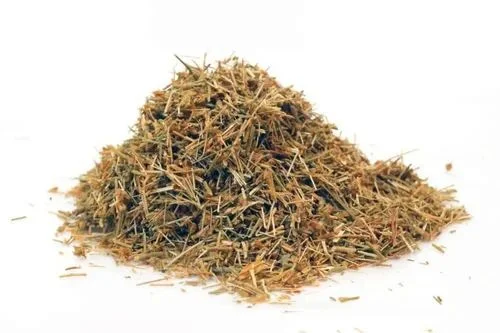
The detailed entries show Biscuits, Glucose Biscuits, Herbs, Chocolates, Jumbo Vanilla, Food Products, Cookies, BOURBON, English Cracker‑ Cream, JAMMY, Royal Cookies Chocolate, Cashew and Coconut variants, and generic snacks. The Biscuits entry specifies wheat flour, sugar, coconut flavouring, vegetable oil and leavening agents, while the Cookies entry lists wheat flour, sugar, vegetable oil, ginger spice and natural flavouring. English Cracker‑ Cream is recorded with refined wheat flour, butter, vegetable oil, sugar and milk powder, all under HS 1905.31. Several items such as Glucose Biscuits and Herbs are listed without HS codes, indicating they may be classified under related sub‑headings of chapter 19. The range therefore covers baked, filled and flavored snack products typical of Indian confectionery output.

Product Range and Specialties of Saj Foods Private Limited

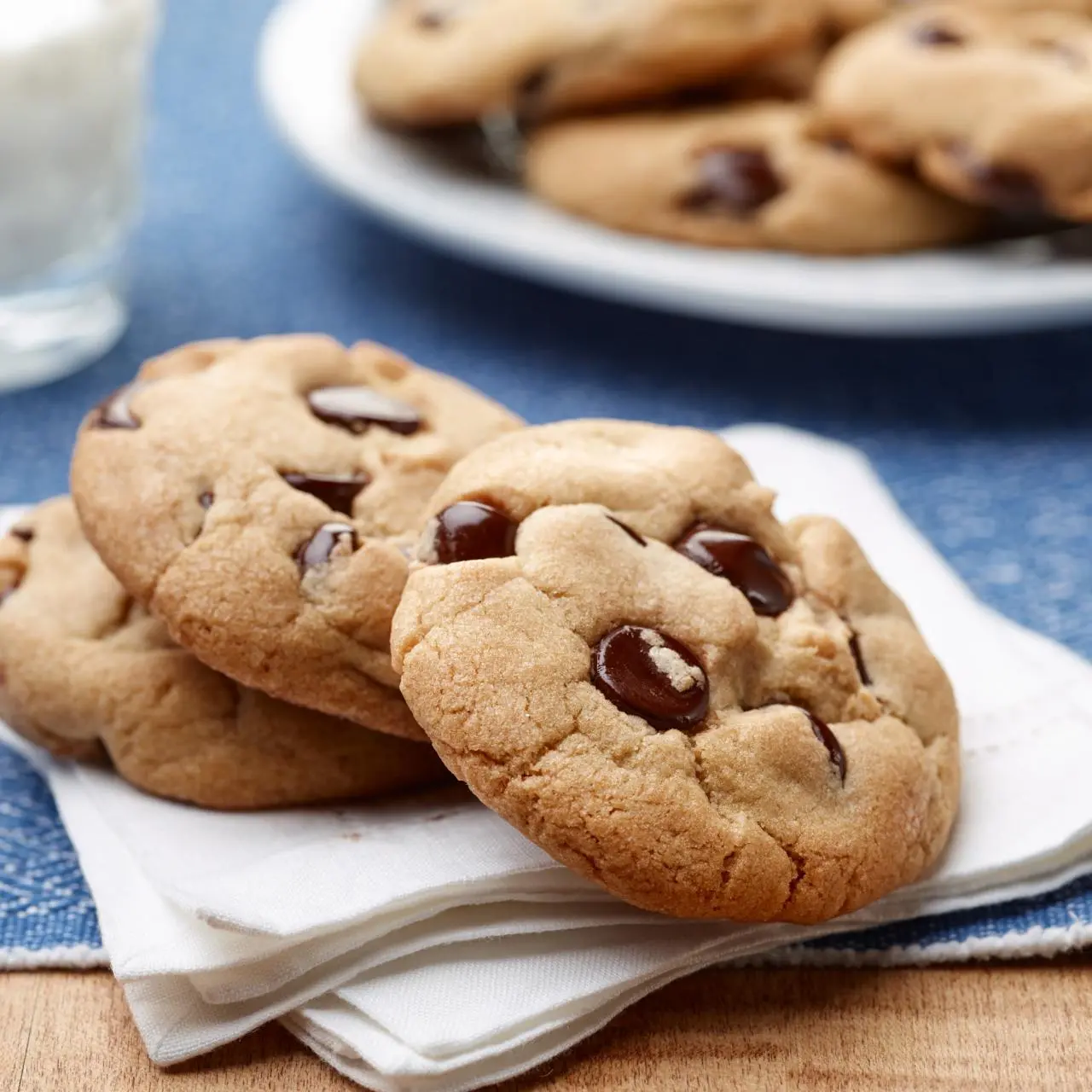
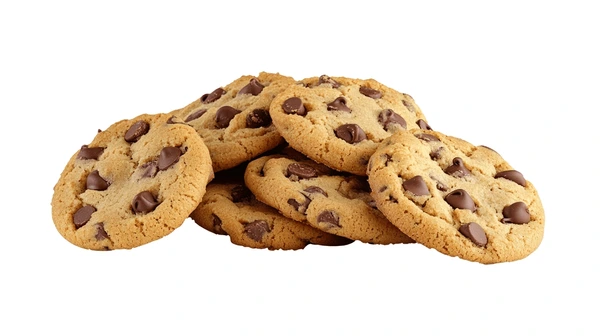
Saj Foods’ biscuit line aligns with standard Indian bakery specifications, where moisture content is usually limited to 5 % and fat content ranges from 10 - 15 % for crisp textures. Common biscuit grades include plain, cream‑filled and flavored variants, with ingredient tolerances defined by the Food Safety and Standards Authority of India (FSSAI). The cookie products fall under HS 1905.31 and are typically produced in sizes from 30 mm to 70 mm diameter, with sugar levels between 20 - 30 % and optional spice additions such as ginger. Confectionery items like chocolates and Royal Cookies are generally formulated to meet ISO 22000 food safety standards and may carry BRC or HACCP certifications when exported. Health‑food and mint products often require verification of natural ingredient claims and may be subject to organic certification if marketed as such.

Trade and Export Information - Saj Foods Private Limited

India ranks among the top global exporters of bakery and confectionery items, shipping products classified under HS 1905.30 and 1905.31 to markets in the Middle East, East Africa, the European Union and North America. Export shipments are commonly packed in food‑grade cartons or multi‑layer laminated films, with a 20‑ft container accommodating roughly 10 000 to 12 000 biscuit packs depending on pack dimensions. Buyers typically request documentation such as a FSSAI licence, ISO 22000 or HACCP audit reports, and a Certificate of Origin to satisfy customs clearance.

Regulatory requirements for Indian bakery exports include compliance with the importing country’s food safety standards, which may involve testing for microbiological limits, pesticide residues and heavy metals. For herb‑derived products, a phytosanitary certificate is often mandatory. Standard Incoterms used by Indian food exporters are FOB Mumbai or CIF Dubai, reflecting the major seaport hubs used for these commodities.

Sourcing from Saj Foods Private Limited - Buyer Guidance

Prospective buyers should request a full specification sheet that lists ingredient ratios, moisture and fat percentages, shelf‑life expectancy and any allergen declarations. Sample requests are usually fulfilled in sealed, tamper‑evident packaging, and laboratories may be asked to perform microbial, aflatoxin and heavy‑metal testing to verify compliance with FSSAI and international standards.

Typical minimum order quantities for baked snacks range from 500 kg to 1 ton, with lead times of 30‑45 days after order confirmation and receipt of a signed purchase order. Buyers are advised to confirm the exporter’s current certifications (e.g., ISO 22000, HACCP) and to obtain a recent third‑party audit report before finalizing large shipments.

Frequently Asked Questions About Saj Foods Private Limited

What HS codes are used for Saj Foods’ biscuits and cookies?

Biscuits are listed under HS code 1905.30, while Cookies and the English Cracker‑ Cream fall under HS code 1905.31, both within chapter 19 for prepared foodstuffs.

Which certifications should a buyer verify for these bakery products?

Buyers should request the supplier’s FSSAI licence and any food‑safety certifications such as ISO 22000, HACCP or BRC that are commonly required for Indian bakery exports.

What are the typical packaging formats for the biscuit and cookie lines?

Products are usually packed in food‑grade corrugated cartons or sealed laminated pouches, sized to fit standard 20‑ft containers that can hold roughly 10 000 to 12 000 packs.

What is the usual minimum order quantity and lead time?

Minimum order quantities typically start at 500 kg per SKU, and lead times are around 30‑45 days from order confirmation, depending on production scheduling.

How can a buyer request a product sample?

A buyer can request a sealed sample by providing product name, desired size and shipping address; the supplier generally ships samples in tamper‑evident packaging under agreed Incoterms.

What quality tests are commonly required for imported biscuits from India?

Importers often require microbiological testing for total plate count and pathogens, moisture analysis, pesticide residue screening, and heavy‑metal analysis to meet international food‑safety standards.

Which regions are the main import destinations for Indian bakery goods?

Key destination regions include the Middle East, East Africa, the European Union and North America, where demand for ready‑to‑eat snacks and confectionery is strong.

Are phytosanitary certificates needed for the herb products?

Yes, for herbal items a phytosanitary certificate is generally required by importing countries to confirm the product is free from pests and conforms to plant‑health regulations.


Featured Products from this Supplier

Other Suppliers in Primary Category

Top Trusted Suppliers

Related Products

Trending in Parent Category

More Suppliers in Category

Related Products

Other Suppliers

EximNext
58.5K+ live requirements
Register Free🎁 Reach verified global buyers
Post Requirement
🌍 Trusted by 224.7K+ businesses in 200+ countries|
58.5K+ active requirements right now
✉️ [email protected]
|
Sell on EximNextPost Requirement
EximNext
AgricultureApparelConstructionElectronicFoodHomeIndustrialMineralsMiscellaneous
🔥 Deals|✨ AI Match|🏭 Suppliers|📋 Buy Leads|💰 Trade Finance
58.5K+ live RFQs·194.6K+ suppliers
🎁 Reach global buyers →
EximNext
EximNext
Register Free
🎁 Reach verified global buyers
Sign In
📋Post Requirement💬Get QuotesAI Match📋RFQ Marketplace
All Categories
Services & Tools
🏭Supplier Directory🔥Today's Deals💰Trade Finance
Sell on EximNext
AboutContactBlogHelp
🏭

Saj Foods Private Limited

Harbor
Country flag , India
🛡️
55/100
Trust Score

Saj Foods Private Limited Product Catalog

Showing 12 of 14 products
View all products →
Royal Cookies Chocolate
Harbor
Royal Cookies Chocolate
Contact
MOQ: 1 Unit
Royal Cookies Cashew
Harbor
Royal Cookies Cashew
Contact
MOQ: 1 Unit
Royal Cookies Coconut
Harbor
Royal Cookies Coconut
Contact
MOQ: 1 Unit
snacks
Harbor
snacks
Contact
MOQ: 1 Unit
Biscuits
Harbor
Biscuits
Contact
MOQ: 1 Unit
Glucose Biscuits
Harbor
Glucose Biscuits
Contact
MOQ: 1 Unit
Herbs
Harbor
Herbs
Contact
MOQ: 1 Unit
Chocolates
Harbor
Chocolates
Contact
MOQ: 1 Unit
Jumbo Vanilla
Harbor
Jumbo Vanilla
Contact
MOQ: 1 Unit
Food Products
Harbor
Food Products
Contact
MOQ: 1 Unit
Cookies
Harbor
Cookies
Contact
MOQ: 1 Unit
BOURBON
Harbor
BOURBON
Contact
MOQ: 1 Unit

About Saj Foods Private Limited - Food Products Supplier in India

India, the supplier’s country of origin, lists 14 active products across food and confectionery categories. Saj Foods Private Limited’s catalogue includes Food Products, Cookies, Bakery Products, Biscuits, Health Food, Mint, and Chocolate & Confectionery. The product list contains items such as Biscuits (HS 1905.30) and Cookies (HS 1905.31) that fall under the HS chapter 19 for prepared foodstuffs. The supplier’s entries also reference specific material compositions, for example wheat flour, sugar and vegetable oil in the biscuit line. The catalogue spans both sweet and savory snack formats, reflecting a broad segment of the Indian bakery market.

The detailed entries show Biscuits, Glucose Biscuits, Herbs, Chocolates, Jumbo Vanilla, Food Products, Cookies, BOURBON, English Cracker‑ Cream, JAMMY, Royal Cookies Chocolate, Cashew and Coconut variants, and generic snacks. The Biscuits entry specifies wheat flour, sugar, coconut flavouring, vegetable oil and leavening agents, while the Cookies entry lists wheat flour, sugar, vegetable oil, ginger spice and natural flavouring. English Cracker‑ Cream is recorded with refined wheat flour, butter, vegetable oil, sugar and milk powder, all under HS 1905.31. Several items such as Glucose Biscuits and Herbs are listed without HS codes, indicating they may be classified under related sub‑headings of chapter 19. The range therefore covers baked, filled and flavored snack products typical of Indian confectionery output.

Product Range and Specialties of Saj Foods Private Limited

Saj Foods’ biscuit line aligns with standard Indian bakery specifications, where moisture content is usually limited to 5 % and fat content ranges from 10 - 15 % for crisp textures. Common biscuit grades include plain, cream‑filled and flavored variants, with ingredient tolerances defined by the Food Safety and Standards Authority of India (FSSAI). The cookie products fall under HS 1905.31 and are typically produced in sizes from 30 mm to 70 mm diameter, with sugar levels between 20 - 30 % and optional spice additions such as ginger. Confectionery items like chocolates and Royal Cookies are generally formulated to meet ISO 22000 food safety standards and may carry BRC or HACCP certifications when exported. Health‑food and mint products often require verification of natural ingredient claims and may be subject to organic certification if marketed as such.

Trade and Export Information - Saj Foods Private Limited

India ranks among the top global exporters of bakery and confectionery items, shipping products classified under HS 1905.30 and 1905.31 to markets in the Middle East, East Africa, the European Union and North America. Export shipments are commonly packed in food‑grade cartons or multi‑layer laminated films, with a 20‑ft container accommodating roughly 10 000 to 12 000 biscuit packs depending on pack dimensions. Buyers typically request documentation such as a FSSAI licence, ISO 22000 or HACCP audit reports, and a Certificate of Origin to satisfy customs clearance.

Regulatory requirements for Indian bakery exports include compliance with the importing country’s food safety standards, which may involve testing for microbiological limits, pesticide residues and heavy metals. For herb‑derived products, a phytosanitary certificate is often mandatory. Standard Incoterms used by Indian food exporters are FOB Mumbai or CIF Dubai, reflecting the major seaport hubs used for these commodities.

Sourcing from Saj Foods Private Limited - Buyer Guidance

Prospective buyers should request a full specification sheet that lists ingredient ratios, moisture and fat percentages, shelf‑life expectancy and any allergen declarations. Sample requests are usually fulfilled in sealed, tamper‑evident packaging, and laboratories may be asked to perform microbial, aflatoxin and heavy‑metal testing to verify compliance with FSSAI and international standards.

Typical minimum order quantities for baked snacks range from 500 kg to 1 ton, with lead times of 30‑45 days after order confirmation and receipt of a signed purchase order. Buyers are advised to confirm the exporter’s current certifications (e.g., ISO 22000, HACCP) and to obtain a recent third‑party audit report before finalizing large shipments.

Frequently Asked Questions About Saj Foods Private Limited

What HS codes are used for Saj Foods’ biscuits and cookies?

Biscuits are listed under HS code 1905.30, while Cookies and the English Cracker‑ Cream fall under HS code 1905.31, both within chapter 19 for prepared foodstuffs.

Which certifications should a buyer verify for these bakery products?

Buyers should request the supplier’s FSSAI licence and any food‑safety certifications such as ISO 22000, HACCP or BRC that are commonly required for Indian bakery exports.

What are the typical packaging formats for the biscuit and cookie lines?

Products are usually packed in food‑grade corrugated cartons or sealed laminated pouches, sized to fit standard 20‑ft containers that can hold roughly 10 000 to 12 000 packs.

What is the usual minimum order quantity and lead time?

Minimum order quantities typically start at 500 kg per SKU, and lead times are around 30‑45 days from order confirmation, depending on production scheduling.

How can a buyer request a product sample?

A buyer can request a sealed sample by providing product name, desired size and shipping address; the supplier generally ships samples in tamper‑evident packaging under agreed Incoterms.

What quality tests are commonly required for imported biscuits from India?

Importers often require microbiological testing for total plate count and pathogens, moisture analysis, pesticide residue screening, and heavy‑metal analysis to meet international food‑safety standards.

Which regions are the main import destinations for Indian bakery goods?

Key destination regions include the Middle East, East Africa, the European Union and North America, where demand for ready‑to‑eat snacks and confectionery is strong.

Are phytosanitary certificates needed for the herb products?

Yes, for herbal items a phytosanitary certificate is generally required by importing countries to confirm the product is free from pests and conforms to plant‑health regulations.

About Saj Foods Private Limited - Food Products Supplier in India

India, the supplier’s country of origin, lists 14 active products across food and confectionery categories. Saj Foods Private Limited’s catalogue includes Food Products, Cookies, Bakery Products, Biscuits, Health Food, Mint, and Chocolate & Confectionery. The product list contains items such as Biscuits (HS 1905.30) and Cookies (HS 1905.31) that fall under the HS chapter 19 for prepared foodstuffs. The supplier’s entries also reference specific material compositions, for example wheat flour, sugar and vegetable oil in the biscuit line. The catalogue spans both sweet and savory snack formats, reflecting a broad segment of the Indian bakery market.

The detailed entries show Biscuits, Glucose Biscuits, Herbs, Chocolates, Jumbo Vanilla, Food Products, Cookies, BOURBON, English Cracker‑ Cream, JAMMY, Royal Cookies Chocolate, Cashew and Coconut variants, and generic snacks. The Biscuits entry specifies wheat flour, sugar, coconut flavouring, vegetable oil and leavening agents, while the Cookies entry lists wheat flour, sugar, vegetable oil, ginger spice and natural flavouring. English Cracker‑ Cream is recorded with refined wheat flour, butter, vegetable oil, sugar and milk powder, all under HS 1905.31. Several items such as Glucose Biscuits and Herbs are listed without HS codes, indicating they may be classified under related sub‑headings of chapter 19. The range therefore covers baked, filled and flavored snack products typical of Indian confectionery output.

Product Range and Specialties of Saj Foods Private Limited

Saj Foods’ biscuit line aligns with standard Indian bakery specifications, where moisture content is usually limited to 5 % and fat content ranges from 10 - 15 % for crisp textures. Common biscuit grades include plain, cream‑filled and flavored variants, with ingredient tolerances defined by the Food Safety and Standards Authority of India (FSSAI). The cookie products fall under HS 1905.31 and are typically produced in sizes from 30 mm to 70 mm diameter, with sugar levels between 20 - 30 % and optional spice additions such as ginger. Confectionery items like chocolates and Royal Cookies are generally formulated to meet ISO 22000 food safety standards and may carry BRC or HACCP certifications when exported. Health‑food and mint products often require verification of natural ingredient claims and may be subject to organic certification if marketed as such.

Trade and Export Information - Saj Foods Private Limited

India ranks among the top global exporters of bakery and confectionery items, shipping products classified under HS 1905.30 and 1905.31 to markets in the Middle East, East Africa, the European Union and North America. Export shipments are commonly packed in food‑grade cartons or multi‑layer laminated films, with a 20‑ft container accommodating roughly 10 000 to 12 000 biscuit packs depending on pack dimensions. Buyers typically request documentation such as a FSSAI licence, ISO 22000 or HACCP audit reports, and a Certificate of Origin to satisfy customs clearance.

Regulatory requirements for Indian bakery exports include compliance with the importing country’s food safety standards, which may involve testing for microbiological limits, pesticide residues and heavy metals. For herb‑derived products, a phytosanitary certificate is often mandatory. Standard Incoterms used by Indian food exporters are FOB Mumbai or CIF Dubai, reflecting the major seaport hubs used for these commodities.

Sourcing from Saj Foods Private Limited - Buyer Guidance

Prospective buyers should request a full specification sheet that lists ingredient ratios, moisture and fat percentages, shelf‑life expectancy and any allergen declarations. Sample requests are usually fulfilled in sealed, tamper‑evident packaging, and laboratories may be asked to perform microbial, aflatoxin and heavy‑metal testing to verify compliance with FSSAI and international standards.

Typical minimum order quantities for baked snacks range from 500 kg to 1 ton, with lead times of 30‑45 days after order confirmation and receipt of a signed purchase order. Buyers are advised to confirm the exporter’s current certifications (e.g., ISO 22000, HACCP) and to obtain a recent third‑party audit report before finalizing large shipments.

Frequently Asked Questions About Saj Foods Private Limited
What HS codes are used for Saj Foods’ biscuits and cookies?
Biscuits are listed under HS code 1905.30, while Cookies and the English Cracker‑ Cream fall under HS code 1905.31, both within chapter 19 for prepared foodstuffs.
Which certifications should a buyer verify for these bakery products?
Buyers should request the supplier’s FSSAI licence and any food‑safety certifications such as ISO 22000, HACCP or BRC that are commonly required for Indian bakery exports.
What are the typical packaging formats for the biscuit and cookie lines?
Products are usually packed in food‑grade corrugated cartons or sealed laminated pouches, sized to fit standard 20‑ft containers that can hold roughly 10 000 to 12 000 packs.
What is the usual minimum order quantity and lead time?
Minimum order quantities typically start at 500 kg per SKU, and lead times are around 30‑45 days from order confirmation, depending on production scheduling.
How can a buyer request a product sample?
A buyer can request a sealed sample by providing product name, desired size and shipping address; the supplier generally ships samples in tamper‑evident packaging under agreed Incoterms.
What quality tests are commonly required for imported biscuits from India?
Importers often require microbiological testing for total plate count and pathogens, moisture analysis, pesticide residue screening, and heavy‑metal analysis to meet international food‑safety standards.
Which regions are the main import destinations for Indian bakery goods?
Key destination regions include the Middle East, East Africa, the European Union and North America, where demand for ready‑to‑eat snacks and confectionery is strong.
Are phytosanitary certificates needed for the herb products?
Yes, for herbal items a phytosanitary certificate is generally required by importing countries to confirm the product is free from pests and conforms to plant‑health regulations.

🏭
Saj Foods Private Limited
Country flag , India

Harbor
55/100
Trust Score
📦
14
Products
Free to contact — no commission
Escrow payment available
Verified business identity
Compare more suppliers
Post a requirement — get 10 quotes free
Let verified suppliers compete for your business. Free, fast, no commitment.
EximNext Verified Supplier
Business identity verified
Physical address confirmed
Financial history checked
Certifications authenticated
Trade references validated
Due Diligence
Verify this supplier's real shipping history.
Every shipment, every buyer, every port. Trade data that can't be faked.
Run due diligence →
Discover More

Related Suppliers & Products

Explore similar suppliers, related products and trending categories

Featured Products from this Supplier

Other Suppliers in Primary Category

Top Trusted Suppliers

Related Products

Trending in Parent Category

More Suppliers in Category

Stay ahead in global trade
Weekly market insights & new supplier alerts.
EximNext
Exim Next is a leading global B2B marketplace, connecting over 205,000 verified suppliers and buyers across 200+ countries. As a trusted import export marketplace, it serves as the essential B2B portal for businesses worldwide, empowering them to expand their international reach. With Exim Next, businesses can trade smarter and grow faster.
SECURE PAYMENTS
VISAMastercardPayPalSWIFTL/CEscrow
Follow us
© 2026 EximNext