Rushan Silk — Manufacturer & Wholesale Supplier

About Rushan Silk - Fabric Supplier in India

Rushan Silk is based in Ahmedabad, Gujarat, India and currently lists eight active fabric products in its catalogue. The company focuses on printed and plain woven fabrics, covering rayon, cotton cambric and popcorn‑style shirting fabrics. These items fall under HS Chapter 50 for synthetic fibers such as rayon and HS Chapter 53 for cotton and other natural fibers. The catalogue includes both width specifications (44 cm and 58 cm) and weight specifications, for example a 140 g/m² rayon printed fabric.

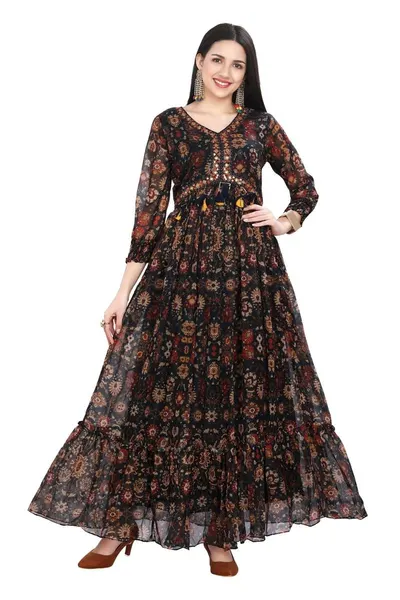
The listed products comprise a 140 g/m² rayon printed fabric in 44 cm width, bulk rayon fabric sold by the kilogram, women’s apparel items such as kurtis, tops, gowns, palazzo and Anarkali dresses, rayon prints in 58 cm width, cotton cambric prints in 44 cm width, and three variants of popcorn‑style shirting fabric - printed, dyed and embossed. All items are described as make‑to‑order with options for custom prints and dyeing on demand, reflecting a flexible production approach.

Product Range and Specialties of Rushan Silk

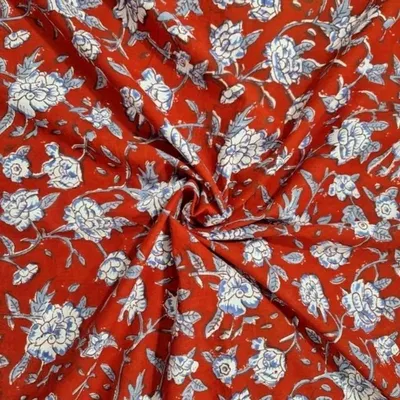
The catalogue covers four core material families: rayon woven fabrics (both printed and plain), cotton cambric, and popcorn‑style cotton shirting. In the Indian textile market, rayon fabrics are typically offered in GSM ranges from 120 to 200, with 140 g/m² being a common mid‑weight suitable for dresses and light outerwear. Cotton cambric prints usually run 120‑150 g/m² and are prized for a smooth hand and crisp drape, while popcorn shirting fabrics are engineered with a raised weave that adds texture and breathability, often supplied at 150‑180 g/m². Standard industry finishes include pigment, disperse and digital prints, and embossing is applied to achieve tactile effects on shirting fabrics.

Trade and Export Information - Rushan Silk

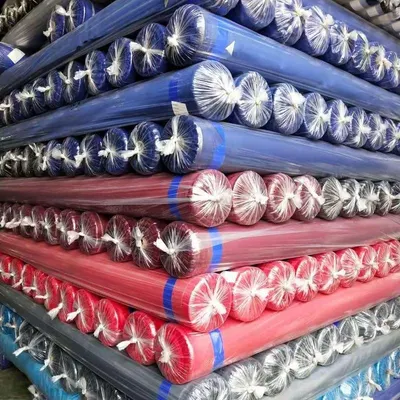
India ranks among the top global exporters of woven fabrics, with the majority of rayon and cotton outputs shipped to Europe, the United States, the Middle East and Southeast Asia. Export shipments of rayon fabrics are classified under HS 5112 (artificial staple fibers) and cotton cambric under HS 5208 (woven fabrics of cotton). Buyers typically request certifications such as Oeko‑Tex Standard 100, ISO 9001 quality management and, where applicable, compliance with REACH for chemical safety. Fabrics are commonly packed in bulk poly‑bags or rolled in cardboard cores, placed in 20‑ft or 40‑ft containers, and shipped under Incoterms CIF or FOB. Indian exporters often provide phytosanitary certificates for natural fibers and test reports for colour fastness, shrinkage and GSM.

Sourcing from Rushan Silk - Buyer Guidance

When sourcing from Rushan Silk, request a physical sample that includes a cut of the printed or plain fabric, a GSM measurement sheet and colour‑fastness test results (AATCC 100). Verify that the supplier can provide Oeko‑Tex or comparable test certificates, especially if the end market requires compliance with textile safety regulations. Typical minimum order quantities for printed rayon fabrics range from 500 m to 2 000 m, with lead times of 30‑45 days for standard designs and up to 60 days for custom prints, subject to confirmation of artwork and dyeing specifications.

Frequently Asked Questions About Rushan Silk

What types of fabrics does Rushan Silk list in its catalogue?

The catalogue includes 140 g/m² rayon printed fabric (44 cm width), bulk rayon fabric sold by kilogram, cotton cambric printed fabric (44 cm width), and three popcorn‑style shirting fabrics - printed, dyed and embossed. It also mentions women’s apparel such as kurtis, tops, gowns and Anarkali dresses that are produced from these fabrics.

Which HS codes are relevant for the fabrics offered by Rushan Silk?

Rayon woven fabrics fall under HS Chapter 51, specifically heading 5112 for artificial staple fibers. Cotton cambric and popcorn shirting fabrics are classified under HS Chapter 52, heading 5208 for woven cotton fabrics.

What standard specifications should a buyer check for rayon printed fabrics?

Buyers should verify the fabric weight (GSM), typically 140 g/m² for the listed product, and request colour‑fastness test results (AATCC 100) and shrinkage percentages after washing. Additional checks include tensile strength (MPa) and dimensional stability.

Which certifications are commonly required for Indian textile exports?

Importers often request Oeko‑Tex Standard 100 for chemical safety, ISO 9001 for quality management, and REACH compliance for any chemical content. Phytosanitary certificates may be needed for natural‑fiber products.

How are the fabrics packaged for international shipment?

Standard practice is to roll the fabric on cardboard cores, pack the rolls in robust cardboard cartons or bulk poly‑bags, and load them into 20‑ft or 40‑ft sea containers. Moisture‑resistant liners are used to protect the textiles during transit.

What are typical minimum order quantities and lead times?

For printed rayon fabrics, minimum order quantities range from 500 m to 2 000 m, while cotton cambric prints often start at 300 m. Lead time is usually 30‑45 days for standard designs, extending to 60 days for custom prints or special dyeing processes.

How can a buyer request a sample from Rushan Silk?

Buyers should submit a written request specifying the fabric type, width and GSM, and indicate whether a printed or plain sample is required. The supplier will then dispatch a cut sample along with a test report covering GSM, colour fastness and shrinkage.

Which regions most frequently import these Indian fabrics?

European Union countries, the United States, the Gulf Cooperation Council (GCC) states and Southeast Asian markets are the primary import destinations for Indian rayon and cotton woven fabrics.


Other Suppliers in Other - Fabric and Raw Material

Top Trusted Suppliers

Related Products in Other - Fabric and Raw Material

Trending in Parent Category

More Suppliers in Parent Category

Related Products

Other Suppliers

EximNext
7.1K+ live requirements
Register Free🎁 Reach global buyers
Post Requirement
🌍 Trusted by 225K+ businesses in 200+ countries|
7.1K+ active requirements right now
✉️ [email protected]
|
Sell on EximNextPost Requirement
EximNext
AgricultureApparelConstructionElectronicFoodHomeIndustrialMineralsMiscellaneous
🔥 Deals|✨ AI Match|🏭 Suppliers|📋 Buy Leads|💰 Trade Finance
7.1K+ live RFQs·194.8K+ suppliers
🎁 Reach global buyers →
EximNext
EximNext
Register Free
🎁 Reach global buyers
Sign In
📋Post Requirement💬Get Quotes✨AI Match📋RFQ Marketplace
All Categories
Services & Tools
🏭Supplier Directory🔥Today's Deals💰Trade Finance
Sell on EximNext →
AboutContactBlogHelp
Apparel & Home  ·  India
8
products listed  ·  since 2013-01-01
Rushan Silk

Rushan Silk

🚢 Voyage
Country flag Ahmedabad, IndiaEst. 2013-01-01New supplier / no reviews yet
🏆
13+
Years in Business
🛡️
63/100
Trust Score

Rushan Silk Product Catalog

Showing 8 of 8 products
View all products →
Shirtings Popcorn Fabrics Prints
🚢 Voyage
Shirtings Popcorn Fabrics Prints
Contact
MOQ: 1 Unit
Shirtings Popcorn Fabrics Dyed
🚢 Voyage
Shirtings Popcorn Fabrics Dyed
Contact
MOQ: 1 Unit
Shirtings Popcorn Emboss Fabrics Prints
🚢 Voyage
Shirtings Popcorn Emboss Fabrics Prints
Contact
MOQ: 1 Unit
Rayon Prints Fabrics 58 Width
🚢 Voyage
Rayon Prints Fabrics 58 Width
Contact
MOQ: 1 Unit
Cotton Cambric Prints 44 Width
🚢 Voyage
Cotton Cambric Prints 44 Width
Contact
MOQ: 1 Unit
12kg Rayon Print Or Plain Wholesale Suppliers
🚢 Voyage
12kg Rayon Print Or Plain Wholesale Suppliers
Contact
MOQ: 1 Unit
Kurtis Tops Gowns Palazzo Anarkali Dress
🚢 Voyage
Kurtis Tops Gowns Palazzo Anarkali Dress
Contact
MOQ: 1 Unit
140 gram Rayon Prints Fabrics 44 Width
🚢 Voyage
140 gram Rayon Prints Fabrics 44 Width
Contact
MOQ: 1 Unit

About Rushan Silk - Fabric Supplier in India

Rushan Silk is based in Ahmedabad, Gujarat, India and currently lists eight active fabric products in its catalogue. The company focuses on printed and plain woven fabrics, covering rayon, cotton cambric and popcorn‑style shirting fabrics. These items fall under HS Chapter 50 for synthetic fibers such as rayon and HS Chapter 53 for cotton and other natural fibers. The catalogue includes both width specifications (44 cm and 58 cm) and weight specifications, for example a 140 g/m² rayon printed fabric.

The listed products comprise a 140 g/m² rayon printed fabric in 44 cm width, bulk rayon fabric sold by the kilogram, women’s apparel items such as kurtis, tops, gowns, palazzo and Anarkali dresses, rayon prints in 58 cm width, cotton cambric prints in 44 cm width, and three variants of popcorn‑style shirting fabric - printed, dyed and embossed. All items are described as make‑to‑order with options for custom prints and dyeing on demand, reflecting a flexible production approach.

Product Range and Specialties of Rushan Silk

The catalogue covers four core material families: rayon woven fabrics (both printed and plain), cotton cambric, and popcorn‑style cotton shirting. In the Indian textile market, rayon fabrics are typically offered in GSM ranges from 120 to 200, with 140 g/m² being a common mid‑weight suitable for dresses and light outerwear. Cotton cambric prints usually run 120‑150 g/m² and are prized for a smooth hand and crisp drape, while popcorn shirting fabrics are engineered with a raised weave that adds texture and breathability, often supplied at 150‑180 g/m². Standard industry finishes include pigment, disperse and digital prints, and embossing is applied to achieve tactile effects on shirting fabrics.

Trade and Export Information - Rushan Silk

India ranks among the top global exporters of woven fabrics, with the majority of rayon and cotton outputs shipped to Europe, the United States, the Middle East and Southeast Asia. Export shipments of rayon fabrics are classified under HS 5112 (artificial staple fibers) and cotton cambric under HS 5208 (woven fabrics of cotton). Buyers typically request certifications such as Oeko‑Tex Standard 100, ISO 9001 quality management and, where applicable, compliance with REACH for chemical safety. Fabrics are commonly packed in bulk poly‑bags or rolled in cardboard cores, placed in 20‑ft or 40‑ft containers, and shipped under Incoterms CIF or FOB. Indian exporters often provide phytosanitary certificates for natural fibers and test reports for colour fastness, shrinkage and GSM.

Sourcing from Rushan Silk - Buyer Guidance

When sourcing from Rushan Silk, request a physical sample that includes a cut of the printed or plain fabric, a GSM measurement sheet and colour‑fastness test results (AATCC 100). Verify that the supplier can provide Oeko‑Tex or comparable test certificates, especially if the end market requires compliance with textile safety regulations. Typical minimum order quantities for printed rayon fabrics range from 500 m to 2 000 m, with lead times of 30‑45 days for standard designs and up to 60 days for custom prints, subject to confirmation of artwork and dyeing specifications.

Frequently Asked Questions About Rushan Silk

What types of fabrics does Rushan Silk list in its catalogue?

The catalogue includes 140 g/m² rayon printed fabric (44 cm width), bulk rayon fabric sold by kilogram, cotton cambric printed fabric (44 cm width), and three popcorn‑style shirting fabrics - printed, dyed and embossed. It also mentions women’s apparel such as kurtis, tops, gowns and Anarkali dresses that are produced from these fabrics.

Which HS codes are relevant for the fabrics offered by Rushan Silk?

Rayon woven fabrics fall under HS Chapter 51, specifically heading 5112 for artificial staple fibers. Cotton cambric and popcorn shirting fabrics are classified under HS Chapter 52, heading 5208 for woven cotton fabrics.

What standard specifications should a buyer check for rayon printed fabrics?

Buyers should verify the fabric weight (GSM), typically 140 g/m² for the listed product, and request colour‑fastness test results (AATCC 100) and shrinkage percentages after washing. Additional checks include tensile strength (MPa) and dimensional stability.

Which certifications are commonly required for Indian textile exports?

Importers often request Oeko‑Tex Standard 100 for chemical safety, ISO 9001 for quality management, and REACH compliance for any chemical content. Phytosanitary certificates may be needed for natural‑fiber products.

How are the fabrics packaged for international shipment?

Standard practice is to roll the fabric on cardboard cores, pack the rolls in robust cardboard cartons or bulk poly‑bags, and load them into 20‑ft or 40‑ft sea containers. Moisture‑resistant liners are used to protect the textiles during transit.

What are typical minimum order quantities and lead times?

For printed rayon fabrics, minimum order quantities range from 500 m to 2 000 m, while cotton cambric prints often start at 300 m. Lead time is usually 30‑45 days for standard designs, extending to 60 days for custom prints or special dyeing processes.

How can a buyer request a sample from Rushan Silk?

Buyers should submit a written request specifying the fabric type, width and GSM, and indicate whether a printed or plain sample is required. The supplier will then dispatch a cut sample along with a test report covering GSM, colour fastness and shrinkage.

Which regions most frequently import these Indian fabrics?

European Union countries, the United States, the Gulf Cooperation Council (GCC) states and Southeast Asian markets are the primary import destinations for Indian rayon and cotton woven fabrics.

About Rushan Silk - Fabric Supplier in India

Rushan Silk is based in Ahmedabad, Gujarat, India and currently lists eight active fabric products in its catalogue. The company focuses on printed and plain woven fabrics, covering rayon, cotton cambric and popcorn‑style shirting fabrics. These items fall under HS Chapter 50 for synthetic fibers such as rayon and HS Chapter 53 for cotton and other natural fibers. The catalogue includes both width specifications (44 cm and 58 cm) and weight specifications, for example a 140 g/m² rayon printed fabric.

The listed products comprise a 140 g/m² rayon printed fabric in 44 cm width, bulk rayon fabric sold by the kilogram, women’s apparel items such as kurtis, tops, gowns, palazzo and Anarkali dresses, rayon prints in 58 cm width, cotton cambric prints in 44 cm width, and three variants of popcorn‑style shirting fabric - printed, dyed and embossed. All items are described as make‑to‑order with options for custom prints and dyeing on demand, reflecting a flexible production approach.

Product Range and Specialties of Rushan Silk

The catalogue covers four core material families: rayon woven fabrics (both printed and plain), cotton cambric, and popcorn‑style cotton shirting. In the Indian textile market, rayon fabrics are typically offered in GSM ranges from 120 to 200, with 140 g/m² being a common mid‑weight suitable for dresses and light outerwear. Cotton cambric prints usually run 120‑150 g/m² and are prized for a smooth hand and crisp drape, while popcorn shirting fabrics are engineered with a raised weave that adds texture and breathability, often supplied at 150‑180 g/m². Standard industry finishes include pigment, disperse and digital prints, and embossing is applied to achieve tactile effects on shirting fabrics.

Trade and Export Information - Rushan Silk

India ranks among the top global exporters of woven fabrics, with the majority of rayon and cotton outputs shipped to Europe, the United States, the Middle East and Southeast Asia. Export shipments of rayon fabrics are classified under HS 5112 (artificial staple fibers) and cotton cambric under HS 5208 (woven fabrics of cotton). Buyers typically request certifications such as Oeko‑Tex Standard 100, ISO 9001 quality management and, where applicable, compliance with REACH for chemical safety. Fabrics are commonly packed in bulk poly‑bags or rolled in cardboard cores, placed in 20‑ft or 40‑ft containers, and shipped under Incoterms CIF or FOB. Indian exporters often provide phytosanitary certificates for natural fibers and test reports for colour fastness, shrinkage and GSM.

Sourcing from Rushan Silk - Buyer Guidance

When sourcing from Rushan Silk, request a physical sample that includes a cut of the printed or plain fabric, a GSM measurement sheet and colour‑fastness test results (AATCC 100). Verify that the supplier can provide Oeko‑Tex or comparable test certificates, especially if the end market requires compliance with textile safety regulations. Typical minimum order quantities for printed rayon fabrics range from 500 m to 2 000 m, with lead times of 30‑45 days for standard designs and up to 60 days for custom prints, subject to confirmation of artwork and dyeing specifications.

Frequently Asked Questions About Rushan Silk
What types of fabrics does Rushan Silk list in its catalogue?
The catalogue includes 140 g/m² rayon printed fabric (44 cm width), bulk rayon fabric sold by kilogram, cotton cambric printed fabric (44 cm width), and three popcorn‑style shirting fabrics - printed, dyed and embossed. It also mentions women’s apparel such as kurtis, tops, gowns and Anarkali dresses that are produced from these fabrics.
Which HS codes are relevant for the fabrics offered by Rushan Silk?
Rayon woven fabrics fall under HS Chapter 51, specifically heading 5112 for artificial staple fibers. Cotton cambric and popcorn shirting fabrics are classified under HS Chapter 52, heading 5208 for woven cotton fabrics.
What standard specifications should a buyer check for rayon printed fabrics?
Buyers should verify the fabric weight (GSM), typically 140 g/m² for the listed product, and request colour‑fastness test results (AATCC 100) and shrinkage percentages after washing. Additional checks include tensile strength (MPa) and dimensional stability.
Which certifications are commonly required for Indian textile exports?
Importers often request Oeko‑Tex Standard 100 for chemical safety, ISO 9001 for quality management, and REACH compliance for any chemical content. Phytosanitary certificates may be needed for natural‑fiber products.
How are the fabrics packaged for international shipment?
Standard practice is to roll the fabric on cardboard cores, pack the rolls in robust cardboard cartons or bulk poly‑bags, and load them into 20‑ft or 40‑ft sea containers. Moisture‑resistant liners are used to protect the textiles during transit.
What are typical minimum order quantities and lead times?
For printed rayon fabrics, minimum order quantities range from 500 m to 2 000 m, while cotton cambric prints often start at 300 m. Lead time is usually 30‑45 days for standard designs, extending to 60 days for custom prints or special dyeing processes.
How can a buyer request a sample from Rushan Silk?
Buyers should submit a written request specifying the fabric type, width and GSM, and indicate whether a printed or plain sample is required. The supplier will then dispatch a cut sample along with a test report covering GSM, colour fastness and shrinkage.
Which regions most frequently import these Indian fabrics?
European Union countries, the United States, the Gulf Cooperation Council (GCC) states and Southeast Asian markets are the primary import destinations for Indian rayon and cotton woven fabrics.

Rushan Silk
Country flag Ahmedabad, India
🚢 VoyageApparel & Home
63/100
Trust Score
8
Products
✓ Free to contact — no commission
✓ Escrow payment available
✓ Verified business identity
Compare more suppliers
Post a requirement — get 10 quotes free
Let verified suppliers compete for your business. Free, fast, no commitment.
Due Diligence
Verify this supplier's real shipping history.
Every shipment, every buyer, every port. Trade data that can't be faked.
Run due diligence →
Discover More

Related Suppliers & Products

Explore similar suppliers, related products and trending categories

Other Suppliers in Other - Fabric and Raw Material

Top Trusted Suppliers

Related Products in Other - Fabric and Raw Material

Trending in Parent Category

More Suppliers in Parent Category

Stay ahead in global trade
Weekly market insights & new supplier alerts.
EximNext
Exim Next is a leading global B2B marketplace, connecting over 220,000 registered suppliers and buyers across 200+ countries. As a trusted import export marketplace, it serves as the essential B2B portal for businesses worldwide, empowering them to expand their international reach. With Exim Next, businesses can trade smarter and grow faster.
SECURE PAYMENTS
VISAMastercardPayPalSWIFTL/CEscrow
Follow us
© 2026 EximNext