Ram Overseas — Verified Supplier
About Ram Overseas - Salt Supplier in India
India is the origin country for Ram Overseas, which lists seven active products in its catalogue. The supplier’s portfolio includes silica sand (HS 2505.10, silicon dioxide sand), petroleum coke, animal feed, wheat flour, rice, industrial salt and edible salt. Each product is identified by its standard HS code family where provided, such as silica sand under chapter 25 for mineral products. The catalogue does not specify additional HS codes, but the product types align with common export classifications for mineral and food commodities. Ram Overseas operates under a harbor trust tier, indicating a moderate level of verification in the B2B platform.
The seven listed items cover both industrial and food‑grade markets. Silica sand is typically used in glass manufacturing and foundry casting; petroleum coke serves as a fuel and carbon source in steel production; animal feed provides nutritional premixes for livestock; wheat flour and rice are staple food ingredients; industrial and edible salt address chemical and culinary applications respectively. The supplier’s product count and categories reflect a diversified export profile from India, a country that ranks among the top global exporters of these commodities.
Product Range and Specialties of Ram Overseas
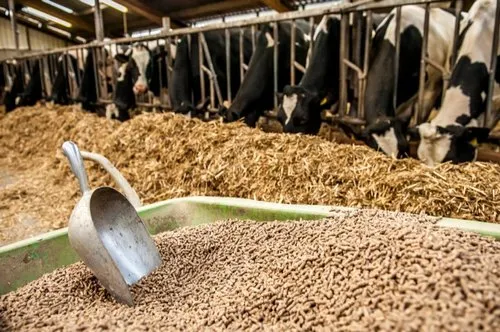
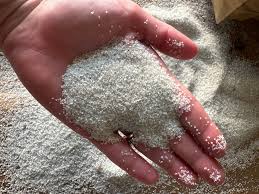
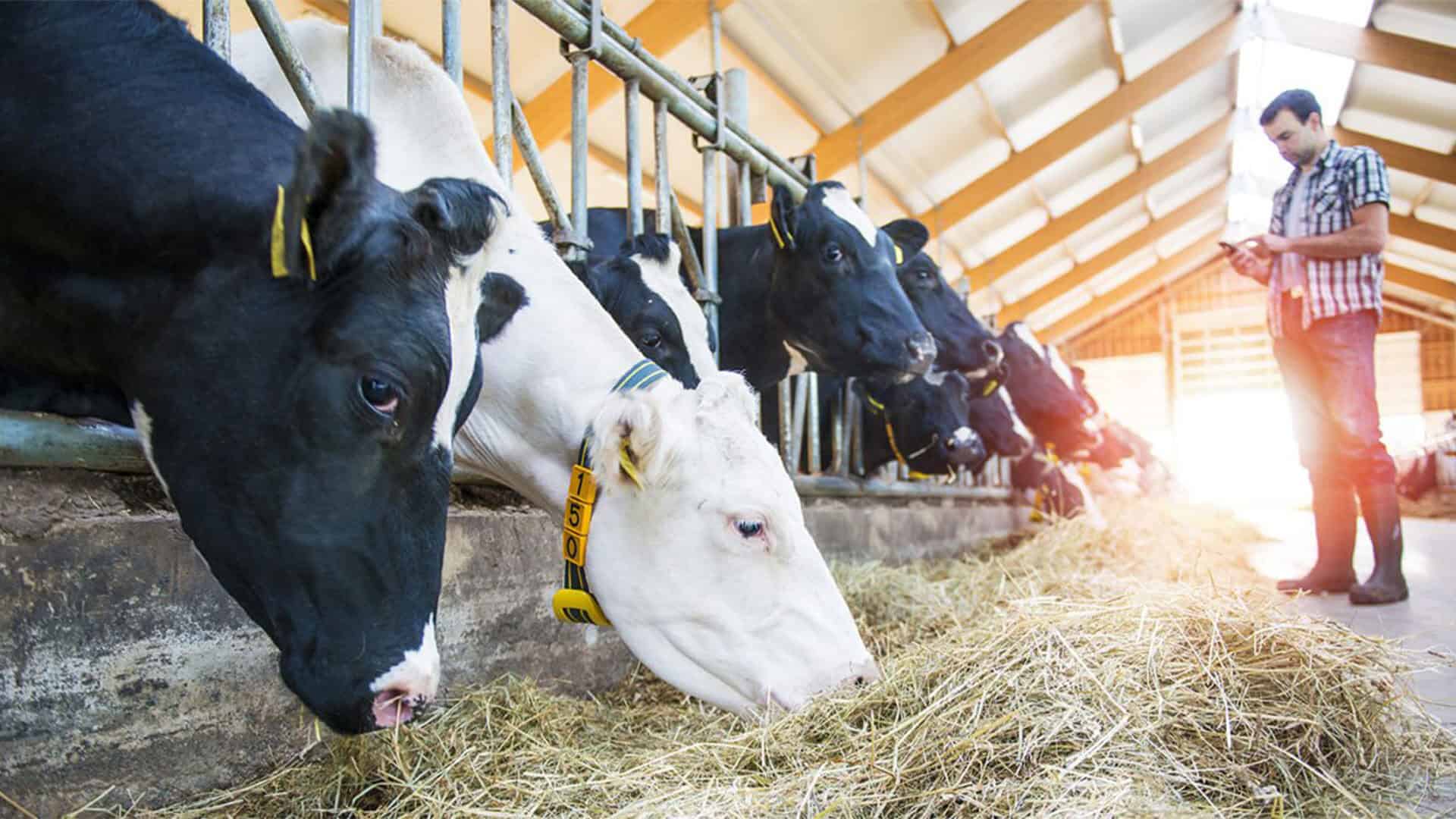
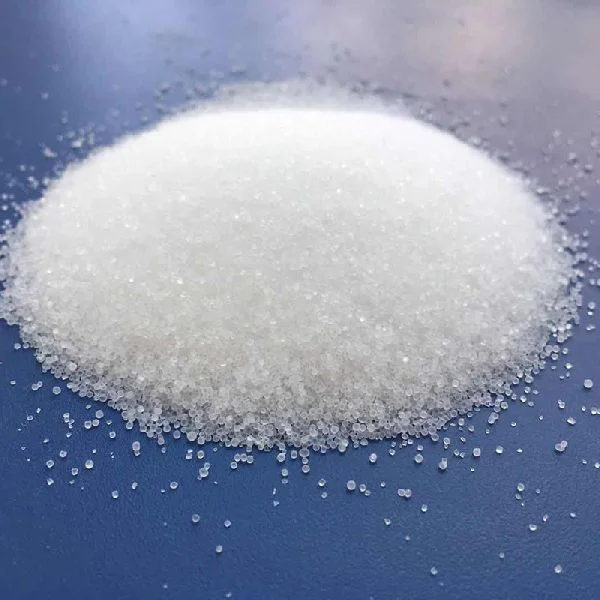
Ram Overseas' catalogue features silica sand, a high‑purity silicon dioxide material that commonly meets ICUMSA 45 purity levels for glass‑grade sand, with grain sizes ranging from 0.1 to 1 mm and moisture below 0.5 %. Petroleum coke listed without an HS code is generally classified under HS 2701 and is produced in grades such as SCU (low sulfur, <1 % S) and high‑calorific value around 7 000 kcal/kg. The animal feed product aligns with typical protein contents of 18 - 22 % for poultry or 12 - 16 % for ruminants, and is often tested for mycotoxins and moisture below 12 %.
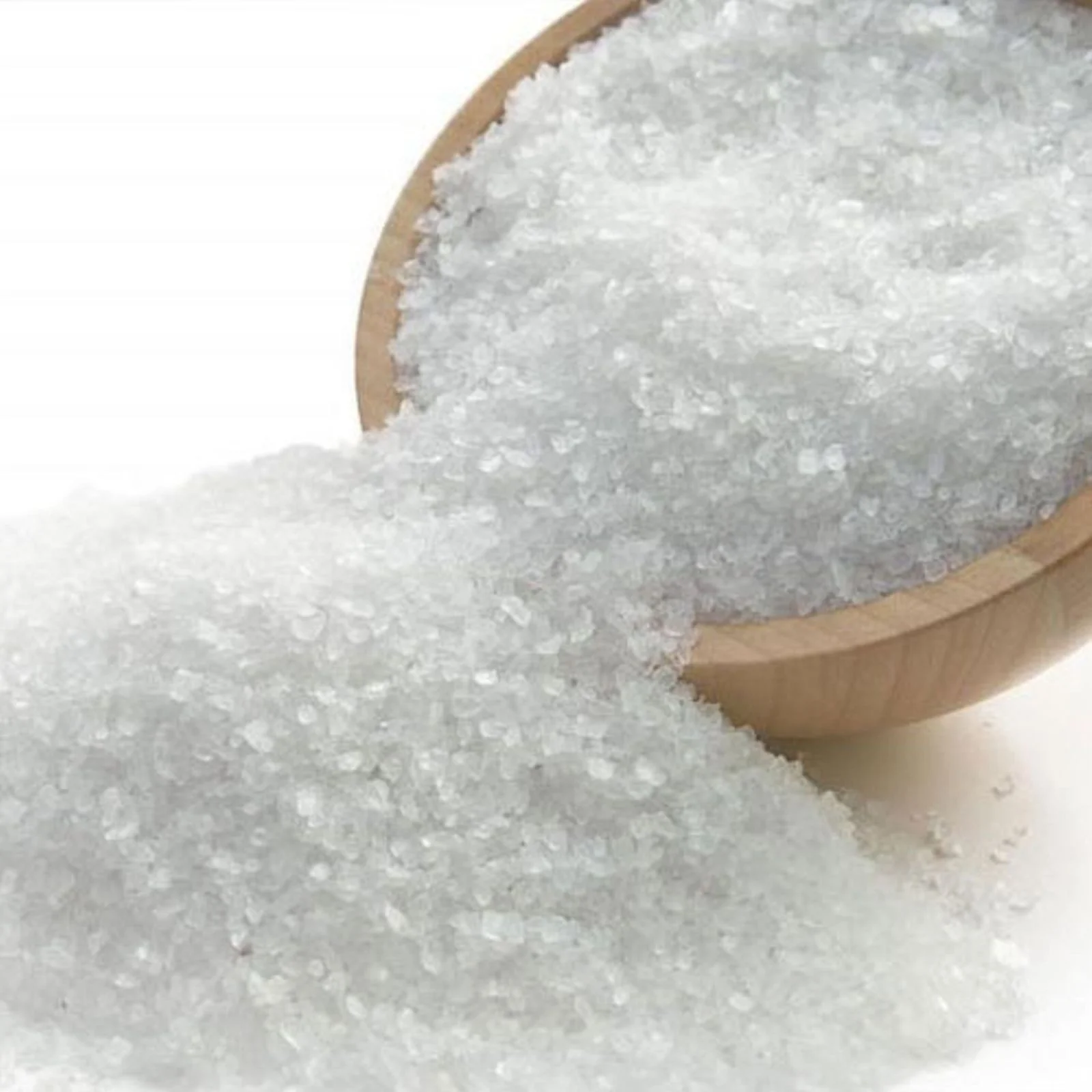
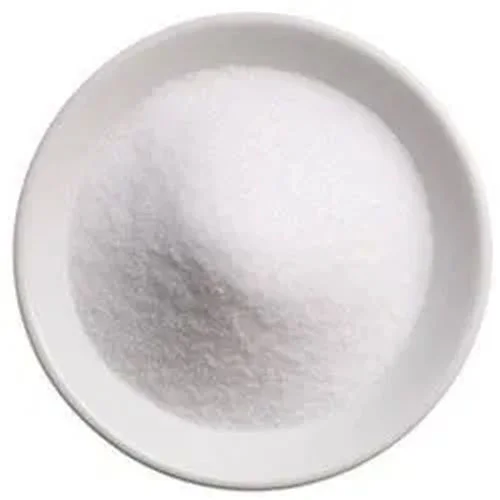
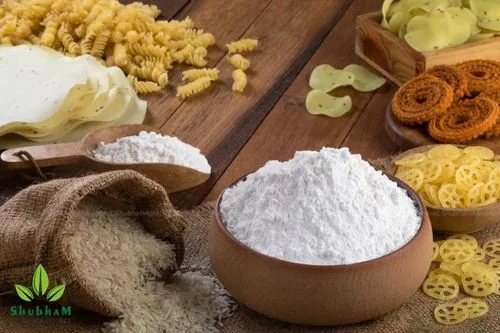
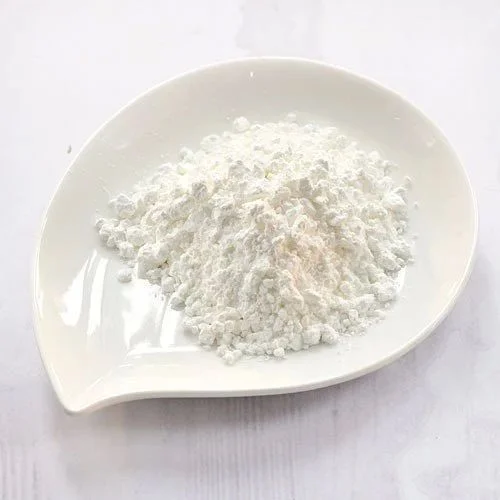
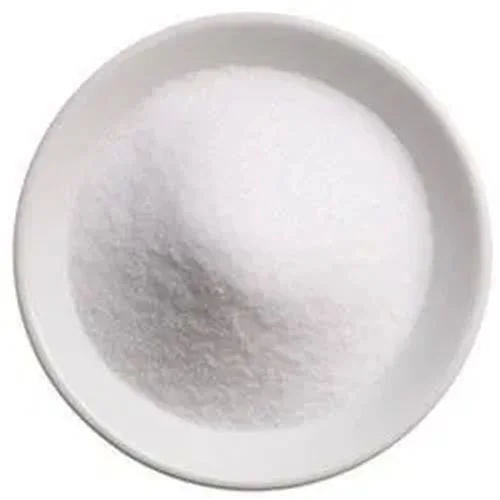
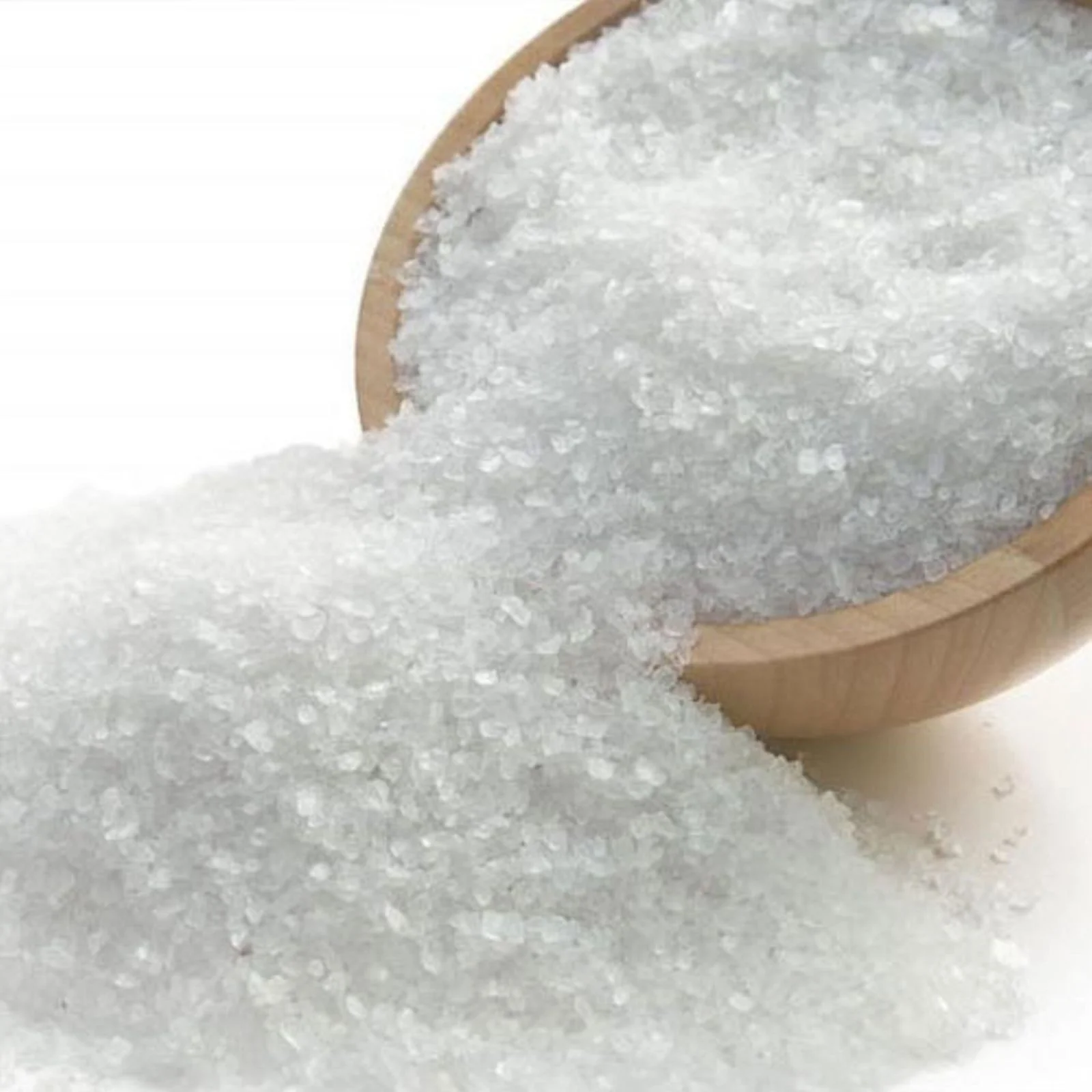
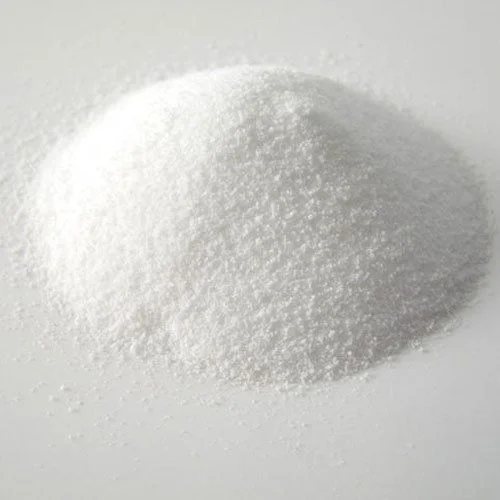
Wheat flour supplied from India usually conforms to extraction rates of 70 - 78 % and ash content under 0.6 % for standard flour, while rice varieties may be categorized as long‑grain (e.g., Basmati) with grain length 6 - 7 mm and moisture around 12 %. Industrial salt is generally a bulk NaCl product with purity of 99.5 % and low moisture, whereas edible salt is often iodized to 30 ppm iodine and packaged in 25 kg bags. These specifications represent the common quality parameters buyers request for each category.
Trade and Export Information - Ram Overseas
India exports silica sand primarily to glass manufacturers in the United States, Europe and the Middle East, with HS 2505.10 shipments typically handled in 20‑ft containers or bulk cargo. Petroleum coke from India is shipped to steel mills in China, Japan and the Gulf region, classified under HS 2701 and often requiring a COA confirming sulfur and heavy‑metal limits. Animal feed and wheat flour are food‑grade commodities that flow to African and Southeast Asian markets, subject to HACCP or FSSC 22000 certification and phytosanitary clearance.
Rice and both industrial and edible salt are major Indian export items to Africa, the Middle East and South‑East Asia. Buyers commonly request ISO 9001 quality management certificates, as well as analysis reports for moisture, ash and iodine content for salt. Standard packaging includes 25 kg polypropylene bags for salt, 20 kg bulk bags for wheat flour, and 1‑ton bulk bags for rice. Incoterms such as CIF or FOB are regularly used, and customs authorities often inspect HS code 2501 for salt and HS 1101 for wheat flour.
Sourcing from Ram Overseas - Buyer Guidance
Importers sourcing from Ram Overseas should request a recent material safety data sheet for silica sand and a laboratory analysis confirming SiO₂ purity and grain‑size distribution. For petroleum coke, a carbon‑content report and sulfur analysis are essential to verify compliance with steel‑mill specifications. Animal feed orders should be accompanied by a nutritional analysis, mycotoxin test results and, where required, a veterinary health certificate.
Food‑grade products such as wheat flour, rice, industrial and edible salt must be supplied with a HACCP or FSSC 22000 compliance statement, a certificate of analysis covering moisture, ash, protein (for flour) or iodine (for salt), and a phytosanitary certificate for rice. Buyers are advised to confirm packaging details - e.g., 25 kg bags for salt, 20 kg bags for flour - and to verify that the HS codes used in the commercial invoice match the catalogue (2505.10 for silica sand, 2701 for coke, 2501 for salt, 1101 for wheat flour, 1006 for rice).
Frequently Asked Questions About Ram Overseas
What HS code does Ram Overseas use for its silica sand?
The catalogue lists silica sand under HS code 2505.10, which falls within the mineral products chapter for silicon dioxide sand.
Are there any certifications mentioned for Ram Overseas' food products?
The supplier’s facts do not list specific certifications; buyers should request HACCP, FSSC 22000 or ISO 9001 certificates to confirm food safety compliance for wheat flour, rice, industrial and edible salt.
What typical purity level is expected for the industrial salt offered by Ram Overseas?
Industrial salt from India is commonly produced with a NaCl purity of 99.5 % and moisture below 0.5 %, but buyers should obtain a certificate of analysis to verify the exact figure.
How is petroleum coke from Ram Overseas usually graded?
Although the catalogue does not specify a grade, Indian petroleum coke is typically classified under HS 2701 and sold in SCU (low‑sulfur, <1 % S) or high‑calorific variants; a COA should be requested to confirm grade details.
What packaging formats are standard for the wheat flour listed by Ram Overseas?
Wheat flour is usually packed in 20 kg polypropylene bags or bulk 25 kg bags for export, with moisture content below 12 % and ash under 0.6 % as standard specifications.
Which markets commonly import the rice supplied by Ram Overseas?
Indian rice is frequently exported to African nations, the Middle East and Southeast Asian countries, where buyers look for grain length of 6 - 7 mm, moisture around 12 % and a phytosanitary certificate.
What documentation should a buyer request before ordering animal feed from Ram Overseas?
Buyers should ask for a nutritional analysis report, mycotoxin test results, moisture content, and any relevant veterinary health or import permits required by the destination country.




 , India