PT WOOD UNIVERSAL INDONESIA — Trader & Wholesale Supplier
About PT WOOD UNIVERSAL INDONESIA - Wood Pellets Supplier in United States
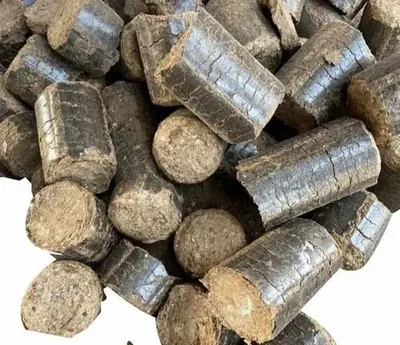
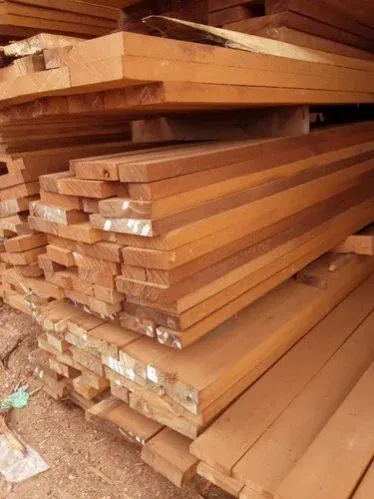
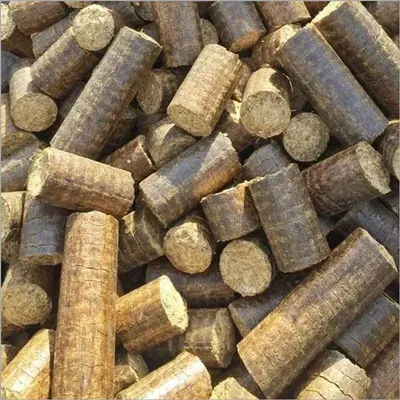
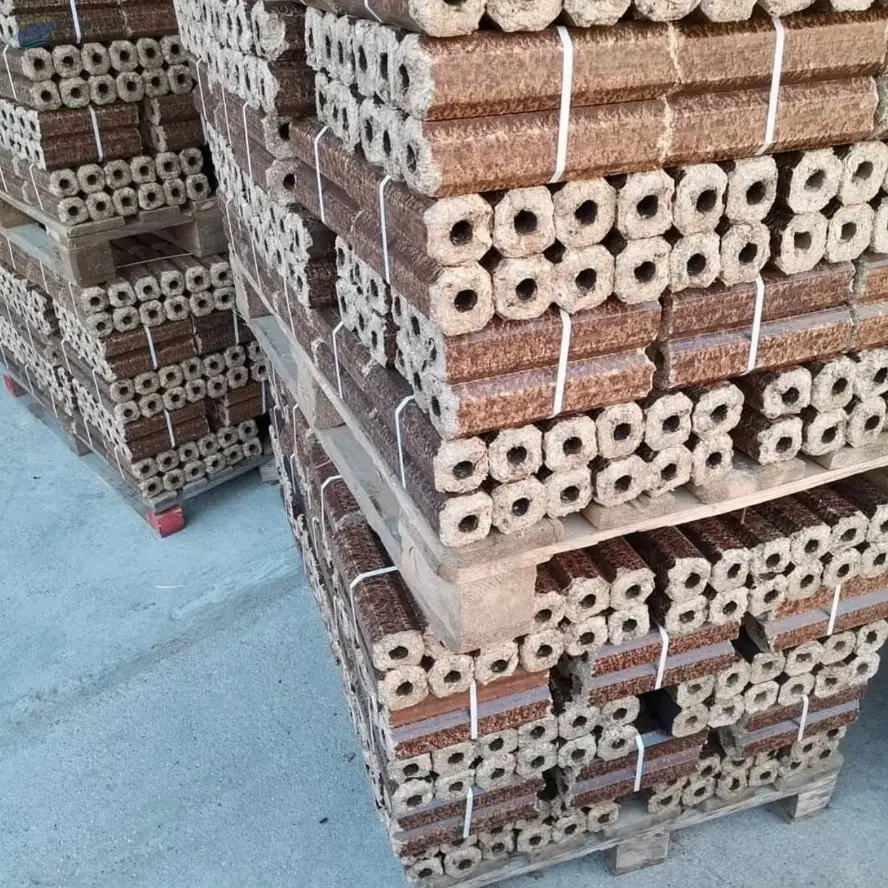
Based in the United States, PT WOOD UNIVERSAL INDONESIA lists six active products in its catalogue. The company’s portfolio includes wood pellets and assorted wood material products that fall under HS code chapters 44, such as Mahogany wood (HS 4407.29) and Acacia wood pellets (HS 4401.31). All items are sourced from Indonesia, where the raw material includes sawdust, wood chips and specific tree species like Acacia, Pine and Melaleuca Cajuputi. The catalogue records products ranging from raw timber (e.g., rubber wood, HS 4407.21) to blended pellets (e.g., pine‑wood plus Melaleuca Cajuputi, HS 4401.31). The supplier categorises its offerings under wood charcoal, wood waste, wood pulp, pine wood, eucalyptus wood, mahogany wood, bamboo charcoal and wood chips.
Product Range and Specialties of PT WOOD UNIVERSAL INDONESIA
PT WOOD UNIVERSAL INDONESIA’s catalogue comprises six SKUs: Mahogany wood (HS 4407.29), Acacia wood pellets (HS 4401.31), rubber wood (HS 4407.21), pine wood (HS 4407.11), a pine‑wood + Melaleuca Cajuputi pellet blend (HS 4401.31) and a Melaleuca Cajuputi + rubber wood pellet (HS 4401.32). In the wood‑pellet market, buyers usually require moisture below 10 %, ash under 1 % and calorific values above 4 500 kcal kg‑1, which align with the supplier’s listed specifications. Standard industry grades such as ENplus A1 or ISO 17225‑2 often stipulate pellet dimensions of 6‑8 mm diameter and 10‑30 mm length, matching the dimensions provided. Common raw material grades include sawmill residues, forest residues and dedicated energy plantations, similar to the Acacia and Pine sources cited. Typical packaging for bulk export includes 15 kg polypropylene bags, 1 t jumbo bags and bulk bulkers for sea freight.
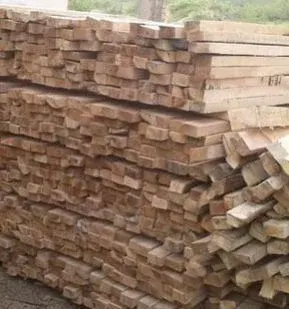
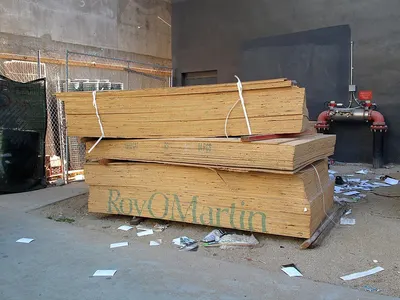
Beyond pellets, the timber products listed under HS 4407 (Mahogany, Rubber and Pine) are generally classified by grade (e.g., construction grade, furniture grade) based on moisture content (8‑12 %) and dimensional stability. Export standards often reference the International Standards for Timber (ISO 844) and may require phytosanitary certificates for wood species such as Mahogany and Rubber wood. Buyers in furniture, construction and pulp industries typically request mill test reports confirming density, knot content and moisture levels.
Trade and Export Information - PT WOOD UNIVERSAL INDONESIA
Wood pellets from Indonesia are frequently shipped to Europe, Southeast Asia and the Middle East, where they serve district‑heating and industrial boiler systems. The HS‑code 4401 series covers wood charcoal and wood pellets, and customs authorities in importing countries commonly request a phytosanitary certificate, a material safety data sheet and, where applicable, an ENplus or ISO 17225 compliance statement. Standard shipping containers are 20‑ft (≈ 12 t) or 40‑ft (≈ 24 t) when packed in 15 kg bags, while bulk shipments use 1 t jumbo bags loaded into 20‑ft pallets or bulk carriers. Incoterms such as FOB Jakarta or CIF Rotterdam are typical for Indonesian wood‑based products.
Indonesia ranks among the top global exporters of wood pellets, leveraging its abundant plantation residues and sawmill by‑products. Exporters generally adhere to the Indonesian Ministry of Trade regulations, which mandate traceability of forest origin and compliance with the EU Timber Regulation for species like Mahogany. Buyers often seek third‑party verification from agencies such as SGS or Intertek to satisfy import‑country quality and sustainability requirements.
Sourcing from PT WOOD UNIVERSAL INDONESIA - Buyer Guidance
Prospective buyers should request a recent laboratory analysis that lists moisture, ash, calorific value and particle‑size distribution for each pellet batch. Confirmation of the raw material source (e.g., Acacia plantation or rubber‑wood sawmill residue) and any sustainability certification such as FSC or PEFC should be obtained before contract finalisation. For timber items, a mill test report covering dimensions, moisture content and any treatment status is standard.
Typical minimum order quantities are one 20‑ft container for bulk pellets, or 10 t of jumbo bags for smaller shipments, with lead times ranging from 30 to 45 days depending on production scheduling. Buyers should verify the packaging integrity (e.g., sealed 15 kg bags or reinforced jumbo bags) and ensure that the shipping marks include HS code, net weight and country of origin. Requesting a pre‑shipment sample and a third‑party inspection report helps confirm compliance with the specifications outlined above.
Frequently Asked Questions About PT WOOD UNIVERSAL INDONESIA
What HS codes apply to the wood pellet products?
The wood pellet SKUs are classified under HS chapter 44; specifically Acacia pellets and the pine‑wood blends use HS 4401.31, while the Melaleuca‑cajuputi + rubber wood pellet uses HS 4401.32.
What are the typical dimensions and calorific value of the pellets?
Pellets are produced with a diameter of 6‑8 mm, length of 10‑30 mm, density of 640‑800 kg m‑3 and a calorific value between 4 168 and 4 700 kcal kg‑1.
Which certifications should I ask for when importing these wood products?
Buyers usually request ENplus or ISO 17225 compliance for pellets, FSC or PEFC chain‑of‑custody certificates for the wood material, and a phytosanitary certificate for timber exports.
How are the products packaged for international shipment?
The catalogue lists 15 kg polypropylene bags, larger jumbo bags (≈ 1 t) and bulk shipments; containers are typically loaded as 20‑ft or 40‑ft units depending on order size.
What are the standard minimum order quantities and lead times?
A common MOQ is one 20‑ft container for bulk pellet orders or 10 t of jumbo bags, with production and loading lead times of 30‑45 days.
Which markets commonly import Indonesian wood pellets?
Major import regions include the European Union, Southeast Asian countries such as Thailand and Malaysia, and Middle Eastern nations that use pellets for district heating and industrial boilers.
What documentation is required for customs clearance?
Required documents typically include the commercial invoice, packing list, bill of lading, phytosanitary certificate, material safety data sheet and any applicable sustainability or quality certificates.





 , United States