Pt. Panjimas Textile — Supplier
About Pt. Panjimas Textile - Textile Supplier in Indonesia
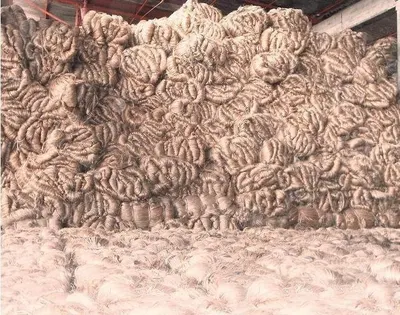
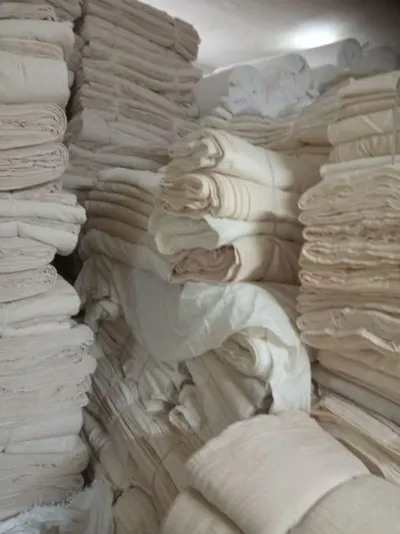
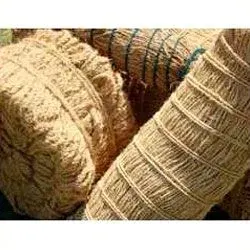
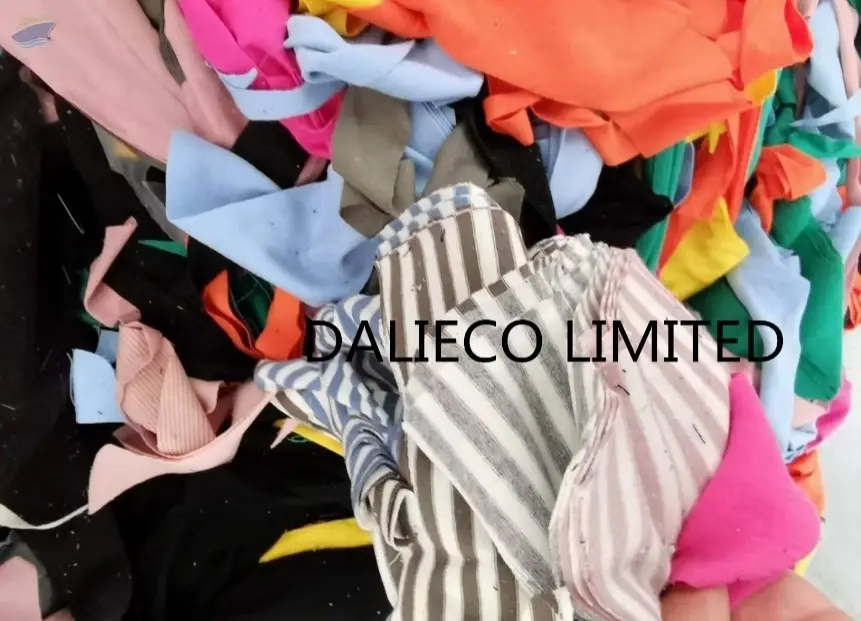
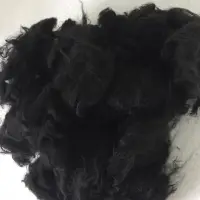
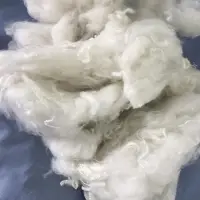
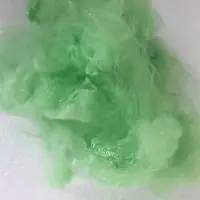
Pt. Panjimas Textile is a supplier based in Indonesia, with 11 active products in its catalogue. The company lists a variety of textile-related products, including Mop yarn, Sewing Wiping Cloth, and Open End Cotton Ne.1s. Additionally, Pt. Panjimas Textile offers Mixed Color Clips Unsorted, with an HS code of 8308.10, made from a mixed composition of polycotton, polyester, cotton, and lycra blend. Other products include Shoddy Mixed Colors, Mixed Colour Shoddy Fiber, and Acrylic Filament Carbonized.
The supplier's product range also encompasses Cotton Waste Flat Strips, Open End TC Ne 1s-10s, Cotton Waste, and Polyester Tow Undraw. With its diverse product offerings, Pt. Panjimas Textile caters to various industries, including textile manufacturing, industrial supplies, and baby wipes production. Buyers from regions such as Asia, Europe, and the Americas typically import these goods, with common destinations including countries in the European Union, the United States, and Japan.
Product Range and Specialties of Pt. Panjimas Textile
Pt. Panjimas Textile's catalogue features a range of textile products, including yarns, fibers, and clips. The supplier's Mop yarn and Open End Cotton Ne.1s are likely to meet the standards of the textile industry, with typical specifications including fiber length, strength, and color fastness. For example, cotton fibers are often classified according to their staple length, with common lengths ranging from 20 to 30 mm. Similarly, polyester yarns are typically characterized by their tensile strength, with common values ranging from 30 to 50 MPa.
The Mixed Color Clips Unsorted, with an HS code of 8308.10, are made from a mixed composition of materials, which is common in the production of clips and fasteners. Buyers of these products typically require certifications such as ISO 9001 or ISO 14001, which ensure that the products meet international standards for quality and environmental management.
Trade and Export Information - Pt. Panjimas Textile
Exporters of textile products, such as Pt. Panjimas Textile, typically require certifications such as OEKO-TEX or GOTS, which ensure that the products meet international standards for safety and sustainability. Buyers of these products usually require test reports and inspection certificates, such as those issued by SGS or Intertek, to verify the quality and compliance of the goods. The HS code families involved in the trade of these products include 5201-5309 for cotton products, 5401-5509 for man-made fibers, and 5601-5709 for woven fabrics.
The logistics of exporting these products typically involve packaging in bags or bales, with common packaging materials including jute, polypropylene, or paper. Incoterms such as FOB or CIF are commonly used in the trade of these products, with payment terms typically involving letters of credit or telegraphic transfers. Buyers from regions such as Asia, Europe, and the Americas typically import these goods, with common destinations including countries in the European Union, the United States, and Japan.
Sourcing from Pt. Panjimas Textile - Buyer Guidance
Buyers sourcing from Pt. Panjimas Textile should request specifications, samples, and test reports to verify the quality and compliance of the goods. For example, buyers of cotton fibers should request information on the fiber length, strength, and color fastness, as well as any relevant certifications such as ISO 9001 or ISO 14001. Similarly, buyers of polyester yarns should request information on the tensile strength, elongation, and shrinkage, as well as any relevant certifications such as OEKO-TEX or GOTS.
Buyers should also verify the packaging and shipping terms, including the type of packaging material, the weight and volume of the goods, and the Incoterms used. Additionally, buyers should request inspection certificates, such as those issued by SGS or Intertek, to verify the quality and compliance of the goods. By requesting these specifications, samples, and certifications, buyers can ensure that they are sourcing quality products that meet their requirements.
Frequently Asked Questions About Pt. Panjimas Textile
What is the typical fiber length of cotton fibers?
The typical fiber length of cotton fibers ranges from 20 to 30 mm, depending on the type and quality of the fiber.
What is the common tensile strength of polyester yarns?
The common tensile strength of polyester yarns ranges from 30 to 50 MPa, depending on the type and quality of the yarn.
What certifications are typically required for textile products?
Typically required certifications for textile products include ISO 9001, ISO 14001, OEKO-TEX, and GOTS, which ensure that the products meet international standards for quality, environmental management, safety, and sustainability.
What is the common packaging material for textile products?
The common packaging materials for textile products include jute, polypropylene, and paper, depending on the type and weight of the goods.
What Incoterms are commonly used in the trade of textile products?
The Incoterms commonly used in the trade of textile products include FOB and CIF, which define the responsibilities of the buyer and seller in terms of delivery, payment, and risk.
What inspection certificates are typically required for textile products?
Typically required inspection certificates for textile products include those issued by SGS or Intertek, which verify the quality and compliance of the goods.
What is the typical MOQ for textile products?
The typical MOQ for textile products depends on the type and quality of the product, as well as the supplier's policies, but common MOQs range from 100 to 1000 kg.
What is the typical lead time for textile products?
The typical lead time for textile products depends on the type and quality of the product, as well as the supplier's policies, but common lead times range from 2 to 6 weeks.




 , Indonesia