BACK — Verified Manufacturer & Wholesale Supplier
About BACK - Packaging Bags Supplier in Bangladesh
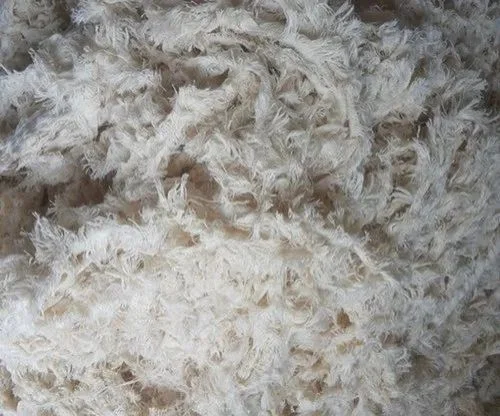
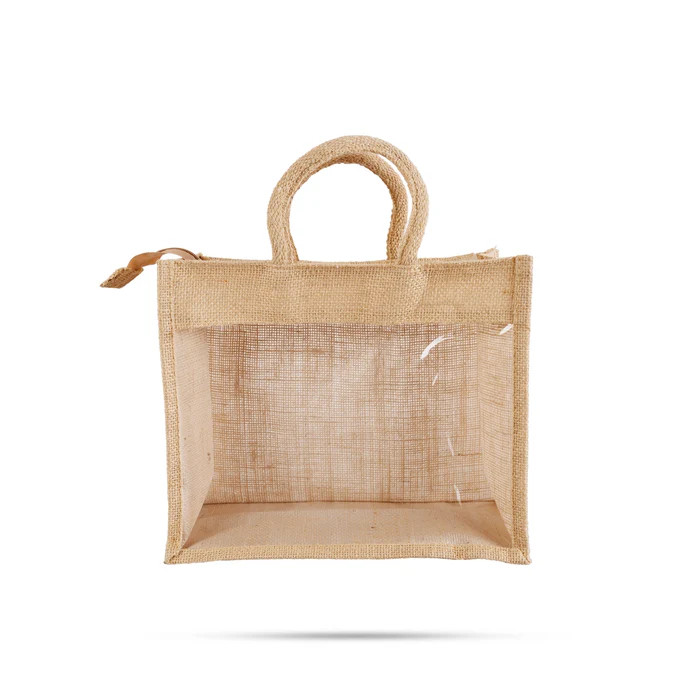
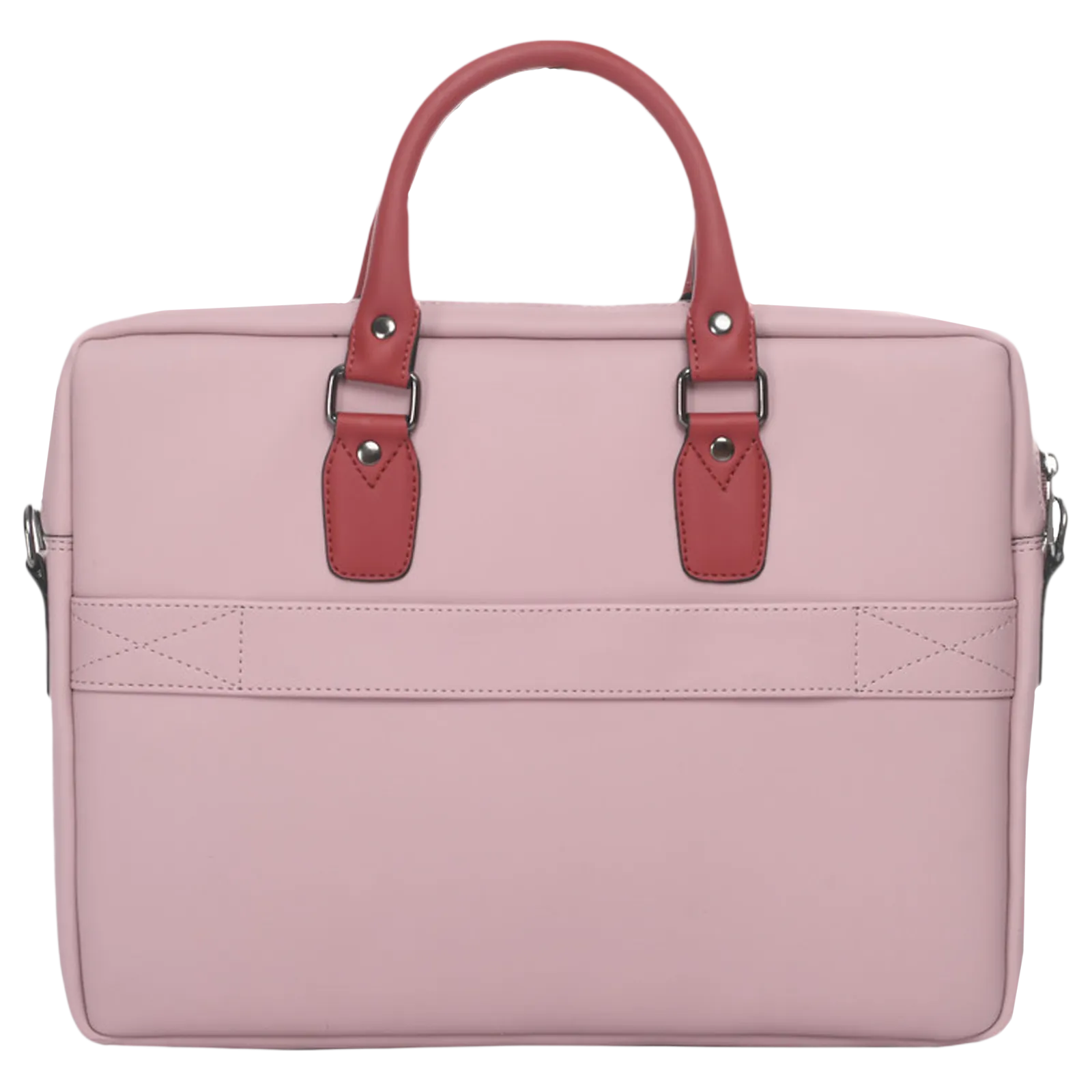
Bangladesh, Dhaka, hosts BACK, which lists 15 active products in its catalogue. The company focuses on jute‑based items, primarily bags and related textile goods. Its catalogue includes B.Twill Jute Bags, Sugar Twill Jute Bags, LT. CESS JUTE BAGS (VOT/MOT), RICE SACKING JUTE BAGS (VOT/MOT), D.W.F. Sacking Jute Bags, various Hessian Jute bags, Jute Sand Bags (rot‑proof and standard), as well as textile waste, T‑Shirts, wiping rags, generic Jute Goods and Leather Goods. All bag products are described as made from 100 % jute, with some variants treated with vegetable oil for food‑grade applications. The product list also mentions reusable gift bags and other ancillary textile items.
Product Range and Specialties of BACK
The listed catalogue items are centred on 100 % jute sacks and bags, ranging from B.Twill and Sugar Twill constructions to specialized LT. CESS and rice‑sacking bags. Typical industry grades for jute sacks fall into full‑bright (unbleached) and bleached grades, with GSM values between 200 and 300 and tensile strengths of 10‑15 MPa, enabling capacities from 25 kg up to 500 kg per bag. Food‑grade variants are often oil‑treated to meet hygiene standards for commodities such as coffee, cocoa, maize and rice, while rot‑proof sand bags incorporate a moisture‑resistant coating to extend service life in construction settings. In addition to sacks, BACK offers jute yarn/twine types (CRM, CRT, CB, Hessian) and ancillary products like textile waste, T‑Shirts and wiping rags, reflecting the broader utility of jute fibre in both packaging and apparel sectors.
Trade and Export Information - BACK
Bangladesh ranks among the world’s top exporters of jute fibre and woven sacks, supplying mainly the European Union, the Middle East, South Asia and East Africa. The jute bags fall under HS chapter 56 (e.g., 5601 for woven sacks of jute fibre) and chapter 63 (e.g., 6305 for other sacks and bags), which are routinely inspected under the Harmonised System for customs valuation and phytosanitary compliance. Buyers typically request certifications such as ISO 9001 for quality management, Oeko‑Tex Standard 100 for textile safety, and, for food‑grade bags, a USDA or EU organic‑compatible certification and a phytosanitary certificate. Standard export logistics involve stacking bags in 20‑ft or 40‑ft containers, with load plans based on bag weight and volume; freight terms such as FOB Dhaka or CIF destination are common. Bangladesh’s jute export framework includes mandatory export licences and compliance with the Bangladesh Standards and Testing Institution (BSTI) for fibre quality, which can support smoother clearance in importing markets.
Sourcing from BACK - Buyer Guidance
When sourcing jute sacks from BACK, buyers should request a material composition test confirming 100 % jute fibre, as well as moisture‑content and tensile‑strength reports that meet the typical specifications of 10‑15 MPa and GSM 200‑300. Samples of the specific bag construction (e.g., B.Twill, Hessian, rot‑proof) should be evaluated for seam strength and oil‑treatment consistency before committing to larger volumes. Documentation to verify includes a certificate of origin, a phytosanitary certificate for food‑grade bags, and any applicable third‑party test reports (e.g., SGS or Bureau Veritas) that demonstrate compliance with the buyer’s target market standards.
Frequently Asked Questions About BACK
What types of jute bags are included in BACK’s product list?
BACK lists B.Twill, Sugar Twill, LT. CESS, rice‑sacking, D.W.F. sacking, Hessian and rot‑proof sand bags, all described as 100 % jute. The catalogue also distinguishes food‑grade (vegetable‑oil treated) and standard oil variants for bulk food commodities.
Are food‑grade jute bags available for export?
Yes, BACK offers food‑grade jute sacks that are treated with vegetable oil to meet hygiene requirements for grains, coffee, cocoa and similar products. Buyers should request the oil‑treatment specification sheet and any relevant food‑safety test reports.
Which HS codes are applicable to BACK’s jute sacks?
Jute sacks generally fall under HS 5601 (woven sacks of jute or other textile materials) and HS 6305 (other sacks and bags). The specific code used depends on the exact construction and intended use of the bag.
What certifications should a buyer ask for when purchasing jute bags from Bangladesh?
Buyers commonly request ISO 9001 for quality management, Oeko‑Tex Standard 100 for textile safety, and a phytosanitary certificate for food‑grade bags. If organic certification is required, a USDA or EU organic certificate should be obtained.
What are typical minimum order quantities and lead times for jute sacks?
Minimum order quantities usually start at 1,000 units per bag type, though larger volumes are preferred for container loading efficiency. Lead times from order confirmation to shipment typically range from 30 to 45 days, depending on bag size and treatment.
How are the jute bags packaged for international shipment?
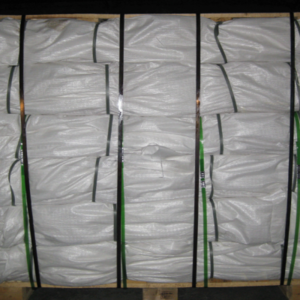
Bags are bundled and placed on wooden pallets, then loaded into 20‑ft or 40‑ft containers. Standard packing ensures even weight distribution and protects the bags from moisture during transit.
Can BACK provide samples of its jute yarn/twine?
Yes, the supplier can supply sample reels of the CRM, CRT, CB and Hessian quality yarns. Sample requests should specify the desired linear density and intended end‑use to receive appropriate test data.
What documentation is required for customs clearance of jute bags from Bangladesh?
Customs clearance typically requires a commercial invoice, packing list, certificate of origin, HS code declaration and, for food‑grade bags, a phytosanitary certificate. Additional laboratory test reports may be requested by the importing country’s authorities.





 , Bangladesh