Pt Oseanik Nusa Global — Verified Supplier
About Pt Oseanik Nusa Global - Fresh or Chilled Fish Supplier in Indonesia
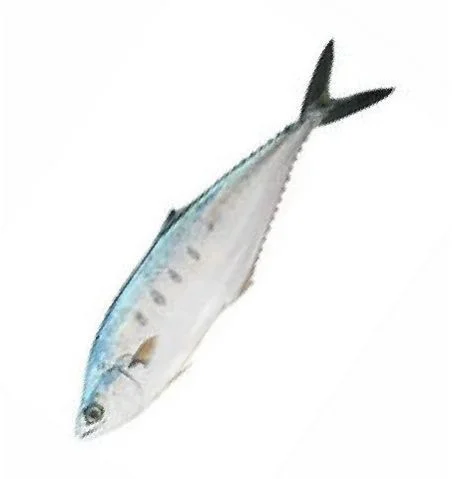
Indonesia, located in Southeast Asia, is a major exporter of marine products and the supplier lists eight distinct fish and cephalopod items in its catalogue. Pt Oseanik Nusa Global’s active product count of eight covers species such as Yellow Fin Tuna, Shark Fillet (gummy flake), Red Snapper, Milk Fish, Barramundi, Cuttlefish, Indian Mackerel and Loligo Squid. The products fall under the “Fresh or Chilled Fish” and “Frozen Fish Fillets” HS‑code families 0302 and 0303, which are used internationally to classify fresh, chilled and frozen fish commodities. The catalogue distinguishes between fresh tuna and other fresh species, as well as frozen fillet formats for shark. The supplier’s trust tier is recorded as “harbor”, indicating a mid‑level verification level in the trade platform. All items are sourced from Indonesian waters and are presented for bulk export.
The listed species include pelagic tuna, demersal snapper and mackerel, as well as cephalopods such as cuttlefish and Loligo squid, providing a breadth of protein sources for processors. Product forms in the catalogue range from whole fish and gutted specimens to filleted and gummy‑flake preparations, which align with common buyer requirements for fresh or frozen handling. Indonesian export data shows these categories are usually shipped in refrigerated containers or insulated bulk boxes to preserve temperature below 4 °C for fresh fish and below - 18 °C for frozen fillets. The eight‑product portfolio enables buyers to source multiple species from a single supplier, simplifying order consolidation. No specific certifications are listed for the supplier, so buyers typically verify compliance with HACCP, BRC or ISO 22000 through documentation. The supplier’s catalogue does not specify packaging dimensions, but standard industry practice uses 20‑ft or 40‑ft reefers with ice or gel packs.
Product Range and Specialties of Pt Oseanik Nusa Global
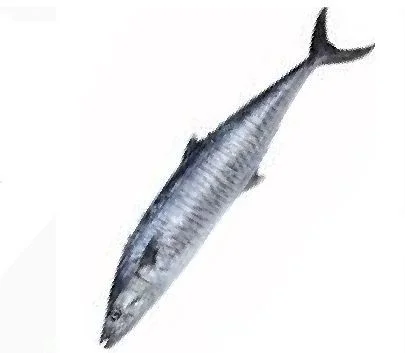
The catalogue lists Yellow Fin Tuna, Shark Fillet (gummy flake), Red Snapper, Milk Fish, Barramundi, Cuttlefish, Indian Mackerel and Loligo Squid, covering both high‑value pelagic tuna and a range of demersal and cephalopod species. In the global fish trade, tuna of the Yellow Fin type is often graded as “AA” or “AAA” for sashimi use, with size specifications of 30‑45 cm and a flesh yield of 55‑60 %. Snapper and mackerel are commonly supplied whole or gutted, with typical freshness standards of <2 °C chill temperature and moisture content below 78 %. Shark fillets processed into gummy flakes are usually frozen at - 18 °C and classified under HS 0303, with a minimum thickness of 10 mm for uniform handling. Cephalopods such as cuttlefish and Loligo squid are generally packed on ice or in vacuum‑sealed bags, with a target weight of 2‑4 kg per unit. Industry buyers often request certificates of analysis for mercury levels in tuna and histamine limits for snapper, aligning with Codex Alimentarius standards.
Trade and Export Information - Pt Oseanik Nusa Global
Indonesia ranks among the top global exporters of fresh and frozen marine fish, with the EU, United States, Japan and the Middle East representing the main destination markets for HS 0302 and 0303 products. Export shipments are typically arranged on refrigerated (reefer) containers, using 20‑ft or 40‑ft units that maintain a cold chain at 0‑4 °C for fresh fish and - 18 °C for frozen fillets. Buyers usually require health certificates issued by the Indonesian Ministry of Marine Affairs and Fisheries, along with HACCP or BRC audit reports, to satisfy import regulator requirements in Europe and North America. The most common Incoterms for Indonesian fish exporters are FOB Jakarta or CIF destination port, allowing buyers to manage freight and insurance according to their logistics strategy. Seasonal peaks occur during the northern hemisphere winter, when demand for fresh tuna rises for sashimi markets. Export compliance also involves phytosanitary inspections and documentation of sustainable fishing practices, which many importers request as part of corporate responsibility policies.
Sourcing from Pt Oseanik Nusa Global - Buyer Guidance
When sourcing from Pt Oseanik Nusa Global, buyers should request a current HACCP or ISO 22000 audit report, as well as a sanitary health certificate for each fish species. For Yellow Fin Tuna, a mercury test report complying with EU maximum levels (0.5 mg kg⁻¹) is standard, while snapper shipments should include histamine test results below 200 ppb. Verify the product specifications such as size range, weight per unit and packaging method (ice slurry, vacuum‑packed) before confirming order quantities. Typical minimum order quantities for bulk fish range from 500 kg to 1 ton per species, with lead times of 4‑6 weeks for processing and cold‑chain preparation. Request sample shipments under the same temperature controls to assess sensory quality and compliance before full‑scale purchase. Confirm container loading plans, including reefers equipped with temperature data loggers, to ensure the cold chain is uninterrupted during transit.
Frequently Asked Questions About Pt Oseanik Nusa Global
What species are included in Pt Oseanik Nusa Global’s product catalogue?
The catalogue contains Yellow Fin Tuna, Shark Fillet (gummy flake), Red Snapper, Milk Fish, Barramundi, Cuttlefish, Indian Mackerel and Loligo Squid, covering both fresh and frozen formats.
Which HS codes apply to the listed products?
Fresh fish such as tuna, snapper, milk fish, barramundi and mackerel fall under HS 0302, while frozen shark fillet and other frozen fillets are classified under HS 0303.
What certifications should a buyer request from this supplier?
Buyers should ask for HACCP, ISO 22000 or BRC audit reports, as well as a sanitary health certificate issued by Indonesian authorities for each shipment.
What are the typical packaging methods for these fish products?
Fresh species are usually packed on ice or in chilled gel packs within insulated boxes, while frozen fillets are vacuum‑sealed and loaded in refrigerated containers at - 18 °C.
What are common minimum order quantities and lead times?
Bulk orders typically start at 500 kg per species, with a production and cold‑chain preparation lead time of 4 to 6 weeks before shipment.
Which markets commonly import Indonesian fresh and frozen fish?
The European Union, United States, Japan and Middle Eastern countries are the primary importers of Indonesian HS 0302 and 0303 fish products.
What quality tests are standard for tuna and snapper shipments?
Tuna shipments are often tested for mercury levels (max 0.5 mg kg⁻¹) and snapper for histamine (below 200 ppb), both complying with Codex Alimentarius limits.




 , Indonesia