PT Arfan Outfit Indonesia — Supplier
About PT Arfan Outfit Indonesia - Children Clothing and Accessories Supplier in Indonesia
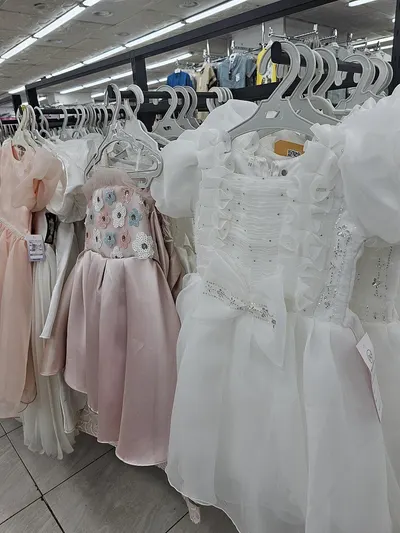
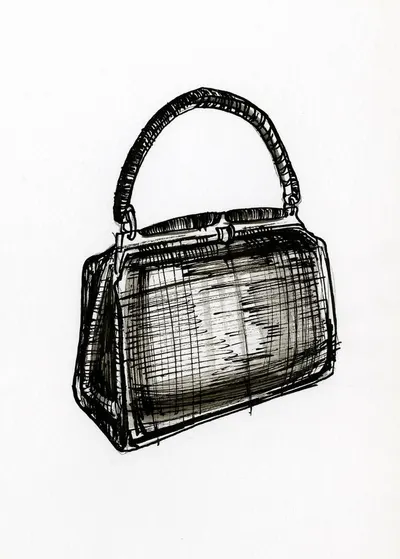
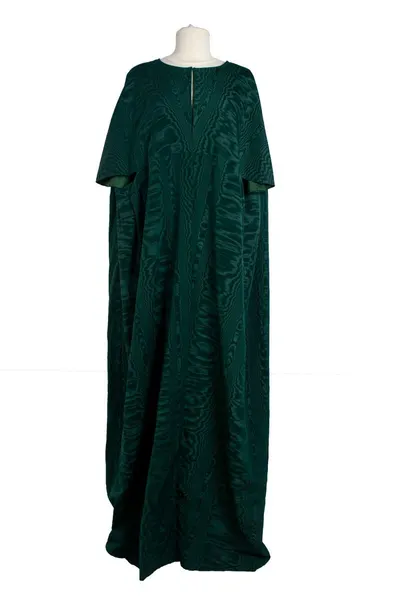
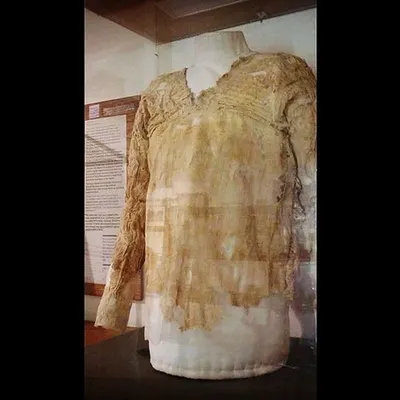
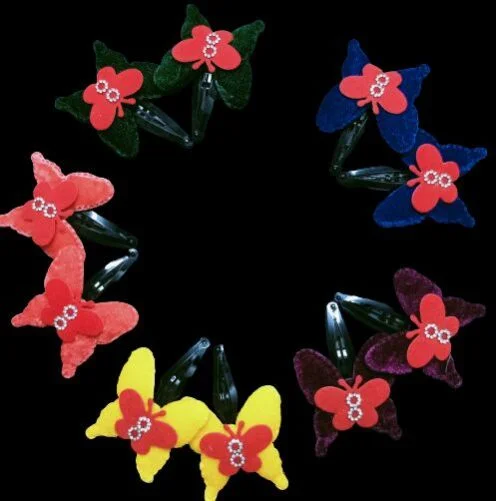
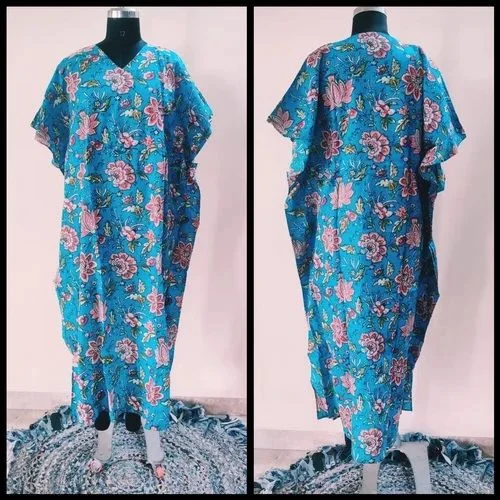
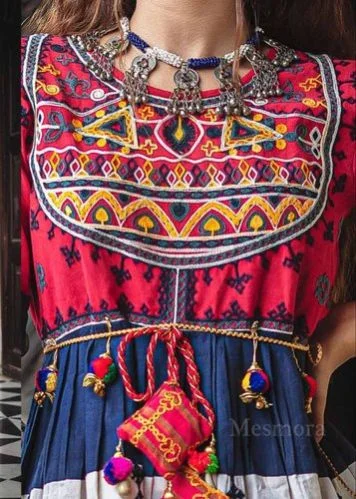
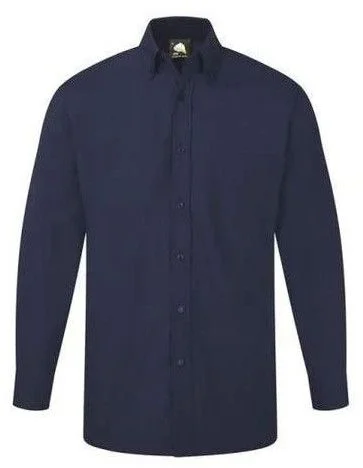
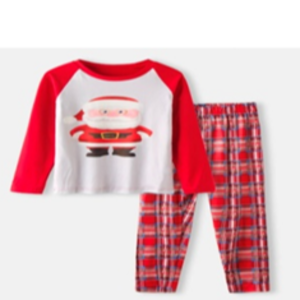
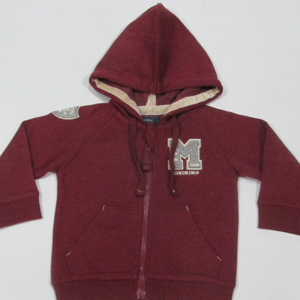
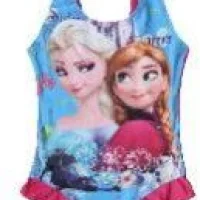
PT Arfan Outfit Indonesia is based in Indonesia and currently lists five distinct products in its catalogue. The active product count of five includes items classified under Children Clothing and Accessories, Handbags, Kaftans, Other Ladies Dresses, and Shirts. The catalogue records a Kidswear line (HS code 6111.20) made from 100 % cotton or a cotton‑polyester blend, an embroidered lady’s handbag, a Kaftan/Alibiyan, a Gandoura, and a Batik shirt. These entries reflect the supplier’s focus on apparel and accessories rather than other textile categories.
The supplier’s product mix spans both ready‑to‑wear garments and fashion accessories. Children’s garments are described as cotton or cotton‑polyester, while the handbag is noted as embroidered, suggesting a decorative finish. Kaftans and Gandoura are traditional loose‑fit dresses, and the Batik shirt indicates a printed cotton style common in Indonesian fashion. No HS codes are provided for the handbag, kaftan, Gandoura, or shirt, limiting the customs classification to the Kidswear entry.
Product Range and Specialties of PT Arfan Outfit Indonesia
The catalogue offers Kidswear under HS 6111.20, typically categorized as knitted or crocheted cotton children’s garments. In the broader market, children’s clothing is often produced to ICUMSA 45‑70 cotton purity and may carry Oeko‑Tex Standard 100 certification for harmful substance limits. Handbags, while not HS‑coded here, are usually classified under HS 4202 and can be crafted from leather, PU, or fabric with embroidered detailing. Kaftans and Gandoura fall within the HS 6204 family for women’s or girls’ dresses, commonly made from woven cotton, linen, or rayon with a weight range of 120‑180 g/m². Batik shirts are generally placed in HS 6105 (men’s or boys’ shirts) and feature batik‑printed cotton fabrics, often requiring colorfastness and shrinkage tests.
Trade and Export Information - PT Arfan Outfit Indonesia
Indonesia is a major exporter of textile and apparel products, with Europe, the United States, and the Middle East representing the largest destination markets for children’s clothing and fashion accessories. Exporters of Kidswear (HS 6111) typically ship in 40‑foot containers, using carton packaging that protects the cotton fibers and maintains moisture at less than 12 %. Handbag and Kaftan shipments follow similar logistics, with HS 4202 and HS 6204 goods often subject to pre‑shipment inspection under Indonesia’s Ministry of Trade regulations. Buyers commonly request certificates such as Oeko‑Tex, ISO 9001, and, for organic cotton, GOTS, although these certifications are not listed for this supplier.
Standard Incoterms for Indonesian apparel exports include FOB Jakarta or CIF destination port, with freight forwarders handling customs documentation that references the HS codes provided. Export documentation generally includes a commercial invoice, packing list, certificate of origin, and, where required, a phytosanitary or textile inspection certificate. Buyers should verify that the supplier’s packaging meets container weight limits (approximately 22 t for a 40 ft container) and that moisture content complies with buyer specifications.
Sourcing from PT Arfan Outfit Indonesia - Buyer Guidance
When sourcing Kidswear from PT Arfan Outfit Indonesia, request a material composition certificate confirming the 100 % cotton or cotton‑polyester blend, as well as any Oeko‑Tex Standard 100 test reports if the buyer requires restriction of hazardous substances. For the handbag, ask for a product sample to assess embroidery quality and request information on the base material (leather, PU, or fabric) and any relevant HS classification. Kaftan, Gandoura, and Batik shirt orders should be accompanied by fabric specifications, GSM (typically 120‑180 g/m²), and colorfastness test results.
Buyers should confirm the supplier’s ability to meet minimum order quantities, which for small‑batch apparel often start at 500 pieces per style, and clarify lead times, typically 30‑45 days after sample approval. Verify that the supplier can provide the necessary export documents, including a certificate of origin and any requested third‑party test reports. Requesting a pre‑shipment inspection can help ensure compliance with the buyer’s quality standards before the goods are loaded.
Frequently Asked Questions About PT Arfan Outfit Indonesia
What product categories does PT Arfan Outfit Indonesia list in its catalogue?
The supplier lists five products: Kidswear (children’s clothing), an embroidered lady’s handbag, a Kaftan/Alibiyan, a Gandoura, and a Batik shirt, covering children’s apparel, accessories, and women’s dresses.
Which HS code is provided for any product in the catalogue?
Only the Kidswear item includes an HS code, which is 6111.20 for knitted or crocheted children’s garments.
What material is specified for the Kidswear product?
The Kidswear is described as made from 100 % cotton or a cotton‑polyester blend.
Are there any certifications listed for PT Arfan Outfit Indonesia?
No certifications are mentioned in the supplied facts; buyers should request any required certificates such as Oeko‑Tex or ISO 9001 during negotiations.
What typical documentation is needed for importing the listed apparel from Indonesia?
Importers generally require a commercial invoice, packing list, certificate of origin, and any applicable textile inspection certificates; HS codes help customs classification.
What are common quality tests for the cotton garments offered?
Buyers often request Oeko‑Tex Standard 100 reports, colorfastness to washing, shrinkage percentages, and GSM verification for cotton shirts and dresses.
What packaging and container size are standard for these products?
Standard practice is to pack garments in cartons suitable for 40‑foot containers, with total container weight not exceeding 22 tonnes and moisture content below 12 % for cotton items.
How can a buyer obtain a sample before placing a full order?
The buyer should contact the supplier to request a physical sample of the desired product, specify the material composition to be tested, and agree on any sample fees or shipping terms such as FOB or CIF.




 , Indonesia