PGA Exports — Verified Supplier
About PGA Exports - Multi‑Category Supplier in India
India hosts PGA Exports, which currently lists nine active products across a diverse set of categories. The catalogue spans apparel such as T‑shirts, meat items like mutton, several food commodities including ground nuts, coconut oil, palm jaggery and plant‑derived products such as moringa powder, curry leaves and neem extracts. Each product falls under the broader categories of Shirts & T‑Shirts, Meat & Poultry, Groundnuts, Coconut Oil, Plants & Plant Extracts, Coir Fibers, Jaggery and Disposable Cutlery as indicated in the supplier’s top‑category list. No HS‑code information is supplied for these items, so the description relies on the product names and their typical trade classifications. The supplier’s trust tier is listed as “harbor”, indicating a mid‑level verification level in the platform’s trust system.
Product Range and Specialties of PGA Exports
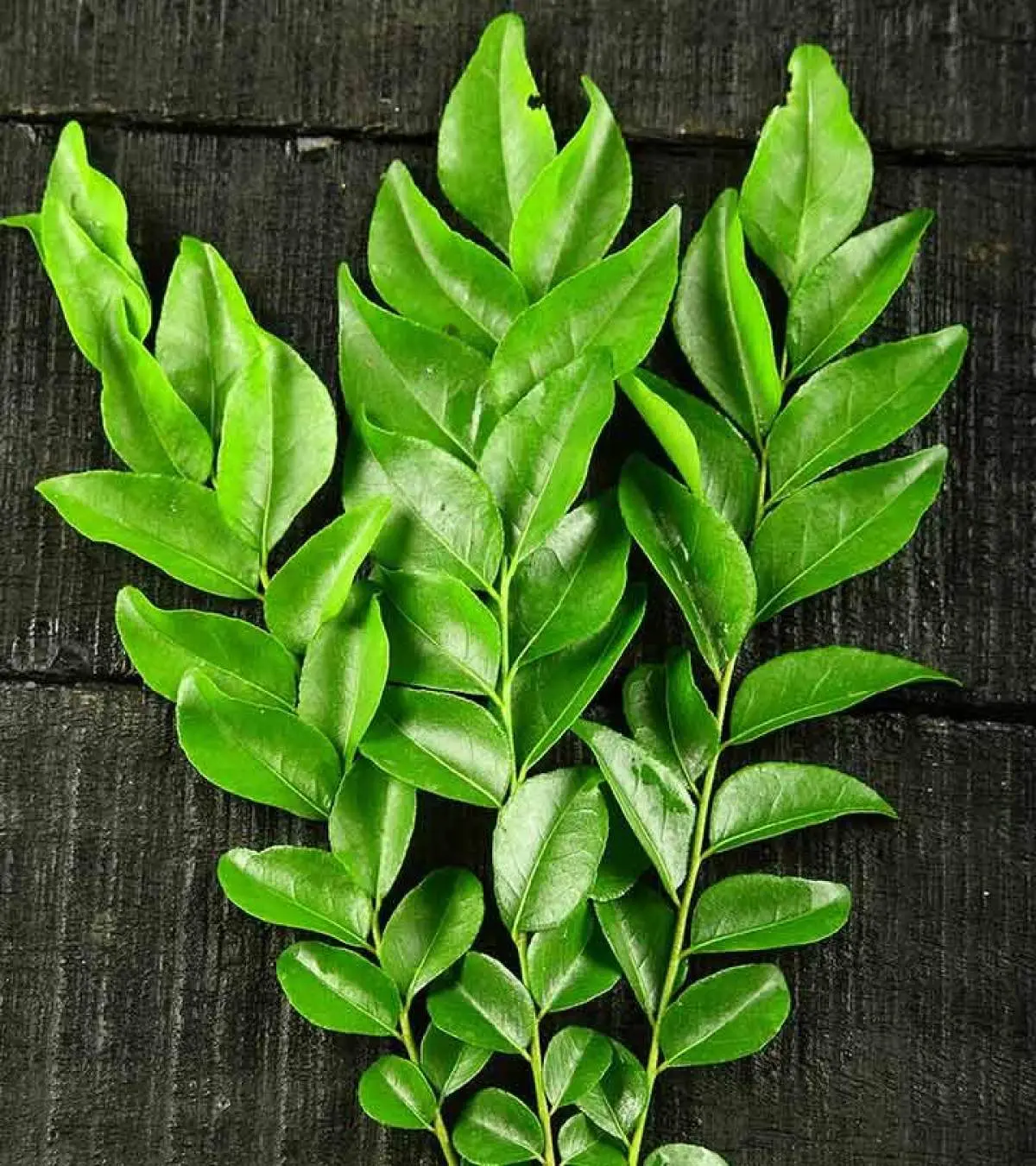
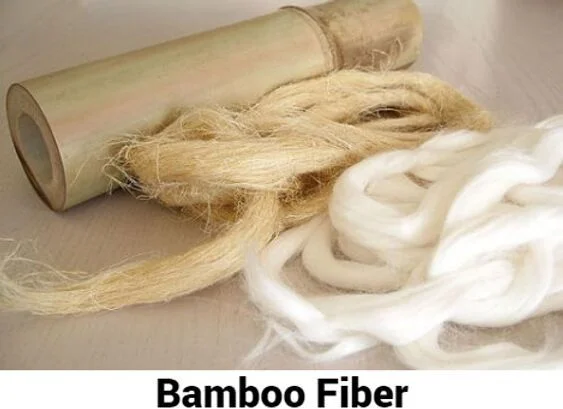
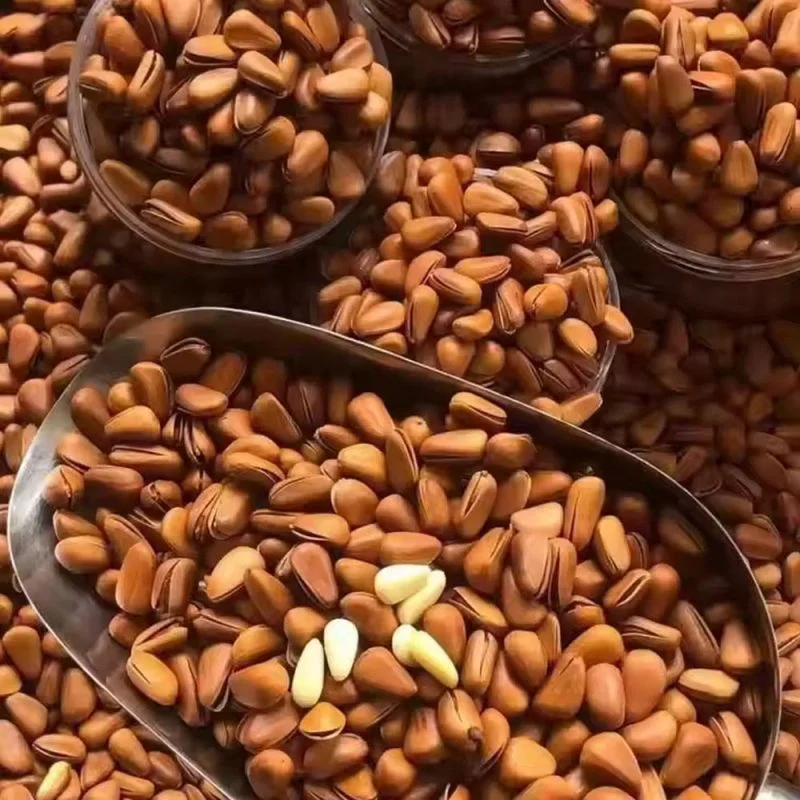
The catalogue includes a cotton T‑shirt, fresh or frozen mutton, shelled ground nuts, refined coconut oil, dried moringa leaf powder, raw coconut coir fiber, traditional palm jaggery, fresh curry leaves and various neem‑based products. In the apparel segment, buyers typically assess GSM (180‑220), stitch count and finished dimensions; for ground nuts, standard moisture content is below 5 % and shell‑to‑kernel ratio is a common quality metric. Coconut oil is usually evaluated by free fatty acid (FFA) level (≤0.5 %) and iodine value (≈85‑95). Moringa powder is graded by ash content (≤8 %) and microbial limits, while coir fiber is classified by length (10‑20 mm) and tensile strength. Palm jaggery quality is measured by moisture (≤8 %) and color grade, and fresh herbs such as curry leaves and neem are inspected for pesticide residues and moisture content.
Trade and Export Information - PGA Exports
India exports the listed product groups to regions including the Middle East, Southeast Asia, Europe and North America, with apparel shipments typically routed through major ports such as Mumbai and Chennai, and food commodities often using refrigerated containers for meat and bulk bags for nuts and oil. Buyers commonly require certifications such as ISO 9001 for process quality, FSSAI registration for food items, and phytosanitary certificates for plant extracts; these are not listed as held by the supplier, so they should be requested during due diligence. Standard packaging includes poly‑bagged T‑shirts, vacuum‑sealed or chilled packs for mutton, 25 kg bulk bags for ground nuts and oil, and jute or polypropylene sacks for jaggery and coir fiber. International trade for these goods usually follows Incoterms FOB or CIF, with HS chapters 61 for apparel, 02 for meat, 12 for nuts and oil, and 13 for plant extracts guiding customs classification.
Sourcing from PGA Exports - Buyer Guidance
When sourcing from PGA Exports, buyers should ask for product specifications sheets that detail GSM for T‑shirts, FFA and iodine values for coconut oil, moisture and shell‑to‑kernel ratios for ground nuts, and microbial test results for herbal powders. Requesting a recent phytosanitary certificate for curry leaves, neem products and moringa powder is standard practice, as is a laboratory analysis confirming pesticide limits for all plant extracts. Sample orders are typically sized at one unit for apparel, 5 kg for nuts or oil, and 1 kg for powders, allowing verification of texture, colour and lab‑tested parameters before larger contracts. Verify the supplier’s ability to meet packaging requirements such as sealed vacuum packs for meat or moisture‑proof liners for jaggery, and confirm lead times, which in India commonly range from 7‑14 days for ready‑made apparel to 15‑30 days for processed food items pending certification.
Frequently Asked Questions About PGA Exports
What types of T‑shirts does PGA Exports offer and how can I assess their quality?
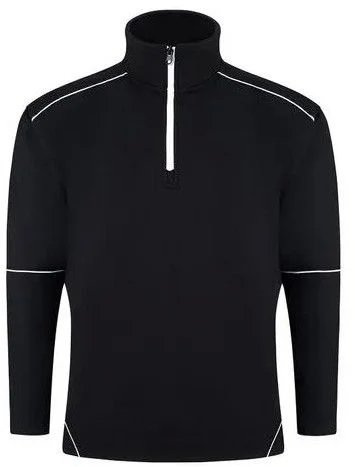
The supplier lists a standard cotton T‑shirt. Quality is usually verified by checking the fabric weight (180‑220 gsm), stitch density and dimensional stability after washing.
Does PGA Exports provide any certifications for its food products?
No certifications are listed in the facts. Buyers should request ISO 9001, FSSAI registration, and relevant phytosanitary certificates before confirming orders.
What are the typical packaging formats for ground nuts and coconut oil?
Ground nuts are commonly packed in 25 kg bulk bags with inner liners, while refined coconut oil is shipped in 200 L steel drums or 25 kg food‑grade drums, sealed to prevent oxidation.
How is palm jaggery usually graded and what tests should I request?
Palm jaggery is graded by moisture content (≤8 %) and color shade. Request a moisture analysis report and a microbial safety test before acceptance.
What lead times should I expect for mutton shipments from India?
Lead times for fresh or frozen mutton from Indian exporters typically range from 15 to 30 days, depending on cold‑chain logistics and required health certificates.
Are samples available for moringa powder and neem products?
Yes, suppliers generally provide 1 kg sample packs for powders and extracts. Ask for a Certificate of Analysis covering ash content, heavy metals and pesticide residues.




 , India