Payyanayil Farm — Verified Supplier
About Payyanayil Farm - Fish Supplier in India
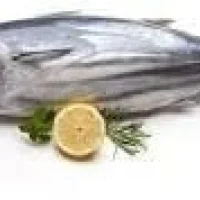
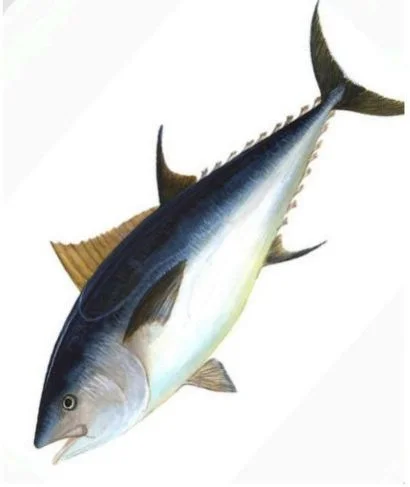
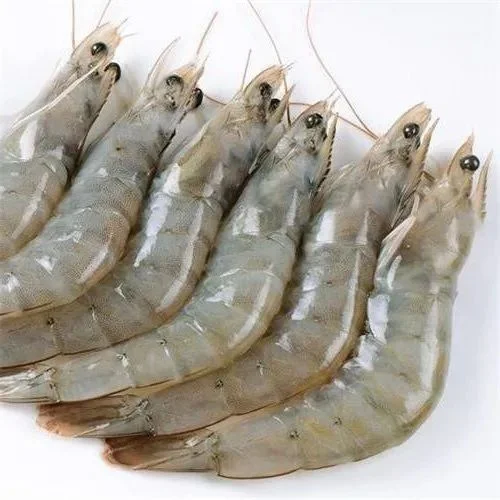
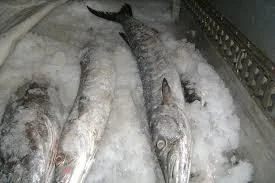
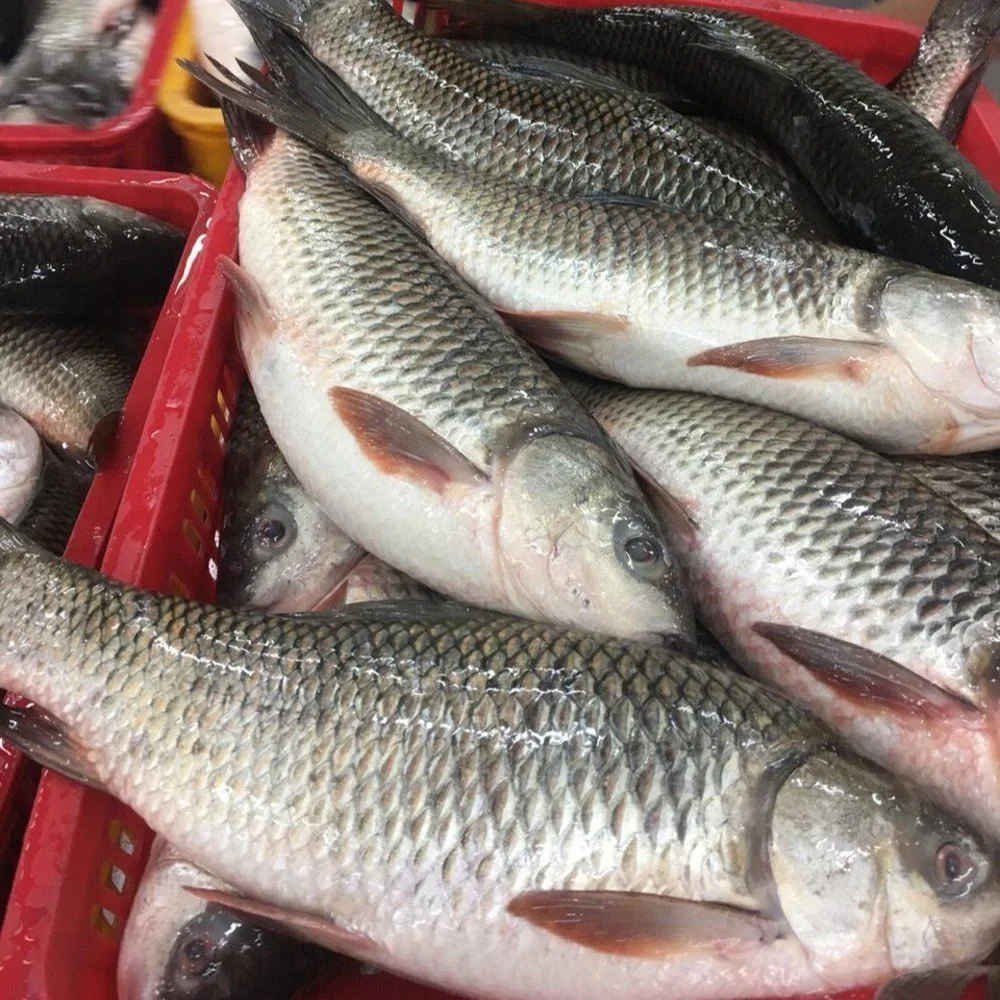
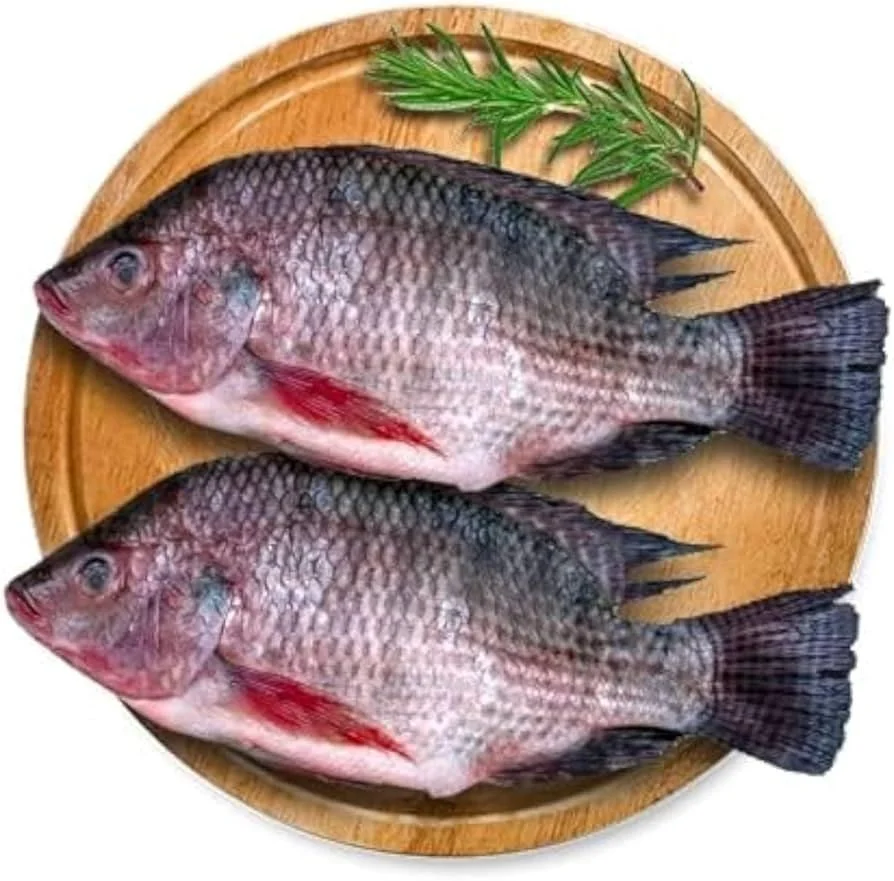
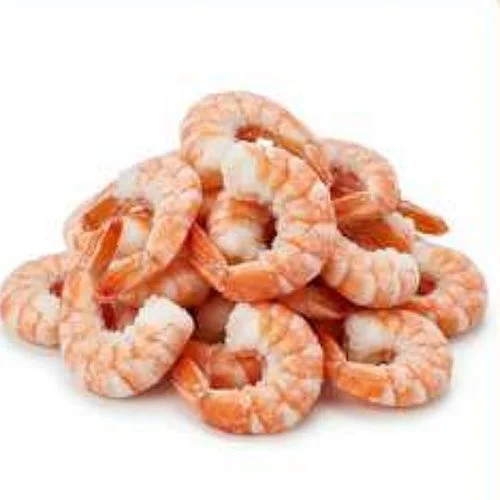
India is the country of origin for Payyanayil Farm and the supplier currently lists seven active products. The catalogue covers Tiger Prawns, Virgin Coconut Oil, Coconut Oil, Pearl Spot Fish, Shrimp, Oscar Fish and Tilapia. These items are grouped under the top categories Fish, Coconut Oil, Fresh Prawns and Shark Fins Shrimps & Prawns as indicated in the supplier data. The active product count of seven reflects the range that the supplier is prepared to export. Each product is presented with its common commercial name rather than a brand label.
Product Range and Specialties of Payyanayil Farm
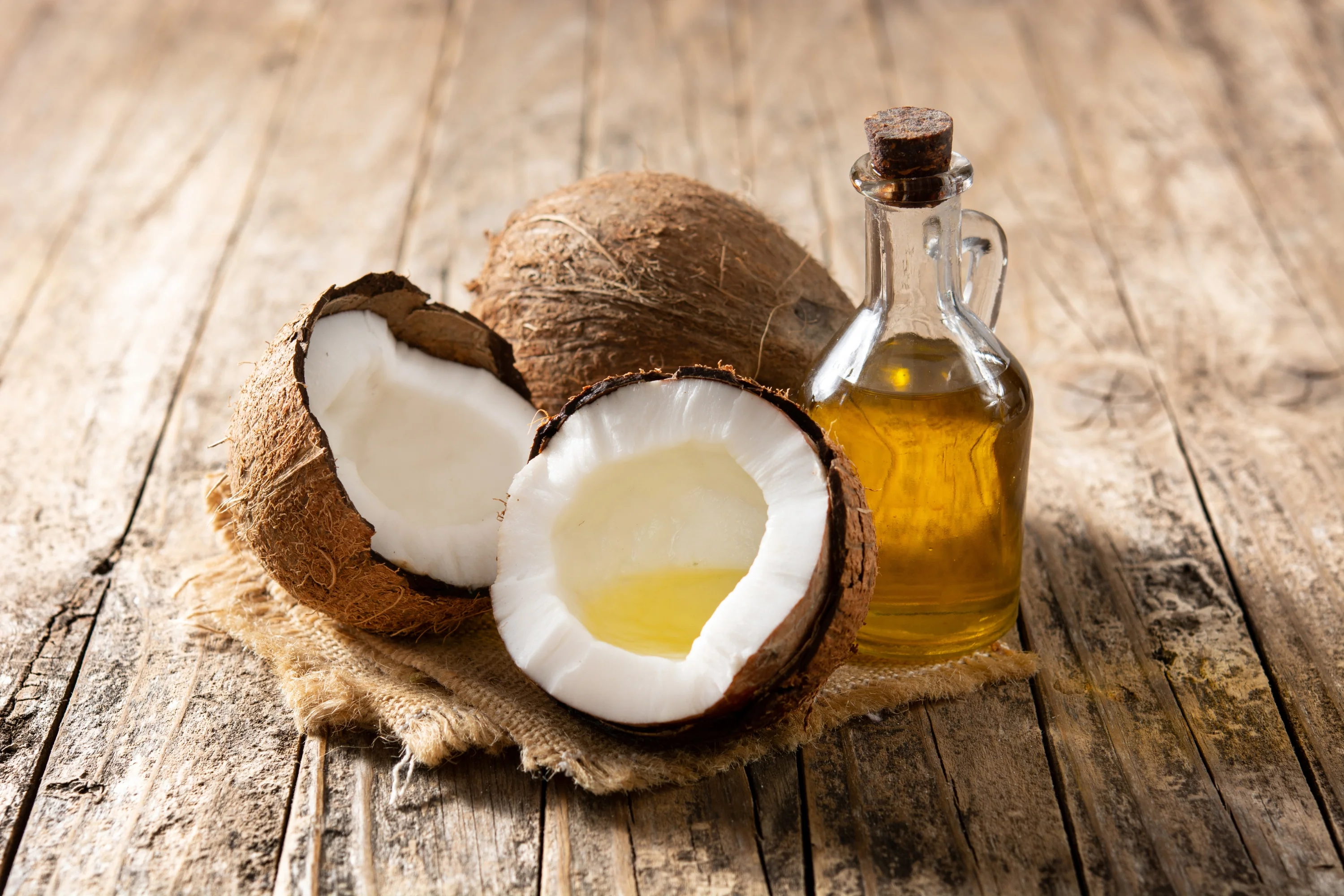
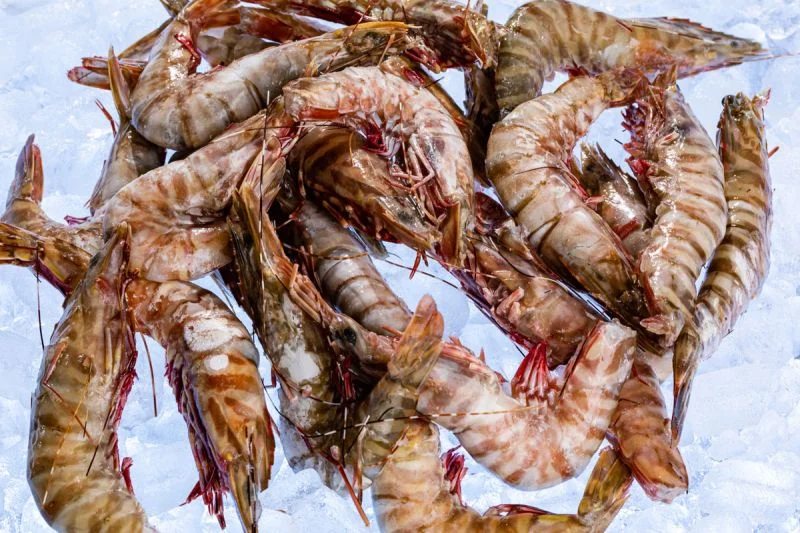
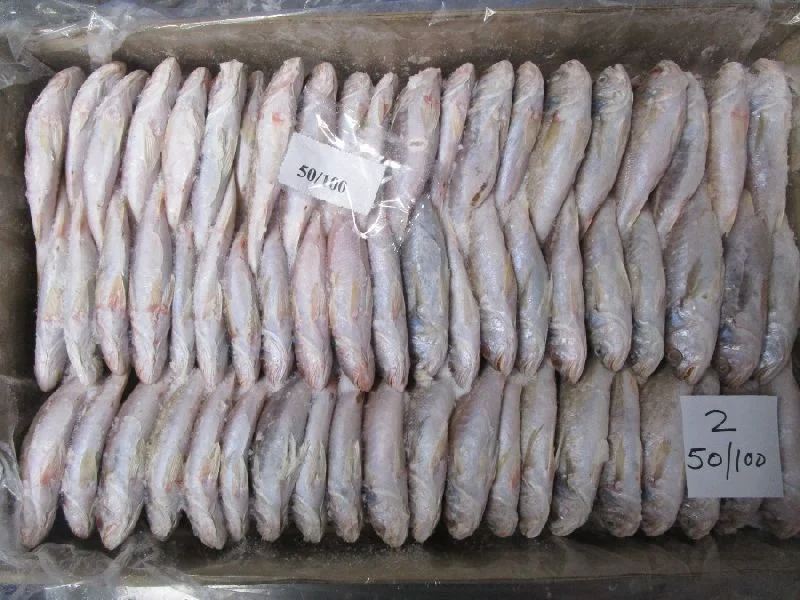
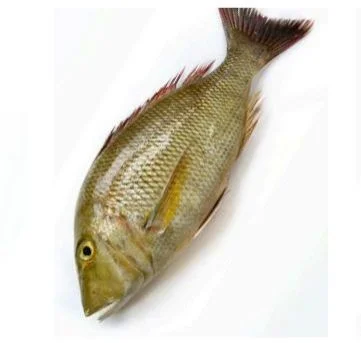
The seafood selection includes Tiger Prawns, Shrimp, Pearl Spot Fish, Oscar Fish and Tilapia. In international trade Tiger Prawns are often sized 30‑40 count per kilogram and sold frozen at - 18 °C, while shrimp grades are commonly expressed by count per kilogram such as 20‑30 pcs/kg. Pearl Spot Fish and Tilapia are typically supplied as whole gutted fish weighing 300‑500 g each for fresh market channels. The coconut oil line comprises Virgin Coconut Oil, which generally meets free fatty acid levels below 0.8 % and peroxide values under 10 meq/kg, and refined Coconut Oil with free fatty acid below 1 % and a cloud point around 24 °C. These specifications align with the standard quality parameters used by buyers of seafood and vegetable oils worldwide.
Trade and Export Information - Payyanayil Farm
India ranks among the world’s leading exporters of marine products and vegetable oils. Seafood from the Indian sub‑continent is commonly shipped to the European Union, the United States, the Middle East and Southeast Asian markets. Buyers in these regions usually require compliance with HACCP, BRC or ISO 22000 food safety schemes and may request certificates of origin and health certificates issued by the exporting authority. Coconut oil shipments are typically packed in food‑grade drums or bulk containers, with a 20 ft container holding roughly 12‑14 metric tonnes of oil. Standard Incoterms used by Indian exporters include FOB at the nearest port and CIF to the buyer’s destination, with insulated containers for frozen seafood and sealed drums for oil.
Sourcing from Payyanayil Farm - Buyer Guidance
When sourcing seafood from Payyanayil Farm, buyers should request a recent HACCP audit report, a microbiological test sheet covering total plate count and coliforms, and a size‑grading certificate for each crustacean product. For coconut oil, a free fatty acid analysis, peroxide value test and a Certificate of Analysis confirming virgin status are typical documents. Verify that the supplier can provide a phytosanitary certificate for fish and a certificate of origin for oil before confirming the order. Samples should be requested in the same packaging format as the commercial shipment to validate temperature control for frozen prawns and oil quality for the coconut products.
Frequently Asked Questions About Payyanayil Farm
What types of seafood does Payyanayil Farm list in its catalogue?
The catalogue includes Tiger Prawns, Shrimp, Pearl Spot Fish, Oscar Fish and Tilapia, covering both crustacean and fin‑fish species.
Which coconut oil products are offered?
Two oil products are listed: Virgin Coconut Oil, which meets low free fatty acid specifications, and refined Coconut Oil for general cooking applications.
Are size or count specifications available for the prawns and shrimp?
Typical industry grades are 30‑40 pcs/kg for Tiger Prawns and 20‑30 pcs/kg for shrimp; buyers should confirm the exact count in the supplier’s technical sheet.
What certifications should a buyer request for these products?
Buyers normally request HACCP or ISO 22000 food safety certificates, a health certificate for seafood, and a Certificate of Analysis for oil covering free fatty acid and peroxide values.
What packaging formats are used for export?
Frozen seafood is shipped on ice in insulated containers, while coconut oil is packed in food‑grade drums or bulk containers suitable for 20 ft or 40 ft shipping units.
Which Incoterms are commonly used by the supplier?
FOB at the nearest Indian port and CIF to the buyer’s destination are the typical Incoterms employed for these product lines.
What documentation is required for customs clearance?
Customs authorities usually require a commercial invoice, packing list, certificate of origin, health certificate for fish and a Certificate of Analysis for oil.
Which markets are the primary destinations for these exports?
The primary export markets include the European Union, the United States, the Middle East and Southeast Asian countries, reflecting the typical demand patterns for Indian seafood and coconut oil.




 , India