Pasific Makanan Laut — Supplier
About Pasific Makanan Laut - Fresh or Chilled Fish Supplier in Indonesia
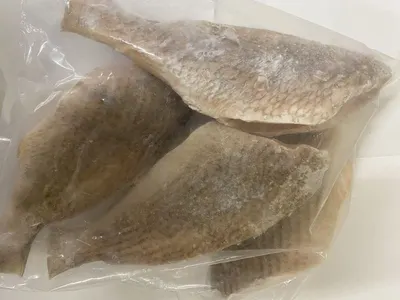
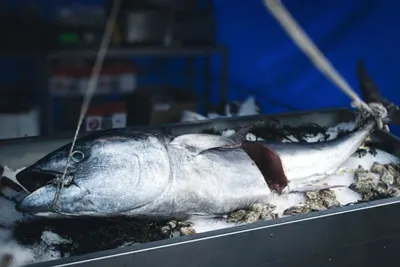
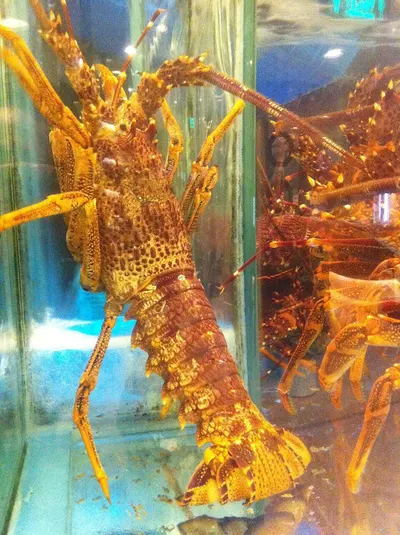
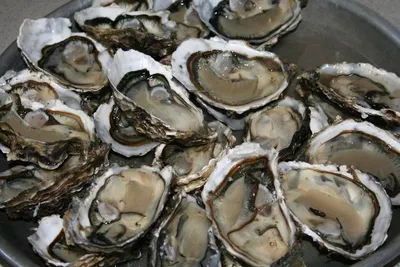
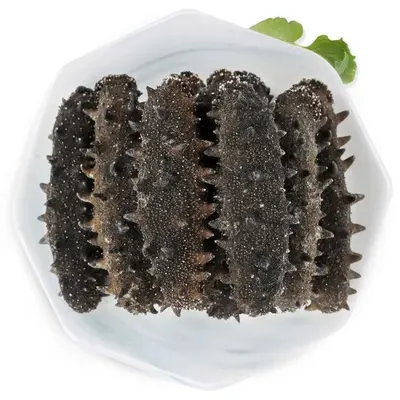
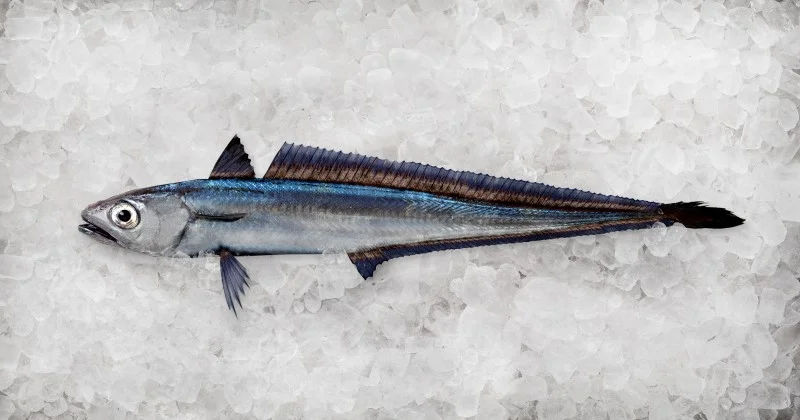
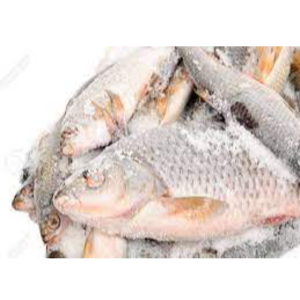
Indonesia is a major exporter of marine products, and Pasific Makanan Laut lists 15 active seafood items. The catalogue covers species ranging from pelagic fish such as Pollock and Black Cod to high‑value species like Sockeye Salmon and Sturgeon. It also includes crustaceans (King crab), bivalves (Oysters, Mussels, Scallops), echinoderms (Sea Urchins, Sea Cucumbers) and cephalopods (Octopus, Squid). The supplier groups these items under top categories that include Fresh or Chilled Fish, Fresh Salmon Fish, Fresh or Chilled Seafood, Frozen Crabs, Frozen Oysters, Frozen Seafood, Fresh Scallops and Fresh Sea Cucumber. All 15 entries are presented without additional processing details.
The product list reflects both fresh/chilled and frozen formats, with items such as Fresh Scallops and Frozen Crabs appearing side by side. The catalogue also mentions value‑added products like Salmon Roe and Sturgeon Caviar, which are typically traded in vacuum‑packed containers. No specific certifications are recorded for the supplier, so buyers should verify compliance with common seafood safety standards. The supplier is classified under the “harbor” trust tier, indicating a mid‑level verification level in the platform. Trade is focused on international seafood markets that require traceability and quality documentation.
Product Range and Specialties of Pasific Makanan Laut
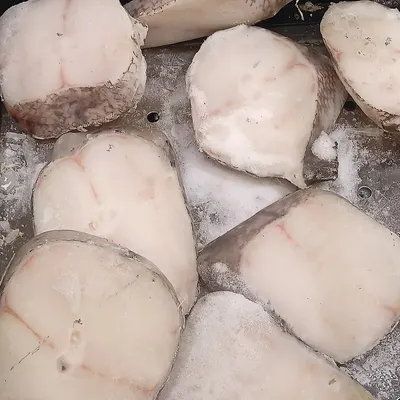
The catalogue includes Pollock, Black Cod and Sturgeon, species commonly graded by fillet thickness (e.g., 20‑30 mm for pollock) and moisture content below 78 %. Salmon varieties such as Sockeye are usually sold fresh at temperatures ≤ 0 °C and meet colour standards for flesh redness. Crustacean products like King crab are measured by carapace weight (1.5‑2.5 kg) and are often frozen at - 18 °C to preserve texture. Bivalves (Oysters, Mussels, Scallops) are typically sized by shell length (30‑45 mm for scallops) and packed on ice in insulated boxes. Cephalopods (Octopus, Squid) are graded by mantle length (10‑20 cm) and delivered frozen. Specialty roe and caviar are classified by egg size (e.g., 2 mm for salmon roe) and salted to a specific NaCl level (2‑3 %).
Trade and Export Information - Pasific Makanan Laut
Indonesia ranks among the top global exporters of marine products, with the majority of shipments destined for the European Union, United States, Japan and China. Fresh and chilled fish are usually shipped in insulated containers with gel packs, while frozen crab, oyster and other frozen seafood travel in refrigerated containers (20 ft or 40 ft) at - 18 °C. Buyers typically request HACCP, BRC Global Standard for Food Safety, and ISO 22000 certificates, as well as ASC or MSC eco‑label evidence for wild‑caught fish. HS chapter 03 (e.g., 0302 for fresh fish, 0303 for crustaceans, 0304 for molluscs) governs customs classification for the listed products.
Export logistics from Indonesian ports such as Jakarta and Surabaya rely on rapid cold‑chain handling to maintain product freshness. Documentation commonly includes a sanitary certificate, phytosanitary certificate for live molluscs, and a commercial invoice with HS codes. Freight terms frequently use CIF or FOB, with buyers arranging refrigerated container space. Seasonal peaks occur between November and March, aligning with peak harvest of many tropical species.
Sourcing from Pasific Makanan Laut - Buyer Guidance
Prospective buyers should request the supplier’s HACCP and ISO 22000 certificates, together with recent microbial test reports for each seafood type. For high‑value items like Sturgeon Caviar and Salmon Roe, a certificate of origin and analysis of salt content are standard verification documents. Confirm packaging details - insulated boxes with ice for fresh fish, individual vacuum‑packed bags for roe, and bulk frozen cartons for crab - to ensure compliance with temperature requirements.
Typical minimum order quantities in the Indonesian seafood market range from 200 kg for fresh fish to 1 tonne for frozen crustaceans, with lead times of 7‑14 days after order confirmation. Request a physical sample or a video inspection before finalizing large shipments, and verify that the supplier can provide traceability records back to the catch or farm source.
Frequently Asked Questions About Pasific Makanan Laut
What product categories does Pasific Makanan Laut offer?
The supplier lists 15 items covering fresh or chilled fish (Pollock, Black Cod, Sockeye Salmon, Sturgeon), crustaceans (King crab), bivalves (Oysters, Mussels, Scallops), echinoderms (Sea Urchins, Sea Cucumbers), cephalopods (Octopus, Squid) and specialty roe products (Salmon Roe, Sturgeon Caviar).
Which certifications should a buyer request from this supplier?
Buyers should ask for HACCP, ISO 22000 and BRC Food Safety certificates, as well as any ASC or MSC eco‑label documentation that applies to wild‑caught fish, because these are the standards commonly required for Indonesian seafood exports.
What are typical packing methods for the fresh fish items?
Fresh fish such as Pollock and Sockeye Salmon are usually packed on ice in insulated wooden crates or reusable plastic containers, maintaining a temperature of 0 °C to 2 °C during transit.
How is frozen crab typically shipped?
King crab is generally frozen at - 18 °C, packed in bulk insulated cartons, and loaded into a refrigerated 20 ft or 40 ft container with continuous temperature monitoring.
What documentation is needed for bivalve exports like Oysters and Scallops?
Export of Oysters and Scallops normally requires a sanitary certificate, a phytosanitary certificate for live shellfish, and a commercial invoice that lists the appropriate HS code from chapter 03.
What are common quality specifications for salmon roe and caviar?
Salmon roe is typically checked for egg size around 2 mm, a moisture content below 70 %, and a salt level of 2‑3 %. Sturgeon caviar is graded by grain size (large, medium, small) and must meet a total bacterial count below 10⁴ CFU/g.
What are the usual lead times and MOQ for orders?
Lead times are generally 7‑14 days after order confirmation, with minimum order quantities of about 200 kg for fresh fish and 1 tonne for frozen crustaceans, though exact figures depend on the product.




 , Indonesia