Pashmina Brand — Supplier
About Pashmina Brand - Shawls Supplier in India
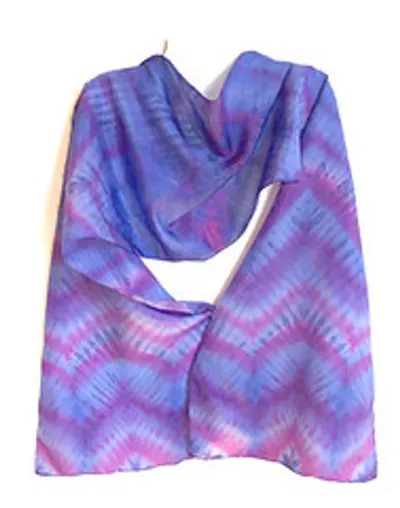
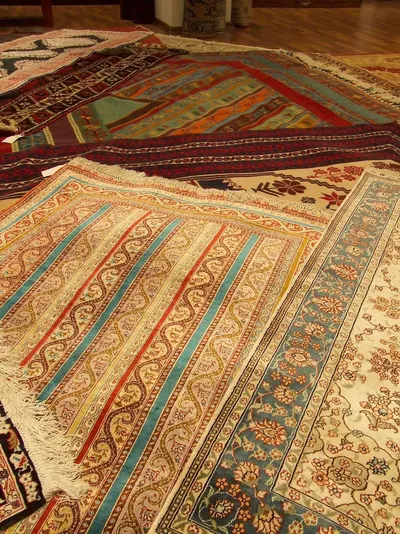
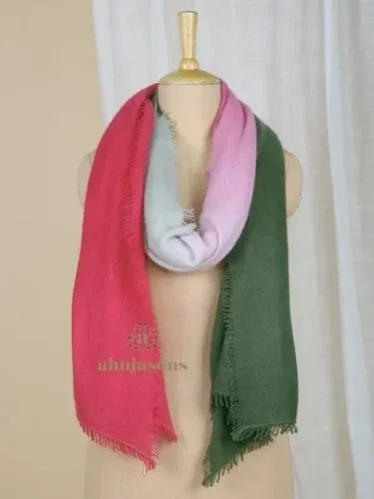
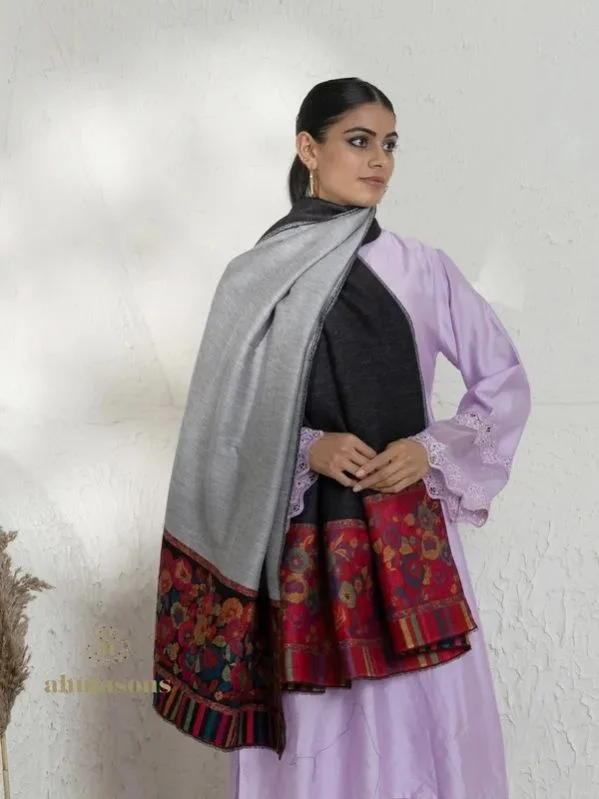
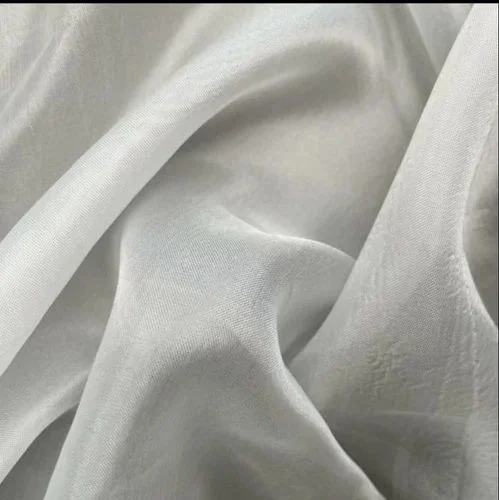
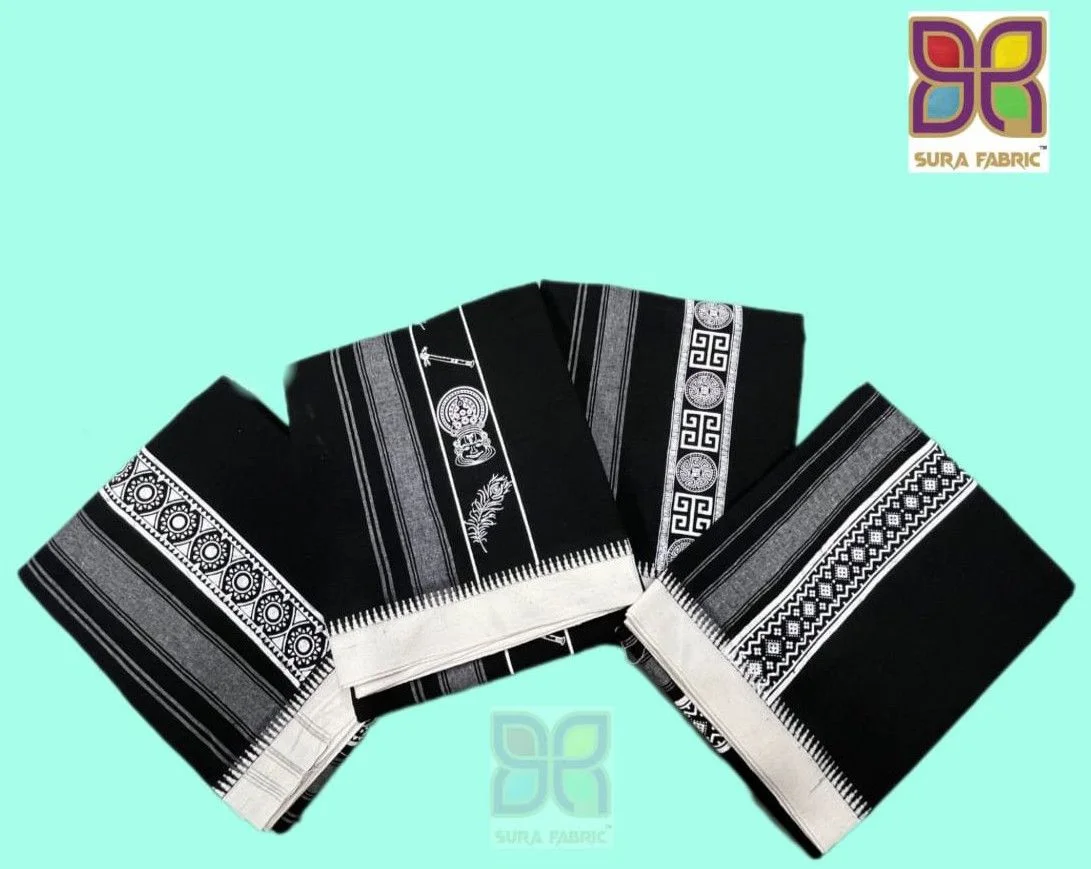
India is the source country for Pashmina Brand, which currently lists seven active products. The catalogue is organized under three top categories: Shawls, Scarves/Stoles, and Silk Carpets. Within the Shawls segment the supplier offers a standard Pashmina Shawl, a Pashmina Stole, and a Pashmina Embroidered Shawl. The Scarves/Stoles segment includes Pashmina Scarves and a Pashmina UAAC Ghutra, while the carpet segment features Pashmina Throws and a Kashmir Silk Carpet. All items are described using the terms provided in the supplier’s catalogue.
The listed shawls and stoles are made from pashmina fibre, a fine cashmere variant typically ranging between 12 and 16 microns in diameter, and are commonly produced in dimensions of 180 × 200 cm for shawls and 140 × 180 cm for stoles. The embroidered shawl adds hand‑applied motifs on the same base material. The scarf range follows similar fibre specifications with lengths of 150 cm to 180 cm and widths of 30 cm to 40 cm. The Pashmina Throws are larger textile pieces, often 120 cm × 150 cm, used as decorative blankets. The Kashmir Silk Carpet is woven from pure mulberry silk, with typical pile heights of 2 - 3 mm and dimensions such as 2 m × 3 m as listed.
Product Range and Specialties of Pashmina Brand
Pashmina Brand’s product range covers three distinct textile categories. In the shawl and stole family the items are crafted from pashmina, a cashmere derivative valued for its softness and thermal insulation; industry standards often grade pashmina by micron count (12 - 16 µm) and by yarn twist per inch, with premium grades labeled as 15 µm or finer. The embroidered shawl incorporates supplementary silk or metallic threads, which are evaluated for stitch density, typically 20 - 30 stitches per cm². The scarf and ghutra items follow the same fibre specifications, with common quality checks including colour fastness to washing (ISO 105‑C06) and abrasion resistance (Martindale 10 000 cycles).
The carpet line, represented by the Kashmir Silk Carpet, uses hand‑loomed mulberry silk with a standard knot count of 200 - 300 knots per square inch, a metric that determines smoothness and durability. Buyers usually request a pile density test and a tensile strength measurement, often expressed in N/cm², to confirm the carpet’s load‑bearing capacity. Typical packaging for carpets includes rolled shipment in reinforced cardboard tubes, protected by moisture‑resistant film.
Trade and Export Information - Pashmina Brand
India ranks among the top global exporters of fine cashmere and silk textiles, with primary destinations in the Middle East, Europe, and North America. Buyers of pashmina shawls and scarves typically import under HS Chapter 62 for apparel and Chapter 63 for other textile articles, and they often require compliance with standards such as Oeko‑Tex Standard 100, ISO 9001 quality management, and, where applicable, the Global Organic Textile Standard (GOTS) for organic fibres. Inspection agencies like SGS or Bureau Veritas frequently perform pre‑shipment checks covering fibre diameter, colour consistency, and dimensional tolerances.
Silk carpets from India are commonly shipped in 20‑foot or 40‑foot containers, rolled and secured against moisture. Importers usually request a phytosanitary certificate and a certificate of origin to satisfy customs requirements. Common Incoterms used by Indian textile exporters include FOB (Port of Mumbai or Kolkata) and CIF for destinations in Europe and the United States, with freight handled by container lines specializing in bulk textile cargo.
Sourcing from Pashmina Brand - Buyer Guidance
Prospective buyers should obtain a fibre‑micron test report and a colour‑fastness certificate for any pashmina product before confirming a purchase. Requesting a sample of the actual yarn or a finished swatch helps verify the claimed softness and weight, which typically range from 300 g to 500 g per shawl. For the Kashmir Silk Carpet, a sample of the woven area together with a knot‑count verification and tensile strength test is advisable.
Standard minimum order quantities (MOQ) in this segment are often 50 pieces for shawls or stoles and 10 m² for carpet panels, with lead times of 30 to 45 days from order receipt to shipping. Buyers should confirm the packaging format - polyethylene bags for shawls, reinforced cardboard tubes for carpets - and ensure that the supplier can provide the required inspection certificates, such as an SGS pre‑shipment report, before loading the container.
Frequently Asked Questions About Pashmina Brand
What materials are used in the Pashmina shawls and scarves?
The shawls, stoles, scarves and the UAAC Ghutra are made from pashmina fibre, a fine cashmere variant with a typical diameter of 12 - 16 µm, while the Kashmir Silk Carpet is woven from pure mulberry silk.
Are there any standard quality tests for the embroidered shawl?
Yes, the embroidered shawl is usually tested for stitch density (20 - 30 stitches per cm²) and for colour fastness to washing (ISO 105‑C06) and light (ISO 105‑B02).
What certifications should a buyer request for these textiles?
Buyers commonly request Oeko‑Tex Standard 100 certificates, ISO 9001 quality‑management certification, and, if organic fibre is claimed, a GOTS certificate, together with an SGS pre‑shipment inspection report.
What are typical packaging methods for the carpet and the throws?
The Kashmir Silk Carpet is rolled in reinforced cardboard tubes and wrapped in moisture‑resistant film; Pashmina Throws are folded and packed in polyethylene bags inside double‑wall cartons.
What is a realistic MOQ and lead time for the shawl range?
Minimum order quantities are generally around 50 finished shawls or stoles, and manufacturers usually require 30 - 45 days from order confirmation to shipment.
Which Incoterms are most frequently used for exporting these products from India?
Exporters often quote FOB from major Indian ports such as Mumbai or Kolkata, and CIF for European or North‑American destinations.
How can a buyer verify the authenticity of the Kashmir Silk Carpet?
Verification steps include requesting a sample with documented knot count (200 - 300 knots per square inch), a tensile strength test result, and a certificate of origin together with a pre‑shipment inspection report.




 , India