PACE ELECTRONICS TECH (HK) CO LIMITED — Manufacturer & Wholesale Supplier
About PACE ELECTRONICS TECH (HK) CO LIMITED - Industrial Batteries Supplier in China
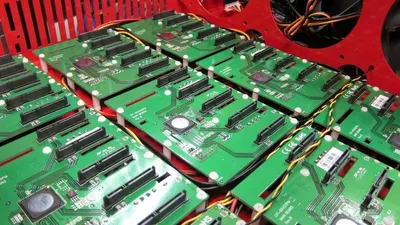
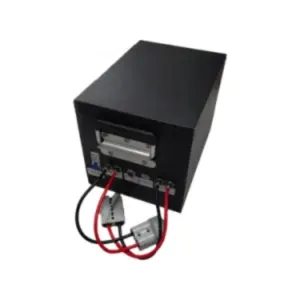
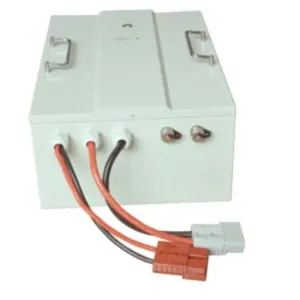
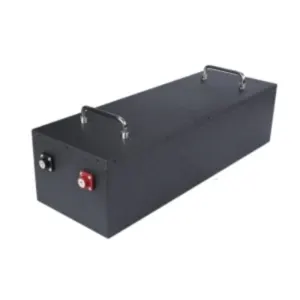
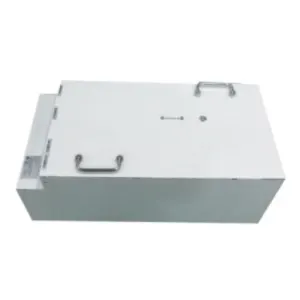
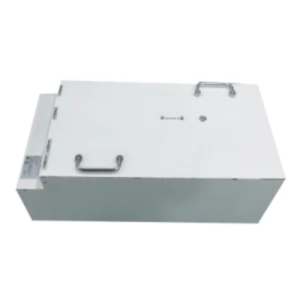
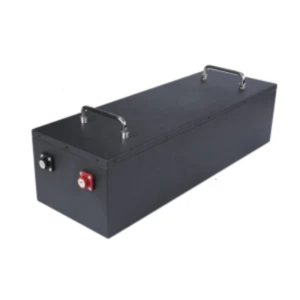
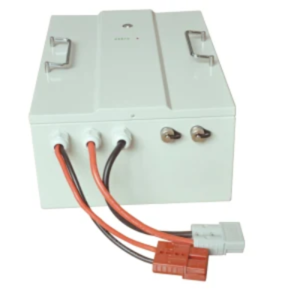
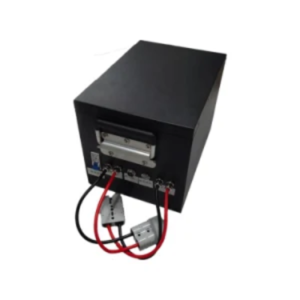
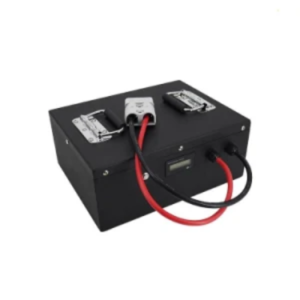
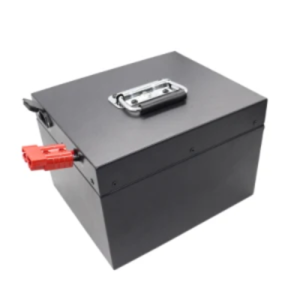
Based in GuangGong, China, PACE ELECTRONICS TECH (HK) CO LIMITED lists ten active lithium‑ion battery products. The catalogue covers industrial, automotive, solar, electronic, mobile phone, general batteries, button cells, and battery testers. All items are presented under HS chapter 85, specifically code 8507.60 for lithium‑ion batteries. The company describes the products as packs with voltages from 24 V to 64 V and capacities ranging from 50 Ah to 200 Ah. Each pack incorporates a built‑in battery management system (BMS) designed by the supplier’s R&D team.
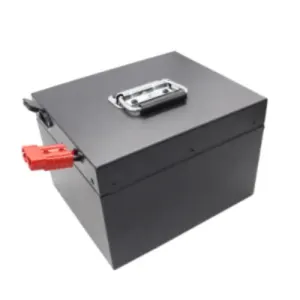
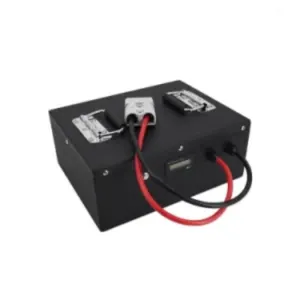
The ten listed products are LifePO4 lithium‑ion packs, each customized to the voltage and capacity required by the buyer. Product titles include Fast Charge 48 V 60 Ah for AGV, Custom 36 V 100 Ah for AMR, 48 V 100 Ah for robots, and 60 V 50 Ah for golf carts, among others. The consistent HS code 8507.60 reflects their classification as rechargeable lithium‑ion batteries. The material specification is LiFePO4, a chemistry valued for thermal stability and long cycle life. The supplier emphasizes the integration of smart BMS features such as charge‑over‑voltage protection and state‑of‑charge monitoring.
Product Range and Specialties of PACE ELECTRONICS TECH (HK) CO LIMITED
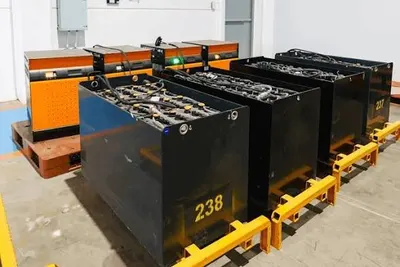
The catalogue focuses on LiFePO4 battery packs designed for automated guided vehicles (AGV), autonomous mobile robots (AMR), forklifts, golf carts, and other electric equipment. In the industry, such packs are commonly offered in voltage steps of 24 V, 36 V, 48 V, 60 V and 64 V, with capacities from 20 Ah up to 250 Ah, and are rated for continuous discharge currents of 1 C to 3 C. Buyers typically look for compliance with IEC 62133 for safety, UN 38.3 for transport, and may request CE or UL certification. Standard performance metrics include cycle life of 1500 - 3000 cycles, energy density around 90 - 120 Wh/kg, and a maximum operating temperature of 60 °C. Customization options often cover BMS firmware, terminal configuration, and enclosure dimensions to fit specific equipment.
Trade and Export Information - PACE ELECTRONICS TECH (HK) CO LIMITED
Chinese manufacturers of LiFePO4 packs export primarily to Europe, North America, Southeast Asia and the Middle East, where electric mobility and material handling sectors drive demand. The HS code 8507.60 places the goods in the “Lithium‑ion batteries” sub‑heading, subject to customs duties that vary by destination and may require a certificate of origin. International shipments are usually packed in wooden crates or reinforced cardboard with anti‑short circuit protection and labeled under IATA Class 9 for lithium batteries. Common Incoterms are FOB Shanghai or CIF Hong Kong, with buyers often requesting pre‑shipment inspection reports such as SGS or Bureau Veritas.
Regulatory requirements typically include compliance with REACH (for any hazardous substances), the EU Battery Directive, and US EPA regulations for hazardous waste. Buyers often ask for test reports covering capacity, internal resistance, self‑discharge rate, and safety tests like short‑circuit, over‑charge, and temperature cycling. Export documentation generally comprises commercial invoice, packing list, bill of lading, and where required, a test certificate confirming UN 38.3 compliance.
Sourcing from PACE ELECTRONICS TECH (HK) CO LIMITED - Buyer Guidance
When sourcing LiFePO4 packs from this supplier, request the BMS schematic, cell configuration diagram, and performance test data for the specific voltage‑capacity combination. Verify that the supplied test reports meet IEC 62133 and UN 38.3 standards, and ask for third‑party inspection certificates if the buyer’s market requires them. Confirm the pack dimensions, weight, and terminal layout to ensure compatibility with the intended equipment.
Typical minimum order quantities for custom packs range from one unit for prototype trials to several hundred units for production runs; lead time is often 4 - 8 weeks after final design approval. Packaging is usually in 20‑ft or 40‑ft containers with moisture‑resistant dunnage, and the supplier can arrange CIF or FOB terms. Buyers should also clarify warranty period, usually 12 months for capacity retention, and request a spare‑parts list for BMS modules.
Frequently Asked Questions About PACE ELECTRONICS TECH (HK) CO LIMITED
What voltage and capacity options are available in the current catalogue?
The catalogue lists packs at 24 V, 36 V, 48 V, 60 V and 64 V with capacities from 50 Ah up to 200 Ah, for example a 48 V 60 Ah fast‑charge pack and a 60 V 50 Ah golf‑cart pack.
Do all battery packs include a built‑in BMS?
Yes, each listed product incorporates a smart BMS that provides charge‑over‑voltage protection, state‑of‑charge monitoring and cell balancing, and the BMS design is handled by the supplier’s R&D team.
Which certifications should I request before purchasing?
Buyers typically request safety certifications such as IEC 62133, transport certification UN 38.3, and any regional marks like CE or UL that confirm compliance with local regulations.
What is the standard HS code for these products?
All ten products are classified under HS code 8507.60, which covers rechargeable lithium‑ion batteries.
How are the batteries packaged for export?
Packs are placed in reinforced cardboard boxes or wooden crates with anti‑short‑circuit protection, then loaded into 20‑ft or 40‑ft containers; the containers are labeled according to IATA Class 9 requirements for lithium batteries.
What is the typical lead time for a custom pack?
After final design approval, the supplier generally needs 4 to 8 weeks to manufacture and test a custom LiFePO4 pack, depending on order size.
Can I obtain a sample before placing a large order?
The supplier can provide a single unit or a small batch for evaluation, allowing the buyer to review capacity, BMS functionality and compliance test reports before committing to higher volumes.
What documentation should I verify before shipment?
Request a commercial invoice, packing list, bill of lading, and a third‑party test certificate confirming UN 38.3 and IEC 62133 compliance; these documents are standard for lithium‑ion battery exports.




 , China