Oceanus Foods — Supplier
About Oceanus Foods - Fresh or Chilled Fish Supplier in India
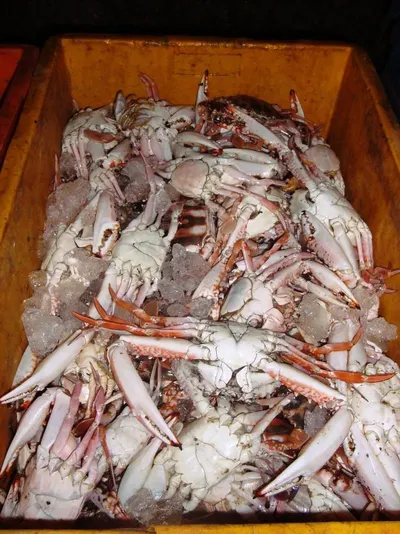
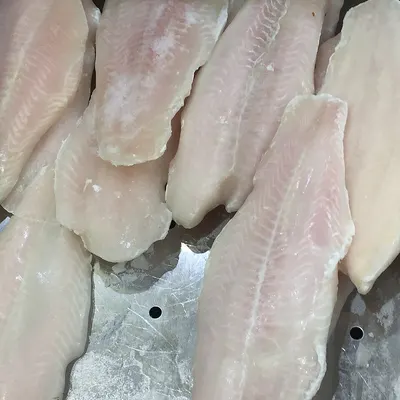
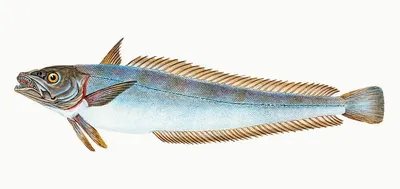
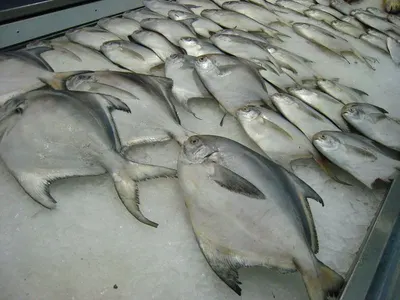
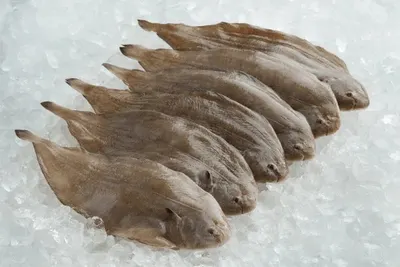
India hosts Oceanus Foods, which currently lists 55 distinct seafood items across its catalogue. The company groups its offer under the top categories Fresh or Chilled Fish, Fresh Shrimps, Fresh Prawns, Fresh Crabs, Fresh Seashells, Frozen Shrimps, Frozen Squid and Frozen Cuttlefish. These categories correspond to HS chapter 03 families for fresh (0302) and frozen (0306‑0307) aquatic products. Oceanus Foods therefore provides a mix of live‑weight and processed marine species that are commonly traded in global seafood supply chains. The listing covers both whole animal forms and value‑added items such as breaded shrimp and squid rings, reflecting a broad product portfolio for wholesale buyers.
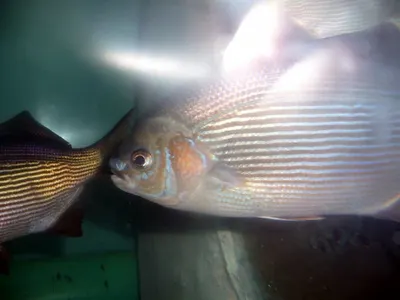
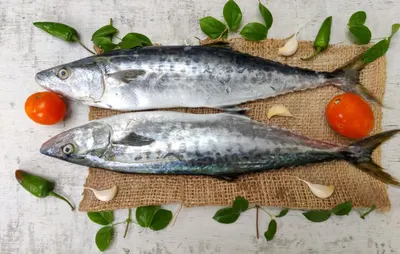
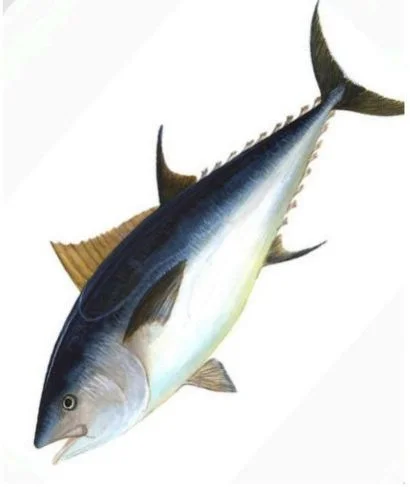
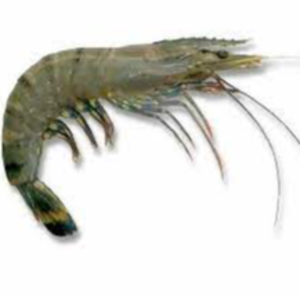
The catalogue includes specific species such as Black Tiger Shrimps (Penaeus monodon), Thelly Prawns (Fenneropenaeus indicus), Mrigal Fish (Cirrhinus cirrhosus), Skipjack Tuna (Katsuwonus pelamis) and a range of frozen preparations like Breaded Squid Rings and Cuttle Fish Cubes. Additional entries list Vannamei Shrimps, Scampi Shrimps, Octopus, various freshwater and marine crabs, and molluscs such as Green Mussle and Yellow Clam. Each product aligns with standard HS sub‑headings for fresh (0302‑0304) or frozen (0306‑0307) seafood, enabling straightforward customs classification. The breadth of species and processing levels supports sourcing needs from fresh‑market distributors to frozen‑food manufacturers.
Product Range and Specialties of Oceanus Foods
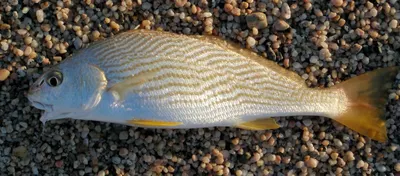
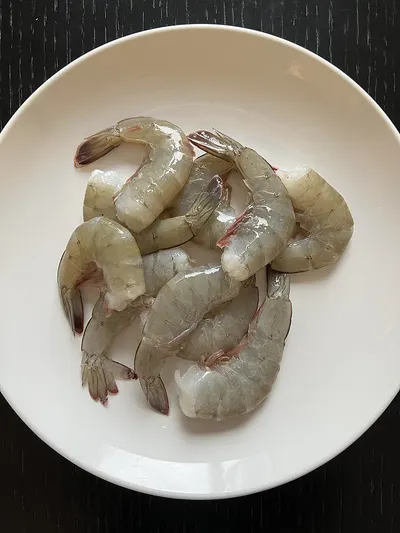
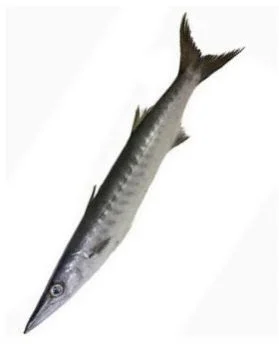
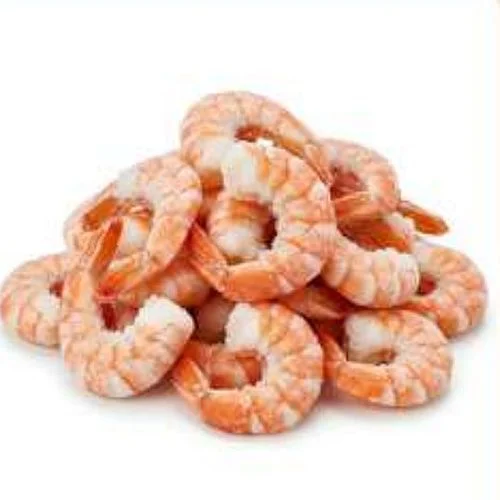
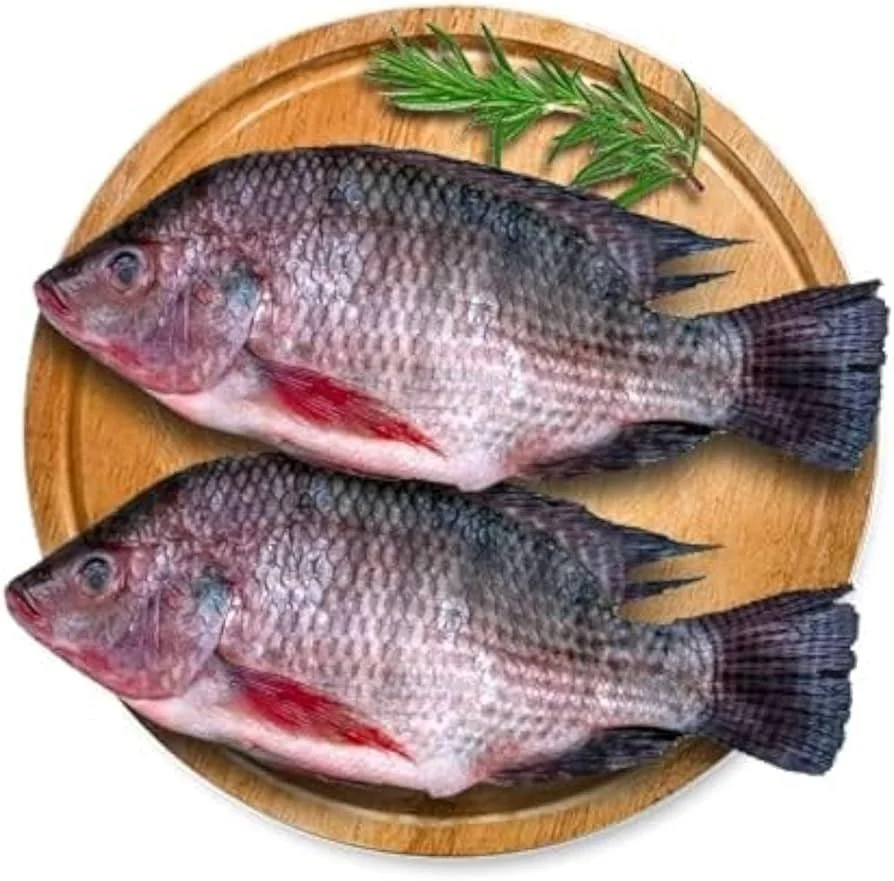
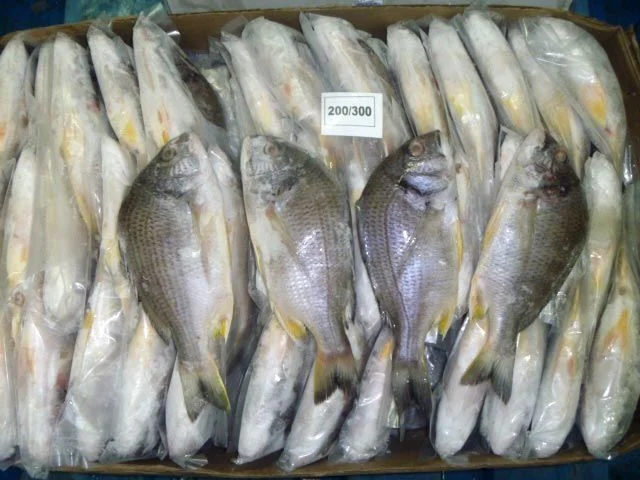
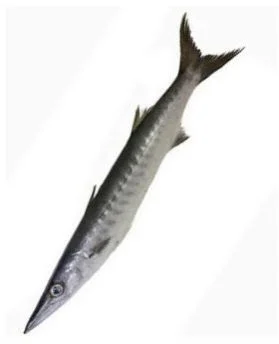
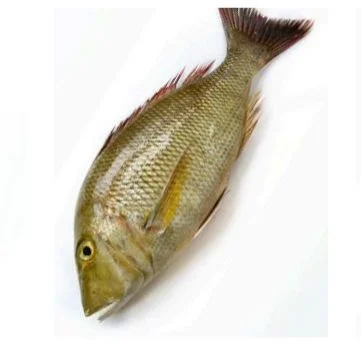
The Oceanus Foods catalogue spans 55 items that include whole fish (e.g., Skipjack Tuna, Seer Fish, Grouper), freshwater species (Mrigal, Catla), and a variety of crustaceans such as Black Tiger, Vannamei and Sea White Prawns. In the frozen segment the company lists breaded shrimp, breaded squid rings, cuttle fish cubes and pre‑cut squid tubes, all of which are typical value‑added formats for retail and food‑service applications. Industry practice grades fresh shrimp by size (e.g., 16 - 20 per kg) and by colour and shell integrity, while frozen shrimp are commonly classified by count per kilogram (U/30, 30/40, 40/50). Frozen squid rings are evaluated on moisture content (usually below 75 %), colour uniformity and absence of off‑odours.
Trade and Export Information - Oceanus Foods
India is a major exporter of both fresh and frozen seafood, with the EU, the United States, the Middle East and Southeast Asia representing the largest destination markets. Products such as fresh fish and live‑weight crustaceans fall under HS 0302, frozen whole shrimp under 0306.10 and frozen molluscs under 0307.10, codes that are routinely inspected by customs authorities and may require a Certificate of Origin and a Health Certificate. Buyers typically request HACCP, BRC or ISO 22000 certification, and for wild‑caught species an Aquaculture Stewardship Council (ASC) or Marine Stewardship Council (MSC) audit is often required. Shipping of fresh fish uses refrigerated containers (reefer) with temperature control at 0 °C ± 1 °C, while frozen items are packed in insulated boxes for 20‑ft or 40‑ft containers under IMO 2‑2‑1 standards. Export documentation from India also includes a Phytosanitary Certificate for molluscs and a Declaration of Compliance with the EU’s IFS or US FDA regulations.
Sourcing from Oceanus Foods - Buyer Guidance
When sourcing from Oceanus Foods, buyers should request the latest HACCP audit report, a copy of any BRC or ISO 22000 certificate, and a laboratory analysis confirming size, moisture and microbiological limits for the specific species. Samples of fresh shrimp or frozen squid should be examined for colour, shell integrity and moisture content before confirming a bulk order. Verify that the packaging meets the buyer’s temperature control requirements - ice‑packed cartons for fresh fish and vacuum‑sealed polybags for frozen products - and confirm the container load plan (typically 20 ft reefers for fresh fish, 40 ft dry containers for frozen items).
Frequently Asked Questions About Oceanus Foods
What seafood categories does Oceanus Foods list in its catalogue?
The supplier lists Fresh or Chilled Fish, Fresh Shrimps, Fresh Prawns, Fresh Crabs, Fresh Seashells, Frozen Shrimps, Frozen Squid and Frozen Cuttlefish, covering both whole and value‑added forms.
Which species of shrimp are included in the Oceanus Foods offering?
The catalogue includes Black Tiger Shrimps (Penaeus monodon), Vannamei Shrimps (Litopenaeus vannamei), Thelly Prawns (Fenneropenaeus indicus), Sea White Prawn (Penaeus indicus), Sea Tiger Prawn (Penaeus monodon) and several regional varieties such as Karikadi and Scampi Shrimps.
What HS codes are typically applicable to the products listed by Oceanus Foods?
Fresh fish and crustaceans are classified under HS 0302, frozen shrimp under HS 0306.10, frozen squid and cuttlefish under HS 0307.10, and processed items like breaded shrimp fall under HS 1604 for prepared fish products.
Which certifications are commonly required for importing these seafood products?
Buyers usually request HACCP, BRC or ISO 22000 certification, and for wild‑caught or farmed shrimp an ASC or MSC audit may be required. Health certificates and a Certificate of Origin are standard for customs clearance.
What packaging formats are used for the fresh and frozen items?
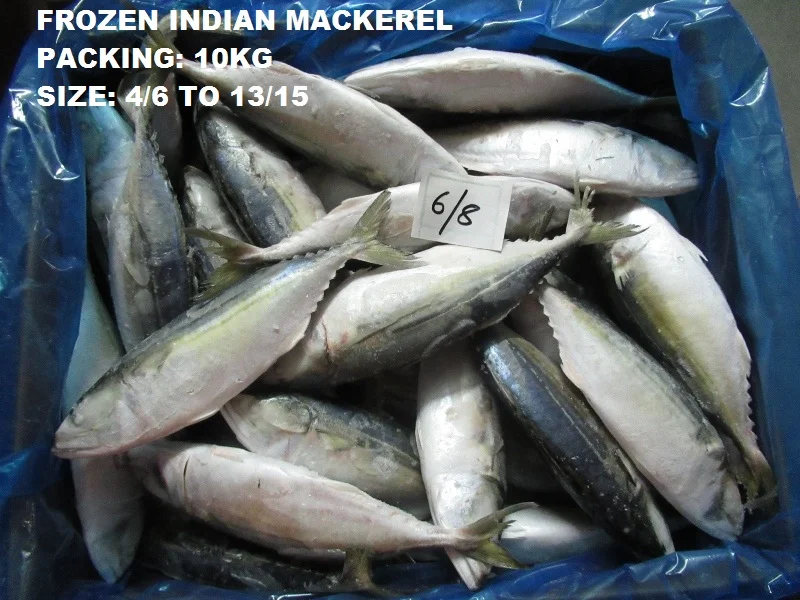
Fresh fish and live shrimp are typically ice‑packed in insulated cartons, while frozen shrimp, squid rings and cuttlefish cubes are vacuum‑sealed in polybags and loaded into 20‑ft or 40‑ft refrigerated containers for transport.
What are typical minimum order quantities and lead times?
Minimum order quantities are generally around 500 kg per species, with larger volumes for common items like Black Tiger Shrimps. Lead times from order confirmation to shipment range from 30 to 45 days, depending on product preparation and sample approval.
How can a buyer verify product quality before placing a full order?
Buyers should request a certified laboratory report covering size, moisture, bacterial load and any residue testing, and obtain a physical sample to assess colour, texture and shell integrity. Confirmation of these parameters helps ensure compliance with import standards.
Which regions most frequently import the types of seafood Oceanus Foods supplies?
The primary import markets are the European Union, the United States, the Gulf Cooperation Council countries and Southeast Asian nations, where demand for both fresh and frozen Indian seafood remains strong.




 , India