Nisie International — Verified Supplier

About Nisie International - Construction Materials Supplier in India

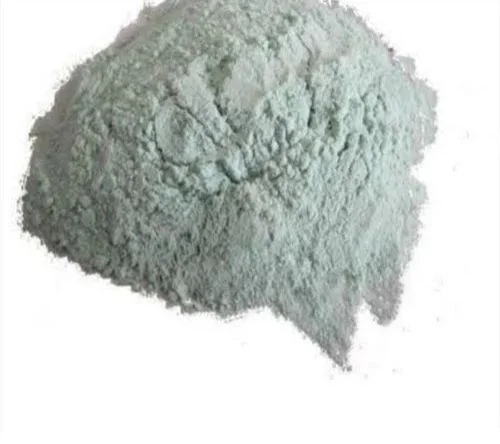
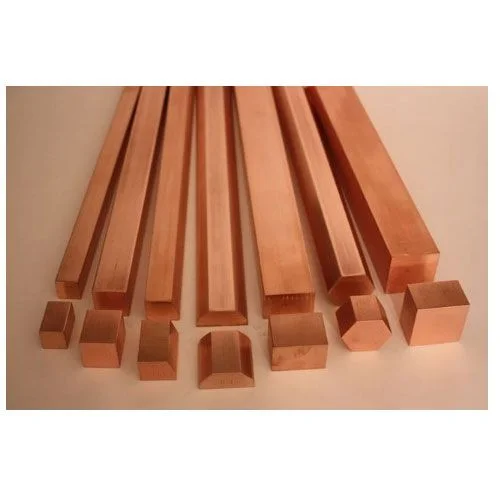
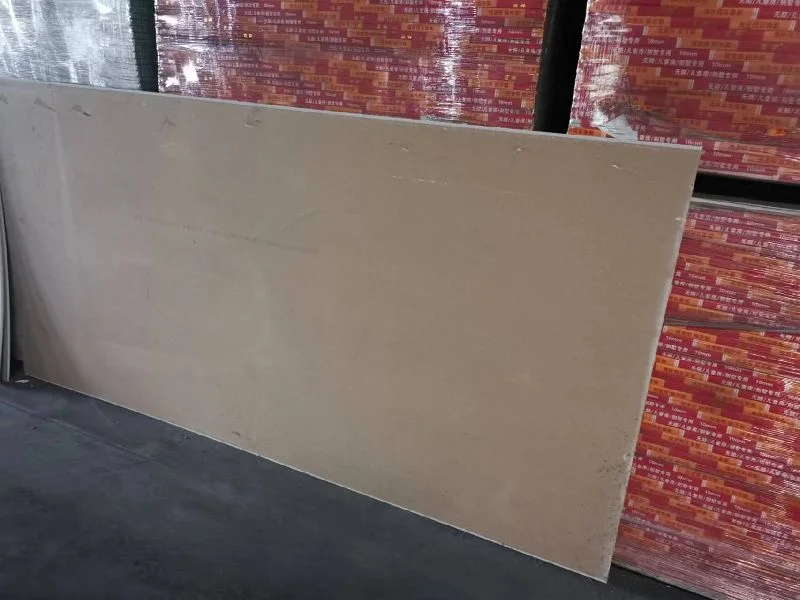
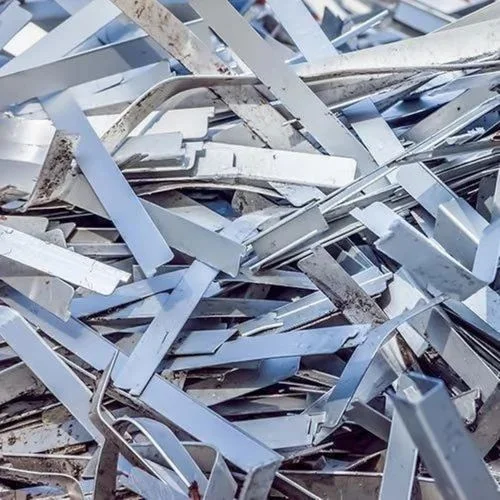
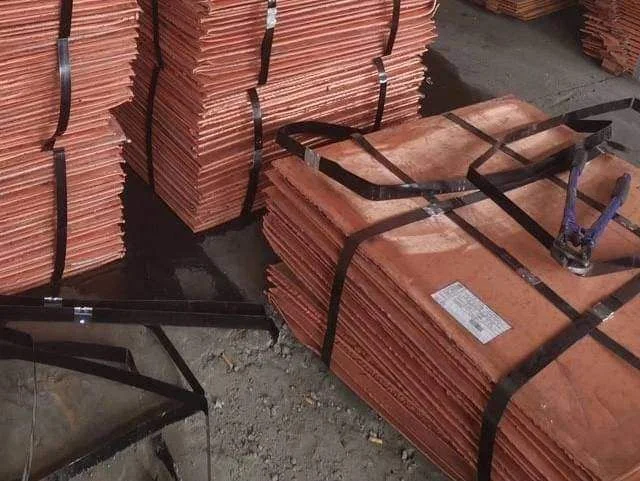
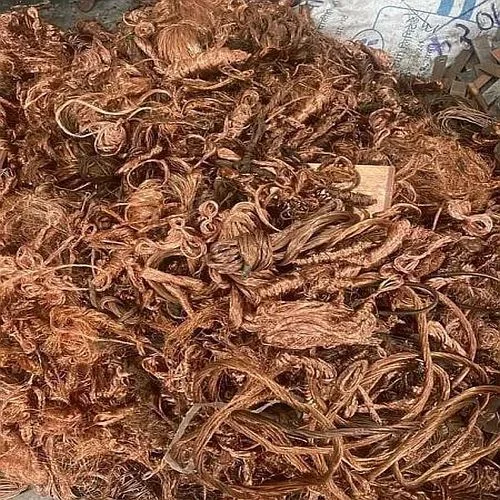
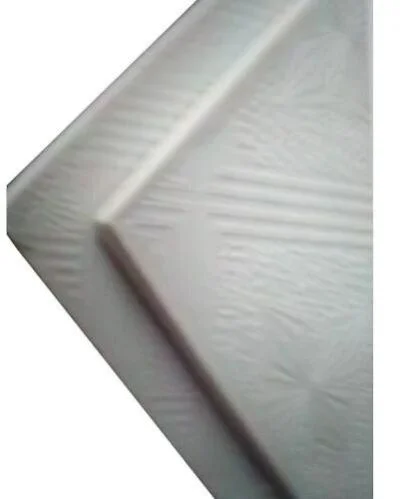
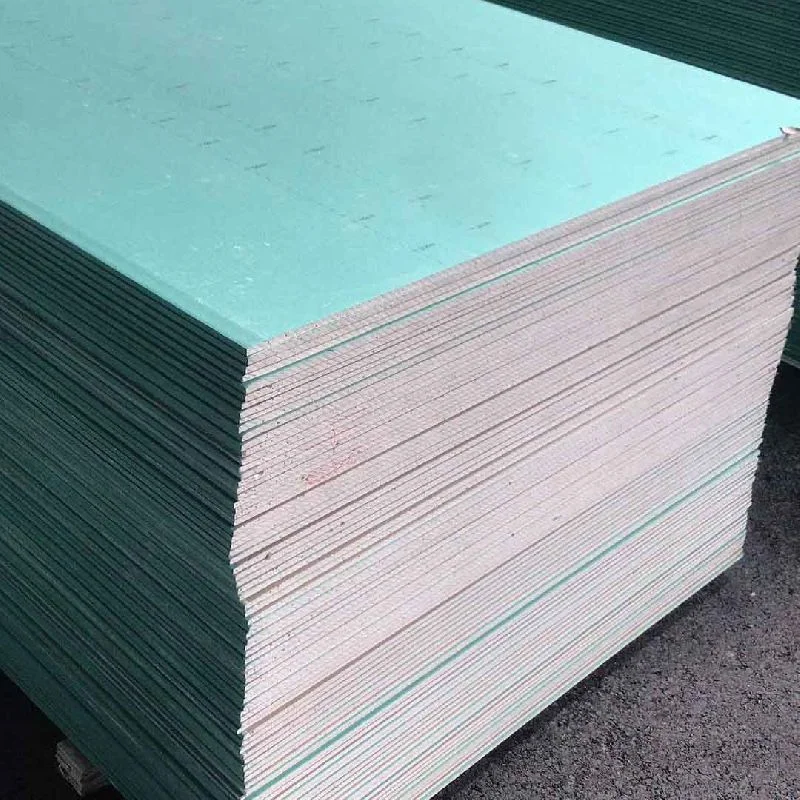
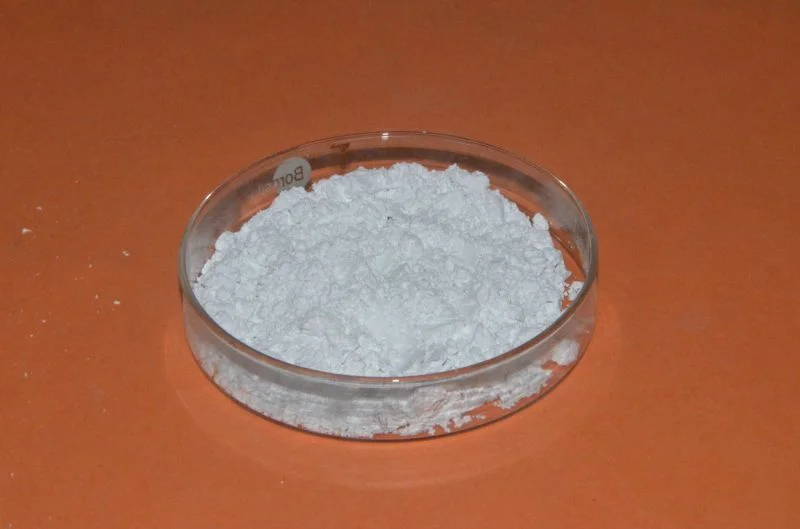
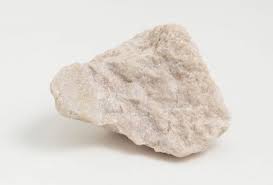
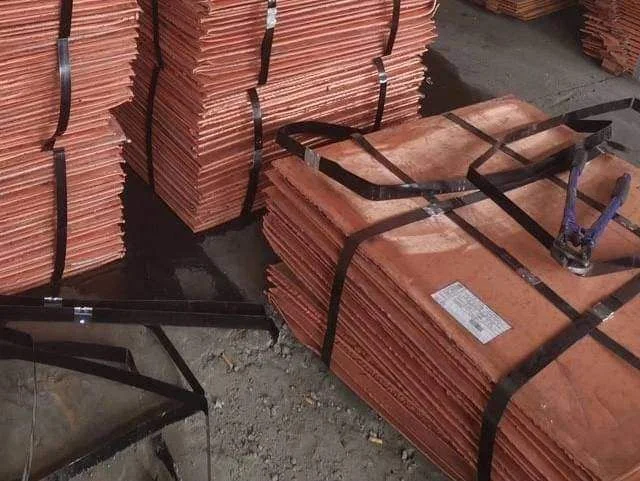
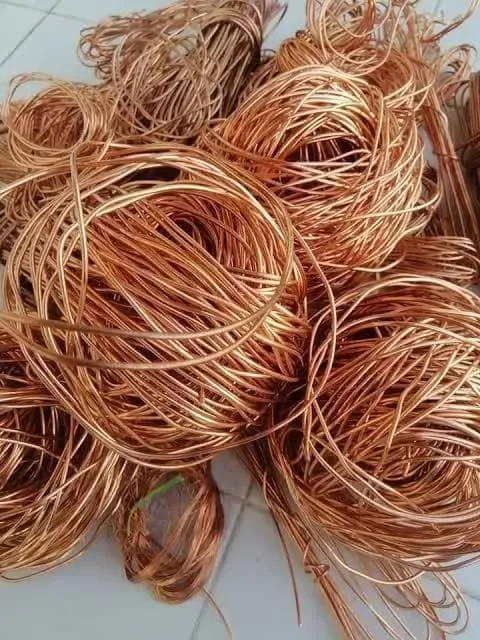
Nisie International, located in India, offers a diverse range of construction materials, with an active product count of 6. Their product catalogue includes Gypsum, Coco Peat & Coir Pith, Copper Wire Scrap, Copper Cathode, Cement, and Aluminum Scrap. The Gypsum, for instance, is classified under the HS code 2520.10 and is composed of Calcium Sulfate Dihydrate (CaSO4·2H2O). The Copper Wire Scrap and Copper Cathodes are classified under the HS codes 7404.00 and 7403.11, respectively, and are made of Electrolytic Copper Cu 99.99%. The Cement Grade 42.5 is classified under the HS code 2523.10 and is made of Ordinary Portland Cement (OPC) / Hydraulic Portland Cement.

Buyers of construction materials from India, like those from Nisie International, typically look for specific quality parameters, such as moisture content, purity, and grain size for Gypsum, and tensile strength for Copper Wire Scrap. The origin country, India, has a significant export market for these goods, with many industries worldwide relying on Indian suppliers for their construction material needs.

Product Range and Specialties of Nisie International

Nisie International's product range encompasses various construction materials, including Gypsum, Coco Peat & Coir Pith, Copper Wire Scrap, Copper Cathode, Cement, and Aluminum Scrap. For Gypsum, buyers usually require specifications such as ICUMSA 45, with a typical moisture content of 1% and a purity of 98%. For Copper Wire Scrap, the typical tensile strength is around 200-250 MPa. The Cement Grade 42.5, classified under the HS code 2523.10, is made of Ordinary Portland Cement (OPC) / Hydraulic Portland Cement, with a typical strength class of 42.5 MPa.

The materials and variants listed by Nisie International are typical of the construction materials industry, where buyers often seek specific grades and standards, such as those for Gypsum, Copper, and Cement. These standards ensure the quality and reliability of the materials used in construction projects, and are commonly required by industries that import these goods, such as construction companies and manufacturers of building materials.

Trade and Export Information - Nisie International

Exporters of construction materials from India, like Nisie International, typically ship their goods to regions with significant construction activities, such as the Middle East, Africa, and Southeast Asia. The HS code families involved in the trade of these goods, such as 2520.10 for Gypsum and 7404.00 for Copper Wire Scrap, are used to classify the goods for customs purposes. Certifications such as ISO 9001 and CE marking are commonly required for construction materials, and buyers should request these certifications from their suppliers to ensure compliance with international standards.

The logistics of shipping construction materials involve careful packaging and handling to prevent damage during transportation. Incoterms such as FOB and CIF are commonly used in the trade of these goods, and buyers should be aware of the terms and conditions of their contracts to ensure smooth trade. The origin country, India, has a well-established export infrastructure for construction materials, with many ports and logistics providers catering to the needs of exporters and importers.

Sourcing from Nisie International - Buyer Guidance

When sourcing construction materials from Nisie International, buyers should request specifications, samples, and test reports to verify the quality of the goods. For instance, buyers of Gypsum should request a sample with a moisture content of 1% and a purity of 98%, while buyers of Copper Wire Scrap should request a sample with a tensile strength of 200-250 MPa. Buyers should also verify the certifications and documents required for their specific use case, such as ISO 9001 and CE marking for construction projects.

Buyers should be aware of the typical quality parameters and tests for construction materials, such as the ICUMSA 45 specification for Gypsum, and the tensile strength test for Copper Wire Scrap. They should also be aware of the common packaging and shipping norms for these goods, such as the use of moisture-resistant packaging for Gypsum and the use of wooden crates for Copper Wire Scrap. By verifying these details, buyers can ensure that they receive quality goods that meet their specific needs.

Frequently Asked Questions About Nisie International

What is the typical moisture content of Gypsum?

The typical moisture content of Gypsum is around 1%. Buyers should request a sample with this specification to verify the quality of the goods.

What is the tensile strength of Copper Wire Scrap?

The typical tensile strength of Copper Wire Scrap is around 200-250 MPa. Buyers should request a sample with this specification to verify the quality of the goods.

What certifications are required for construction materials?

Certifications such as ISO 9001 and CE marking are commonly required for construction materials. Buyers should request these certifications from their suppliers to ensure compliance with international standards.

How are construction materials typically packaged and shipped?

Construction materials are typically packaged in moisture-resistant packaging and shipped in wooden crates or containers. Buyers should be aware of the common packaging and shipping norms for these goods to ensure smooth trade.

What is the typical lead time for construction materials?

The typical lead time for construction materials can vary depending on the supplier and the specific goods. Buyers should confirm the lead time with their supplier to ensure timely delivery.

What is the minimum order quantity (MOQ) for construction materials?

The MOQ for construction materials can vary depending on the supplier and the specific goods. Buyers should confirm the MOQ with their supplier to ensure that they can meet the minimum order requirements.

How can buyers verify the quality of construction materials?

Buyers can verify the quality of construction materials by requesting specifications, samples, and test reports from their suppliers. They should also verify the certifications and documents required for their specific use case.

What are the common Incoterms used in the trade of construction materials?

Incoterms such as FOB and CIF are commonly used in the trade of construction materials. Buyers should be aware of the terms and conditions of their contracts to ensure smooth trade.


Featured Products from this Supplier

Other Suppliers in Primary Category

Top Trusted Suppliers

Related Products

Trending in Parent Category

More Suppliers in Category

Related Products

Other Suppliers

EximNext
58.5K+ live requirements
Register Free🎁 Reach verified global buyers
Post Requirement
🌍 Trusted by 224.6K+ businesses in 200+ countries|
58.5K+ active requirements right now
✉️ [email protected]
|
Sell on EximNextPost Requirement
EximNext
AgricultureApparelConstructionElectronicFoodHomeIndustrialMineralsMiscellaneous
🔥 Deals|✨ AI Match|🏭 Suppliers|📋 Buy Leads|💰 Trade Finance
58.5K+ live RFQs·194.6K+ suppliers
🎁 Reach global buyers →
EximNext
EximNext
Register Free
🎁 Reach verified global buyers
Sign In
📋Post Requirement💬Get QuotesAI Match📋RFQ Marketplace
All Categories
Services & Tools
🏭Supplier Directory🔥Today's Deals💰Trade Finance
Sell on EximNext
AboutContactBlogHelp
🏭

Nisie International

Harbor
Country flag , India
🛡️
54/100
Trust Score

Nisie International Product Catalog

Showing 6 of 6 products
View all products →
Aluminium Auto Engine Scrap
Harbor
Aluminium Auto Engine Scrap
Contact
MOQ: 1 Unit
Cement Grade 42.5
Harbor
Cement Grade 42.5
Contact
MOQ: 1 Unit
Copper Cathodes
Harbor
Copper Cathodes
Contact
MOQ: 1 Unit
Copper Wire Scrap
Harbor
Copper Wire Scrap
Contact
MOQ: 1 Unit
Cocopeat
Harbor
Cocopeat
Contact
MOQ: 1 Unit
Gypsum
Harbor
Gypsum
Contact
MOQ: 1 Unit

About Nisie International - Construction Materials Supplier in India

Nisie International, located in India, offers a diverse range of construction materials, with an active product count of 6. Their product catalogue includes Gypsum, Coco Peat & Coir Pith, Copper Wire Scrap, Copper Cathode, Cement, and Aluminum Scrap. The Gypsum, for instance, is classified under the HS code 2520.10 and is composed of Calcium Sulfate Dihydrate (CaSO4·2H2O). The Copper Wire Scrap and Copper Cathodes are classified under the HS codes 7404.00 and 7403.11, respectively, and are made of Electrolytic Copper Cu 99.99%. The Cement Grade 42.5 is classified under the HS code 2523.10 and is made of Ordinary Portland Cement (OPC) / Hydraulic Portland Cement.

Buyers of construction materials from India, like those from Nisie International, typically look for specific quality parameters, such as moisture content, purity, and grain size for Gypsum, and tensile strength for Copper Wire Scrap. The origin country, India, has a significant export market for these goods, with many industries worldwide relying on Indian suppliers for their construction material needs.

Product Range and Specialties of Nisie International

Nisie International's product range encompasses various construction materials, including Gypsum, Coco Peat & Coir Pith, Copper Wire Scrap, Copper Cathode, Cement, and Aluminum Scrap. For Gypsum, buyers usually require specifications such as ICUMSA 45, with a typical moisture content of 1% and a purity of 98%. For Copper Wire Scrap, the typical tensile strength is around 200-250 MPa. The Cement Grade 42.5, classified under the HS code 2523.10, is made of Ordinary Portland Cement (OPC) / Hydraulic Portland Cement, with a typical strength class of 42.5 MPa.

The materials and variants listed by Nisie International are typical of the construction materials industry, where buyers often seek specific grades and standards, such as those for Gypsum, Copper, and Cement. These standards ensure the quality and reliability of the materials used in construction projects, and are commonly required by industries that import these goods, such as construction companies and manufacturers of building materials.

Trade and Export Information - Nisie International

Exporters of construction materials from India, like Nisie International, typically ship their goods to regions with significant construction activities, such as the Middle East, Africa, and Southeast Asia. The HS code families involved in the trade of these goods, such as 2520.10 for Gypsum and 7404.00 for Copper Wire Scrap, are used to classify the goods for customs purposes. Certifications such as ISO 9001 and CE marking are commonly required for construction materials, and buyers should request these certifications from their suppliers to ensure compliance with international standards.

The logistics of shipping construction materials involve careful packaging and handling to prevent damage during transportation. Incoterms such as FOB and CIF are commonly used in the trade of these goods, and buyers should be aware of the terms and conditions of their contracts to ensure smooth trade. The origin country, India, has a well-established export infrastructure for construction materials, with many ports and logistics providers catering to the needs of exporters and importers.

Sourcing from Nisie International - Buyer Guidance

When sourcing construction materials from Nisie International, buyers should request specifications, samples, and test reports to verify the quality of the goods. For instance, buyers of Gypsum should request a sample with a moisture content of 1% and a purity of 98%, while buyers of Copper Wire Scrap should request a sample with a tensile strength of 200-250 MPa. Buyers should also verify the certifications and documents required for their specific use case, such as ISO 9001 and CE marking for construction projects.

Buyers should be aware of the typical quality parameters and tests for construction materials, such as the ICUMSA 45 specification for Gypsum, and the tensile strength test for Copper Wire Scrap. They should also be aware of the common packaging and shipping norms for these goods, such as the use of moisture-resistant packaging for Gypsum and the use of wooden crates for Copper Wire Scrap. By verifying these details, buyers can ensure that they receive quality goods that meet their specific needs.

Frequently Asked Questions About Nisie International

What is the typical moisture content of Gypsum?

The typical moisture content of Gypsum is around 1%. Buyers should request a sample with this specification to verify the quality of the goods.

What is the tensile strength of Copper Wire Scrap?

The typical tensile strength of Copper Wire Scrap is around 200-250 MPa. Buyers should request a sample with this specification to verify the quality of the goods.

What certifications are required for construction materials?

Certifications such as ISO 9001 and CE marking are commonly required for construction materials. Buyers should request these certifications from their suppliers to ensure compliance with international standards.

How are construction materials typically packaged and shipped?

Construction materials are typically packaged in moisture-resistant packaging and shipped in wooden crates or containers. Buyers should be aware of the common packaging and shipping norms for these goods to ensure smooth trade.

What is the typical lead time for construction materials?

The typical lead time for construction materials can vary depending on the supplier and the specific goods. Buyers should confirm the lead time with their supplier to ensure timely delivery.

What is the minimum order quantity (MOQ) for construction materials?

The MOQ for construction materials can vary depending on the supplier and the specific goods. Buyers should confirm the MOQ with their supplier to ensure that they can meet the minimum order requirements.

How can buyers verify the quality of construction materials?

Buyers can verify the quality of construction materials by requesting specifications, samples, and test reports from their suppliers. They should also verify the certifications and documents required for their specific use case.

What are the common Incoterms used in the trade of construction materials?

Incoterms such as FOB and CIF are commonly used in the trade of construction materials. Buyers should be aware of the terms and conditions of their contracts to ensure smooth trade.

About Nisie International - Construction Materials Supplier in India

Nisie International, located in India, offers a diverse range of construction materials, with an active product count of 6. Their product catalogue includes Gypsum, Coco Peat & Coir Pith, Copper Wire Scrap, Copper Cathode, Cement, and Aluminum Scrap. The Gypsum, for instance, is classified under the HS code 2520.10 and is composed of Calcium Sulfate Dihydrate (CaSO4·2H2O). The Copper Wire Scrap and Copper Cathodes are classified under the HS codes 7404.00 and 7403.11, respectively, and are made of Electrolytic Copper Cu 99.99%. The Cement Grade 42.5 is classified under the HS code 2523.10 and is made of Ordinary Portland Cement (OPC) / Hydraulic Portland Cement.

Buyers of construction materials from India, like those from Nisie International, typically look for specific quality parameters, such as moisture content, purity, and grain size for Gypsum, and tensile strength for Copper Wire Scrap. The origin country, India, has a significant export market for these goods, with many industries worldwide relying on Indian suppliers for their construction material needs.

Product Range and Specialties of Nisie International

Nisie International's product range encompasses various construction materials, including Gypsum, Coco Peat & Coir Pith, Copper Wire Scrap, Copper Cathode, Cement, and Aluminum Scrap. For Gypsum, buyers usually require specifications such as ICUMSA 45, with a typical moisture content of 1% and a purity of 98%. For Copper Wire Scrap, the typical tensile strength is around 200-250 MPa. The Cement Grade 42.5, classified under the HS code 2523.10, is made of Ordinary Portland Cement (OPC) / Hydraulic Portland Cement, with a typical strength class of 42.5 MPa.

The materials and variants listed by Nisie International are typical of the construction materials industry, where buyers often seek specific grades and standards, such as those for Gypsum, Copper, and Cement. These standards ensure the quality and reliability of the materials used in construction projects, and are commonly required by industries that import these goods, such as construction companies and manufacturers of building materials.

Trade and Export Information - Nisie International

Exporters of construction materials from India, like Nisie International, typically ship their goods to regions with significant construction activities, such as the Middle East, Africa, and Southeast Asia. The HS code families involved in the trade of these goods, such as 2520.10 for Gypsum and 7404.00 for Copper Wire Scrap, are used to classify the goods for customs purposes. Certifications such as ISO 9001 and CE marking are commonly required for construction materials, and buyers should request these certifications from their suppliers to ensure compliance with international standards.

The logistics of shipping construction materials involve careful packaging and handling to prevent damage during transportation. Incoterms such as FOB and CIF are commonly used in the trade of these goods, and buyers should be aware of the terms and conditions of their contracts to ensure smooth trade. The origin country, India, has a well-established export infrastructure for construction materials, with many ports and logistics providers catering to the needs of exporters and importers.

Sourcing from Nisie International - Buyer Guidance

When sourcing construction materials from Nisie International, buyers should request specifications, samples, and test reports to verify the quality of the goods. For instance, buyers of Gypsum should request a sample with a moisture content of 1% and a purity of 98%, while buyers of Copper Wire Scrap should request a sample with a tensile strength of 200-250 MPa. Buyers should also verify the certifications and documents required for their specific use case, such as ISO 9001 and CE marking for construction projects.

Buyers should be aware of the typical quality parameters and tests for construction materials, such as the ICUMSA 45 specification for Gypsum, and the tensile strength test for Copper Wire Scrap. They should also be aware of the common packaging and shipping norms for these goods, such as the use of moisture-resistant packaging for Gypsum and the use of wooden crates for Copper Wire Scrap. By verifying these details, buyers can ensure that they receive quality goods that meet their specific needs.

Frequently Asked Questions About Nisie International
What is the typical moisture content of Gypsum?
The typical moisture content of Gypsum is around 1%. Buyers should request a sample with this specification to verify the quality of the goods.
What is the tensile strength of Copper Wire Scrap?
The typical tensile strength of Copper Wire Scrap is around 200-250 MPa. Buyers should request a sample with this specification to verify the quality of the goods.
What certifications are required for construction materials?
Certifications such as ISO 9001 and CE marking are commonly required for construction materials. Buyers should request these certifications from their suppliers to ensure compliance with international standards.
How are construction materials typically packaged and shipped?
Construction materials are typically packaged in moisture-resistant packaging and shipped in wooden crates or containers. Buyers should be aware of the common packaging and shipping norms for these goods to ensure smooth trade.
What is the typical lead time for construction materials?
The typical lead time for construction materials can vary depending on the supplier and the specific goods. Buyers should confirm the lead time with their supplier to ensure timely delivery.
What is the minimum order quantity (MOQ) for construction materials?
The MOQ for construction materials can vary depending on the supplier and the specific goods. Buyers should confirm the MOQ with their supplier to ensure that they can meet the minimum order requirements.
How can buyers verify the quality of construction materials?
Buyers can verify the quality of construction materials by requesting specifications, samples, and test reports from their suppliers. They should also verify the certifications and documents required for their specific use case.
What are the common Incoterms used in the trade of construction materials?
Incoterms such as FOB and CIF are commonly used in the trade of construction materials. Buyers should be aware of the terms and conditions of their contracts to ensure smooth trade.

🏭
Nisie International
Country flag , India
Harbor
54/100
Trust Score
📦
6
Products
Free to contact — no commission
Escrow payment available
Verified business identity
Compare more suppliers
Post a requirement — get 10 quotes free
Let verified suppliers compete for your business. Free, fast, no commitment.
EximNext Verified Supplier
Business identity verified
Physical address confirmed
Financial history checked
Certifications authenticated
Trade references validated
Due Diligence
Verify this supplier's real shipping history.
Every shipment, every buyer, every port. Trade data that can't be faked.
Run due diligence →
Discover More

Related Suppliers & Products

Explore similar suppliers, related products and trending categories

Featured Products from this Supplier

Other Suppliers in Primary Category

Top Trusted Suppliers

Related Products

Trending in Parent Category

More Suppliers in Category

Stay ahead in global trade
Weekly market insights & new supplier alerts.
EximNext
Exim Next is a leading global B2B marketplace, connecting over 205,000 verified suppliers and buyers across 200+ countries. As a trusted import export marketplace, it serves as the essential B2B portal for businesses worldwide, empowering them to expand their international reach. With Exim Next, businesses can trade smarter and grow faster.
SECURE PAYMENTS
VISAMastercardPayPalSWIFTL/CEscrow
Follow us
© 2026 EximNext