Nifa Textiles — Supplier

About Nifa Textiles - Apparel Supplier in Bangladesh

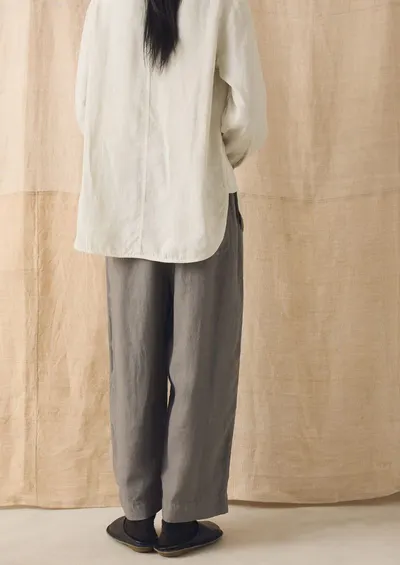
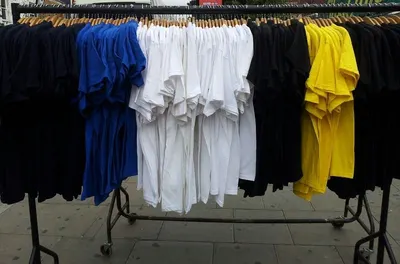
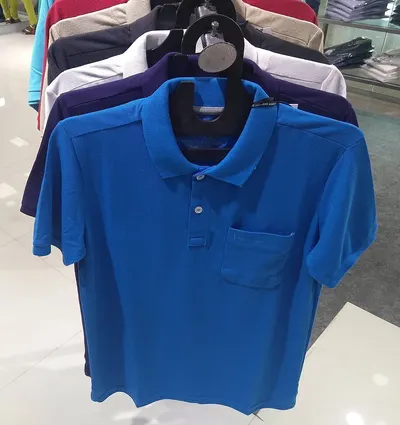
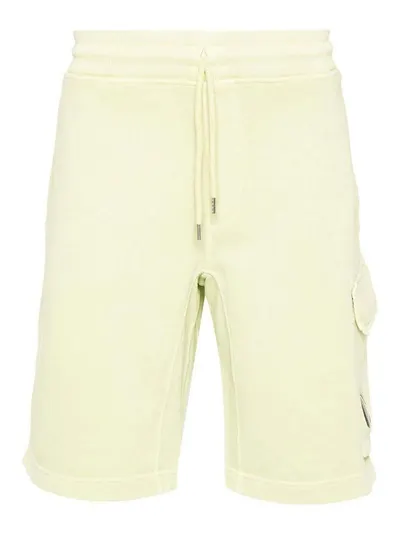
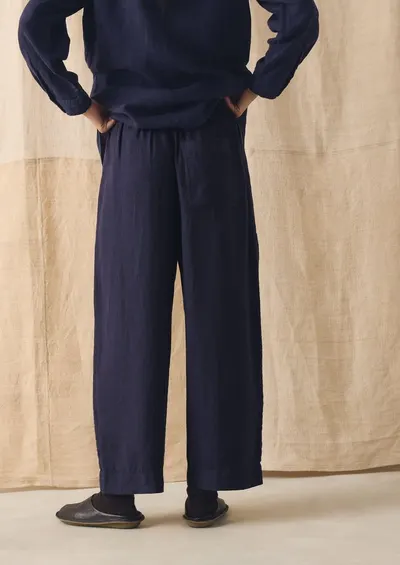
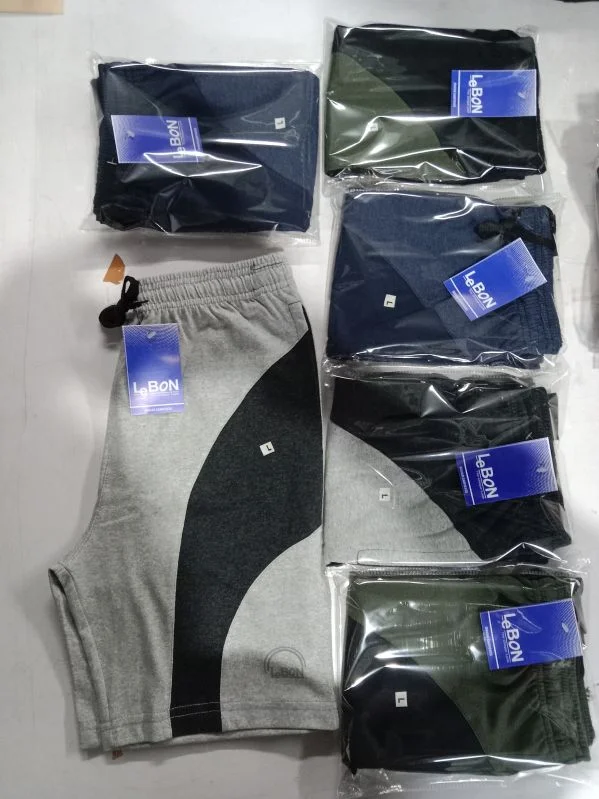
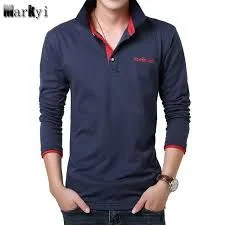
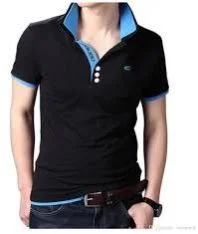
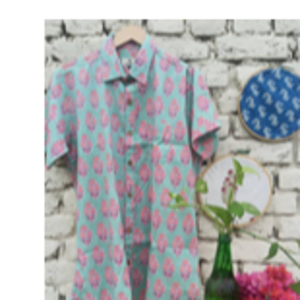
Nifa Textiles is based in Bangladesh and currently lists seven distinct apparel items. The catalogue covers three core categories: Shirts & T‑Shirts, Shorts, and Trousers & Shorts. Products include a Man Cargo Short, Men Long Trouser, Boys Shirts, Supima T‑Shirt, Boys Polo T‑Shirt, Ladies T‑shirt and a 100 % Linen Shirt. Each item falls under the HS code families for woven garments (chapter 62) or knitted garments (chapter 61) as typical for these apparel types. The supplier’s portfolio therefore spans both woven and knitted constructions, addressing casual and semi‑formal market segments. No further company history is provided.

Product Range and Specialties of Nifa Textiles

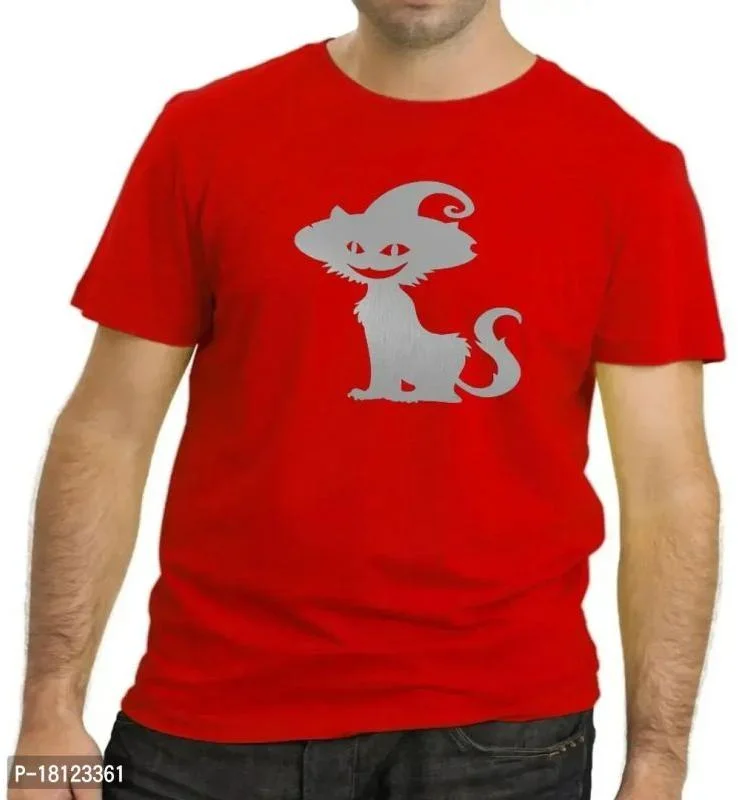
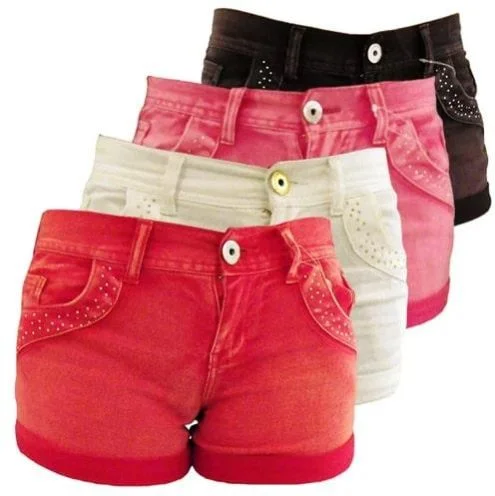
Nifa Textiles lists seven apparel items that span both woven and knitted constructions. The product set includes cargo shorts, long trousers, shirts for boys, adult T‑shirts (including a Supima‑cotton variant), a boys’ polo, a ladies’ T‑shirt and a 100 % linen shirt. These correspond to typical garment categories where buyers look for specific fabric weights, yarn counts and finishing standards. In the global apparel market, shirts and T‑shirts are commonly graded by fabric GSM (generally 140‑180 gsm for T‑shirts, 180‑220 gsm for woven shirts) and by cotton quality such as combed cotton or Supima, which meets USDA standards for extra‑long staple length. Linen shirts are evaluated by linen content (100 % in this case) and weight, with a typical finish of 190‑210 gsm and a smooth hand. Shorts and trousers are usually produced in woven twill or denim structures with 100‑120 gsm for lightweight summer styles, and buyers often require compliance with ISO 9001 quality management, Oeko‑Tex Standard 100 for harmful substance testing, and where applicable, GOTS certification for organic fibers.

Trade and Export Information - Nifa Textiles

Bangladesh is the world’s third‑largest apparel exporter, with the European Union, United States and Middle East representing the bulk of shipments. Garments such as the items listed by Nifa Textiles fall under HS chapter 61 for knitted items (e.g., T‑shirts) and chapter 62 for woven items (e.g., shirts, shorts, trousers). Export logistics typically involve 20‑foot or 40‑foot containers, with garments packed in poly‑bags of 40‑50 kg and grouped on bulk cartons. Common Incoterms used by Bangladeshi exporters include FOB Chittagong and CIF destination ports. Importers usually request certificates of origin, material safety data sheets, and test reports for colorfastness, shrinkage and dimensional stability. For cotton and linen products, Oeko‑Tex Standard 100 or ISO 9001 compliance is frequently required, while Supima cotton may be accompanied by a Supima® authentication certificate. Customs authorities in major markets often inspect the HS code declaration and verify that labeling meets the destination country’s textile labeling regulations, such as fiber composition and care instructions.

Sourcing from Nifa Textiles - Buyer Guidance

Buyers should request detailed product specifications, including fabric composition, GSM, yarn count and finished measurements before placing an order. Sample garments should be evaluated for seam integrity, colorfastness to washing and light, and dimensional stability after multiple wash cycles. It is advisable to obtain a test report that confirms compliance with Oeko‑Tex Standard 100 or any other relevant safety standard requested by the importing market. Prior to finalizing a purchase, confirm the supplier’s ability to provide a certificate of origin and any fiber‑specific certificates, such as Supima authentication for the premium T‑shirt. Clarify the minimum order quantity, which for most of the listed items ranges from 500 to 2 000 pieces per style, and discuss typical lead times of 30‑45 days from order confirmation. Agree on packaging details - individual poly‑bagging and cartonization for container loading - to ensure smooth customs clearance.

Frequently Asked Questions About Nifa Textiles

What product categories does Nifa Textiles offer?

Nifa Textiles lists seven apparel items covering shirts, T‑shirts, polo shirts, cargo shorts, long trousers and a linen shirt. These are grouped under the categories Shirts & T‑Shirts, Shorts, and Trousers & Shorts.

Which HS codes apply to the garments in the catalogue?

The knitted T‑shirts and polo shirts fall under HS chapter 61 (for example code 6109). The woven shirts, shorts and trousers are classified under HS chapter 62 (for example codes 6203 for shirts and 6204 for trousers).

What fabric specifications are typical for the Supima T‑Shirt?

Supima T‑Shirts are made from extra‑long staple Supima cotton, usually in a 30‑40 Ne yarn count. The fabric weight is typically 150‑160 gsm, providing a smooth, soft hand feel suitable for premium casual wear.

Which certifications should a buyer request for these garments?

Buyers commonly request an Oeko‑Tex Standard 100 test report to verify the absence of harmful substances. ISO 9001 quality‑management certification is also standard, and for the Supima T‑Shirt a Supima® authentication certificate should be obtained.

What are the usual packaging and container requirements?

Garments are typically packed in 40‑50 kg poly‑bags, grouped into bulk cartons for efficient loading. Containers are usually 20‑foot or 40‑foot, and all cartons must bear labels that include fiber content and care instructions as required by the destination market.

What is the typical minimum order quantity and lead time?

Minimum order quantities generally range from 500 to 2 000 pieces per style, depending on the product. Lead times are normally 30‑45 days after order confirmation, with variations based on seasonality and fabric availability.

How are samples handled for new buyers?

Nifa Textiles can provide pre‑production samples upon request; buyers should specify the desired fabric composition, size and any required test reports. Samples are evaluated for seam quality, colorfastness and dimensional stability before bulk production is approved.

What documentation is needed for customs clearance of these garments?

Importers should obtain a certificate of origin, material safety data sheets and the relevant test reports (e.g., Oeko‑Tex, colorfastness). Accurate HS code declaration and compliance with the destination country’s labeling regulations are essential for smooth customs clearance.


Featured Products from this Supplier

Other Suppliers in Primary Category

Top Trusted Suppliers

Related Products

Trending in Parent Category

More Suppliers in Category

Related Products

Other Suppliers

EximNext
7.2K+ live requirements
Register Free🎁 Reach global buyers
Post Requirement
🌍 Trusted by 225K+ businesses in 200+ countries|
7.2K+ active requirements right now
✉️ [email protected]
|
Sell on EximNextPost Requirement
EximNext
AgricultureApparelConstructionElectronicFoodHomeIndustrialMineralsMiscellaneous
🔥 Deals|✨ AI Match|🏭 Suppliers|📋 Buy Leads|💰 Trade Finance
7.2K+ live RFQs·194.8K+ suppliers
🎁 Reach global buyers →
EximNext
EximNext
Register Free
🎁 Reach global buyers
Sign In
📋Post Requirement💬Get Quotes✨AI Match📋RFQ Marketplace
All Categories
Services & Tools
🏭Supplier Directory🔥Today's Deals💰Trade Finance
Sell on EximNext →
AboutContactBlogHelp
Apparel & Home  ·  Bangladesh
7
products listed

Nifa Textiles

⚓ Harbor
Country flag , BangladeshNew supplier / no reviews yet
🛡️
54/100
Trust Score

Nifa Textiles Product Catalog

Showing 7 of 7 products
View all products →
100% Linen Shirt
⚓ Harbor
100% Linen Shirt
Contact
MOQ: 1 Unit
Ladies T-shirt
⚓ Harbor
Ladies T-shirt
Contact
MOQ: 1 Unit
Supima T-Shirt
⚓ Harbor
Supima T-Shirt
Contact
MOQ: 1 Unit
Boys Polo T-Shirt
⚓ Harbor
Boys Polo T-Shirt
Contact
MOQ: 1 Unit
Man Cargo Short
⚓ Harbor
Man Cargo Short
Contact
MOQ: 1 Unit
Men Long Trouser
⚓ Harbor
Men Long Trouser
Contact
MOQ: 1 Unit
Boys Shirts
⚓ Harbor
Boys Shirts
Contact
MOQ: 1 Unit

About Nifa Textiles - Apparel Supplier in Bangladesh

Nifa Textiles is based in Bangladesh and currently lists seven distinct apparel items. The catalogue covers three core categories: Shirts & T‑Shirts, Shorts, and Trousers & Shorts. Products include a Man Cargo Short, Men Long Trouser, Boys Shirts, Supima T‑Shirt, Boys Polo T‑Shirt, Ladies T‑shirt and a 100 % Linen Shirt. Each item falls under the HS code families for woven garments (chapter 62) or knitted garments (chapter 61) as typical for these apparel types. The supplier’s portfolio therefore spans both woven and knitted constructions, addressing casual and semi‑formal market segments. No further company history is provided.

Product Range and Specialties of Nifa Textiles

Nifa Textiles lists seven apparel items that span both woven and knitted constructions. The product set includes cargo shorts, long trousers, shirts for boys, adult T‑shirts (including a Supima‑cotton variant), a boys’ polo, a ladies’ T‑shirt and a 100 % linen shirt. These correspond to typical garment categories where buyers look for specific fabric weights, yarn counts and finishing standards. In the global apparel market, shirts and T‑shirts are commonly graded by fabric GSM (generally 140‑180 gsm for T‑shirts, 180‑220 gsm for woven shirts) and by cotton quality such as combed cotton or Supima, which meets USDA standards for extra‑long staple length. Linen shirts are evaluated by linen content (100 % in this case) and weight, with a typical finish of 190‑210 gsm and a smooth hand. Shorts and trousers are usually produced in woven twill or denim structures with 100‑120 gsm for lightweight summer styles, and buyers often require compliance with ISO 9001 quality management, Oeko‑Tex Standard 100 for harmful substance testing, and where applicable, GOTS certification for organic fibers.

Trade and Export Information - Nifa Textiles

Bangladesh is the world’s third‑largest apparel exporter, with the European Union, United States and Middle East representing the bulk of shipments. Garments such as the items listed by Nifa Textiles fall under HS chapter 61 for knitted items (e.g., T‑shirts) and chapter 62 for woven items (e.g., shirts, shorts, trousers). Export logistics typically involve 20‑foot or 40‑foot containers, with garments packed in poly‑bags of 40‑50 kg and grouped on bulk cartons. Common Incoterms used by Bangladeshi exporters include FOB Chittagong and CIF destination ports. Importers usually request certificates of origin, material safety data sheets, and test reports for colorfastness, shrinkage and dimensional stability. For cotton and linen products, Oeko‑Tex Standard 100 or ISO 9001 compliance is frequently required, while Supima cotton may be accompanied by a Supima® authentication certificate. Customs authorities in major markets often inspect the HS code declaration and verify that labeling meets the destination country’s textile labeling regulations, such as fiber composition and care instructions.

Sourcing from Nifa Textiles - Buyer Guidance

Buyers should request detailed product specifications, including fabric composition, GSM, yarn count and finished measurements before placing an order. Sample garments should be evaluated for seam integrity, colorfastness to washing and light, and dimensional stability after multiple wash cycles. It is advisable to obtain a test report that confirms compliance with Oeko‑Tex Standard 100 or any other relevant safety standard requested by the importing market. Prior to finalizing a purchase, confirm the supplier’s ability to provide a certificate of origin and any fiber‑specific certificates, such as Supima authentication for the premium T‑shirt. Clarify the minimum order quantity, which for most of the listed items ranges from 500 to 2 000 pieces per style, and discuss typical lead times of 30‑45 days from order confirmation. Agree on packaging details - individual poly‑bagging and cartonization for container loading - to ensure smooth customs clearance.

Frequently Asked Questions About Nifa Textiles

What product categories does Nifa Textiles offer?

Nifa Textiles lists seven apparel items covering shirts, T‑shirts, polo shirts, cargo shorts, long trousers and a linen shirt. These are grouped under the categories Shirts & T‑Shirts, Shorts, and Trousers & Shorts.

Which HS codes apply to the garments in the catalogue?

The knitted T‑shirts and polo shirts fall under HS chapter 61 (for example code 6109). The woven shirts, shorts and trousers are classified under HS chapter 62 (for example codes 6203 for shirts and 6204 for trousers).

What fabric specifications are typical for the Supima T‑Shirt?

Supima T‑Shirts are made from extra‑long staple Supima cotton, usually in a 30‑40 Ne yarn count. The fabric weight is typically 150‑160 gsm, providing a smooth, soft hand feel suitable for premium casual wear.

Which certifications should a buyer request for these garments?

Buyers commonly request an Oeko‑Tex Standard 100 test report to verify the absence of harmful substances. ISO 9001 quality‑management certification is also standard, and for the Supima T‑Shirt a Supima® authentication certificate should be obtained.

What are the usual packaging and container requirements?

Garments are typically packed in 40‑50 kg poly‑bags, grouped into bulk cartons for efficient loading. Containers are usually 20‑foot or 40‑foot, and all cartons must bear labels that include fiber content and care instructions as required by the destination market.

What is the typical minimum order quantity and lead time?

Minimum order quantities generally range from 500 to 2 000 pieces per style, depending on the product. Lead times are normally 30‑45 days after order confirmation, with variations based on seasonality and fabric availability.

How are samples handled for new buyers?

Nifa Textiles can provide pre‑production samples upon request; buyers should specify the desired fabric composition, size and any required test reports. Samples are evaluated for seam quality, colorfastness and dimensional stability before bulk production is approved.

What documentation is needed for customs clearance of these garments?

Importers should obtain a certificate of origin, material safety data sheets and the relevant test reports (e.g., Oeko‑Tex, colorfastness). Accurate HS code declaration and compliance with the destination country’s labeling regulations are essential for smooth customs clearance.

About Nifa Textiles - Apparel Supplier in Bangladesh

Nifa Textiles is based in Bangladesh and currently lists seven distinct apparel items. The catalogue covers three core categories: Shirts & T‑Shirts, Shorts, and Trousers & Shorts. Products include a Man Cargo Short, Men Long Trouser, Boys Shirts, Supima T‑Shirt, Boys Polo T‑Shirt, Ladies T‑shirt and a 100 % Linen Shirt. Each item falls under the HS code families for woven garments (chapter 62) or knitted garments (chapter 61) as typical for these apparel types. The supplier’s portfolio therefore spans both woven and knitted constructions, addressing casual and semi‑formal market segments. No further company history is provided.

Product Range and Specialties of Nifa Textiles

Nifa Textiles lists seven apparel items that span both woven and knitted constructions. The product set includes cargo shorts, long trousers, shirts for boys, adult T‑shirts (including a Supima‑cotton variant), a boys’ polo, a ladies’ T‑shirt and a 100 % linen shirt. These correspond to typical garment categories where buyers look for specific fabric weights, yarn counts and finishing standards. In the global apparel market, shirts and T‑shirts are commonly graded by fabric GSM (generally 140‑180 gsm for T‑shirts, 180‑220 gsm for woven shirts) and by cotton quality such as combed cotton or Supima, which meets USDA standards for extra‑long staple length. Linen shirts are evaluated by linen content (100 % in this case) and weight, with a typical finish of 190‑210 gsm and a smooth hand. Shorts and trousers are usually produced in woven twill or denim structures with 100‑120 gsm for lightweight summer styles, and buyers often require compliance with ISO 9001 quality management, Oeko‑Tex Standard 100 for harmful substance testing, and where applicable, GOTS certification for organic fibers.

Trade and Export Information - Nifa Textiles

Bangladesh is the world’s third‑largest apparel exporter, with the European Union, United States and Middle East representing the bulk of shipments. Garments such as the items listed by Nifa Textiles fall under HS chapter 61 for knitted items (e.g., T‑shirts) and chapter 62 for woven items (e.g., shirts, shorts, trousers). Export logistics typically involve 20‑foot or 40‑foot containers, with garments packed in poly‑bags of 40‑50 kg and grouped on bulk cartons. Common Incoterms used by Bangladeshi exporters include FOB Chittagong and CIF destination ports. Importers usually request certificates of origin, material safety data sheets, and test reports for colorfastness, shrinkage and dimensional stability. For cotton and linen products, Oeko‑Tex Standard 100 or ISO 9001 compliance is frequently required, while Supima cotton may be accompanied by a Supima® authentication certificate. Customs authorities in major markets often inspect the HS code declaration and verify that labeling meets the destination country’s textile labeling regulations, such as fiber composition and care instructions.

Sourcing from Nifa Textiles - Buyer Guidance

Buyers should request detailed product specifications, including fabric composition, GSM, yarn count and finished measurements before placing an order. Sample garments should be evaluated for seam integrity, colorfastness to washing and light, and dimensional stability after multiple wash cycles. It is advisable to obtain a test report that confirms compliance with Oeko‑Tex Standard 100 or any other relevant safety standard requested by the importing market. Prior to finalizing a purchase, confirm the supplier’s ability to provide a certificate of origin and any fiber‑specific certificates, such as Supima authentication for the premium T‑shirt. Clarify the minimum order quantity, which for most of the listed items ranges from 500 to 2 000 pieces per style, and discuss typical lead times of 30‑45 days from order confirmation. Agree on packaging details - individual poly‑bagging and cartonization for container loading - to ensure smooth customs clearance.

Frequently Asked Questions About Nifa Textiles
What product categories does Nifa Textiles offer?
Nifa Textiles lists seven apparel items covering shirts, T‑shirts, polo shirts, cargo shorts, long trousers and a linen shirt. These are grouped under the categories Shirts & T‑Shirts, Shorts, and Trousers & Shorts.
Which HS codes apply to the garments in the catalogue?
The knitted T‑shirts and polo shirts fall under HS chapter 61 (for example code 6109). The woven shirts, shorts and trousers are classified under HS chapter 62 (for example codes 6203 for shirts and 6204 for trousers).
What fabric specifications are typical for the Supima T‑Shirt?
Supima T‑Shirts are made from extra‑long staple Supima cotton, usually in a 30‑40 Ne yarn count. The fabric weight is typically 150‑160 gsm, providing a smooth, soft hand feel suitable for premium casual wear.
Which certifications should a buyer request for these garments?
Buyers commonly request an Oeko‑Tex Standard 100 test report to verify the absence of harmful substances. ISO 9001 quality‑management certification is also standard, and for the Supima T‑Shirt a Supima® authentication certificate should be obtained.
What are the usual packaging and container requirements?
Garments are typically packed in 40‑50 kg poly‑bags, grouped into bulk cartons for efficient loading. Containers are usually 20‑foot or 40‑foot, and all cartons must bear labels that include fiber content and care instructions as required by the destination market.
What is the typical minimum order quantity and lead time?
Minimum order quantities generally range from 500 to 2 000 pieces per style, depending on the product. Lead times are normally 30‑45 days after order confirmation, with variations based on seasonality and fabric availability.
How are samples handled for new buyers?
Nifa Textiles can provide pre‑production samples upon request; buyers should specify the desired fabric composition, size and any required test reports. Samples are evaluated for seam quality, colorfastness and dimensional stability before bulk production is approved.
What documentation is needed for customs clearance of these garments?
Importers should obtain a certificate of origin, material safety data sheets and the relevant test reports (e.g., Oeko‑Tex, colorfastness). Accurate HS code declaration and compliance with the destination country’s labeling regulations are essential for smooth customs clearance.

Nifa Textiles
Country flag Bangladesh
⚓ HarborApparel & Home
54/100
Trust Score
7
Products
✓ Free to contact — no commission
✓ Escrow payment available
✓ Verified business identity
Compare more suppliers
Post a requirement — get 10 quotes free
Let verified suppliers compete for your business. Free, fast, no commitment.
Due Diligence
Verify this supplier's real shipping history.
Every shipment, every buyer, every port. Trade data that can't be faked.
Run due diligence →
Discover More

Related Suppliers & Products

Explore similar suppliers, related products and trending categories

Featured Products from this Supplier

Other Suppliers in Primary Category

Top Trusted Suppliers

Related Products

Trending in Parent Category

More Suppliers in Category

Stay ahead in global trade
Weekly market insights & new supplier alerts.
EximNext
Exim Next is a leading global B2B marketplace, connecting over 220,000 registered suppliers and buyers across 200+ countries. As a trusted import export marketplace, it serves as the essential B2B portal for businesses worldwide, empowering them to expand their international reach. With Exim Next, businesses can trade smarter and grow faster.
SECURE PAYMENTS
VISAMastercardPayPalSWIFTL/CEscrow
Follow us
© 2026 EximNext