Nectar Farmaceutica Ltda. — Supplier
About Nectar Farmaceutica Ltda. - Herbal Extracts Supplier in Brazil
Brazil hosts Nectar Farmaceutica Ltda., which currently lists 11 active products in its catalogue. The company’s portfolio spans herbal extracts, propolis derivatives, cosmetics, medical face masks, oral care items, and bee‑by‑products such as honey and bee pollen. Products are grouped under categories including Herbal Extracts, Herbal Products, Propolis, Cosmetics & Beauty Products, Medical Face Masks, Mouthwash, Bees By‑Product & Wax, and Honey. The catalogue features both liquid extracts (alcoholic and glycerinated) and solid forms such as masks and toothpaste. Each item aligns with HS code families commonly used for natural health and cosmetic goods, for example HS 3004 for medicinal extracts and HS 3304 for cosmetic preparations.
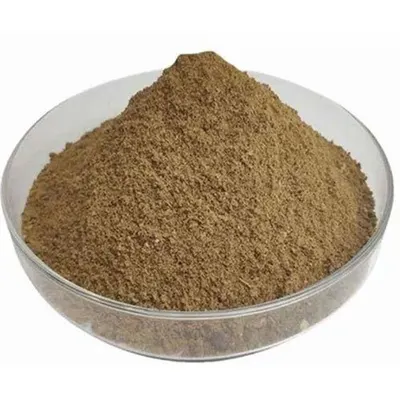
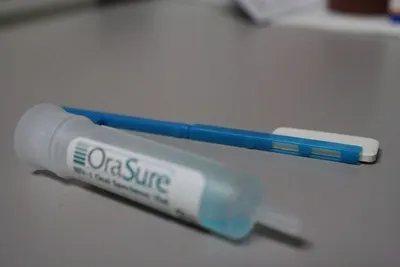
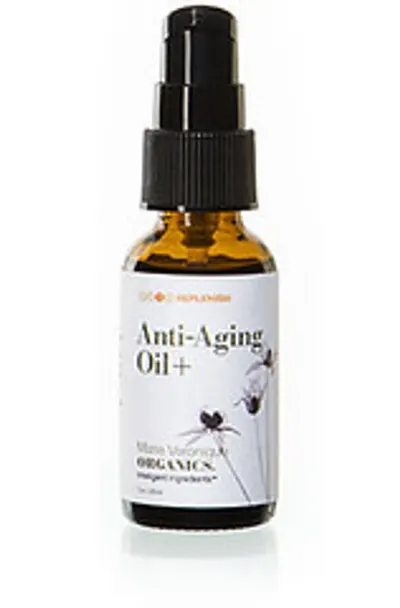
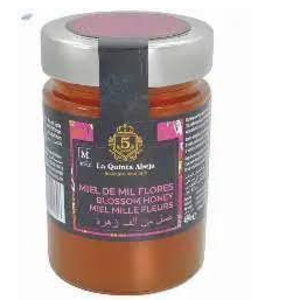
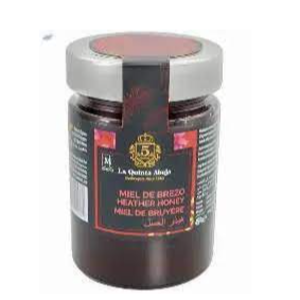
Specific entries include Green Propolis Alcoholic Extract, Mycellium Glycerin Propolis Extract, Propokids Glycerin Propolis Extract, Green Propolis Glycerinated Extract, and Red Propolis Extract. The cosmetics line lists Facial Serum Anti‑Ox, while oral care comprises Proporalcare Mouth Wash, Melitinase Mask, and Onc Oral Care Toothpaste. Bee‑derived raw materials are represented by Bee Pollen and Honey. The product set reflects typical Brazilian natural‑product exports that require compliance with phytochemical purity, moisture limits, and microbiological standards. Buyers can identify each product by its descriptive name, as no HS codes are directly attached in the public catalogue.
Product Range and Specialties of Nectar Farmaceutica Ltda.
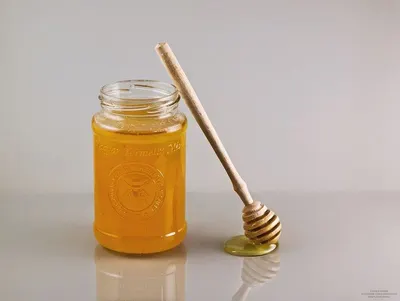
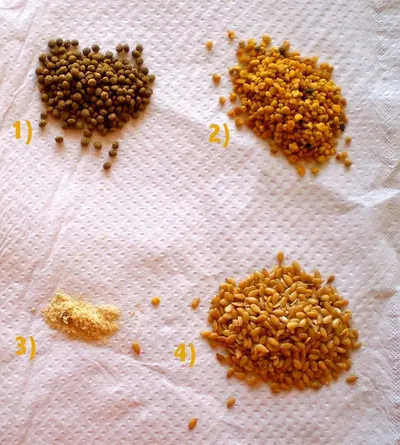
Propolis extracts in the list are offered as alcoholic solutions, typically 70 % v/v ethanol, and as glycerin‑based liquids containing about 30 % glycerin. Industry practice standardises these extracts to a phenolic content of 10‑15 % w/w for green propolis and 8‑12 % for red propolis, with moisture below 5 % and microbial counts complying with USP <41>. Honey is generally graded to ICUMSA 45, with moisture not exceeding 18 % and sucrose below 5 %, while bee pollen is supplied with particle sizes between 200 µm and 500 µm. Cosmetic products such as the Facial Serum Anti‑Ox are formulated to a pH of 5.5‑6.0, contain antioxidant concentrations of 0.5‑1 % vitamin C or E equivalents, and are packaged in 30 ml HDPE bottles. Oral‑care items like Proporalcare Mouth Wash and Onc Oral Care Toothpaste follow typical EU Cosmetic Regulation limits for active ingredients and are presented in 100 ml and 50 g containers respectively.
Trade and Export Information - Nectar Farmaceutica Ltda.
Brazil ranks among the world’s top exporters of honey, propolis and other bee‑derived products, with the European Union, United States, Middle East and Asian markets accounting for the bulk of demand. Relevant HS codes include 0409 for honey, 3004 for herbal extracts, 3304 for cosmetic preparations, 3006 for oral‑care formulations and 4202 for medical face masks. Buyers commonly require certifications such as ISO 9001, ISO 22000, GMP, and, where applicable, organic certification recognized by USDA or EU bodies, together with a phytosanitary certificate and a Certificate of Origin. Exports are frequently shipped FOB from the port of Santos or CIF to major hubs; temperature‑controlled containers are used for honey to keep product temperature below 25 °C, while extracts are packed in sealed HDPE or glass bottles inside 20 ft or 40 ft containers.
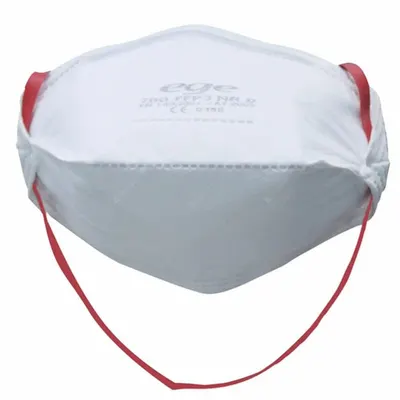
Regulatory oversight in Brazil is provided by the Ministry of Agriculture and the National Health Surveillance Agency (ANVISA) for cosmetics and medical masks. Importers should be aware of EU pesticide residue limits for propolis and honey, and US FDA requirements for cosmetics, which may necessitate additional safety dossiers. Standard packaging includes 25 kg bulk bags for extracts, 250 g jars for honey, and cardboard cartons for masks, allowing efficient container loading and compliance with international transport standards.
Sourcing from Nectar Farmaceutica Ltda. - Buyer Guidance
Prospective buyers should request a Certificate of Analysis for each propolis or herbal extract, detailing alcohol percentage, phenolic content, moisture level and microbial limits. For honey, a COA should confirm ICUMSA grade, moisture, sucrose content and pollen spectrum; bee pollen should be accompanied by particle‑size analysis and microbiological test results. Cosmetic and oral‑care products require a safety data sheet, pH measurement, stability data and a declaration of compliance with the relevant cosmetic regulation (EU Cosmetic Regulation or US FDA).
Verification of GMP certification and, where required, organic certification should be obtained before finalising an order. Sample orders of 100 ml for liquid extracts, 250 g for honey, and 30 ml for facial serum are typical for quality assessment. Buyers should also confirm packaging dimensions, container type and the Incoterm (e.g., FOB Santos) to ensure logistics align with their supply chain requirements.
Frequently Asked Questions About Nectar Farmaceutica Ltda.
What product categories does Nectar Farmaceutica Ltda. offer?
The supplier lists herbal extracts, propolis extracts, cosmetics and beauty products, medical face masks, oral‑care items, bee‑by‑products such as honey and bee pollen, and related finished goods.
Which HS code families are applicable to the listed products?
Typical HS codes include 3004 for medicinal herbal extracts, 3304 for cosmetic preparations, 3006 for oral‑care formulations, 0409 for honey, and 4202 for medical face masks.
What quality specifications are commonly required for propolis extracts?
Buyers usually ask for an alcohol content of 70 % v/v for alcoholic extracts, a standardized phenolic content of 10‑15 % w/w, moisture below 5 %, and microbial limits that meet USP <41> criteria.
How is Brazilian honey typically graded for export?
Export‑grade honey is often classified as ICUMSA 45, with moisture not exceeding 18 %, sucrose levels below 5 % and microbiological counts within the limits set by international food‑safety standards.
Which certifications should a buyer verify before purchasing cosmetics from this supplier?
Standard checks include GMP compliance, ISO 9001 or ISO 22000 certification, and, if required, organic certification (USDA or EU) together with a recent safety dossier for the finished product.
What sample sizes are practical for initial evaluation?
Common sample quantities are 100 ml for liquid extracts, 250 g jars for honey, and 30 ml bottles for facial serum; masks are typically supplied as a pack of 10 units for testing.
What packaging and shipping formats are typical for these goods?
Liquid extracts are packed in sealed HDPE or glass bottles, honey in food‑grade jars or 25 kg bulk bags, and masks in cardboard cartons; shipments are usually placed in 20 ft or 40 ft containers under FOB Santos or CIF terms.




 , Brazil