Narth Natreural — Supplier
About Narth Natreural - Essential Oils Supplier in Pakistan
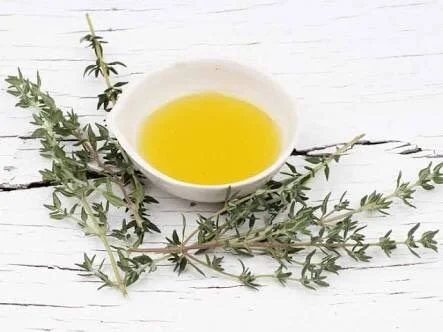
Narth Natreural is based in Pakistan and currently lists five distinct essential oil products. The catalogue includes Sea Buckthorn Oil, Juniper oil, Artimesia oil, Himaliyan Siderwood Oil, and Pine oil, all classified under the essential oils category. Each product appears under the broader HS chapter 33 for essential oils, reflecting standard customs classification for aromatic extracts. The supplier’s active product count of five indicates a focused portfolio rather than a broad commodity line.
The five oils represent plant‑derived extracts used in cosmetics, nutraceuticals, and aromatherapy formulations. The product titles suggest botanical sources such as sea buckthorn berries, juniper berries, artimesia seeds, Himalayan sandalwood, and pine needles. No additional product specifications, such as purity percentages or packaging details, are supplied in the catalogue, leaving those parameters to be clarified through direct inquiry.
Product Range and Specialties of Narth Natreural
The catalogue’s five essential oils cover a range of botanical origins. In the essential oil market, typical grades include pharmaceutical (USP), cosmetic, and food grade, each requiring specific purity levels - pharmaceutical grade often demands > 98 % purity verified by gas chromatography, while cosmetic grade may accept ≥ 95 % purity. Common specifications for these oils include a maximum foreign matter content of 0.5 % and a minimum oil content of 30 % for seed‑derived oils. Buyers frequently receive the oils in amber glass bottles of 30 ml or 100 ml, or in bulk 5 L HDPE containers, with a recommended storage temperature below 25 °C to preserve volatile compounds.
Industry practice also involves providing a Certificate of Analysis (COA) that lists the main constituents (e.g., β‑carotene in Sea Buckthorn oil, α‑pinene in Pine oil) and confirms compliance with ISO 9001 quality management. For aromatherapy and perfumery, a Gas Chromatography - Mass Spectrometry (GC‑MS) profile is standard to verify the presence of key terpenes and to detect any adulterants.
Trade and Export Information - Narth Natreural
Essential oils exported from Pakistan are typically classified under HS code 3301.00, which covers essential oils and extracts. Major import regions include the European Union, the United States, and the Middle East, where the cosmetics and nutraceutical sectors have steady demand. Export shipments commonly use 20‑foot containers for bulk volumes or air freight for small sample batches, with Incoterms such as FOB Karachi or CIF Dubai frequently applied.
Buyers usually require certifications such as ISO 9001, Good Manufacturing Practice (GMP), and, where applicable, organic certification (e.g., USDA Organic or EU Organic) to satisfy regulatory requirements. Pakistani exporters often provide phytosanitary certificates and a non‑GMO statement for seed‑derived oils. Packaging must meet UN recommendations for hazardous substances when the oil’s flash point is low, and the product is often packed in sealed, tamper‑evident containers to prevent oxidation.
Sourcing from Narth Natreural - Buyer Guidance
When sourcing essential oils from Narth Natreural, request a recent COA that includes GC‑MS results, purity percentage, and a full list of identified constituents. Verify that the oil complies with the grade required for your application - pharmaceutical, cosmetic, or food - and that the supplier can provide any necessary certifications, such as GMP or organic certificates.
Confirm packaging details, including container material, volume, and seal type, to ensure compatibility with your storage and handling processes. Typical minimum order quantities for bulk shipments range from 100 kg to 500 kg per oil, with lead times of 30‑45 days after sample approval. Request a sample batch before committing to larger volumes to assess scent profile and analytical results.
Frequently Asked Questions About Narth Natreural
What essential oil products does Narth Natreural list for export?
The supplier lists five oils: Sea Buckthorn Oil, Juniper oil, Artimesia oil, Himaliyan Siderwood Oil, and Pine oil, all under the essential oils category.
Which HS code family applies to these products?
Essential oils from Pakistan are generally classified under HS code 3301.00, which covers essential oils and extracts.
What certifications should a buyer request for these oils?
Buyers should request a Certificate of Analysis, GC‑MS profile, and, where relevant, ISO 9001, GMP, or organic certification documents to verify quality and compliance.
What typical packaging formats are used for essential oils?
Common packaging includes 30 ml or 100 ml amber glass bottles for retail, and 5 L HDPE containers or bulk drums for industrial volumes, sealed to protect against oxidation.
What are the usual minimum order quantities and lead times?
Bulk orders often start at 100 kg per oil, with a typical production lead time of 30‑45 days after sample approval. Smaller sample orders can be shipped by air within 7‑10 days.
Which markets most frequently import essential oils from Pakistan?
The European Union, United States, and Middle East are the primary regions importing Pakistani essential oils for cosmetics, nutraceuticals, and aromatherapy.
What documentation is required for customs clearance?
Customs generally require a commercial invoice, packing list, phytosanitary certificate, and any relevant certificates of origin or organic status, alongside the HS code declaration.
How should a buyer verify the purity of the oils?
Purity is verified through the COA and GC‑MS report, which should show a purity level of at least 95 % for cosmetic grade and 98 % for pharmaceutical grade, with identified key constituents matching the botanical source.




 , Pakistan