MKM Exports — Supplier
About MKM Exports - Herbal Products Supplier in India
MKM Exports is based in India and currently lists six distinct products across its catalogue. The supplier’s portfolio spans herbal products, apparel, biomass briquettes, yoga mats, coconut commodities and a spice item. Specifically, the catalogue includes Moringa capsules, round‑neck and V‑neck T‑shirts, coir‑pith briquettes, dried grass yoga mats, semi‑husked coconuts and raw turmeric powder. Each product is classified under the appropriate HS chapter families used for Indian export filings, such as Chapter 21 for vegetable products, Chapter 62 for garments, Chapter 44 for wood‑based material, Chapter 63 for textile articles, Chapter 08 for nuts and Chapter 09 for spices. The platform assigns MKM Exports a “harbor” trust tier, indicating a moderate level of verification.
The six items are grouped under the HS chapters that customs authorities commonly apply to these material types. Moringa capsules fall under HS Chapter 21 (vegetable products), the T‑shirts under Chapter 62 (apparel), the coir‑pith briquettes under Chapter 44 (wood and vegetable products), the yoga mats under Chapter 63 (other made‑up textile articles), the semi‑husked coconuts under Chapter 08 (fruit, nuts), and the turmeric under Chapter 09 (spices). These classifications match standard Indian export documentation for each commodity. No specific certifications are listed for the supplier in the available data.
Product Range and Specialties of MKM Exports
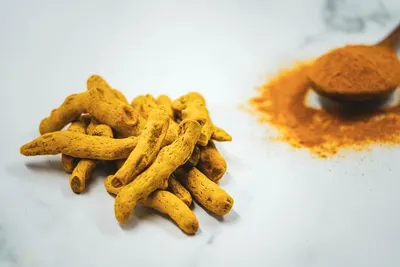
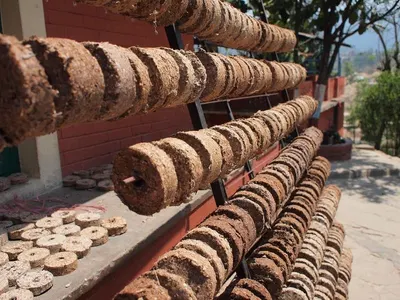
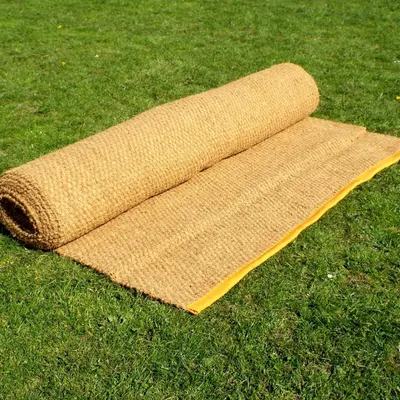
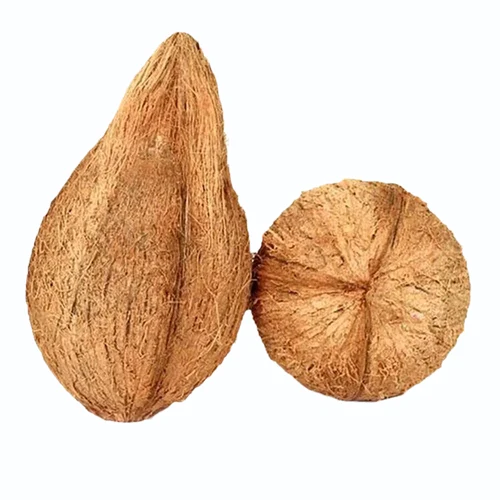
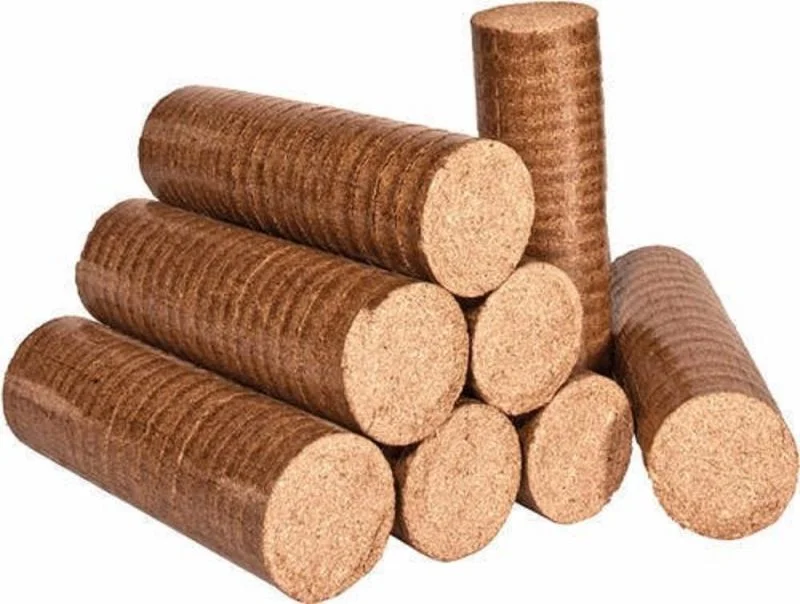
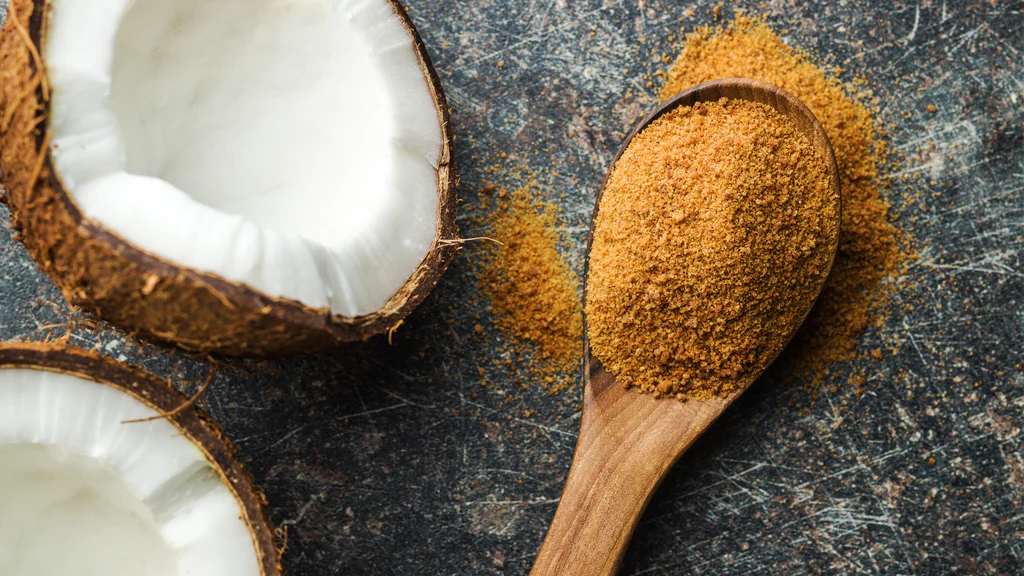
MKM Exports offers Moringa capsules that are typically produced in 500 mg soft‑gel form, standardized to contain at least 5 % protein, with moisture content below 10 % and packaged in HDPE bottles; buyers usually request GMP or FSSAI certificates and a Certificate of Analysis for heavy‑metal limits. The T‑shirt line comprises cotton garments with a fabric weight of 150‑180 gsm, standard sizing from S to XXL, and is often verified against OEKO‑Tex Standard 100 or ISO 9001 quality systems. Coir‑pith briquettes are manufactured in dimensions around 300 mm × 150 mm × 50 mm, deliver a calorific value of 3500‑3800 kcal kg⁻¹, ash content under 5 % and moisture below 10 %, and are commonly shipped in bulk cartons for industrial boiler use. Dried grass yoga mats are produced from natural fiber with a thickness of 4‑6 mm, density near 0.30 g cm⁻³, moisture under 8 % and are biodegradable, fitting the specifications of HS Chapter 63 products. Semi‑husked coconuts are supplied with husk removed to about 30 % of original weight, moisture content under 12 % and are graded by size, a typical requirement for food‑grade coconut imports. Turmeric powder is offered in raw form meeting ICUMSA 45 grade, with moisture below 12 %, ash 6‑8 % and compliance with pesticide residue limits; buyers often ask for a Certificate of Origin and a phytosanitary certificate.
Trade and Export Information - MKM Exports
India is a major exporter of herbal supplements, apparel, biomass fuel, natural yoga accessories, coconut products and spices, with primary destination regions including the United States, the European Union, the Middle East and Africa. Exporters of Moringa capsules usually ship in 20‑ft containers, applying Incoterms FOB or CIF, and must provide GMP, FSSAI and laboratory test reports to satisfy EU and US food‑safety regulators. Apparel shipments follow standard textile logistics, with HS 62 items packed in poly‑bagged cartons, marked for size and colour, and often require compliance with OEKO‑Tex or ISO 9001 audits. Coir pith briquettes are classified under HS 4401 and are typically exported in bulk bags or wooden pallets, with buyers requesting calorific value certificates and fire‑safety data sheets. Dried grass yoga mats fall under HS 6307 and are packed in recyclable cardboard boxes, with phytosanitary clearance commonly required for natural fiber products. Semi‑husked coconuts (HS 0804) need a phytosanitary certificate and may be subject to fumigation requirements for certain EU markets. Turmeric (HS 0904) is subject to stringent pesticide residue limits, heavy‑metal testing and must be accompanied by a Certificate of Origin, a phytosanitary certificate and a Certificate of Analysis. Typical freight for a full 20‑ft container ranges from 15 tonnes for bulk briquettes to 2 tonnes for packaged apparel, influencing logistics planning for buyers.
Sourcing from MKM Exports - Buyer Guidance
When sourcing Moringa capsules from MKM Exports, request a recent Certificate of Analysis covering microbial limits, heavy‑metal concentrations and active‑ingredient content, as well as GMP or FSSAI certification. For the T‑shirts, ask for fabric composition details, GSM verification, colour‑fastness test results and any OEKO‑Tex or ISO 9001 audit reports. Buyers of coir‑pith briquettes should verify the calorific value, ash and moisture specifications, and obtain a batch‑level test report before confirming bulk orders. For yoga mats, request material safety data sheets, moisture content data and confirmation that the mats meet EN 71‑3 (chemical safety) standards. Semi‑husked coconuts require a phytosanitary certificate, size grading sheet and evidence of compliance with any residual pesticide limits for the target market. Turmeric purchases should be accompanied by an ICUMSA grade certificate, pesticide residue analysis, moisture and ash content results, and a phytosanitary clearance. In all cases, confirm the HS code used for customs clearance, review packaging dimensions, and negotiate Incoterms that align with your freight strategy.
Frequently Asked Questions About MKM Exports
What certifications does MKM Exports hold for its herbal products?
The publicly available data does not list any specific certifications for MKM Exports. Buyers should request GMP, FSSAI or ISO 22000 certificates directly from the supplier before placing an order.
How can I obtain a sample of the Moringa capsules?
Contact the supplier to arrange a small‑quantity shipment, typically 100 capsules, packaged in a sealed HDPE vial. Request an accompanying Certificate of Analysis for that sample batch.
What are the standard dimensions and calorific value of the coir‑pith briquettes?
Coir‑pith briquettes are commonly produced in sizes of about 300 mm × 150 mm × 50 mm. They deliver a calorific value between 3500 kcal kg⁻¹ and 3800 kcal kg⁻¹, with ash content below 5 % and moisture under 10 %.
Which packaging is used for the dried grass yoga mats for bulk shipment?
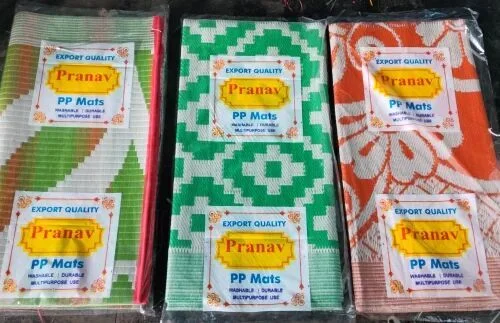
Bulk shipments are usually packed in recyclable cardboard boxes, each containing 10‑12 mats stacked flat. The boxes are sealed with tape and labeled with HS 6307 for customs purposes.
What documentation is required for importing semi‑husked coconuts from India?
Importers typically need a phytosanitary certificate, a Certificate of Origin and a size‑grading sheet. Some destination countries also require a fumigation certificate or proof of pesticide‑free status.
What quality standards apply to the turmeric powder offered?
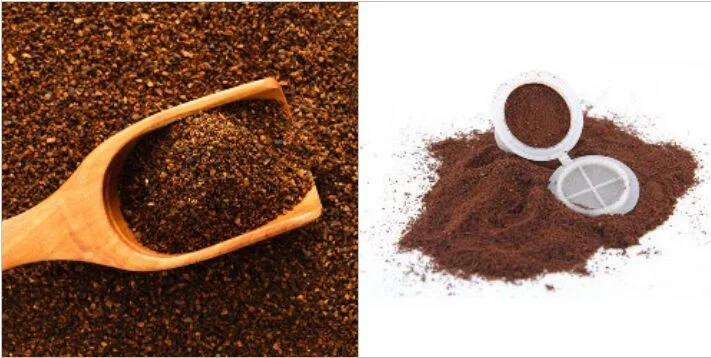
The turmeric is marketed as ICUMSA 45 grade, with moisture below 12 % and ash content between 6 % and 8 %. Buyers should request a Certificate of Analysis confirming pesticide residues and heavy‑metal limits.
What are the typical lead times for a 20‑ft container of T‑shirts?
Lead times for cotton T‑shirts from India generally range from 30 to 45 days after order confirmation, depending on size mix and colour variations.
Which HS codes are generally applicable to the product categories listed by MKM Exports?
Typical HS chapters are 21 for herbal capsules, 62 for apparel, 44 for coir‑based briquettes, 63 for yoga mats, 08 for semi‑husked coconuts and 09 for turmeric. Exact sub‑heading codes should be verified with the supplier for each shipment.




 , India