Millennium International — Verified Supplier
About Millennium International - Leather Jackets Supplier in India
India’s Gujarat state, specifically the port city of Jamnagar, hosts Millennium International, a supplier that currently lists six active products. The catalogue includes leather jackets, fresh pomegranate, sweet potatoes, onions, iceberg lettuce, and Valencia oranges. Each product falls under distinct commodity groups ranging from apparel to fresh horticultural produce. The supplier’s tier is recorded as organic, indicating a focus on sustainably sourced items where applicable. No additional product categories are mentioned beyond the six listed.
Leather jackets are offered as finished garments made from genuine leather hide, suitable for fashion and workwear markets. The fruit and vegetable items are presented as fresh, whole produce harvested in India’s seasonal cycles, with pomegranate and Valencia orange representing typical Indian export varieties. Sweet potatoes and onions are supplied as clean, grade‑A root vegetables, while iceberg lettuce is offered as whole heads meeting standard size specifications. All items are prepared for export in bulk packaging compatible with sea freight.
Product Range and Specialties of Millennium International
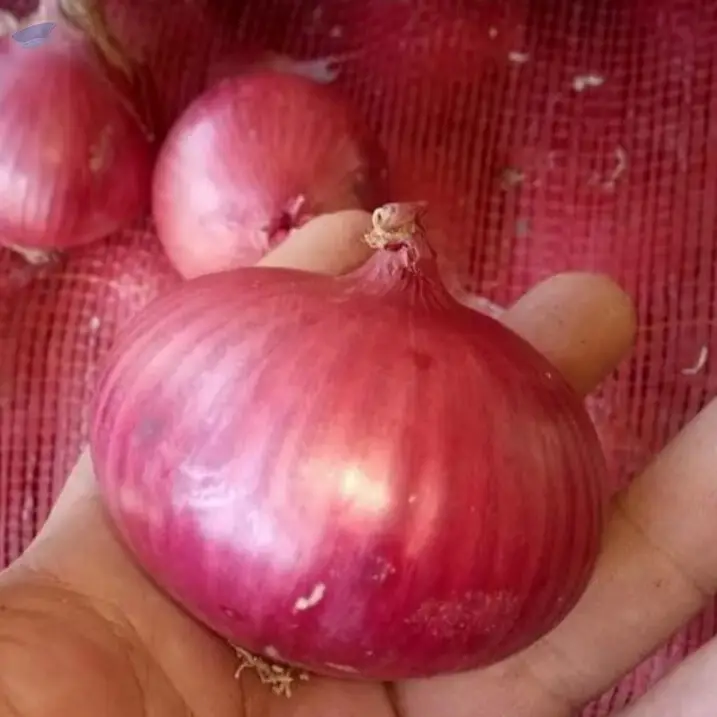
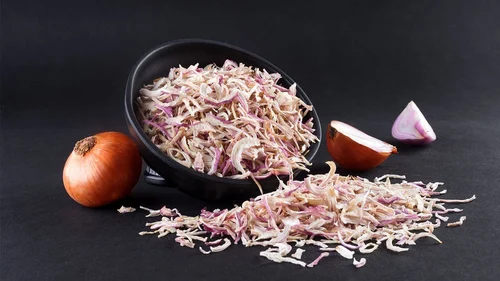
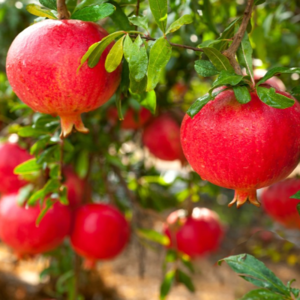
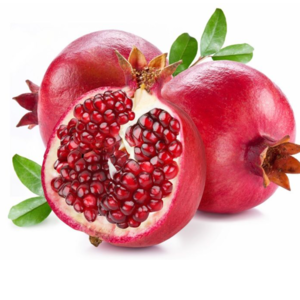
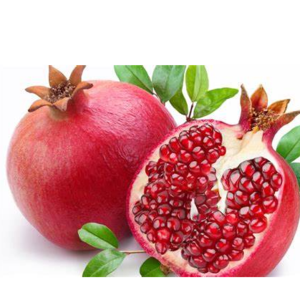
Millennium International’s leather jacket line follows common industry grades such as top‑grain or full‑grain leather with thickness between 1.2 mm and 1.8 mm, and stitching strength measured in 500 N tensile tests. For pomegranate, exporters usually target fruit weight of 250 g - 300 g per unit and a deep‑red skin, complying with export standards for fresh fruit. Sweet potatoes are generally sorted into grade A with uniform size of 150 mm - 250 mm length and moisture content below 78 %. Indian onions for export are typically 40 mm - 70 mm in diameter, with low sprouting and less than 10 % moisture loss. Iceberg lettuce heads are graded by head weight (300 g - 500 g) and crispness, while Valencia oranges are sorted by diameter (70 mm - 90 mm) and juice content above 45 %.
These specifications align with the quality expectations of major importing regions and enable buyers to compare product batches against standard benchmarks.
Trade and Export Information - Millennium International
India ranks among the top exporters of leather garments, fresh citrus, and horticultural produce, with primary markets in the European Union, the United States, the Middle East, and Southeast Asia. Export shipments of leather jackets are usually packed in cardboard cartons of 20 - 40 kg per container load, while fresh produce is shipped in refrigerated 40‑ft containers with temperature controls of 2 °C - 5 °C for lettuce and 12 °C - 15 °C for root vegetables. Buyers typically request phytosanitary certificates, pesticide residue reports, and, where applicable, organic certification documents. Commonly required certifications for Indian produce include APEDA’s export quality standards, while leather garments often need compliance with REACH chemical restrictions and may be accompanied by ISO 9001 quality management certificates if the supplier holds them.
Sourcing from Millennium International - Buyer Guidance
Potential buyers should ask Millennium International for recent lab analyses confirming pesticide limits for the fruit and vegetable items, as well as leather tanning process disclosures to verify compliance with REACH. Requesting a sample batch, preferably a 5 kg pallet for produce and a single jacket for apparel, enables verification of size, color, and material quality before confirming larger orders. Verify that the supplier can provide a phytosanitary certificate issued by the Indian plant quarantine authority and, for the organic‑labelled items, an organic certification traceable to a recognized body. Confirm packaging details such as 20 kg wooden crates for root vegetables and insulated pallets for lettuce to ensure temperature maintenance during transit.
Frequently Asked Questions About Millennium International
What product categories does Millennium International offer?
The catalogue lists six products: leather jackets, fresh pomegranate, sweet potatoes, onions, iceberg lettuce, and Valencia oranges.
How can I obtain a sample of the leather jackets?
Request a single jacket sample in the desired size; the supplier typically ships samples in a standard cardboard box with a commercial invoice and material safety data sheet.
Which certifications should I verify for the fresh produce?
Buyers should request a phytosanitary certificate, pesticide residue test results, and, for organic‑labelled items, an organic certification from a recognized agency such as APEDA or an equivalent body.
What are the typical packaging formats for the vegetables?
Sweet potatoes and onions are commonly packed in 20 kg wooden crates or polypropylene bags, while iceberg lettuce is shipped in insulated 10 kg cartons with humidity‑control liners.
What are the standard lead times for an order of Valencia oranges?
Lead times for fresh citrus from India generally range from 25 to 35 days from order confirmation to shipment, allowing for harvesting, packing, and export documentation.
Which markets does India usually export these products to?
Indian exporters of leather garments and fresh horticultural produce commonly serve buyers in the European Union, the United States, the Middle East, and Southeast Asian countries.
What HS code families are associated with these products?
While specific HS codes are not listed, leather jackets fall under chapter 42 (leather garments), pomegranate and oranges under chapter 08 (fresh fruit), sweet potatoes and onions under chapter 07 (vegetables), and iceberg lettuce also under chapter 07.




 Jamnagar, India






.jpg.png)