Med Technologies — Verified Trader & Wholesale Supplier
About Med Technologies - Medical Equipment & Machinery Supplier in Romania
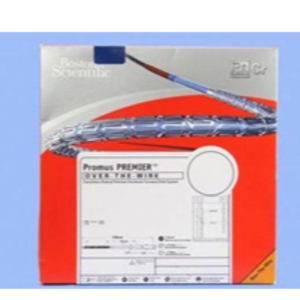
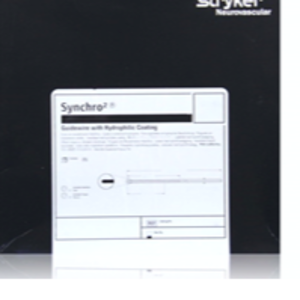
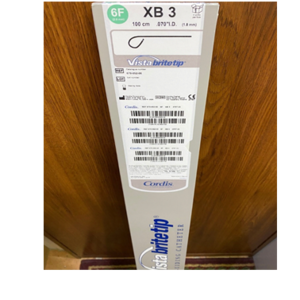
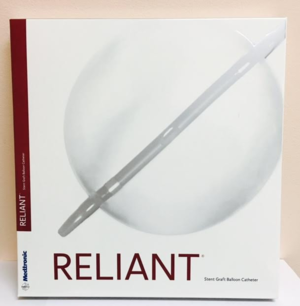
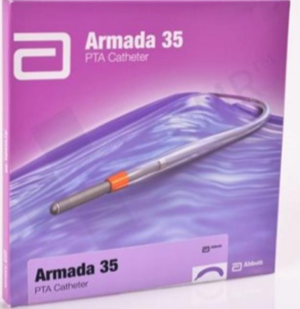
Med Technologies, based in Romania, has an active product count of 9. The company is involved in several medical specialties, including cardiology, radiology, surgery, and urology. Their product range includes catheters, stents, balloon catheters, and neurosurgical consumables. Med Technologies provides medical supplies and equipment to hospitals and clinics in countries with limited resources. The company prioritizes quality and safety, ensuring that their products undergo thorough quality inspections before delivery.
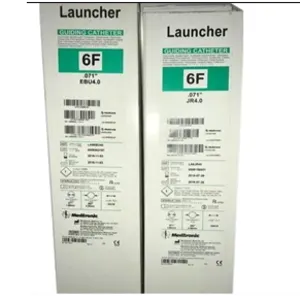
Romania, as the origin country, is a significant player in the European medical equipment market. Exporters of medical equipment from Romania typically need to comply with EU regulations and standards, such as the Medical Device Regulation (MDR) and the In Vitro Diagnostic Medical Devices Regulation (IVDR). Med Technologies' product catalogue includes items like the Launcher (MEDTRONIC) with an HS code of 9018.90, made from medical-grade stainless steel and polymer composite.
Product Range and Specialties of Med Technologies
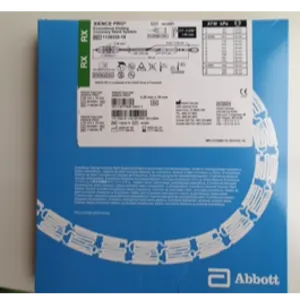
Med Technologies' product range encompasses various medical specialties. For instance, their catheters and stents are typically made from materials like cobalt-chromium alloy, platinum-chromium alloy, and medical-grade polymer composites. Buyers of medical equipment usually require certifications like ISO 13485 and ISO 9001, as well as compliance with regulatory standards like the MDR and IVDR. The company's products, such as the Xience ProA (ABBOTT) with an HS code of 9021.31, are designed to meet the needs of hospitals and clinics in countries with limited resources.
The medical equipment industry typically involves products with specific quality grades and standards. For example, catheters and stents are often classified according to their material composition, such as cobalt-chromium alloy or platinum-chromium alloy. Buyers should request certifications like ISO 13485 and ISO 9001 to ensure compliance with regulatory standards.
Trade and Export Information - Med Technologies
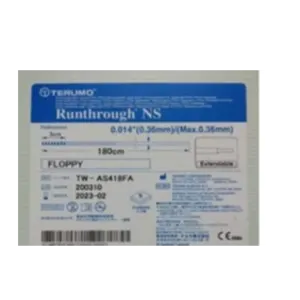
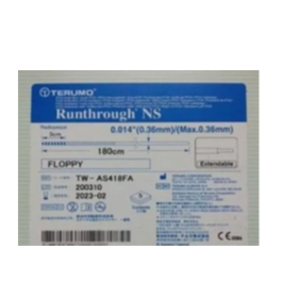
Exporters of medical equipment from Romania, like Med Technologies, typically export to regions like Europe, the Middle East, and Africa. The HS code families involved in these exports include 9018, 9021, and 3005. Certifications like CE marking and compliance with regulatory standards like the MDR and IVDR are commonly required for these exports. Med Technologies' products, such as the Runthrough NS (TERUMO) with an HS code of 9018.90, are designed for international trade, with consideration for packaging, logistics, and Incoterms like CIF or FOB.
Sourcing from Med Technologies - Buyer Guidance
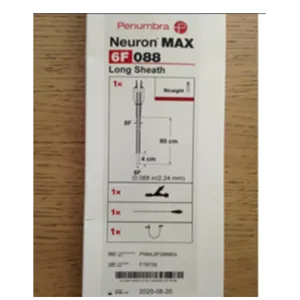
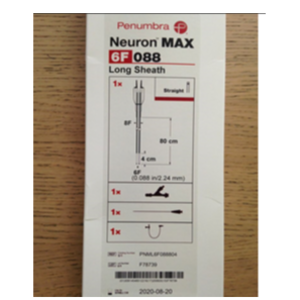
Buyers sourcing from Med Technologies should request certifications like ISO 13485 and ISO 9001, as well as compliance with regulatory standards like the MDR and IVDR. It is essential to verify the quality and safety of the products, such as the Neuron Max (PENUMBRA) with an HS code of 9018.90, before ordering. Buyers should also confirm the product's material composition, such as medical-grade polymer composite, and ensure that it meets the required standards.
Before ordering, buyers should request test reports, samples, and other relevant documents to ensure the product meets their requirements. It is crucial to verify the product's quality parameters, such as biocompatibility and sterility, to ensure compliance with regulatory standards.
Frequently Asked Questions About Med Technologies
What is the product range of Med Technologies?
Med Technologies offers a range of medical equipment and supplies, including catheters, stents, balloon catheters, and neurosurgical consumables. Their product catalogue includes items like the Launcher (MEDTRONIC) with an HS code of 9018.90.
What certifications should buyers request from Med Technologies?
Buyers should request certifications like ISO 13485 and ISO 9001, as well as compliance with regulatory standards like the MDR and IVDR. Additionally, certifications like CE marking may be required for certain products.
What is the typical material composition of Med Technologies' products?
Med Technologies' products are typically made from materials like cobalt-chromium alloy, platinum-chromium alloy, and medical-grade polymer composites. For example, the Xience ProA (ABBOTT) with an HS code of 9021.31 is made from cobalt-chromium alloy L605 with durable polymer drug coating.
How do buyers verify the quality and safety of Med Technologies' products?
Buyers should request test reports, samples, and other relevant documents to ensure the product meets their requirements. It is crucial to verify the product's quality parameters, such as biocompatibility and sterility, to ensure compliance with regulatory standards.
What is the significance of the HS code for Med Technologies' products?
The HS code is essential for determining the product's classification and compliance with regulatory standards. For example, the HS code 9018.90 is associated with medical instruments, and Med Technologies' products like the Launcher (MEDTRONIC) and Runthrough NS (TERUMO) fall under this category.
What regions do Med Technologies typically export to?
Med Technologies typically exports to regions like Europe, the Middle East, and Africa. Their products are designed for international trade, with consideration for packaging, logistics, and Incoterms like CIF or FOB.
What is the importance of packaging and logistics for Med Technologies' products?
Packaging and logistics are crucial for ensuring the safe transportation and delivery of Med Technologies' products. Buyers should confirm the packaging and logistics arrangements to ensure compliance with regulatory standards and to prevent damage to the products.
How do buyers confirm the product's compliance with regulatory standards?
Buyers should request certifications like ISO 13485 and ISO 9001, as well as compliance with regulatory standards like the MDR and IVDR. Additionally, buyers should verify the product's quality parameters, such as biocompatibility and sterility, to ensure compliance with regulatory standards.




 , Romania