MAHESH AGRO FOOD INDUSTRIES — Supplier
About MAHESH AGRO FOOD INDUSTRIES - Guar Gum Supplier in India
MAHESH AGRO FOOD INDUSTRIES is based in the state of Gujarat, India, and currently lists 23 active products across its catalogue. The company’s portfolio concentrates on guar‑derived ingredients, oil‑seed meals, and spice‑related raw materials. Its top categories include Guar Gum, Spices, Animal & Cattle Feed, Rapeseed Meal and Tamarind Seed. The supplier’s catalogue spans various forms such as meals, powders, splits and split‑derived gums. All items are classified under the relevant Indian export HS chapters for vegetable products and oil‑seed meals.
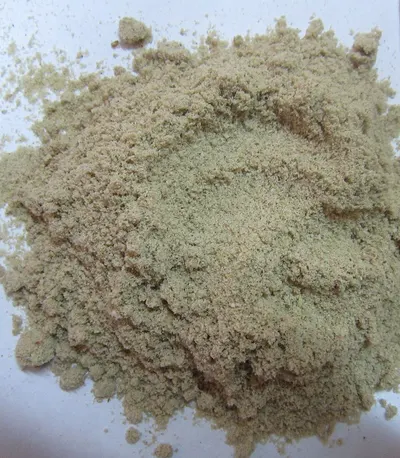
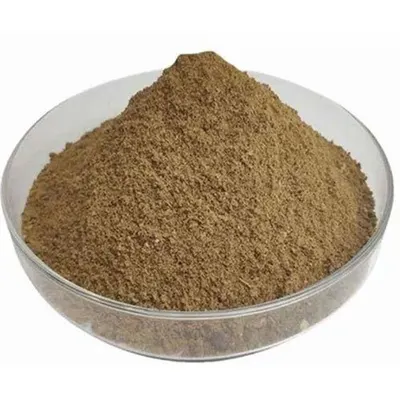
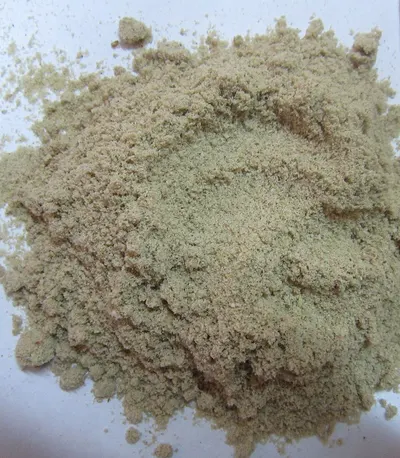
The listed products comprise Guar Meal Korma, Rapeseed Meal, Cassia Meal, Guar gum splits, Microfine Guar Meal and several commercial grades of Guar Gum such as QualiCol GF402 and GF702. Additional entries include Cassia Gum Powder, Tamarind Gum Powder (TKP), Sesbania Gum Powder and a range of animal feed ingredients. Each product is identified by its specific processing form - for example, roasted, toasted or churi - which influences moisture content and particle size. The catalogue also contains split products like Guar Gum Split and Cassia Tora Split that are commonly used as raw material for food and industrial applications. The HS code families represented are those of vegetable gums (chapter 13) and oil‑seed meals (chapter 12) in the Indian customs tariff.
Product Range and Specialties of MAHESH AGRO FOOD INDUSTRIES
Guar gum products are offered in food‑grade powder with a typical viscosity of 100‑250 mPa·s, moisture below 12 % and ash under 5 %. Commercial grades QualiCol GF402 and GF702 meet tighter specifications for viscosity and particle size, which are important for bakery and beverage formulations. Rapeseed meal generally provides 35‑40 % crude protein, residual oil 2‑4 % and complies with standard feed‑material limits for mycotoxins. Cassia gum powder and Tamarind gum powder are supplied with acid values under 5 mg KOH g⁻¹ and moisture levels below 10 %, matching common food‑industry standards. Products are commonly packed in 25 kg polypropylene bags, allowing efficient loading of 20‑foot containers (≈400 bags) or 40‑foot containers (≈800 bags) for bulk shipments.
Trade and Export Information - MAHESH AGRO FOOD INDUSTRIES
India ranks among the top global exporters of guar gum, rapeseed meal and related vegetable gums, with major destinations in the United States, the European Union, the Middle East and parts of Africa. Export shipments usually fall under HS 1302.19 for guar gum, HS 1207.59 for rapeseed meal and HS 1301.20 for tamarind gum powder, which determines duty rates and required documentation. Importers typically require ISO 9001 or ISO 22000 quality system certificates, FSSC 22000 or HACCP compliance, and, for organic claims, an accredited organic certification such as USDA‑NOP or EU organic. Standard export paperwork includes a commercial invoice, packing list, certificate of origin, phytosanitary certificate and, where applicable, a Certificate of Analysis. Freight terms are commonly FOB Mumbai or CIF Dubai, with containerization being the preferred logistics method for the bulk volumes involved.
Sourcing from MAHESH AGRO FOOD INDUSTRIES - Buyer Guidance
Buyers should request a current Certificate of Analysis that details moisture, ash, viscosity (for gums), protein (for meals) and limits for heavy metals and microbiological parameters. When organic status is required, the supplier’s organic certification and traceability records must be verified before order confirmation. Samples of 5‑10 kg are typically offered in the same packaging as the bulk shipment to allow testing of functional properties such as viscosity for gums or protein digestibility for meals. Verify that the product complies with the importing country’s pesticide residue limits and that the packaging meets ISPM 15 phytosanitary standards for wooden pallets. Standard minimum order quantities start at 10 metric tons, with a typical lead time of 30‑45 days after receipt of the purchase order and required documentation.
Frequently Asked Questions About MAHESH AGRO FOOD INDUSTRIES
What forms of guar gum are available from MAHESH AGRO FOOD INDUSTRIES?
The supplier offers food‑grade guar gum powder, guar gum splits, micro‑fine guar meal, roasted and toasted guar korma, and two commercial grades labelled QualiCol GF402 and GF702. All forms are processed to keep moisture below 12 % and meet standard viscosity ranges for food applications.
Which certifications should a buyer request for the guar and rapeseed products?
Buyers should request a current Certificate of Analysis, ISO 9001 or ISO 22000 quality system certificates, and, where organic status is required, an accredited organic certification such as USDA‑NOP or EU‑organic. A phytosanitary certificate is also standard for Indian exports.
What are the typical specifications for rapeseed meal supplied by the company?
Rapeseed meal generally contains 35‑40 % crude protein, 2‑4 % residual oil, moisture under 10 %, and ash below 6 %. It complies with the EU feed material limits for mycotoxins and heavy metals.
How is the product usually packaged for international shipment?
Products are packed in 25 kg multi‑wall polypropylene bags placed on standard wooden pallets. A 20‑foot container can hold approximately 400 bags, while a 40‑foot container can accommodate up to 800 bags, depending on the product density.
Which HS codes are commonly used for the supplier’s main product categories?
Guar gum and its derivatives are typically classified under HS 1302.19, rapeseed meal under HS 1207.59, and tamarind gum powder under HS 1301.20. These codes are used by customs authorities for duty assessment and statistical reporting.
What is the usual minimum order quantity and lead time?
The standard minimum order quantity is 10 metric tons per product, although larger batches are common for container loads. Lead time from order confirmation to shipment is generally 30‑45 days, subject to bulk freight availability.
Which regions import Indian guar gum and rapeseed meal most frequently?
Major import markets include the United States, the European Union (especially the Netherlands and Germany), the Middle East (UAE, Saudi Arabia) and several African countries. These regions use the products in food processing, animal feed formulation and industrial applications.




 , India