Kivanc Makina Doekuenm San. Ve Tic. A.S. — Supplier

About Kivanc Makina Doekuenm San. Ve Tic. A.S. - Automobile Brakes & Spare Parts Supplier in Turkey

Based in Turkey, Kivanc Makina Doekuenm San. Ve Tic. A.S. lists ten distinct brake‑related products in its current catalogue. The portfolio is focused on automobile brakes and spare parts, covering both generic brake discs and model‑specific brake assemblies. Products are classified under HS chapter 87, with codes 8708.30 for brake components such as semi‑metallic or ceramic composites and 8708.31 for cast‑iron brake discs. Materials specified include GG25‑26 grey cast iron (EN‑GJL‑250), FC200 cast iron, and various semi‑metallic, ceramic‑organic and ceramic‑metallic friction composites with steel backing plates. The catalogue references vehicle models ranging from Renault 12 to BMW and Sprinter 208D.

The brake disc entry uses HS code 8708.31 and cites GG25‑26 grey cast iron, a common material that meets EN‑GJL‑250 specifications for tensile strength and wear resistance. Model‑specific entries such as the Renault 12, Megane 1.6, and Transporter 2.5 are recorded under HS code 8708.30 and describe friction materials that combine ceramic fibers, metallic particles or organic binders with a steel backing plate. The listed composites align with industry grades such as semi‑metallic (often designated FC‑150 to FC‑200) and ceramic‑organic (frequently tested to ISO 7045). This set of ten items represents the full range of brake components that the supplier currently offers for export.

Product Range and Specialties of Kivanc Makina Doekuenm San. Ve Tic. A.S.

The catalogue comprises brake discs made from GG25‑26 grey cast iron (EN‑GJL‑250) and a series of brake‑pad assemblies for specific vehicle models. In the automotive braking sector, grey cast‑iron discs are typically produced to meet EN‑10321 and ISO 12184, with dimensions and ventilation patterns defined by OEM specifications. Brake pads listed under HS 8708.30 use semi‑metallic or ceramic composites; standard grades include FC‑150, FC‑200, and ceramic‑organic formulations that are tested against ISO 7045 for friction coefficient (0.30‑0.45) and wear rate. Materials such as carbon‑steel backing plates and ceramic fibers are common, and manufacturers often certify compliance with ISO 9001 or IATF 16949 quality management systems. Typical packaging for brake discs is wooden crates or steel drums, each disc weighing 10‑15 kg depending on diameter, while brake pads are packed in cardboard boxes of 5‑10 kg per carton. Export quantities frequently fill a 20‑ft container with 200‑250 disc units or 1,500‑2,000 pad sets, consistent with HS‑code logistics.

Trade and Export Information - Kivanc Makina Doekuenm San. Ve Tic. A.S.

Turkey is a major producer of automotive components, and brake parts from the country are regularly shipped to the European Union, the Middle East, North Africa and Central Asia. HS codes 8708.30 and 8708.31 fall under chapter 87, which is subject to customs duties that may be reduced under EU‑Turkey trade agreements. Buyers typically require CE marking for safety compliance and may request REACH registration for any chemical additives in friction composites. Standard export documentation includes a commercial invoice, packing list, certificate of origin, and where applicable a test report confirming compliance with ISO 7045 or EN 15620 for brake pads. Freight is commonly arranged on FOB or CIF terms, with containers loaded on roll‑on/roll‑off vessels for automotive parts. Turkish manufacturers often employ quality‑management certifications such as ISO 9001 and IATF 16949, which buyers should verify before contract finalisation.

Sourcing from Kivanc Makina Doekuenm San. Ve Tic. A.S. - Buyer Guidance

Prospective buyers should request material certificates for the grey cast iron (EN‑GJL‑250) and for each friction composite, including composition analysis and heat‑treatment records. Test reports covering friction coefficient, wear rate, fade resistance and noise level, typically performed according to ISO 7045 or EN 15620, are essential for validating performance against OEM requirements. In addition, verify that the supplier can provide a declaration of conformity with CE marking and, where required, REACH registration for any hazardous substances. Request samples of the brake pads before placing a bulk order, and confirm packaging dimensions (e.g., 120 cm × 80 cm × 40 cm wooden crate for discs) to ensure container loading efficiency. Lead times for brake disc production are usually 4‑6 weeks, while pad sets may require 6‑8 weeks depending on composite formulation.

Frequently Asked Questions About Kivanc Makina Doekuenm San. Ve Tic. A.S.

What HS codes are used for the brake products listed by Kivanc Makina?

The catalogue assigns HS code 8708.31 to the grey‑cast‑iron brake discs and HS code 8708.30 to all brake‑pad assemblies and model‑specific brake components.

Which material standards apply to the grey cast iron brake discs?

The discs are described as GG25‑26 grey cast iron, which complies with the EN‑GJL‑250 specification and is commonly tested to ISO 12184 and EN‑10321 for tensile strength and wear resistance.

What performance tests are standard for the semi‑metallic and ceramic brake pads?

Buyers usually require test reports prepared to ISO 7045 or EN 15620, covering friction coefficient, wear rate, fade resistance at high temperature and noise level. Results are compared against typical OEM limits for each vehicle model.

Which certifications should a buyer ask for when importing these brake components?

Typical requests include ISO 9001 or IATF 16949 quality‑management certificates, a CE‑marking declaration of conformity, and REACH registration for any hazardous chemicals present in the friction composites.

How are the brake components typically packaged for export?

Brake discs are commonly packed in wooden crates or steel drums sized to hold 10‑15 kg per disc, while brake‑pad sets are placed in reinforced cardboard boxes of 5‑10 kg each. Package dimensions are provided on the commercial invoice for container planning.

What are typical container loads for these products?

A standard 20‑ft container can accommodate roughly 200‑250 brake discs or 1,500‑2,000 brake‑pad sets, depending on packaging. A 40‑ft container roughly doubles those quantities.

What Incoterms are commonly used for shipping Turkish brake parts?

Exporters from Turkey frequently operate on FOB terms from Istanbul or Izmir ports, and on CIF terms to major Mediterranean or European ports, allowing the buyer to choose the most suitable logistics arrangement.


Featured Products from this Supplier

Other Suppliers in Primary Category

Related Products

Trending in Parent Category

More Suppliers in Category

Related Products

Other Suppliers

EximNext
7.1K+ live requirements
Register Free🎁 Reach global buyers
Post Requirement
🌍 Trusted by 225K+ businesses in 200+ countries|
7.1K+ active requirements right now
✉️ [email protected]
|
Sell on EximNextPost Requirement
EximNext
AgricultureApparelConstructionElectronicFoodHomeIndustrialMineralsMiscellaneous
🔥 Deals|✨ AI Match|🏭 Suppliers|📋 Buy Leads|💰 Trade Finance
7.1K+ live RFQs·194.8K+ suppliers
🎁 Reach global buyers →
EximNext
EximNext
Register Free
🎁 Reach global buyers
Sign In
📋Post Requirement💬Get Quotes✨AI Match📋RFQ Marketplace
All Categories
Services & Tools
🏭Supplier Directory🔥Today's Deals💰Trade Finance
Sell on EximNext →
AboutContactBlogHelp
Global Trade  ·  Turkey
10
products listed

Kivanc Makina Doekuenm San. Ve Tic. A.S.

⚓ Harbor
Country flag , TurkeyNew supplier / no reviews yet
🛡️
55/100
Trust Score

Kivanc Makina Doekuenm San. Ve Tic. A.S. Product Catalog

Showing 10 of 10 products
View all products →
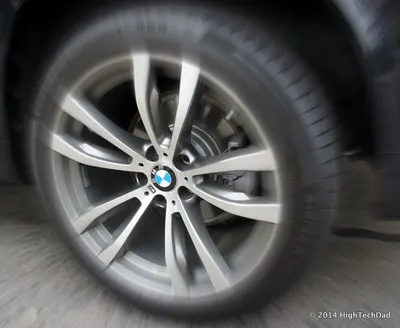
BMW
⚓ Harbor
BMW
Contact
MOQ: 1 Unit
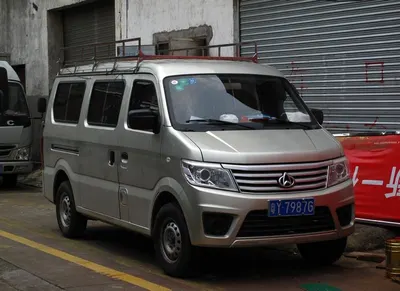
Sprinter 208D
⚓ Harbor
Sprinter 208D
Contact
MOQ: 1 Unit
Transporter 2.5 (96-01)
⚓ Harbor
Transporter 2.5 (96-01)
Contact
MOQ: 1 Unit
Jumper
⚓ Harbor
Jumper
Contact
MOQ: 1 Unit
Renault 12
⚓ Harbor
Renault 12
Contact
MOQ: 1 Unit
Megane 1.6
⚓ Harbor
Megane 1.6
Contact
MOQ: 1 Unit
Siena-uno-maria bravo
⚓ Harbor
Siena-uno-maria bravo
Contact
MOQ: 1 Unit
Accent 1.3 / 1.5 ( 89-94 )
⚓ Harbor
Accent 1.3 / 1.5 ( 89-94 )
Contact
MOQ: 1 Unit
Karsan J 9 (80-)
⚓ Harbor
Karsan J 9 (80-)
Contact
MOQ: 1 Unit
Brake discs
⚓ Harbor
Brake discs
Contact
MOQ: 1 Unit

About Kivanc Makina Doekuenm San. Ve Tic. A.S. - Automobile Brakes & Spare Parts Supplier in Turkey

Based in Turkey, Kivanc Makina Doekuenm San. Ve Tic. A.S. lists ten distinct brake‑related products in its current catalogue. The portfolio is focused on automobile brakes and spare parts, covering both generic brake discs and model‑specific brake assemblies. Products are classified under HS chapter 87, with codes 8708.30 for brake components such as semi‑metallic or ceramic composites and 8708.31 for cast‑iron brake discs. Materials specified include GG25‑26 grey cast iron (EN‑GJL‑250), FC200 cast iron, and various semi‑metallic, ceramic‑organic and ceramic‑metallic friction composites with steel backing plates. The catalogue references vehicle models ranging from Renault 12 to BMW and Sprinter 208D.

The brake disc entry uses HS code 8708.31 and cites GG25‑26 grey cast iron, a common material that meets EN‑GJL‑250 specifications for tensile strength and wear resistance. Model‑specific entries such as the Renault 12, Megane 1.6, and Transporter 2.5 are recorded under HS code 8708.30 and describe friction materials that combine ceramic fibers, metallic particles or organic binders with a steel backing plate. The listed composites align with industry grades such as semi‑metallic (often designated FC‑150 to FC‑200) and ceramic‑organic (frequently tested to ISO 7045). This set of ten items represents the full range of brake components that the supplier currently offers for export.

Product Range and Specialties of Kivanc Makina Doekuenm San. Ve Tic. A.S.

The catalogue comprises brake discs made from GG25‑26 grey cast iron (EN‑GJL‑250) and a series of brake‑pad assemblies for specific vehicle models. In the automotive braking sector, grey cast‑iron discs are typically produced to meet EN‑10321 and ISO 12184, with dimensions and ventilation patterns defined by OEM specifications. Brake pads listed under HS 8708.30 use semi‑metallic or ceramic composites; standard grades include FC‑150, FC‑200, and ceramic‑organic formulations that are tested against ISO 7045 for friction coefficient (0.30‑0.45) and wear rate. Materials such as carbon‑steel backing plates and ceramic fibers are common, and manufacturers often certify compliance with ISO 9001 or IATF 16949 quality management systems. Typical packaging for brake discs is wooden crates or steel drums, each disc weighing 10‑15 kg depending on diameter, while brake pads are packed in cardboard boxes of 5‑10 kg per carton. Export quantities frequently fill a 20‑ft container with 200‑250 disc units or 1,500‑2,000 pad sets, consistent with HS‑code logistics.

Trade and Export Information - Kivanc Makina Doekuenm San. Ve Tic. A.S.

Turkey is a major producer of automotive components, and brake parts from the country are regularly shipped to the European Union, the Middle East, North Africa and Central Asia. HS codes 8708.30 and 8708.31 fall under chapter 87, which is subject to customs duties that may be reduced under EU‑Turkey trade agreements. Buyers typically require CE marking for safety compliance and may request REACH registration for any chemical additives in friction composites. Standard export documentation includes a commercial invoice, packing list, certificate of origin, and where applicable a test report confirming compliance with ISO 7045 or EN 15620 for brake pads. Freight is commonly arranged on FOB or CIF terms, with containers loaded on roll‑on/roll‑off vessels for automotive parts. Turkish manufacturers often employ quality‑management certifications such as ISO 9001 and IATF 16949, which buyers should verify before contract finalisation.

Sourcing from Kivanc Makina Doekuenm San. Ve Tic. A.S. - Buyer Guidance

Prospective buyers should request material certificates for the grey cast iron (EN‑GJL‑250) and for each friction composite, including composition analysis and heat‑treatment records. Test reports covering friction coefficient, wear rate, fade resistance and noise level, typically performed according to ISO 7045 or EN 15620, are essential for validating performance against OEM requirements. In addition, verify that the supplier can provide a declaration of conformity with CE marking and, where required, REACH registration for any hazardous substances. Request samples of the brake pads before placing a bulk order, and confirm packaging dimensions (e.g., 120 cm × 80 cm × 40 cm wooden crate for discs) to ensure container loading efficiency. Lead times for brake disc production are usually 4‑6 weeks, while pad sets may require 6‑8 weeks depending on composite formulation.

Frequently Asked Questions About Kivanc Makina Doekuenm San. Ve Tic. A.S.

What HS codes are used for the brake products listed by Kivanc Makina?

The catalogue assigns HS code 8708.31 to the grey‑cast‑iron brake discs and HS code 8708.30 to all brake‑pad assemblies and model‑specific brake components.

Which material standards apply to the grey cast iron brake discs?

The discs are described as GG25‑26 grey cast iron, which complies with the EN‑GJL‑250 specification and is commonly tested to ISO 12184 and EN‑10321 for tensile strength and wear resistance.

What performance tests are standard for the semi‑metallic and ceramic brake pads?

Buyers usually require test reports prepared to ISO 7045 or EN 15620, covering friction coefficient, wear rate, fade resistance at high temperature and noise level. Results are compared against typical OEM limits for each vehicle model.

Which certifications should a buyer ask for when importing these brake components?

Typical requests include ISO 9001 or IATF 16949 quality‑management certificates, a CE‑marking declaration of conformity, and REACH registration for any hazardous chemicals present in the friction composites.

How are the brake components typically packaged for export?

Brake discs are commonly packed in wooden crates or steel drums sized to hold 10‑15 kg per disc, while brake‑pad sets are placed in reinforced cardboard boxes of 5‑10 kg each. Package dimensions are provided on the commercial invoice for container planning.

What are typical container loads for these products?

A standard 20‑ft container can accommodate roughly 200‑250 brake discs or 1,500‑2,000 brake‑pad sets, depending on packaging. A 40‑ft container roughly doubles those quantities.

What Incoterms are commonly used for shipping Turkish brake parts?

Exporters from Turkey frequently operate on FOB terms from Istanbul or Izmir ports, and on CIF terms to major Mediterranean or European ports, allowing the buyer to choose the most suitable logistics arrangement.

About Kivanc Makina Doekuenm San. Ve Tic. A.S. - Automobile Brakes & Spare Parts Supplier in Turkey

Based in Turkey, Kivanc Makina Doekuenm San. Ve Tic. A.S. lists ten distinct brake‑related products in its current catalogue. The portfolio is focused on automobile brakes and spare parts, covering both generic brake discs and model‑specific brake assemblies. Products are classified under HS chapter 87, with codes 8708.30 for brake components such as semi‑metallic or ceramic composites and 8708.31 for cast‑iron brake discs. Materials specified include GG25‑26 grey cast iron (EN‑GJL‑250), FC200 cast iron, and various semi‑metallic, ceramic‑organic and ceramic‑metallic friction composites with steel backing plates. The catalogue references vehicle models ranging from Renault 12 to BMW and Sprinter 208D.

The brake disc entry uses HS code 8708.31 and cites GG25‑26 grey cast iron, a common material that meets EN‑GJL‑250 specifications for tensile strength and wear resistance. Model‑specific entries such as the Renault 12, Megane 1.6, and Transporter 2.5 are recorded under HS code 8708.30 and describe friction materials that combine ceramic fibers, metallic particles or organic binders with a steel backing plate. The listed composites align with industry grades such as semi‑metallic (often designated FC‑150 to FC‑200) and ceramic‑organic (frequently tested to ISO 7045). This set of ten items represents the full range of brake components that the supplier currently offers for export.

Product Range and Specialties of Kivanc Makina Doekuenm San. Ve Tic. A.S.

The catalogue comprises brake discs made from GG25‑26 grey cast iron (EN‑GJL‑250) and a series of brake‑pad assemblies for specific vehicle models. In the automotive braking sector, grey cast‑iron discs are typically produced to meet EN‑10321 and ISO 12184, with dimensions and ventilation patterns defined by OEM specifications. Brake pads listed under HS 8708.30 use semi‑metallic or ceramic composites; standard grades include FC‑150, FC‑200, and ceramic‑organic formulations that are tested against ISO 7045 for friction coefficient (0.30‑0.45) and wear rate. Materials such as carbon‑steel backing plates and ceramic fibers are common, and manufacturers often certify compliance with ISO 9001 or IATF 16949 quality management systems. Typical packaging for brake discs is wooden crates or steel drums, each disc weighing 10‑15 kg depending on diameter, while brake pads are packed in cardboard boxes of 5‑10 kg per carton. Export quantities frequently fill a 20‑ft container with 200‑250 disc units or 1,500‑2,000 pad sets, consistent with HS‑code logistics.

Trade and Export Information - Kivanc Makina Doekuenm San. Ve Tic. A.S.

Turkey is a major producer of automotive components, and brake parts from the country are regularly shipped to the European Union, the Middle East, North Africa and Central Asia. HS codes 8708.30 and 8708.31 fall under chapter 87, which is subject to customs duties that may be reduced under EU‑Turkey trade agreements. Buyers typically require CE marking for safety compliance and may request REACH registration for any chemical additives in friction composites. Standard export documentation includes a commercial invoice, packing list, certificate of origin, and where applicable a test report confirming compliance with ISO 7045 or EN 15620 for brake pads. Freight is commonly arranged on FOB or CIF terms, with containers loaded on roll‑on/roll‑off vessels for automotive parts. Turkish manufacturers often employ quality‑management certifications such as ISO 9001 and IATF 16949, which buyers should verify before contract finalisation.

Sourcing from Kivanc Makina Doekuenm San. Ve Tic. A.S. - Buyer Guidance

Prospective buyers should request material certificates for the grey cast iron (EN‑GJL‑250) and for each friction composite, including composition analysis and heat‑treatment records. Test reports covering friction coefficient, wear rate, fade resistance and noise level, typically performed according to ISO 7045 or EN 15620, are essential for validating performance against OEM requirements. In addition, verify that the supplier can provide a declaration of conformity with CE marking and, where required, REACH registration for any hazardous substances. Request samples of the brake pads before placing a bulk order, and confirm packaging dimensions (e.g., 120 cm × 80 cm × 40 cm wooden crate for discs) to ensure container loading efficiency. Lead times for brake disc production are usually 4‑6 weeks, while pad sets may require 6‑8 weeks depending on composite formulation.

Frequently Asked Questions About Kivanc Makina Doekuenm San. Ve Tic. A.S.
What HS codes are used for the brake products listed by Kivanc Makina?
The catalogue assigns HS code 8708.31 to the grey‑cast‑iron brake discs and HS code 8708.30 to all brake‑pad assemblies and model‑specific brake components.
Which material standards apply to the grey cast iron brake discs?
The discs are described as GG25‑26 grey cast iron, which complies with the EN‑GJL‑250 specification and is commonly tested to ISO 12184 and EN‑10321 for tensile strength and wear resistance.
What performance tests are standard for the semi‑metallic and ceramic brake pads?
Buyers usually require test reports prepared to ISO 7045 or EN 15620, covering friction coefficient, wear rate, fade resistance at high temperature and noise level. Results are compared against typical OEM limits for each vehicle model.
Which certifications should a buyer ask for when importing these brake components?
Typical requests include ISO 9001 or IATF 16949 quality‑management certificates, a CE‑marking declaration of conformity, and REACH registration for any hazardous chemicals present in the friction composites.
How are the brake components typically packaged for export?
Brake discs are commonly packed in wooden crates or steel drums sized to hold 10‑15 kg per disc, while brake‑pad sets are placed in reinforced cardboard boxes of 5‑10 kg each. Package dimensions are provided on the commercial invoice for container planning.
What are typical container loads for these products?
A standard 20‑ft container can accommodate roughly 200‑250 brake discs or 1,500‑2,000 brake‑pad sets, depending on packaging. A 40‑ft container roughly doubles those quantities.
What Incoterms are commonly used for shipping Turkish brake parts?
Exporters from Turkey frequently operate on FOB terms from Istanbul or Izmir ports, and on CIF terms to major Mediterranean or European ports, allowing the buyer to choose the most suitable logistics arrangement.

Kivanc Makina Doekuenm San. Ve Tic. A.S.
Country flag Turkey
⚓ HarborGlobal Trade
55/100
Trust Score
10
Products
✓ Free to contact — no commission
✓ Escrow payment available
✓ Verified business identity
Compare more suppliers
Post a requirement — get 10 quotes free
Let verified suppliers compete for your business. Free, fast, no commitment.
Due Diligence
Verify this supplier's real shipping history.
Every shipment, every buyer, every port. Trade data that can't be faked.
Run due diligence →
Discover More

Related Suppliers & Products

Explore similar suppliers, related products and trending categories

Featured Products from this Supplier

Other Suppliers in Primary Category

Related Products

Trending in Parent Category

More Suppliers in Category

Stay ahead in global trade
Weekly market insights & new supplier alerts.
EximNext
Exim Next is a leading global B2B marketplace, connecting over 220,000 registered suppliers and buyers across 200+ countries. As a trusted import export marketplace, it serves as the essential B2B portal for businesses worldwide, empowering them to expand their international reach. With Exim Next, businesses can trade smarter and grow faster.
SECURE PAYMENTS
VISAMastercardPayPalSWIFTL/CEscrow
Follow us
© 2026 EximNext