CoreEnergyConsortium — Verified Trader & Wholesale Supplier
About CoreEnergyConsortium - Crude Oil Supplier in Luxembourg
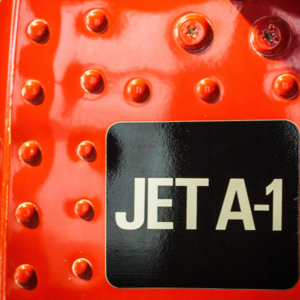
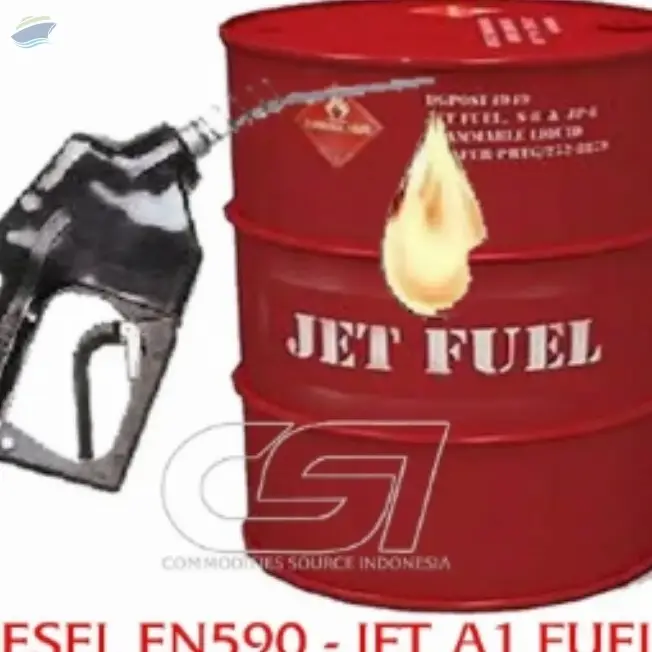
CoreEnergyConsortium is based in Luxembourg, listed under the France region, and currently offers seven listed commodities. The catalogue includes Jet Fuel A‑1, EN590 diesel with a 10 ppm sulfur limit, calcined petroleum coke, unrefined crude oil, gold doré bars, fine gold bullion, and a range of gasoline and derivatives. Each product is identified with its corresponding HS‑code: 2710.19 for Jet A‑1 and EN590, 2713.12 for petcoke, 2709.00 for crude oil, 7108.12 for both gold doré and bullion, and 2710.11 for gasoline. The supplier’s active product count of seven reflects a focus on primary energy fuels, petroleum by‑products, and precious metal commodities. The listed categories span crude oil, diesel, aviation fuels, petroleum coke, and gold, aligning with typical commodity trading portfolios.
The seven items cover three HS‑code families: 27.10 for refined petroleum fuels, 27.13 for petroleum coke, 27.09 for crude oil, and 71.08 for gold products. Jet Fuel A‑1 and EN590 are classified under the same HS heading but differ in material specifications, while gasoline falls under a separate sub‑heading. Gold doré and bullion share the same HS code but represent distinct material grades, the former being an alloy of 60‑95 % gold and the latter 99.99 % pure gold. The catalogue does not include any secondary processing services, focusing solely on bulk commodity supply. All products are presented as ready for international trade through standard bulk or containerized logistics.
Product Range and Specialties of CoreEnergyConsortium
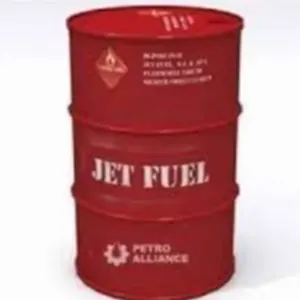
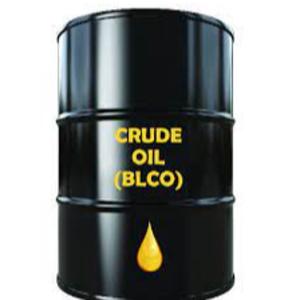
CoreEnergyConsortium’s catalogue lists Jet Fuel A‑1 (kerosene‑based aviation turbine fuel), EN590 diesel with a sulfur limit of 10 ppm, calcined petroleum coke (fuel grade), unrefined crude petroleum oil, gold‑silver alloy doré bars, 24‑karat fine gold bullion, and refined gasoline blends. The petroleum fuels are assigned to HS 2710.19 (Jet A‑1 and EN590) and HS 2710.11 (gasoline), while petcoke carries HS 2713.12, crude oil HS 2709.00, and the gold products HS 7108.12.
In the aviation sector, Jet A‑1 is typically required to meet ASTM D1655 specifications, including a flash point above 38 °C and a maximum aromatic content of 25 %. EN590 diesel conforms to Euro 5/6 standards, with sulfur ≤10 ppm, cetane number ≥51, and density between 0.820 - 0.845 kg/L. Fuel‑grade petcoke usually targets a carbon content above 90 % and ash below 5 %. Crude oil grades are described by API gravity (e.g., 30 - 40°) and sulfur content (light sweet ≤0.5 %). Gold doré is commonly produced at 60 - 95 % Au purity, while bullion is refined to 99.99 % Au. Gasoline specifications often reference octane ratings (RON 95 - 98) and Reid vapor pressure between 55 - 70 kPa.
Trade and Export Information - CoreEnergyConsortium
Luxembourg functions as a major European commodity trading hub, and exporters of petroleum fuels from the region typically ship to the EU, North Africa, and Asian markets using bulk tanker or ISO tank containers. The HS 27 chapter products require compliance with the EU REACH regulation, IMO fuel quality standards, and often demand ISO 9001 quality management certification from the supplier. Gold products under HS 7108 are generally subject to LBMA Good Delivery standards, anti‑money‑laundering documentation, and may be shipped in sealed bullion boxes with tamper‑evident seals.
Buyers of Jet A‑1 and EN590 frequently request certificates of analysis, ASTM or Euro‑spec test reports, and a Statement of Conformity to verify sulfur and flash‑point limits. For petcoke and crude oil, third‑party inspection reports (e.g., SGS, Bureau Veritas) and assay certificates are standard. Gold doré and bullion buyers usually ask for assay certificates, melt‑flow reports, and LBMA provenance documentation. Common incoterms in these trades are CIF or FOB, with petroleum fuels loaded into floating storage units or ISO tanks, while gold is packed in hardened cases and transported via air or secure ground logistics.
Sourcing from CoreEnergyConsortium - Buyer Guidance
When sourcing from CoreEnergyConsortium, buyers should obtain a current Certificate of Analysis that details sulfur content for EN590, flash point for Jet A‑1, and density for gasoline. Requesting a third‑party inspection report for petcoke, crude oil, and gold will verify material purity, ash content, API gravity, and gold assay respectively. Verify that the supplier can provide relevant regulatory documents such as REACH registration for fuels, IMO fuel statements, and LBMA assay certificates for gold.
Before placing a purchase order, confirm the minimum order quantity, which for bulk petroleum products is commonly measured in metric tonnes (e.g., 10 kt) and for gold in kilograms (e.g., 100 kg). Ask for sample shipments or laboratory test results to ensure compliance with ASTM D1655, Euro 5/6, or LBMA standards. Clarify packaging details - ISO tanks for liquids, 20‑ft or 40‑ft containers for petcoke, and sealed bullion boxes for gold - to align with logistics planning and insurance requirements.
Frequently Asked Questions About CoreEnergyConsortium
What petroleum fuel products does CoreEnergyConsortium offer?
The supplier lists Jet Fuel A‑1, EN590 diesel (≤10 ppm sulfur) and refined gasoline, identified under HS 2710.19 for the fuels and HS 2710.11 for gasoline.
Which certifications or test reports should a buyer request for Jet Fuel A‑1?
Buyers typically ask for an ASTM D1655 Certificate of Analysis, a flash‑point test result, and a third‑party inspection report confirming compliance with the HS 2710.19 classification.
How is EN590 diesel specified in the catalogue and what standards apply?
EN590 is presented as diesel with sulfur ≤10 ppm under HS 2710.19 and should meet Euro 5/6 specifications, including a cetane number of at least 51 and a density range of 0.820 - 0.845 kg/L.
What are the typical quality parameters for the petcoke product?
The petcoke, classified under HS 2713.12, is generally expected to have carbon content above 90 %, ash below 5 %, and a bulk density around 0.8 t/m³; buyers often request an SGS assay report.
Which documents are essential for importing the gold doré and bullion?
Importers normally require an assay certificate, LBMA Good Delivery verification, melt‑flow report, and an anti‑money‑laundering declaration, all matching HS 7108.12.
What packaging and shipping methods are used for the listed commodities?
Liquid fuels are shipped in ISO tanks or bulk carriers, petcoke in 20‑ft or 40‑ft containers, crude oil in tanker vessels, and gold in hardened, sealed boxes with tamper‑evident seals, typically under CIF or FOB terms.
What is the usual minimum order quantity and lead time for these products?
Bulk petroleum products often have a minimum of 10 kilotonnes with lead times of 30‑45 days, while gold transactions commonly start at 100 kg with a lead time of 15‑25 days, depending on certification and logistics arrangements.





 , Luxembourg