Actis Global Ltd. — Verified Suppliers
About Actis Global Ltd. - Food & Petroleum Supplier in Egypt
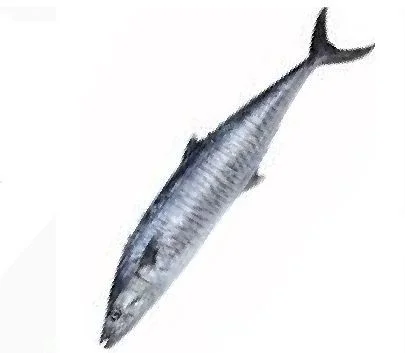
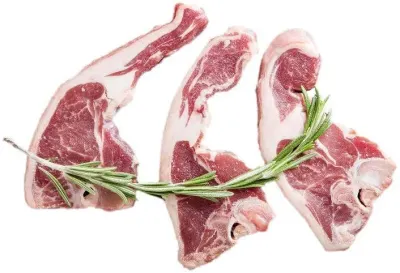
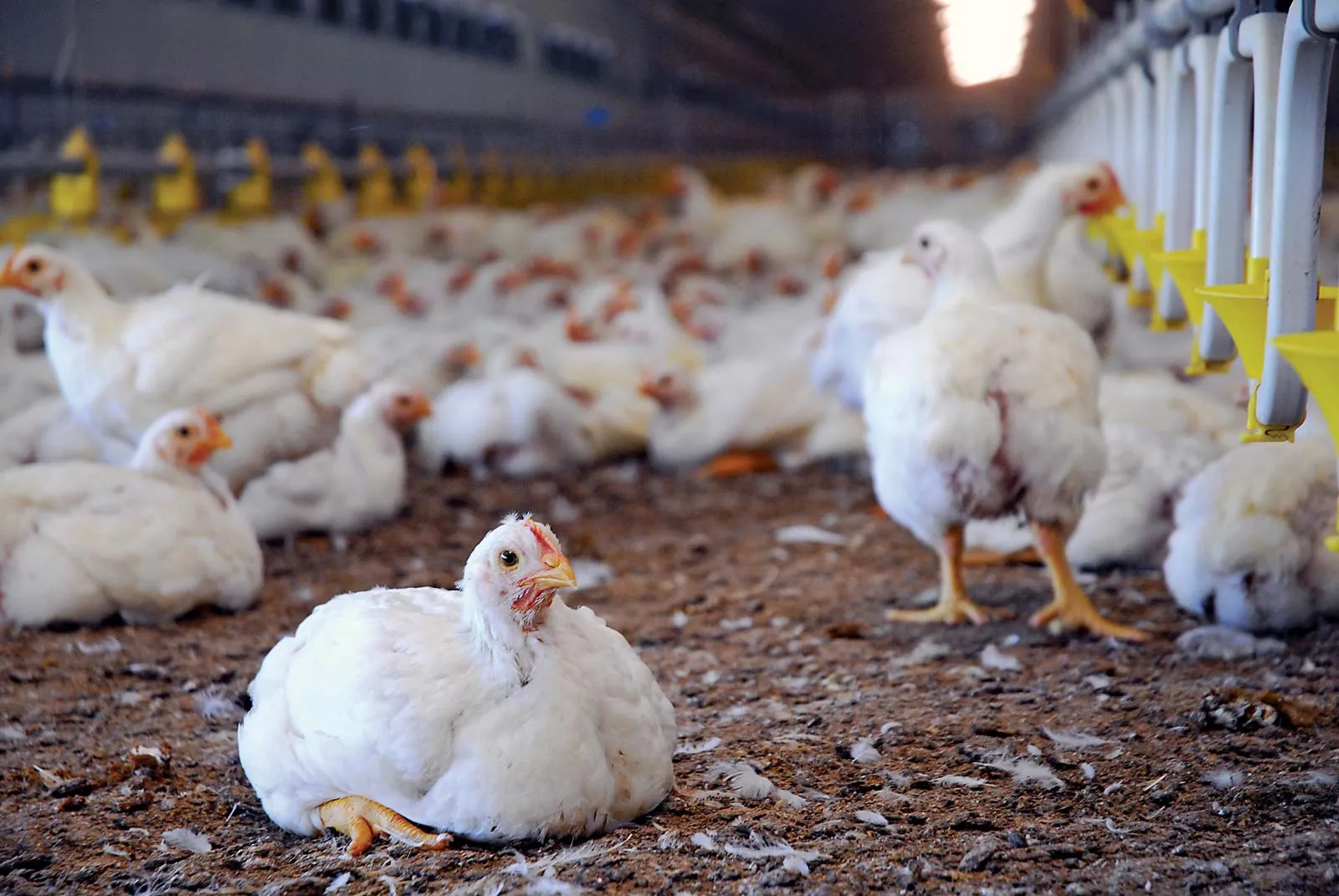
Egypt (region unspecified) hosts Actis Global Ltd., which lists ten active products across food and petroleum segments. The catalogue includes White Refined Sugar (ICUMSA 45) under HS 1701.99, fresh/frozen Poultry (HS 0207.14), canned Beef and Lamb preparations (HS 1602.90), refined Sunflower Oil (HS 1512.19), crude and RBD Palm Oil (HS 1511.19), Unrefined Crude Oil (HS 2709.00), aviation fuel JET‑A1 (HS 2710.19), diesel EN590 10 ppm (HS 2710.19), D6 Virgin Heavy Fuel Oil (HS 2710.19) and whole Mullet Fish (HS 0303.89).
The supplier’s profile states activity in both essential food items and petroleum products for international trade. Each entry is tied to a specific HS‑code family, indicating readiness for customs classification and bulk shipping. No additional product lines or certifications are mentioned beyond the ten items listed.
Product Range and Specialties of Actis Global Ltd.
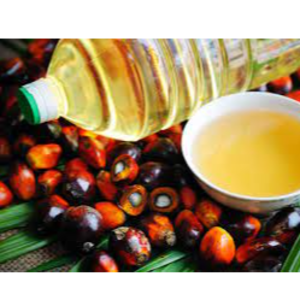
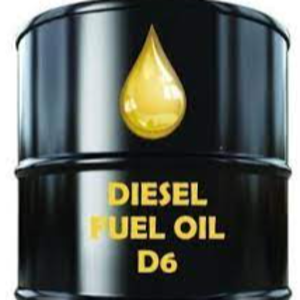
The product list covers standard grades commonly traded from North Africa and the Middle East. White Refined Sugar labeled ICUMSA 45 typically contains ≤0.04 % moisture and ≥99.8 % sucrose purity. Poultry items are usually supplied chilled at 0‑4 °C or frozen at - 18 °C, with carcass yields around 70 %. Canned Beef and Lamb preparations often meet a minimum meat content of 60 % and are packed in tin cans of 200 g to 1 kg. Refined Sunflower Oil is generally ≤0.1 % acid value and ≤10 µmol/kg peroxide value. Palm Oil may be offered as crude (API ≈ 1.5, sulfur ≤ 0.5 %) or refined (cloud point ≈ 10 °C, free‑fat ≥ 99 %). Crude Oil exports from Egypt fall in the 30‑35 °API range with sulfur content 0.2‑0.5 %. JET‑A1 must meet a flash point ≥38 °C and a freezing point ≤‑40 °C. EN590 diesel is specified at ≤10 ppm sulfur, cetane number ≥51, and a density of 0.820‑0.845 kg/L. D6 Heavy Fuel Oil typically shows a viscosity of 180‑250 cSt at 50 °C and a sulfur limit of 1.5 %. Whole Mullet Fish are usually frozen whole, sized 300‑600 g per specimen, and packed in insulated boxes for sea freight.
Trade and Export Information - Actis Global Ltd.
Egypt exports edible oils, sugar, meat, fish and petroleum products primarily to the EU, GCC, Sub‑Saharan Africa and Southeast Asia. HS 1701, 1511‑1512 and 1512 families are subject to EU import duties that often require a Certificate of Origin and compliance with Food Safety standards such as HACCP or ISO 22000. Meat and poultry (HS 0207, 1602) usually need a sanitary export certificate, a veterinary health certificate and, where required, Halal certification. Petroleum grades (HS 2709, 2710) are governed by the International Maritime Organization’s fuel quality standards and often require a Specification Sheet, API Gravity report and Sulfur Content analysis. Typical shipping modes are 20‑ft or 40‑ft containers for sugar, oils and canned meat, while bulk cargo tanks are used for crude oil and fuel oils. Common Incoterms for Egyptian exporters are FOB Alexandria or CIF Port Said, with buyers arranging on‑board inspection by SGS or Bureau Veritas.
Sourcing from Actis Global Ltd. - Buyer Guidance
When sourcing from Actis Global Ltd., request a current Certificate of Analysis for each food product, confirming ICUMSA grade, moisture, ash and microbiological limits. For meat and poultry, obtain a Veterinary Health Certificate, a Halal declaration if applicable, and a recent phytosanitary inspection report. Petroleum shipments should be accompanied by a Material Safety Data Sheet, API gravity and sulfur content test results, and an Export Quality Certificate. Verify that the HS‑code on the commercial invoice matches the catalogue entry and that packaging complies with the buyer’s destination regulations (e.g., food‑grade drums for oils, insulated containers for frozen fish). Confirm minimum order quantities, typical lead times (30‑45 days for food, 20‑35 days for fuels) and the preferred Incoterm before placing a purchase order.
Frequently Asked Questions About Actis Global Ltd.
What HS codes does Actis Global Ltd. use for its edible oil products?
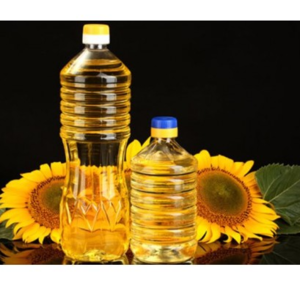
Sunflower Oil is listed under HS 1512.19, while Palm Oil (crude or refined) uses HS 1511.19. Both codes fall within the edible‑oil chapter used by most EU and GCC importers.
Does the supplier provide quality certificates for White Refined Sugar?
The catalogue specifies ICUMSA 45 grade; buyers should request a Certificate of Analysis showing moisture ≤0.04 % and sucrose purity ≥99.8 % before shipment.
Which documents are required for importing the canned Beef and Lamb products?
A Veterinary Health Certificate, a Certificate of Origin and a recent Certificate of Analysis confirming meat content (minimum 60 %) and compliance with ISO 22000 are standard requirements.
What specifications apply to the JET‑A1 fuel offered by Actis Global Ltd.?
JET‑A1 must meet ASTM D1655 standards, including a flash point ≥38 °C, a freezing point ≤‑40 °C and a sulfur content ≤30 ppm. An MSDS and a fuel quality test report should be provided.
Can the Crude Oil be shipped in bulk vessels?
Yes, HS 2709.00 covers unrefined crude oil, which is normally loaded onto VLCC or Suezmax tankers under FOB Alexandria or CIF terms, with API gravity and sulfur content certificates required.
What packaging is used for the whole Mullet Fish export?
The fish are frozen whole and packed in insulated, moisture‑controlled boxes, typically placed in 20‑ft containers with dry ice to maintain - 18 °C throughout transit.
Are there any standard certifications buyers should ask for when importing the petroleum products?
Buyers should request an API‑certified quality specification sheet, an MSDS, and a Certificate of Origin. Additional certifications such as ISO 9001 or ISO 14001 are common but not listed by the supplier.
What are the typical lead times for food versus fuel shipments?
Food products (sugar, oils, meat, fish) generally require 30‑45 days from order confirmation, while petroleum products (crude, diesel, jet fuel) are often ready for shipment within 20‑35 days.




 , Egypt