Impex Commodities Australia Ltd Pty — Verified Trader & Wholesale Supplier
About Impex Commodities Australia Ltd Pty - Aviation Fuel & Aluminium Supplier in Australia
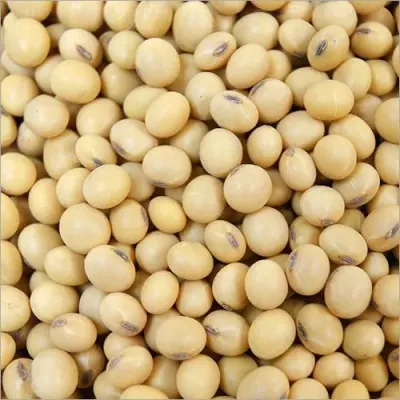
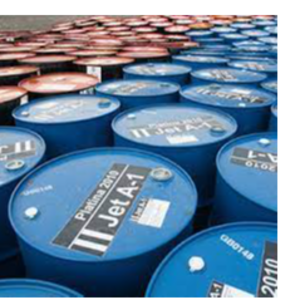
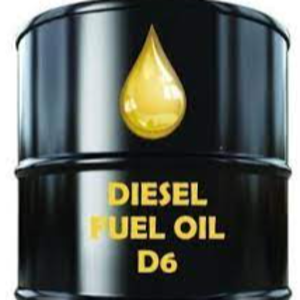
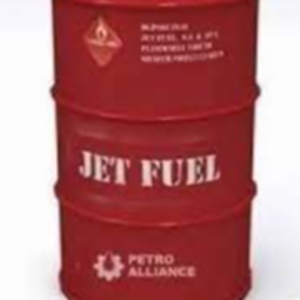
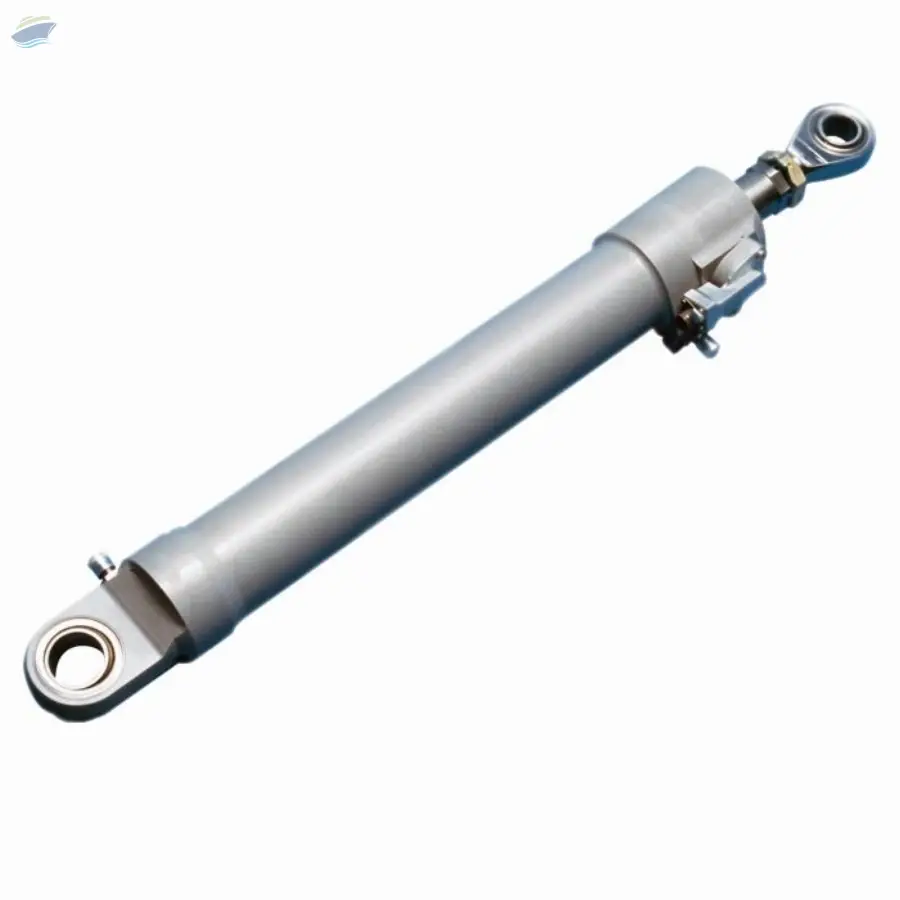
Impex Commodities Australia Ltd Pty operates from the Northern Territory of Australia and currently lists six distinct products in its catalogue. The catalogue includes Jet fuel (HS 2710.19, refined petroleum kerosene - Jet A‑1 grade), Aluminium ingots (HS 7601.20, A356/ADC12 alloy), Diesel fuel (HS 2710.19, refined petroleum distillate), Refined beet sugar (HS 1701.99, sucrose), Soybean kernels (HS 1201.90, yellow seed variety) and Petroleum coke (HS 2713.12, calcined and raw forms).
The supplier’s top‑category tags mention petrol, gas lighters, kerosene oil, wood pulp, crude oil, aircraft, ethanol and aluminium alloy, reflecting a focus on energy and basic material streams. Each product is identified by its international HS code and material description, allowing buyers to match the listing with standard customs classifications and industry specifications.
Product Range and Specialties of Impex Commodities Australia Ltd Pty
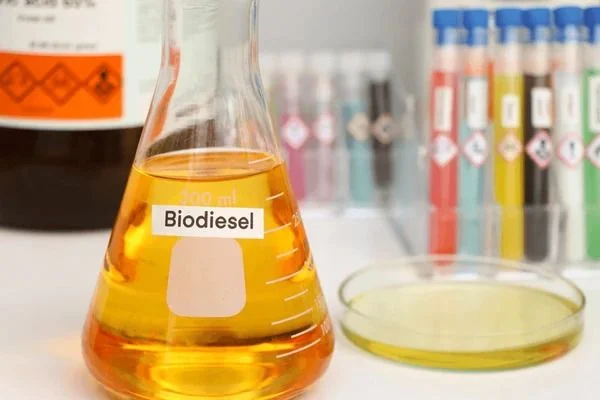
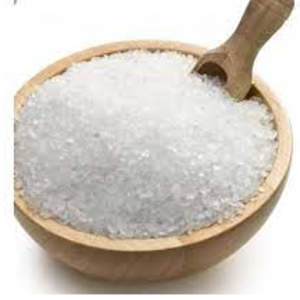
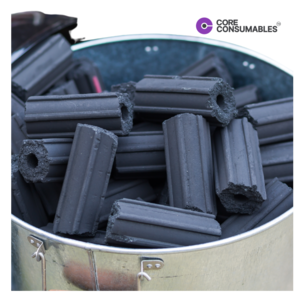
The product list covers two main commodity families: petroleum derivatives and primary raw materials. Jet fuel and diesel fall under HS chapter 27, where Jet A‑1 is typically produced to ASTM D1655 or DEF STAN 91‑91 specifications with a flash point above 38 °C and a sulphur content ≤0.5 %. Diesel is usually supplied to EN 590 or ASTM C‑5 standards, with cetane numbers around 50 and sulphur limits of 10 ppm in many markets. Aluminium ingots are classified under HS 7601.20 and are commonly supplied in A356 or ADC12 alloy grades, with typical silicon content of 6‑12 % and melt‑flow characteristics suited for casting. Refined beet sugar is graded by ICUMSA colour, with ICUMSA 45 being a standard export quality; moisture content is generally limited to 0.2 %‑0.3 %. Soybean kernels are traded as 1201.90 commodities, often meeting protein levels of 38‑42 % and oil content of 18‑20 %. Petcoke, under HS 2713.12, is usually shipped as calcined or raw material with moisture below 1 % and an ash content under 10 %.
Trade and Export Information - Impex Commodities Australia Ltd Pty
Australian exporters of petroleum products such as Jet A‑1 and diesel typically ship to the Asia‑Pacific region, the Middle East and parts of Europe, using ISO tanks or bulk carriers that comply with IMO 2020 sulphur regulations. Aluminium ingot shipments are frequently containerised in 20‑ft or 40‑ft containers with wooden dunnage, targeting foundries in China, India and Southeast Asia. Sugar and soybean kernels are bulk‑shipped in grain bags or flexible intermediate bulk containers (FIBCs) to markets in the Middle East, Africa and South‑East Asia, where demand for food‑grade commodities remains high. Petcoke is exported as bulk cargo in open‑top vessels, often destined for cement plants or power generation facilities in India and the United Arab Emirates. Across these categories, buyers commonly require certificates of origin, material safety data sheets (MSDS) and third‑party laboratory assay reports. Standard certifications sought by importers include ISO 9001 for quality management, ISO 14001 for environmental compliance, and product‑specific standards such as ASTM D1655 for jet fuel or ISO 9001‑based assay certificates for sugar.
Sourcing from Impex Commodities Australia Ltd Pty - Buyer Guidance
When sourcing Jet fuel or diesel from this supplier, request the latest ASTM or EN fuel test report, a sulphur analysis, and a compliance statement with IMO 2020 limits. For aluminium ingots, ask for a mill test certificate detailing alloy composition, melt‑flow index and any heat‑treatment condition. Sugar buyers should obtain an ICUMSA colour certificate, moisture analysis and a phytosanitary certificate confirming compliance with the destination country’s food safety rules. Soybean purchasers normally request a protein and oil content assay, a pesticide residue report and an export phytosanitary certificate. Petcoke orders benefit from a moisture and ash content assay, a bulk density measurement and a handling safety data sheet. In all cases, verify the HS code on the commercial invoice matches the product description to avoid customs discrepancies.
Frequently Asked Questions About Impex Commodities Australia Ltd Pty
What HS codes are used for the petroleum products listed by Impex Commodities Australia?
Jet fuel and Diesel are both listed under HS code 2710.19, which covers refined petroleum kerosene and distillate fuels. The classification aligns with standard customs tariffs for aviation and road fuels.
Which alloy grade is specified for the aluminium ingots?
The catalogue cites Aluminium Alloy A356/ADC12, classified under HS 7601.20. This alloy typically contains 6‑12 % silicon and is used for casting applications.
What documentation should a buyer request for the sugar product?
Buyers should request an ICUMSA colour certificate, a moisture analysis (usually ≤0.3 %), a certificate of origin and a phytosanitary certificate for food‑grade imports.
Are there standard certifications commonly required for Jet A‑1 fuel?
Importers generally require an ASTM D1655 fuel test report, a compliance statement with IMO 2020 sulphur limits and, if applicable, an ISO 9001 quality management certificate from the supplier.
How is petcoke typically packaged for export?
Petcoke is usually shipped as bulk cargo in open‑top or covered bulk carriers, sometimes placed in sealed tarpaulin‑covered piles on deck. Moisture and ash content assay reports are standard documentation.
What are typical quality parameters for soybean kernels?
Standard assays include protein content of 38‑42 %, oil content of 18‑20 %, moisture below 12 % and a pesticide residue analysis complying with the importing country’s limits.
Which markets does the supplier target for aluminium ingots?
Australian aluminium ingot exporters commonly serve foundries in China, India, Vietnam and other Southeast Asian countries, using containerised shipments that comply with HS 7601.20 customs procedures.
What shipping terms are most used for the listed commodities?
For bulk petroleum products, CIF or FOB terms with ISO tank containers are typical. Aluminium ingots and solid commodities such as sugar or soybeans are often quoted FOB with subsequent freight arranged by the buyer, using 20‑ft or 40‑ft containers or bulk vessels as appropriate.





 , Australia