Subash enterprise — Verified Wholesaler & Wholesale Supplier

About Subash enterprise - Spices, Seeds and Nuts Supplier in India

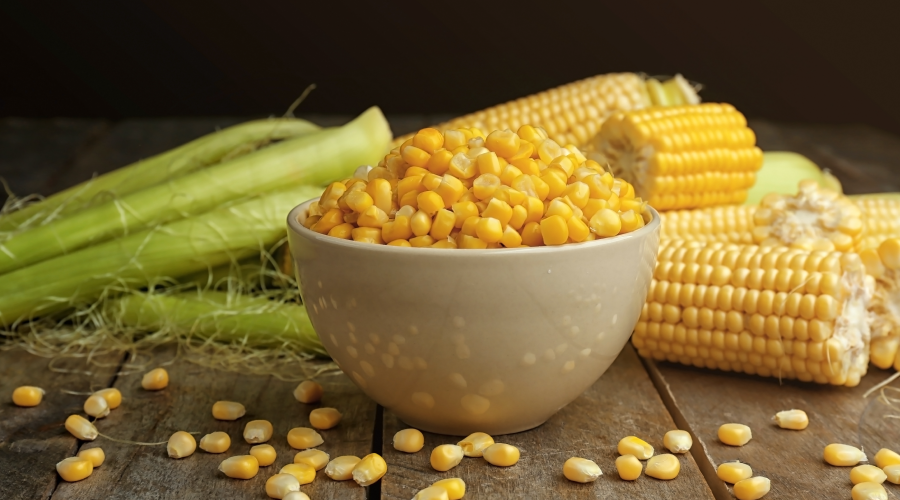
Based in Salem, Tamil Nadu, India, Subash enterprise currently lists 18 active agricultural products. The catalogue records groundnut (peanut) seeds identified with HS code 2529.10, as well as garlic, tamarind seed and powder, coriander seeds, yellow corn seeds, cut rose, red onion, fresh green jalapeno, additional corn seeds, cumin seeds, yellow/black mustard seeds, peanuts, dil seeds, basil seeds, flax seeds, white and black sesame seeds, and chick peas (kabuli white and brown). The items span oil‑seed commodities, spice seeds and fresh vegetable produce. Each entry is presented under the appropriate HS chapter, for example 1202 for oil seeds and 0905 for spices. The supplier’s tier is noted as “organic”, indicating a focus on organically produced commodities.

The product mix includes both raw seed forms (peanut, mustard, sesame) and processed spice forms (cumin, coriander, garlic). Fresh horticultural products such as bell pepper, jalapeno and red onion are also listed, which fall under HS 0709 and 0703. Legume items like chick peas are classified under HS 0713. The catalogue does not provide individual HS codes for most items, but the categories align with standard Indian export classifications for edible seeds and spices. No additional corporate data such as founding year or turnover is supplied.

Product Range and Specialties of Subash enterprise

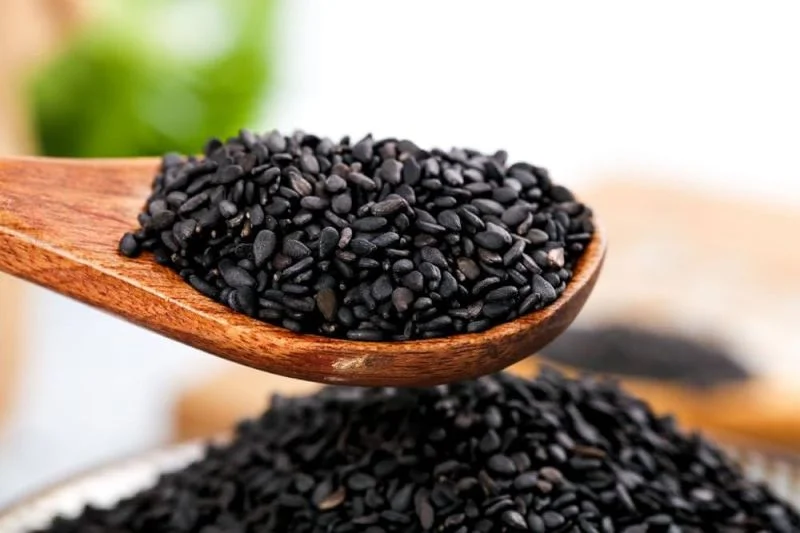
Peanut groundnut seeds are commonly exported in A‑grade quality with oil content between 45 % and 55 % and moisture below 5 %. Indian mustard seeds are usually sold as yellow or black varieties with seed size 2 - 5 mm and low oil degradation. Sesame seeds are graded by hull removal (white) or whole (black) and tested for aflatoxin levels below 10 ppb.

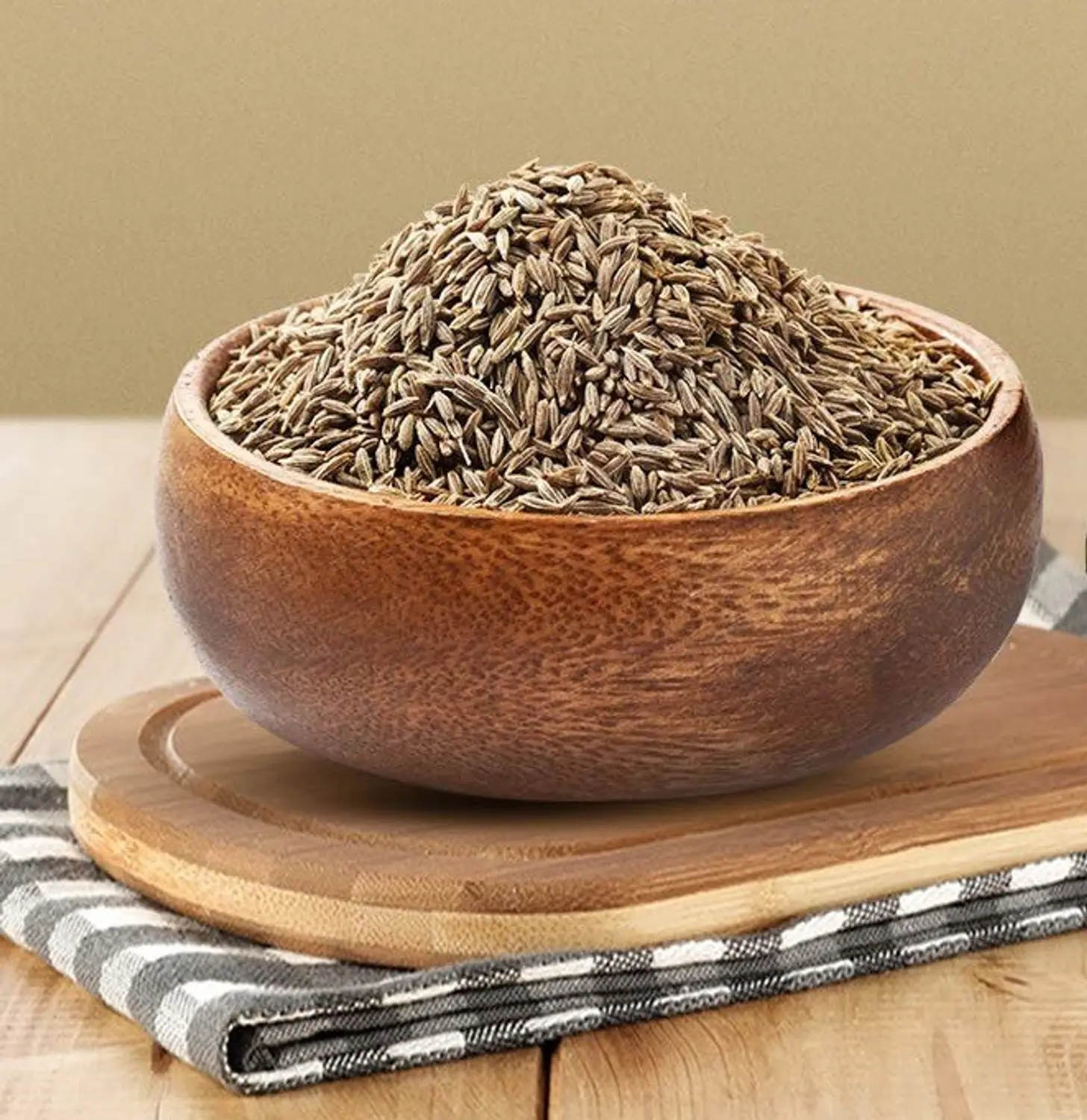
Cumin and coriander seeds are typically supplied in whole seed form meeting International Commodity Unit for Spices (ICUM) specifications for size (2.5 - 3 mm) and purity above 98 %. Fresh peppers and onions are harvested at maturity, packed in ventilated cartons, and shipped with a shelf life of 7 - 10 days. Garlic and dry ginger are graded by clove size and moisture content, generally not exceeding 12 % for dry ginger.

Trade and Export Information - Subash enterprise

India is a major exporter of oil seeds, spices and fresh horticultural produce, with the European Union, United Arab Emirates, United States and Southeast Asian markets accounting for the bulk of demand. HS chapter 1202 (oil seeds) and 0905 (spices) are routinely inspected under the Indian Plant Quarantine (IPQ) framework, requiring phytosanitary certificates and, for organic items, NPOP or EU organic verification.

Typical export logistics involve containerised shipments; 20‑ft containers can hold approximately 20 tons of bulk seeds, while fresh vegetables are often packed in 40‑ft refrigerated containers (reefers) with temperature control at 5 - 10 °C. Buyers usually request certificates of analysis for pesticide residues, aflatoxin, moisture and oil content, and may stipulate compliance with ISO 22000 or FSSC 22000 food safety standards. Incoterms such as FOB Salem Port or CIF Dubai are common for these commodities.

Sourcing from Subash enterprise - Buyer Guidance

When sourcing from Subash enterprise, buyers should obtain a current phytosanitary certificate and, for organic‑labelled items, the relevant NPOP or EU organic certificate. Sample analysis reports covering aflatoxin, pesticide residues and moisture are standard due diligence for peanut and sesame seeds.

It is advisable to confirm product specifications such as seed size, oil content and purity percentages before placing a bulk order. Packaging details - e.g., 25 kg polypropylene bags for seeds or 1 ton bulk containers for fresh peppers - should be agreed in advance, and the buyer should verify the supplier’s ability to meet the required lead time, typically 30 - 45 days from order confirmation.

Frequently Asked Questions About Subash enterprise

What HS codes apply to the main products offered by Subash enterprise?

The only HS code provided in the catalogue is 2529.10 for peanut groundnut seeds; other items fall under standard Indian export codes such as 1202 for oil seeds (mustard, sesame, flax), 0905 for spice seeds (cumin, coriander, mustard), 0709 for fresh peppers and jalapeno, and 0703 for onions.

Does Subash enterprise hold any certifications for its organic products?

No specific certifications are listed in the supplier data; buyers should request copies of the current NPOP (India Organic) or EU organic certificates if organic status is required.

What documentation is typically required for importing the listed seeds and spices?

Importers normally ask for a phytosanitary certificate, a certificate of analysis covering moisture, oil content and pesticide residues, and, where applicable, an organic certificate and a food safety system certificate such as ISO 22000 or FSSC 22000.

What are the typical minimum order quantities (MOQ) for seed commodities?

In the Indian export market, seed commodities are commonly sold in increments of 10 tons per shipment, though smaller volumes such as 5 tons can be arranged with adjusted freight rates.

What packaging formats are used for the fresh vegetable items?

Fresh peppers, jalapeno and onions are usually packed in ventilated cardboard cartons of 10 kg each, which are then palletised for container loading; refrigerated containers maintain 5 - 10 °C to preserve freshness.

Which markets most frequently import the types of products listed by Subash enterprise?

The European Union, Middle East (UAE, Saudi Arabia), United States and Southeast Asian countries (Singapore, Malaysia) are the principal importers of Indian oil seeds, spices and fresh vegetables.

What lead times can a buyer expect for an order of peanut seeds?

Based on standard Indian export cycles, the lead time for peanut groundnut seeds is typically 30 to 45 days from receipt of a confirmed purchase order and required certificates.

Other Suppliers in Rusk

Top Trusted Suppliers

Related Products in Rusk

Trending in Parent Category

More Suppliers in Parent Category

Related Products

Other Suppliers

EximNext
58.4K+ live requirements
Register Free🎁 5 free buy-lead credits
Post Requirement
🌍 Trusted by 224.3K+ businesses in 200+ countries|
58.4K+ active requirements right now
✉️ [email protected]
|
Sell on EximNextPost Requirement
EximNext
AgricultureApparelConstructionElectronicFoodHomeIndustrialMineralsMiscellaneous
🔥 Deals|✨ AI Match|🏭 Suppliers|📋 Buy Leads|💰 Trade Finance|⭐ Upgrade
58.4K+ live RFQs·194.4K+ suppliers
🎁 5 free credits →
EximNext
EximNext
Register Free
🎁 5 free buy-lead credits
Sign In
📋Post Requirement💬Get QuotesAI Match📋RFQ Marketplace
All Categories
Services & Tools
🏭Supplier Directory🔥Today's Deals💰Trade FinanceMembership
Sell on EximNext
AboutContactBlogHelp
🏭

Subash enterprise

🚢 Voyage
Country flag Salem, India
🛡️
90/100
Trust Score

Subash enterprise Product Catalog

Showing 12 of 18 products
View all products →
Corn Seeds
🚢 Voyage
Corn Seeds
Contact
MOQ: 1 Unit
Chick Peas (kabuli white, brown)
🚢 Voyage
Chick Peas (kabuli white, brown)
Contact
MOQ: 1 Unit
Sesame seeds /white /black
🚢 Voyage
Sesame seeds /white /black
Contact
MOQ: 1 Unit
Flax seeds
🚢 Voyage
Flax seeds
Contact
MOQ: 1 Unit
Basil seeds
🚢 Voyage
Basil seeds
Contact
MOQ: 1 Unit
Dil seeds
🚢 Voyage
Dil seeds
Contact
MOQ: 1 Unit
Peanut
🚢 Voyage
Peanut
Contact
MOQ: 1 Unit
Yellow / black Mustard
🚢 Voyage
Yellow / black Mustard
Contact
MOQ: 1 Unit
Cumin Seeds
🚢 Voyage
Cumin Seeds
Contact
MOQ: 1 Unit
Fresh Green jalapeno
🚢 Voyage
Fresh Green jalapeno
Contact
MOQ: 1 Unit
Groundnut
🚢 Voyage
Groundnut
Contact
MOQ: 1 Unit
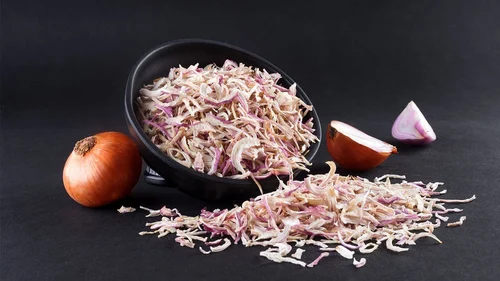
Red onion
🚢 Voyage
Red onion
Contact
MOQ: 1 Unit

About Subash enterprise - Spices, Seeds and Nuts Supplier in India

Based in Salem, Tamil Nadu, India, Subash enterprise currently lists 18 active agricultural products. The catalogue records groundnut (peanut) seeds identified with HS code 2529.10, as well as garlic, tamarind seed and powder, coriander seeds, yellow corn seeds, cut rose, red onion, fresh green jalapeno, additional corn seeds, cumin seeds, yellow/black mustard seeds, peanuts, dil seeds, basil seeds, flax seeds, white and black sesame seeds, and chick peas (kabuli white and brown). The items span oil‑seed commodities, spice seeds and fresh vegetable produce. Each entry is presented under the appropriate HS chapter, for example 1202 for oil seeds and 0905 for spices. The supplier’s tier is noted as “organic”, indicating a focus on organically produced commodities.

The product mix includes both raw seed forms (peanut, mustard, sesame) and processed spice forms (cumin, coriander, garlic). Fresh horticultural products such as bell pepper, jalapeno and red onion are also listed, which fall under HS 0709 and 0703. Legume items like chick peas are classified under HS 0713. The catalogue does not provide individual HS codes for most items, but the categories align with standard Indian export classifications for edible seeds and spices. No additional corporate data such as founding year or turnover is supplied.

Product Range and Specialties of Subash enterprise

Peanut groundnut seeds are commonly exported in A‑grade quality with oil content between 45 % and 55 % and moisture below 5 %. Indian mustard seeds are usually sold as yellow or black varieties with seed size 2 - 5 mm and low oil degradation. Sesame seeds are graded by hull removal (white) or whole (black) and tested for aflatoxin levels below 10 ppb.

Cumin and coriander seeds are typically supplied in whole seed form meeting International Commodity Unit for Spices (ICUM) specifications for size (2.5 - 3 mm) and purity above 98 %. Fresh peppers and onions are harvested at maturity, packed in ventilated cartons, and shipped with a shelf life of 7 - 10 days. Garlic and dry ginger are graded by clove size and moisture content, generally not exceeding 12 % for dry ginger.

Trade and Export Information - Subash enterprise

India is a major exporter of oil seeds, spices and fresh horticultural produce, with the European Union, United Arab Emirates, United States and Southeast Asian markets accounting for the bulk of demand. HS chapter 1202 (oil seeds) and 0905 (spices) are routinely inspected under the Indian Plant Quarantine (IPQ) framework, requiring phytosanitary certificates and, for organic items, NPOP or EU organic verification.

Typical export logistics involve containerised shipments; 20‑ft containers can hold approximately 20 tons of bulk seeds, while fresh vegetables are often packed in 40‑ft refrigerated containers (reefers) with temperature control at 5 - 10 °C. Buyers usually request certificates of analysis for pesticide residues, aflatoxin, moisture and oil content, and may stipulate compliance with ISO 22000 or FSSC 22000 food safety standards. Incoterms such as FOB Salem Port or CIF Dubai are common for these commodities.

Sourcing from Subash enterprise - Buyer Guidance

When sourcing from Subash enterprise, buyers should obtain a current phytosanitary certificate and, for organic‑labelled items, the relevant NPOP or EU organic certificate. Sample analysis reports covering aflatoxin, pesticide residues and moisture are standard due diligence for peanut and sesame seeds.

It is advisable to confirm product specifications such as seed size, oil content and purity percentages before placing a bulk order. Packaging details - e.g., 25 kg polypropylene bags for seeds or 1 ton bulk containers for fresh peppers - should be agreed in advance, and the buyer should verify the supplier’s ability to meet the required lead time, typically 30 - 45 days from order confirmation.

Frequently Asked Questions About Subash enterprise

What HS codes apply to the main products offered by Subash enterprise?

The only HS code provided in the catalogue is 2529.10 for peanut groundnut seeds; other items fall under standard Indian export codes such as 1202 for oil seeds (mustard, sesame, flax), 0905 for spice seeds (cumin, coriander, mustard), 0709 for fresh peppers and jalapeno, and 0703 for onions.

Does Subash enterprise hold any certifications for its organic products?

No specific certifications are listed in the supplier data; buyers should request copies of the current NPOP (India Organic) or EU organic certificates if organic status is required.

What documentation is typically required for importing the listed seeds and spices?

Importers normally ask for a phytosanitary certificate, a certificate of analysis covering moisture, oil content and pesticide residues, and, where applicable, an organic certificate and a food safety system certificate such as ISO 22000 or FSSC 22000.

What are the typical minimum order quantities (MOQ) for seed commodities?

In the Indian export market, seed commodities are commonly sold in increments of 10 tons per shipment, though smaller volumes such as 5 tons can be arranged with adjusted freight rates.

What packaging formats are used for the fresh vegetable items?

Fresh peppers, jalapeno and onions are usually packed in ventilated cardboard cartons of 10 kg each, which are then palletised for container loading; refrigerated containers maintain 5 - 10 °C to preserve freshness.

Which markets most frequently import the types of products listed by Subash enterprise?

The European Union, Middle East (UAE, Saudi Arabia), United States and Southeast Asian countries (Singapore, Malaysia) are the principal importers of Indian oil seeds, spices and fresh vegetables.

What lead times can a buyer expect for an order of peanut seeds?

Based on standard Indian export cycles, the lead time for peanut groundnut seeds is typically 30 to 45 days from receipt of a confirmed purchase order and required certificates.

About Subash enterprise - Spices, Seeds and Nuts Supplier in India

Based in Salem, Tamil Nadu, India, Subash enterprise currently lists 18 active agricultural products. The catalogue records groundnut (peanut) seeds identified with HS code 2529.10, as well as garlic, tamarind seed and powder, coriander seeds, yellow corn seeds, cut rose, red onion, fresh green jalapeno, additional corn seeds, cumin seeds, yellow/black mustard seeds, peanuts, dil seeds, basil seeds, flax seeds, white and black sesame seeds, and chick peas (kabuli white and brown). The items span oil‑seed commodities, spice seeds and fresh vegetable produce. Each entry is presented under the appropriate HS chapter, for example 1202 for oil seeds and 0905 for spices. The supplier’s tier is noted as “organic”, indicating a focus on organically produced commodities.

The product mix includes both raw seed forms (peanut, mustard, sesame) and processed spice forms (cumin, coriander, garlic). Fresh horticultural products such as bell pepper, jalapeno and red onion are also listed, which fall under HS 0709 and 0703. Legume items like chick peas are classified under HS 0713. The catalogue does not provide individual HS codes for most items, but the categories align with standard Indian export classifications for edible seeds and spices. No additional corporate data such as founding year or turnover is supplied.

Product Range and Specialties of Subash enterprise

Peanut groundnut seeds are commonly exported in A‑grade quality with oil content between 45 % and 55 % and moisture below 5 %. Indian mustard seeds are usually sold as yellow or black varieties with seed size 2 - 5 mm and low oil degradation. Sesame seeds are graded by hull removal (white) or whole (black) and tested for aflatoxin levels below 10 ppb.

Cumin and coriander seeds are typically supplied in whole seed form meeting International Commodity Unit for Spices (ICUM) specifications for size (2.5 - 3 mm) and purity above 98 %. Fresh peppers and onions are harvested at maturity, packed in ventilated cartons, and shipped with a shelf life of 7 - 10 days. Garlic and dry ginger are graded by clove size and moisture content, generally not exceeding 12 % for dry ginger.

Trade and Export Information - Subash enterprise

India is a major exporter of oil seeds, spices and fresh horticultural produce, with the European Union, United Arab Emirates, United States and Southeast Asian markets accounting for the bulk of demand. HS chapter 1202 (oil seeds) and 0905 (spices) are routinely inspected under the Indian Plant Quarantine (IPQ) framework, requiring phytosanitary certificates and, for organic items, NPOP or EU organic verification.

Typical export logistics involve containerised shipments; 20‑ft containers can hold approximately 20 tons of bulk seeds, while fresh vegetables are often packed in 40‑ft refrigerated containers (reefers) with temperature control at 5 - 10 °C. Buyers usually request certificates of analysis for pesticide residues, aflatoxin, moisture and oil content, and may stipulate compliance with ISO 22000 or FSSC 22000 food safety standards. Incoterms such as FOB Salem Port or CIF Dubai are common for these commodities.

Sourcing from Subash enterprise - Buyer Guidance

When sourcing from Subash enterprise, buyers should obtain a current phytosanitary certificate and, for organic‑labelled items, the relevant NPOP or EU organic certificate. Sample analysis reports covering aflatoxin, pesticide residues and moisture are standard due diligence for peanut and sesame seeds.

It is advisable to confirm product specifications such as seed size, oil content and purity percentages before placing a bulk order. Packaging details - e.g., 25 kg polypropylene bags for seeds or 1 ton bulk containers for fresh peppers - should be agreed in advance, and the buyer should verify the supplier’s ability to meet the required lead time, typically 30 - 45 days from order confirmation.

Frequently Asked Questions About Subash enterprise
What HS codes apply to the main products offered by Subash enterprise?
The only HS code provided in the catalogue is 2529.10 for peanut groundnut seeds; other items fall under standard Indian export codes such as 1202 for oil seeds (mustard, sesame, flax), 0905 for spice seeds (cumin, coriander, mustard), 0709 for fresh peppers and jalapeno, and 0703 for onions.
Does Subash enterprise hold any certifications for its organic products?
No specific certifications are listed in the supplier data; buyers should request copies of the current NPOP (India Organic) or EU organic certificates if organic status is required.
What documentation is typically required for importing the listed seeds and spices?
Importers normally ask for a phytosanitary certificate, a certificate of analysis covering moisture, oil content and pesticide residues, and, where applicable, an organic certificate and a food safety system certificate such as ISO 22000 or FSSC 22000.
What are the typical minimum order quantities (MOQ) for seed commodities?
In the Indian export market, seed commodities are commonly sold in increments of 10 tons per shipment, though smaller volumes such as 5 tons can be arranged with adjusted freight rates.
What packaging formats are used for the fresh vegetable items?
Fresh peppers, jalapeno and onions are usually packed in ventilated cardboard cartons of 10 kg each, which are then palletised for container loading; refrigerated containers maintain 5 - 10 °C to preserve freshness.
Which markets most frequently import the types of products listed by Subash enterprise?
The European Union, Middle East (UAE, Saudi Arabia), United States and Southeast Asian countries (Singapore, Malaysia) are the principal importers of Indian oil seeds, spices and fresh vegetables.
What lead times can a buyer expect for an order of peanut seeds?
Based on standard Indian export cycles, the lead time for peanut groundnut seeds is typically 30 to 45 days from receipt of a confirmed purchase order and required certificates.

🏭
Subash enterprise
Country flag Salem, India
🚢 Voyage
90/100
Trust Score
📦
18
Products
Free to contact — no commission
Escrow payment available
Verified business identity
Compare more suppliers
Post a requirement — get 10 quotes free
Let verified suppliers compete for your business. Free, fast, no commitment.
EximNext Verified Supplier
Business identity verified
Physical address confirmed
Financial history checked
Certifications authenticated
Trade references validated
Due Diligence
Verify this supplier's real shipping history.
Every shipment, every buyer, every port. Trade data that can't be faked.
Run due diligence →
Discover More

Related Suppliers & Products

Explore similar suppliers, related products and trending categories

Other Suppliers in Rusk

Top Trusted Suppliers

Related Products in Rusk

Trending in Parent Category

More Suppliers in Parent Category

Stay ahead in global trade
Weekly market insights & new supplier alerts.
EximNext
Exim Next is a leading global B2B marketplace, connecting over 205,000 verified suppliers and buyers across 200+ countries. As a trusted import export marketplace, it serves as the essential B2B portal for businesses worldwide, empowering them to expand their international reach. With Exim Next, businesses can trade smarter and grow faster.
SECURE PAYMENTS
VISAMastercardPayPalSWIFTL/CEscrow
Follow us
© 2026 EximNext