KGEC — Supplier
About KGEC - Herbal Extracts Supplier in South Korea (Republic Of Korea)
KGEC is based in South Korea (Republic Of Korea) and currently lists ten distinct products in its catalogue. The active product count of ten covers a range of Korean Red Ginseng forms - including extracts, powders, capsules, liquid formulations, and a fermented red ginseng extract drink - as well as a Korean Lingzhi (reishi) extract. Each entry is recorded under the supplier’s top categories such as Herbal Extracts, Health Food, and Herbal & Ayurvedic Medicine. The catalogue reflects both raw material forms and finished dosage formats, providing buyers with options for bulk raw extracts or ready‑to‑use capsules.
The listed products fall within the typical HS‑code chapters for botanical extracts (e.g., Chapter 13 heading 1302 for ginseng and heading 2106 for prepared extracts). While KGEC does not disclose specific certifications, the product types align with industry standards that often require GMP compliance, ISO 9001 quality management, and HACCP food safety procedures. Buyers can expect standard specifications such as ginsenoside content ranging from 4‑7 % for red‑ginseng extracts and polysaccharide levels of 20‑30 % for Lingzhi extracts. Packaging formats commonly include amber glass bottles for liquids, HDPE drums for bulk powders, and blister packs for capsules, suitable for 20 ft or 40 ft container loads.
Product Range and Specialties of KGEC
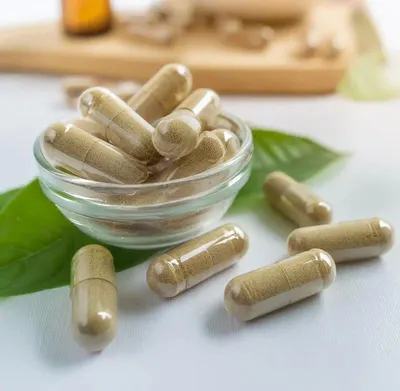
KGEC’s catalogue features Korean Red Ginseng in multiple delivery formats: liquid Gold concentrate, fermented extract, raw material extract and powder forms, and capsule products that encapsulate either the raw extract or the powdered material. In addition, the supplier lists a Korean Lingzhi (reishi) extract. In the broader market, ginseng extracts are typically standardized to a defined ginsenoside profile (e.g., 5 % total ginsenosides) and may be offered in concentrations from 10 % to 30 % solids for powders. Lingzhi extracts are often measured by polysaccharide content, with commercial grades ranging from 20 % to 35 % polysaccharides and beta‑glucan activity levels. Common variants include fermented versus non‑fermented extracts, which can affect bioavailability and flavor profile.
Trade and Export Information - KGEC
South Korea is a major exporter of ginseng and medicinal mushroom extracts, with shipments primarily directed to the United States, European Union, Japan, and Southeast Asian markets. Export transactions for botanical extracts usually reference HS Chapter 13 (e.g., 1302 90 for ginseng) and Chapter 21 (2106 90 for prepared extracts). Buyers often require documentation such as a Certificate of Origin, a Phytosanitary Certificate, and compliance with the EU’s Novel Food Regulation or the US FDA’s dietary supplement guidelines. Typical incoterms include FOB Busan or CIF Shanghai, and bulk shipments are loaded in 20 ft containers (approximately 1 000 kg of powder) or 40 ft containers for liquid concentrates.
Sourcing from KGEC - Buyer Guidance
When sourcing from KGEC, buyers should request a recent Certificate of Analysis that details ginsenoside or polysaccharide content, moisture level, and microbial limits (e.g., total plate count <10 000 CFU/g, absence of E. coli and Salmonella). Verification of GMP or ISO 9001 certification, even if not listed, is standard practice for herbal extract imports. Requesting a sample batch for independent testing helps confirm the declared potency and absence of heavy metals (lead <5 ppm, arsenic <3 ppm). Confirm packaging specifications - such as HDPE drum liners for powders or amber glass bottles for liquids - and ensure that the agreed incoterm and container size match the shipment volume.
Frequently Asked Questions About KGEC
What types of Korean Red Ginseng products does KGEC offer?
KGEC lists ten products, including Korean Red Ginseng Extract, Fermented Red Ginseng Extract, raw material extract and powder forms, capsule variants that contain either extract or powder, a liquid Gold concentrate, and a ready‑to‑drink fermented red ginseng beverage.
Does KGEC provide a Korean Lingzhi (Reishi) extract?
Yes, the catalogue includes a Korean Lingzhi Extract, which is typically evaluated for polysaccharide content and beta‑glucan activity.
Which certifications should a buyer ask for when importing these extracts?
Buyers should request GMP or ISO 9001 certificates, a recent Certificate of Analysis, and, where required, a Phytosanitary Certificate and Certificate of Origin.
What are common quality specifications for red‑ginseng extracts?
Standard specifications include total ginsenoside content of 4‑7 %, moisture below 12 %, heavy‑metal limits (lead <5 ppm, arsenic <3 ppm), and microbial limits such as total plate count under 10 000 CFU/g.
What packaging formats are typical for KGEC’s powder products?
Bulk powders are usually packed in food‑grade HDPE drums or multi‑layer bags, sized for 20 ft container loads of roughly 1 000 kg per container.
Which markets commonly import Korean ginseng and lingzhi extracts?
Major importers are the United States, European Union countries, Japan, and Southeast Asian nations, where the products are used in dietary supplements, functional foods, and traditional medicine formulations.
What HS codes are generally applied to these herbal extracts?
Ginseng raw material and extracts fall under HS 1302 90, while prepared liquid or powdered extracts are classified under HS 2106 90 for other prepared foods.
What incoterms are typically used for shipments from South Korea?
FOB Busan and CIF Shanghai are common, with buyers selecting 20 ft or 40 ft containers based on product volume and form.




 , South Korea (Republic Of Korea)