Jolly Creations — Supplier
About Jolly Creations - Ladies Kurti Supplier in India
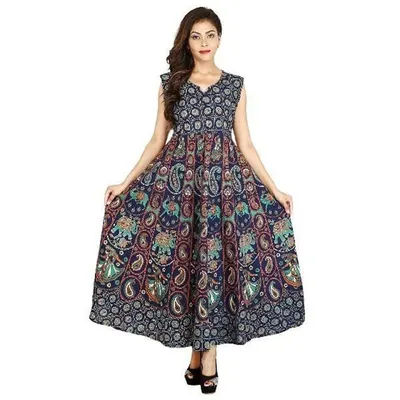
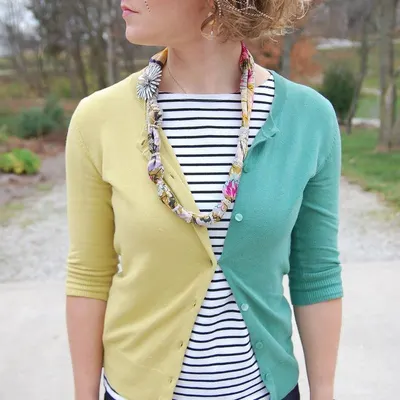
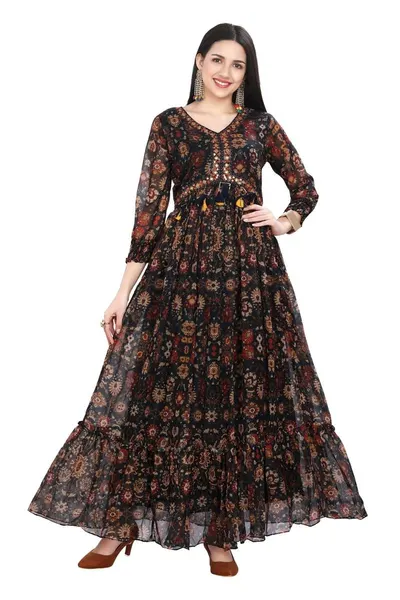
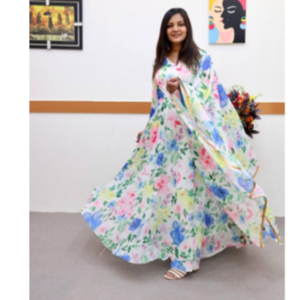
India-based Jolly Creations operates from India and currently lists six active products in its catalogue. The catalogue concentrates on women’s ethnic wear, specifically items such as kurti style dresses, various types of shrugs, and traditional pounchu garments. Each product is identified by its descriptive name, for example Long Dresses Kurta and Sleeve Less Shrugs. The supplier’s classification in the platform is “imported” with a trust tier of “harbor”. No additional product specifications such as fabric composition or dimensions are provided in the source data.
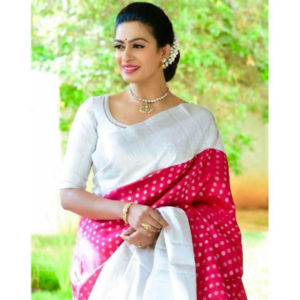
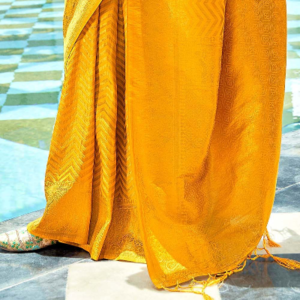
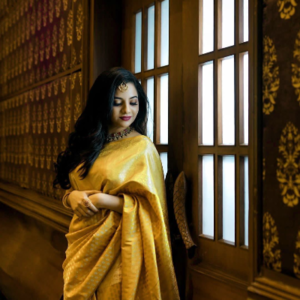
The three top categories reported for Jolly Creations are Ladies Kurti, Ladies Shrugs, and a combined category covering Salwar, Suits, Dupattas and Sarees. Within the catalogue the items map to these groups, with multiple entries for long‑style kurtas and both standard and sleeve‑less shrugs. The pounchu entry represents a traditional waist‑to‑hip drape often paired with skirts or trousers. Although the source does not list material details, the product names indicate ready‑to‑wear garments intended for the Indian and overseas ethnic‑fashion market. The supplier’s product list does not include explicit HS codes, so buyers should verify the appropriate tariff headings during import clearance.
Product Range and Specialties of Jolly Creations
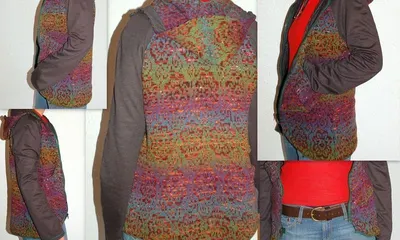
Jolly Creations’s catalogue includes Long Dresses Kurta, Shrugs, Ladies Pounchu, Sleeve‑Less Shrugs, and duplicate entries for long‑style kurtas. These items fall under the broader apparel classifications of women’s tunic‑style tops and outerwear. In the Indian garment sector, kurti garments are typically produced in cotton, linen, or blended fabrics with weight ranging from 120 to 180 gsm, while shrugs may be crafted from silk, chiffon, or synthetic blends with finishes such as embroidery or appliqué.
Industry standards for ethnic women’s wear often reference size charts from XS to XXL, and buyers usually request fabric composition percentages, wash‑care instructions, and colour‑fastness test results. Common quality grades for cotton kurtas include a thread count of 150 - 200 and a shrinkage tolerance of less than 3 %. Shrugs are frequently evaluated for seam strength (minimum 5 N) and finishing defects under ISO 105‑B02. These specifications provide a baseline for assessing the items listed by Jolly Creations.
Trade and Export Information - Jolly Creations
India is a major exporter of women’s ethnic apparel, with the majority of shipments classified under HS Chapter 61 (knitted or crocheted apparel) and Chapter 62 (woven apparel). Products such as kurtas and shrugs typically fall under sub‑headings 6103 / 6104 for women’s tops, while pounchu drapes may be coded under 6204 for women’s garments. Export destinations commonly include the United States, European Union members, the Middle East, and Southeast Asian markets, where demand for Indian textile designs remains strong.
Buyers importing these garments usually require compliance with standards such as Oeko‑Tex Standard 100 for harmful substance testing, ISO 9001 for quality management, and, where applicable, GOTS certification for organic cotton. Packaging is generally done in stacked cartons or poly‑bags, with container loads of 20 ft or 40 ft depending on order volume. Incoterms like FOB or CIF are standard, and customs authorities often request a commercial invoice, packing list, and the relevant HS code declaration. While Jolly Creations does not list specific certifications, purchasers should request any applicable test reports before shipment.
Sourcing from Jolly Creations - Buyer Guidance
When sourcing from Jolly Creations, buyers should request detailed fabric composition sheets, size measurement charts, and any available wash‑care or colour‑fastness test reports. Because the catalogue does not specify material, confirming whether the kurtas are cotton, silk, or blends will affect both compliance requirements and downstream handling.
It is advisable to obtain a physical sample of each garment style - especially the sleeve‑less shrugs and pounchu - to verify stitching quality, seam strength, and finishing details such as embroidery placement. Buyers should also ask for the supplier’s ISO or Oeko‑Tex test certificates, and ensure that the HS code used for customs matches the product description to avoid tariff misclassification. Confirmation of packaging dimensions and container loading plans will help streamline logistics and reduce lead‑time surprises.
Frequently Asked Questions About Jolly Creations
What product styles are listed by Jolly Creations?
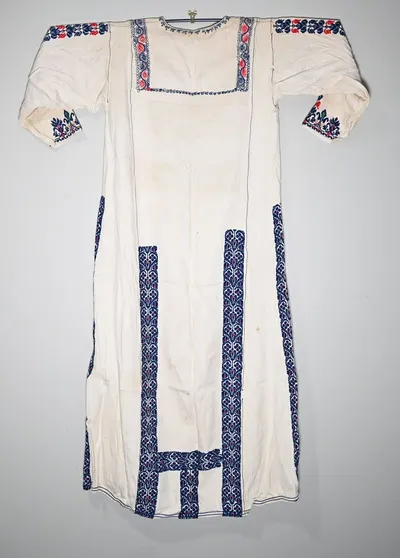
The catalogue contains Long Dresses Kurta, standard Shrugs, Sleeve‑Less Shrugs, and a traditional Ladies Pounchu. Duplicate entries for long‑style kurtas also appear, giving a total of six active product listings.
How many active products does the supplier have?
Jolly Creations currently lists six active products in its online catalogue. Each entry corresponds to a distinct garment style within the women’s ethnic wear segment.
Which HS code chapters are typically used for these garments?
Indian women’s tops such as kurtas and shrugs are normally classified under HS Chapter 61 for knitted/apparel and Chapter 62 for woven apparel. Specific sub‑headings include 6103/6104 for tops and 6204 for drape‑type garments.
What certifications should a buyer request for these items?
Buyers should ask for Oeko‑Tex Standard 100 test reports to confirm absence of harmful substances, and ISO 9001 certificates for quality management. If the fabrics are claimed to be organic, a GOTS certificate would also be appropriate.
What is a typical minimum order quantity (MOQ) for ethnic wear from India?
MOQs for small‑batch ethnic apparel often start at 200 pieces per style, but the exact figure depends on the supplier’s production capacity and the specific garment design.
What lead time can a buyer expect for these garments?
Lead times for Indian cut‑and‑sew ethnic wear usually range from 30 to 45 days after design approval and sample acceptance, subject to fabric sourcing and seasonal demand.
How are the garments packaged for export?
Export shipments are commonly packed in sealed poly‑bags placed inside corrugated cartons, with carton dimensions optimized for 20 ft or 40 ft container loading. A packing list detailing carton counts and net weights accompanies the shipment.
Which markets most frequently import Indian kurtas and shrugs?
Key import markets include the United States, United Kingdom, Germany, the United Arab Emirates, and Singapore, where retailers and online platforms source Indian ethnic apparel for diaspora and fashion‑forward consumers.




 , India