Isun Export — Supplier
About Isun Export - Processed Food Supplier in India
India hosts Isun Export, which currently lists 14 active products across food, textile and handicraft categories. The supplier’s catalogue spans fresh produce, processed spices, cotton textiles and wooden items, reflecting a diversified export profile that is common among Indian trade houses.
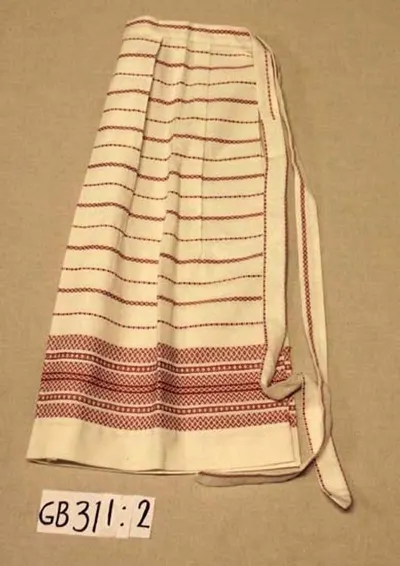
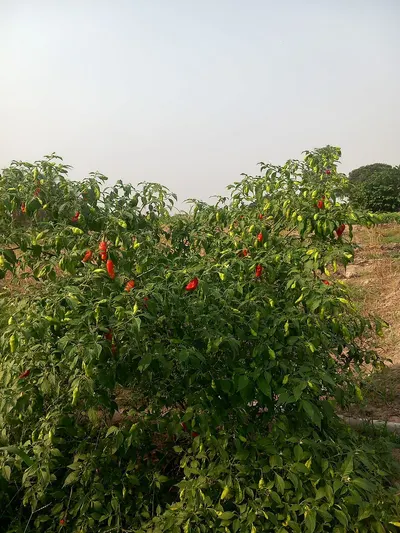
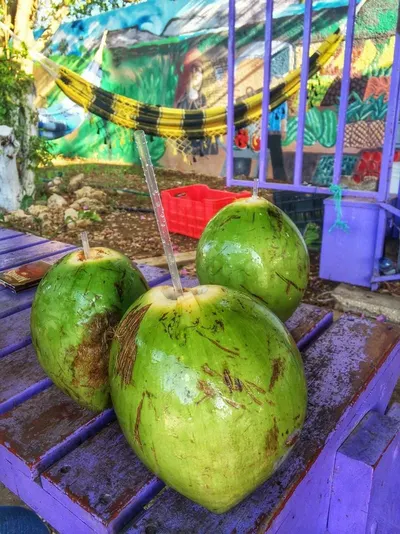
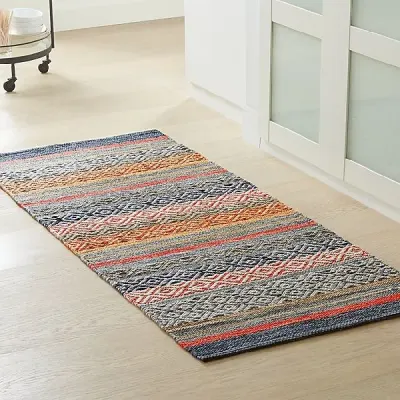
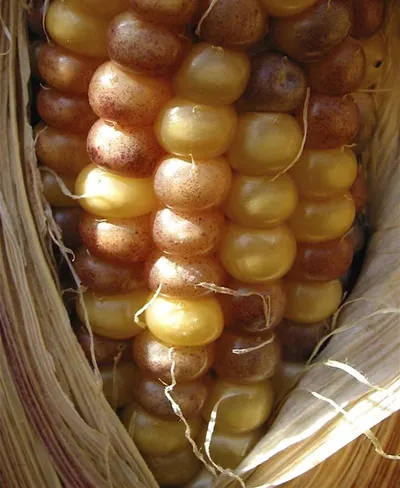
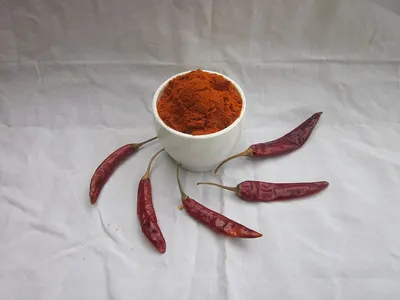
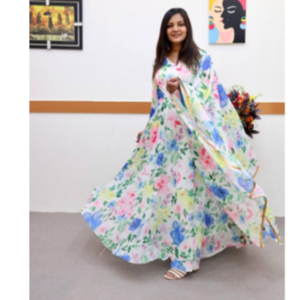
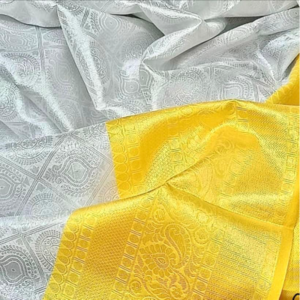
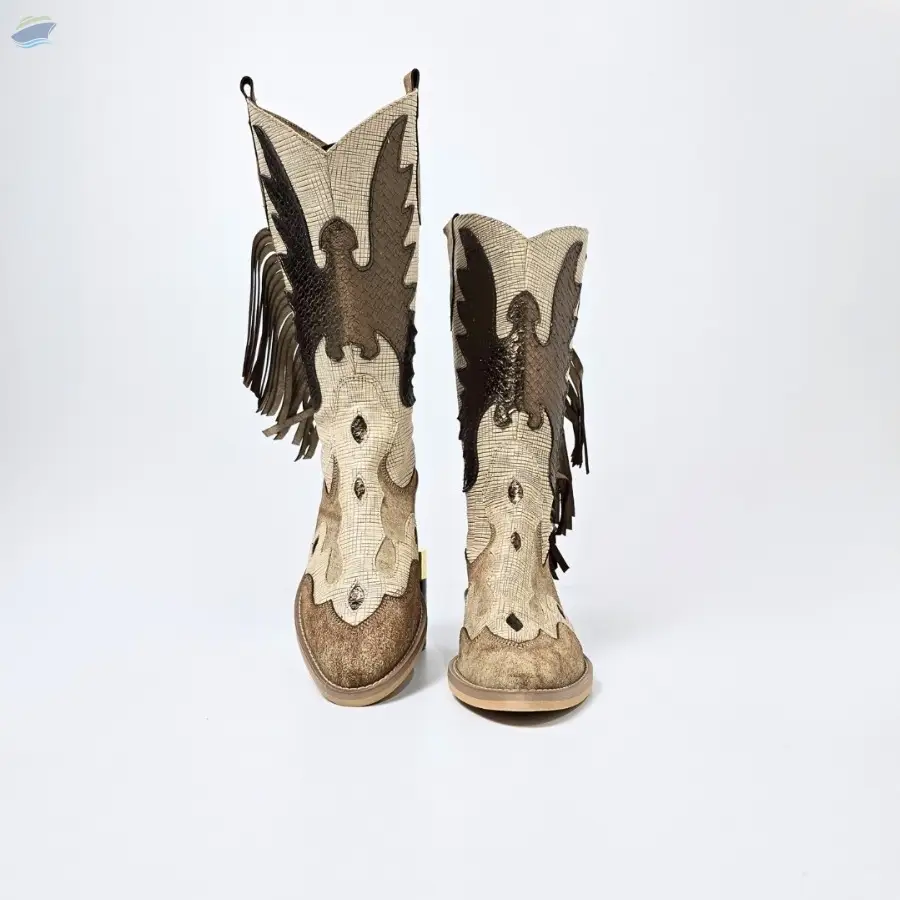
The product list includes potato, garlic, ginger, Indian red chilli (Byadagi and sannam S4 varieties), generic red chilli, corn cob, yellow corn, fresh coconut, cotton rugs, wooden handicrafts, pure cotton and fancy cotton sarees, silk sarees and cloth floor mats. These items correspond to typical HS‑code families such as 0701 (potatoes), 0703 (garlic), 0910 (ginger), 0904 (red chillies), 1005 (corn), 0804 (fresh coconut), 5702 (cotton rugs), 4421 (wooden handicrafts), 6204 (cotton sarees), 6210 (silk sarees) and 5703 (floor mats).
Product Range and Specialties of Isun Export
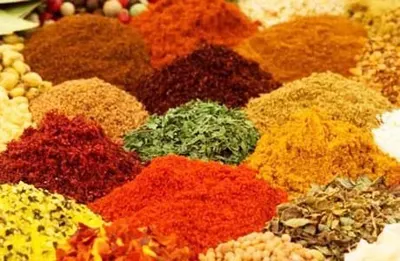
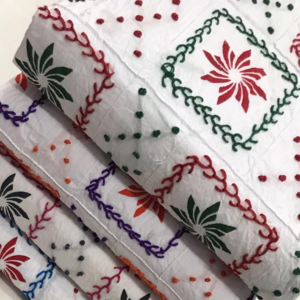
The catalogue groups fresh vegetables (potato, garlic, ginger), cereals (corn cob, yellow corn), spices (Indian red chilli varieties and generic red chilli) and a selection of textiles and home‑textiles (pure cotton, fancy cotton and silk sarees, cloth floor mats) together with cotton rugs and wooden handicrafts. In the vegetable segment buyers typically specify size grades (e.g., potatoes 40‑70 mm, garlic 30‑45 mm) and moisture limits below 12 % for garlic and 10 % for ginger; chillies are often classified by colour intensity and capsaicin level, with Byadagi chillies requested for deep red colour and low heat. Corn for export is usually graded by kernel moisture (≤14 %) and test weight, while fresh coconut is shipped whole with husk intact and a moisture content of 45‑55 %. Textile items follow standard Indian textile grades - cotton sarees are measured in GSM (140‑180) and silk sarees in silk content (≥80 %). Cotton rugs are typically 200‑300 gsm and may be packed in 20‑ft containers with 20 kg per bag for raw cotton fabrics. Wooden handicrafts are commonly classified under hardwood or softwood and are packed in wooden crates to prevent breakage.
Trade and Export Information - Isun Export
India is a major exporter of fresh horticultural produce, spices and textile goods. Buyers in the EU, GCC, United States and Southeast Asia regularly import Indian potatoes, garlic, ginger and chillies under HS‑code 07 and 09 chapters, often requiring phytosanitary certificates and compliance with EU pesticide residue limits (e.g., maximum residue limits for capsaicin). Corn and fresh coconut fall under HS‑code 10 and 08 respectively and are shipped in refrigerated containers (reefers) or ventilated containers with moisture‑controlled packaging. Cotton rugs, wooden handicrafts and sarees are exported under HS‑code 57 and 62, with buyers typically requesting ISO 9001 or FSSAI registration, and certificates of origin for preferential duty treatment under various trade agreements. Standard Incoterms used by Indian exporters include FOB Mumbai or CIF Dubai, with container loads ranging from 20‑ft (≈20 t) to 40‑ft (≈25 t) depending on product density.
Sourcing from Isun Export - Buyer Guidance
When sourcing from Isun Export, buyers should request a phytosanitary certificate for all fresh produce (potato, garlic, ginger, chillies, corn, coconut) and a test report for pesticide residues that aligns with the destination country’s limits. For textile items, a fabric composition certificate (cotton content, silk percentage) and a GSM verification report are standard. Wooden handicrafts usually require a treatment certificate confirming compliance with ISPM 15 to prevent pest spread. Sample quantities of 5 kg for spices, 10 kg for grains and a single saree or rug for textile inspection are typical. Verify that the supplier can provide FSSAI registration numbers, ISO 22000 (food safety) or ISO 9001 (manufacturing) where applicable before confirming orders.
Frequently Asked Questions About Isun Export
What fresh produce items does Isun Export list in its catalogue?
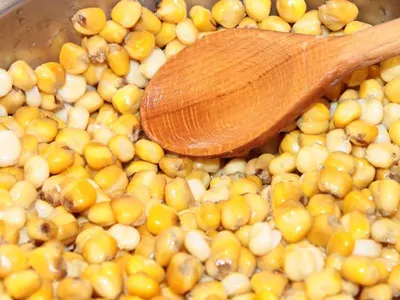
The catalogue includes potato, garlic, ginger, Indian red chilli (Byadagi and sannam S4 varieties), generic red chilli, corn cob, yellow corn and fresh coconut.
Which textile products are offered by Isun Export?
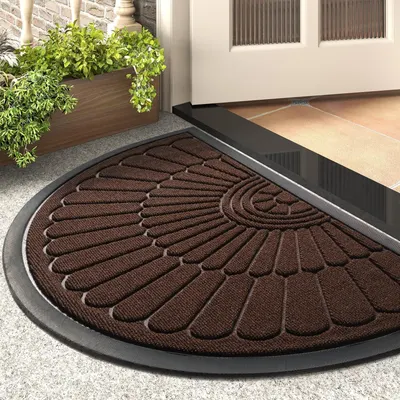
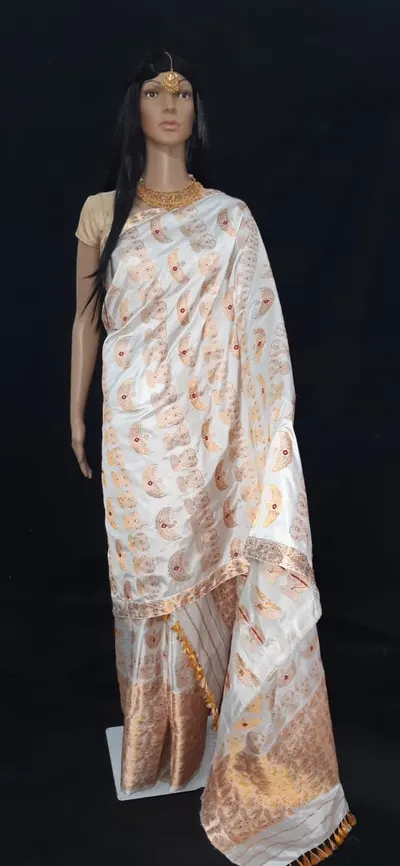
Isun Export offers pure cotton and fancy cotton sarees, silk sarees and cloth floor mats, as well as cotton rugs.
What HS‑code families are associated with the listed products?
Typical HS‑code families are 0701 for potatoes, 0703 for garlic, 0910 for ginger, 0904 for red chillies, 1005 for corn, 0804 for fresh coconut, 5702 for cotton rugs, 4421 for wooden handicrafts, 6204 for cotton sarees, 6210 for silk sarees and 5703 for floor mats.
What certifications should a buyer request for the fresh food items?
Buyers should request a phytosanitary certificate, a pesticide residue test report and, where applicable, the supplier’s FSSAI registration or ISO 22000 food‑safety certification.
Are there standard packaging formats for the grain and spice products?
Grains and spices are commonly packed in 25 kg polypropylene bags, stacked in 20‑ft containers with a total net weight of about 20 t, while fresh produce may be shipped in ventilated or refrigerated containers depending on the product.
What typical incoterms are used for shipments from India?
Exporters from India frequently use FOB Mumbai or CIF Dubai, allowing buyers to arrange onward transport and customs clearance.
What sample sizes are reasonable for testing the textile products?
A single saree or a 5 m² piece of cotton rug is usually sufficient for GSM, weave and colour assessment before placing a bulk order.
Which markets commonly import the categories listed by Isun Export?
The EU, Gulf Cooperation Council countries, the United States and Southeast Asian nations are major importers of Indian fresh produce, spices, cotton textiles and wooden handicrafts.




 , India