Solutrade — Verified Supplier
About Solutrade - Fresh Produce Supplier in United States
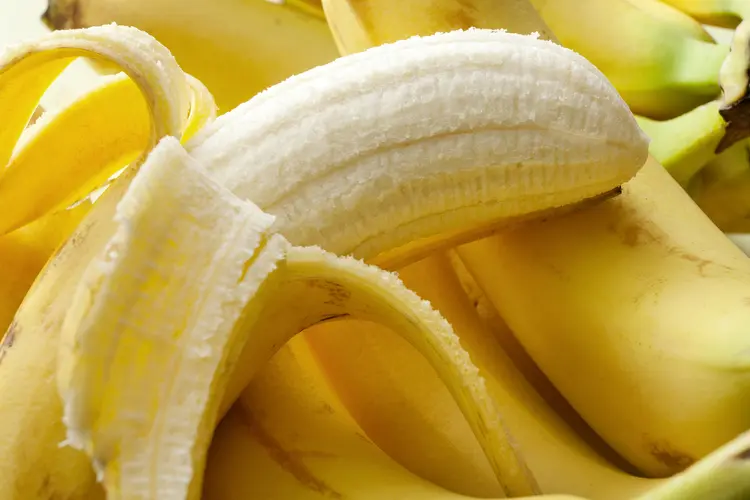
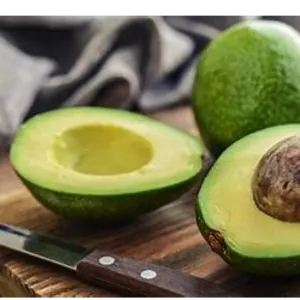
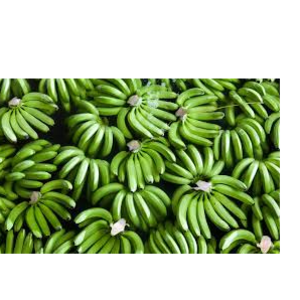
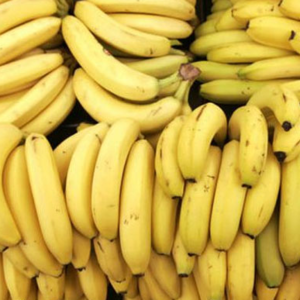
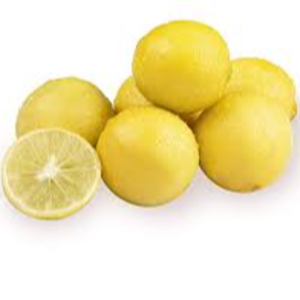
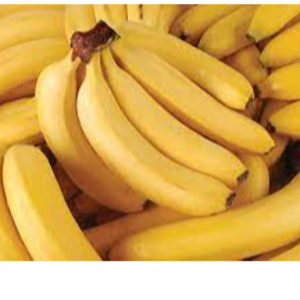
Solutrade, based in the United States, specifically in Florida, offers a diverse range of 5 products. The company's catalogue includes Cavendish Banana, Avocado Hass, Lemon Tahiti, Colombian Green Coffee, and Arabica Colombia Coffee. These products cater to various markets, including the fresh produce and specialty coffee sectors. Exporters of fresh produce, such as Solutrade, typically adhere to stringent quality standards to ensure the freshness and safety of their products.
Buyers of fresh produce and specialty coffee usually require specific certifications, such as GlobalGAP or Fairtrade, to guarantee the quality and sustainability of the products. The United States, as an origin country, has a well-established export framework, with goods commonly shipped via 20 ft or 40 ft containers, under Incoterms such as CIF or FOB.
Product Range and Specialties of Solutrade
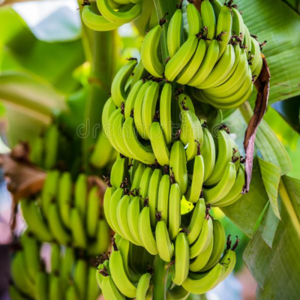
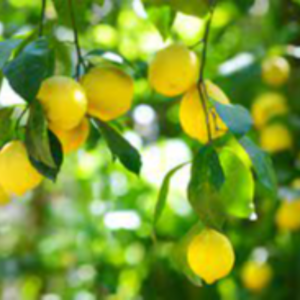
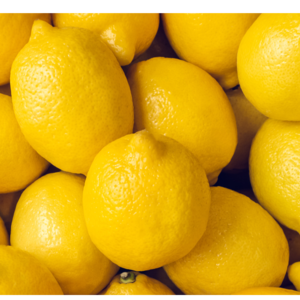
Solutrade's product range encompasses various types of fresh produce, including bananas, avocados, and lemons, as well as specialty coffee beans. The typical grades for these products include Cavendish bananas with a moisture content of 12%, Avocado Hass with a dry matter content of 25%, and Lemons Tahiti with a juice content of 30%. The company's catalogue also features Arabica coffee beans, which are known for their quality and distinct flavor profile, with a typical screen size of 15-18.
The materials used in the production and packaging of these products are crucial to maintaining their quality. For instance, bananas are often packed in 40 lb boxes, while avocados are packed in 25 lb boxes, to prevent damage during transportation. The use of sustainable materials in packaging is also becoming increasingly important, with many buyers requiring eco-friendly packaging options.
Trade and Export Information - Solutrade
Exporters of fresh produce and specialty coffee, such as Solutrade, typically export their goods to regions with high demand for these products, including Europe, Asia, and the Middle East. The HS code families involved in the export of these products include 0803 for bananas, 0804 for avocados, and 0901 for coffee beans.
The regulatory context for the export of these products is complex, with various certifications and standards required, such as phytosanitary certificates and certificates of origin. Buyers should be aware of these requirements and request the necessary documentation from their suppliers. The logistics of exporting these products also require careful consideration, with factors such as temperature control, humidity, and transportation time critical to maintaining product quality.
Sourcing from Solutrade - Buyer Guidance
When sourcing from Solutrade, buyers should request specific documentation, such as certificates of origin, phytosanitary certificates, and quality control reports, to ensure the quality and safety of the products.
Buyers should also verify the product specifications, including the variety, grade, and packaging, to ensure they meet their requirements. It is essential to establish clear communication with the supplier to confirm the details of the order, including the price, payment terms, and delivery schedule. Requesting samples and test reports can also help buyers verify the product quality before placing an order.
Frequently Asked Questions About Solutrade
What is the typical moisture content of Cavendish bananas?
The typical moisture content of Cavendish bananas is around 12%. However, this can vary depending on the specific product and supplier.
What certifications are commonly required for the export of fresh produce?
Common certifications required for the export of fresh produce include GlobalGAP, Fairtrade, and organic certifications, depending on the specific product and market.
How are avocados typically packed for transportation?
Avocados are often packed in 25 lb boxes to prevent damage during transportation. The use of sustainable materials in packaging is also becoming increasingly important.
What is the typical screen size of Arabica coffee beans?
The typical screen size of Arabica coffee beans is 15-18. However, this can vary depending on the specific product and supplier.
What documentation should buyers request from their suppliers?
Buyers should request specific documentation, such as certificates of origin, phytosanitary certificates, and quality control reports, to ensure the quality and safety of the products.
How can buyers verify the product quality before placing an order?
Buyers can request samples and test reports to verify the product quality before placing an order. Establishing clear communication with the supplier is also essential to confirm the details of the order.
What is the importance of temperature control in the transportation of fresh produce?
Temperature control is critical in the transportation of fresh produce, as it helps maintain the quality and freshness of the products. Temperature fluctuations can cause damage to the products, resulting in losses for both the supplier and the buyer.
What is the typical packaging material used for bananas?
The typical packaging material used for bananas is cardboard boxes, often with a polyethylene liner to maintain humidity and prevent damage.




 , United States

.jpg.png)