Greenways Marine Exports — Supplier
About Greenways Marine Exports - Fresh or Chilled Fish Supplier in India
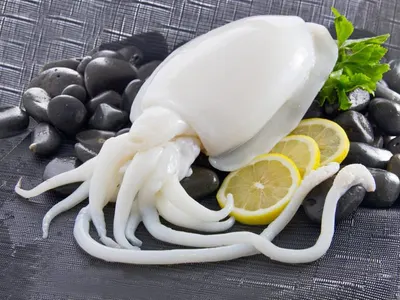
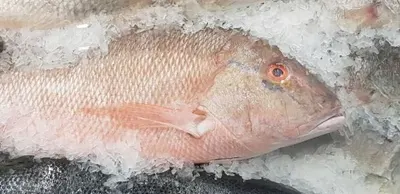
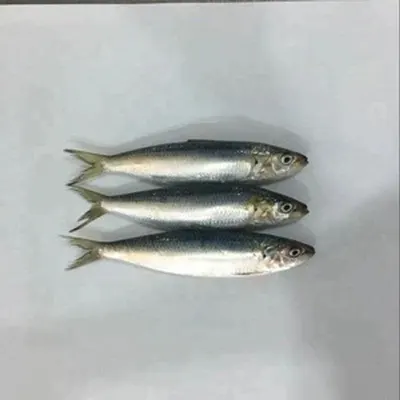
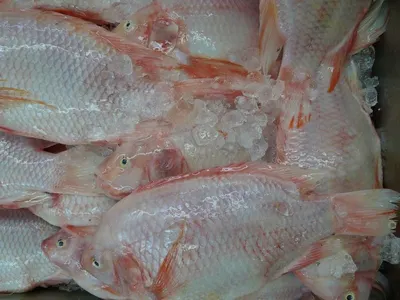
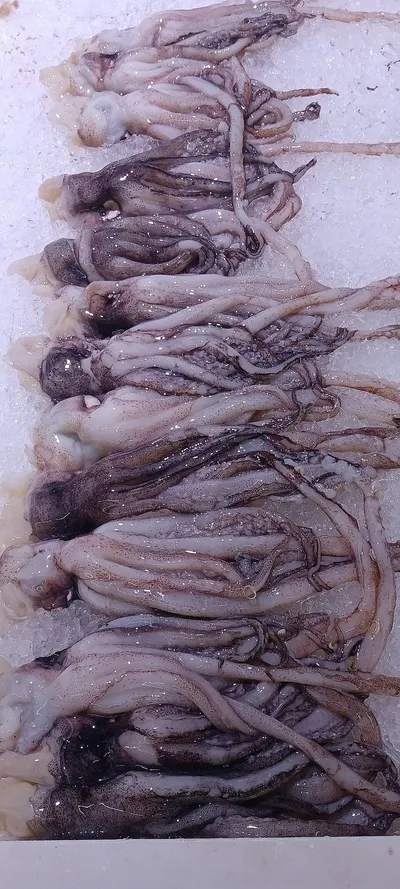
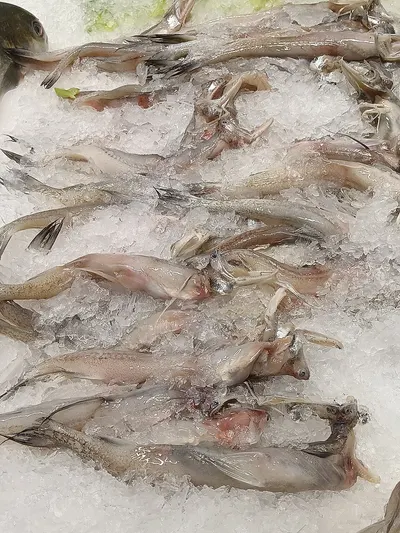
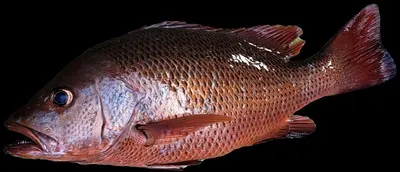
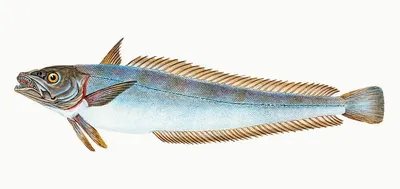
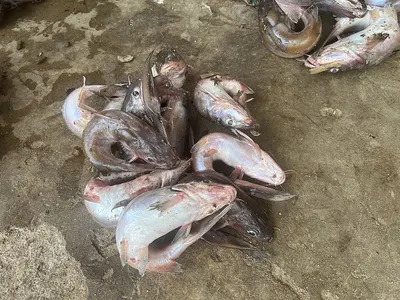
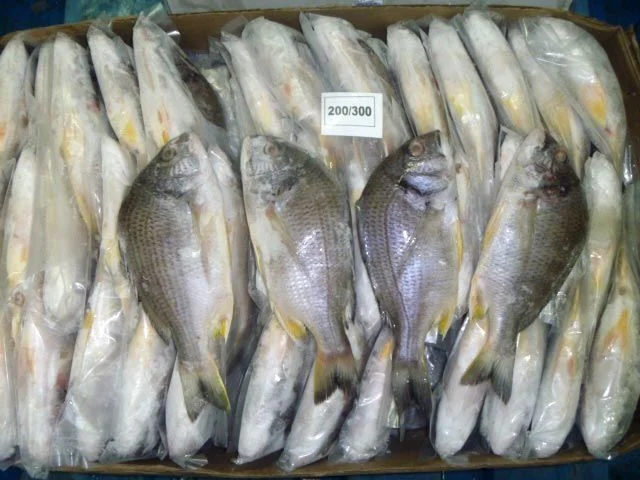
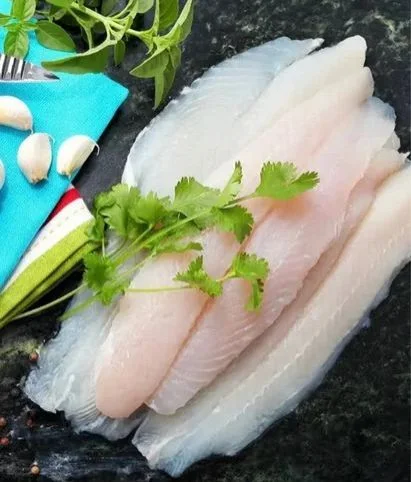
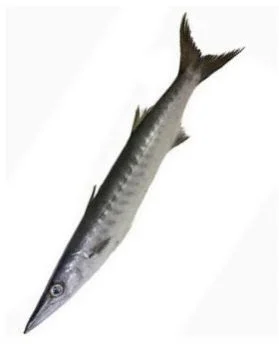
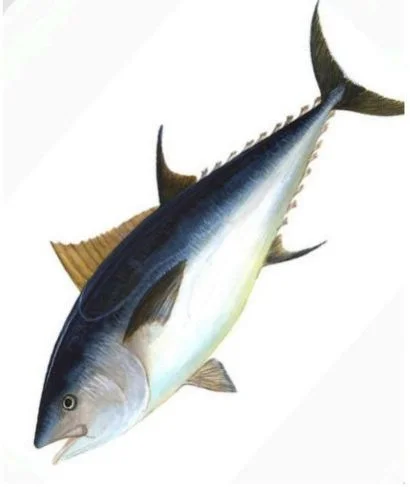
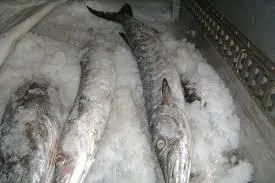
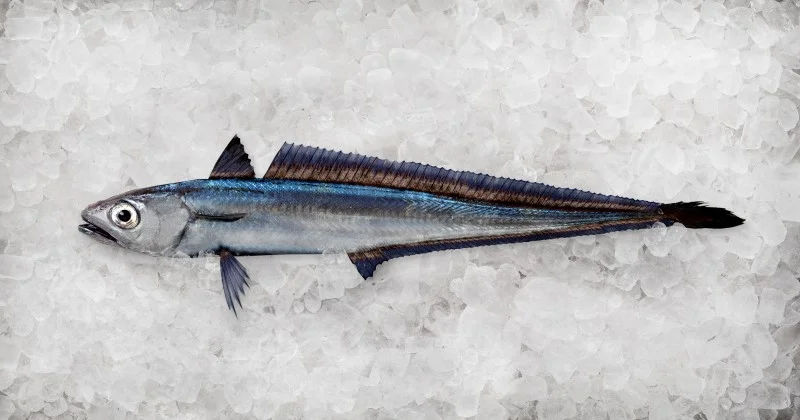
India, with its extensive coastline, hosts Greenways Marine Exports, which lists 18 active seafood products. The catalogue includes a variety of fresh and chilled species such as Groupers, Coral Trout, Red Grouper, White Pomfret, Red Mullet, Emperor Fish, Shrimps, Reefcod, Sword Fish, Fresh Chilled Fish, Fresh Chilled and Frozen Seafoods, Red Snapper, King Fish, Sardine, White Snapper, Squid, Yellow Fin Tuna and Blufferlip Snapper. Each item is presented under the broader category of fresh or chilled fish, aligning with HS chapter 03 sub‑headings for live, fresh or chilled seafood. The supplier’s product list covers both whole fish and processed forms such as squid and shrimp. The catalogue reflects the typical diversity of Indian marine exports, focusing on high‑value pelagic and demersal species.
The active product count of 18 demonstrates a focused range rather than a generic bulk offering. Greenways Marine Exports classifies its items under the top categories of Fresh or Chilled Fish, Fresh Snapper Fish, Fresh Grouper Fish, Fresh Pomfret Fish, Fresh Emperor Fish, Fresh Shrimps and Fresh King Fish, indicating a specialization in premium finfish and crustaceans. No additional certifications are listed in the supplied data, so buyers should verify compliance with standard seafood safety schemes. The supplier’s portfolio is positioned for buyers seeking a variety of species suitable for refrigerated transport and rapid market distribution.
Product Range and Specialties of Greenways Marine Exports
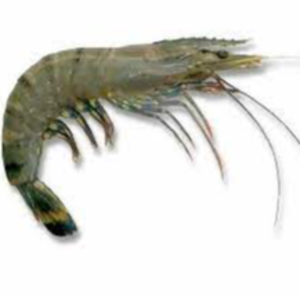
The catalogue enumerates 18 products: Groupers Fish, Coral Trout Fish, Red Grouper Fish, White Pomfret Fish, Red Mullet Fish, Emperor Fish, Shrimps, Reefcod Fish, Sword Fish, Fresh Chilled Fish, Fresh Chilled And Frozen Seafoods, Red Snapper Fish, King Fish, Sardine Fish, White Snapper Fish, Squid, Yellow Fin Tuna Fish and Blufferlip Snapper Fish. In the seafood trade, fresh fish are graded by size (e.g., small 200‑500 g, medium 500‑1000 g, large >1 kg) and quality indicators such as ice coverage, temperature (0‑2 °C), odor and gaping. Shrimp are commonly sized by count per kilogram (e.g., U/10, 16/20). Typical industry standards include HACCP, BRC Global Standard, ISO 22000 and, where applicable, sustainability schemes such as MSC.
These products fall under HS chapter 03, with fresh or chilled whole fish classified under sub‑heading 0302 and frozen variants under 0303. Processed seafood such as squid or peeled shrimp may be covered by 0304‑0305 depending on processing level. Export packaging normally uses insulated boxes packed with crushed ice, stacked on insulated pallets, and loaded into 20‑ft or 40‑ft refrigerated containers (reefers) that can accommodate roughly 12‑15 tons of fresh fish per container.
Trade and Export Information - Greenways Marine Exports
India ranks among the world’s leading exporters of marine fish, with major shipment destinations in the European Union (Netherlands, Spain, United Kingdom), the Middle East (United Arab Emirates, Saudi Arabia), the United States and Japan. Export logistics rely on a strict cold chain; reefers maintaining 0‑2 °C are standard, and buyers typically require a health certificate from Indian authorities, HACCP compliance and, for EU markets, conformity with EU regulation 853/2004 on food of animal origin.
Common incoterms used by Indian seafood exporters include FOB Mumbai and CIF destinations such as Dubai or Rotterdam. Containers are loaded with ice‑packed boxes on insulated pallets, and each 20‑ft container can hold about 12‑15 tons of product. Exporters must also meet maximum residue limits (MRLs) for contaminants and provide laboratory test reports for microbiological parameters as part of the customs clearance process.
Sourcing from Greenways Marine Exports - Buyer Guidance
Buyers should request the supplier’s HACCP plan, BRC or ISO 22000 certification and a recent health certificate issued by the Indian Food Authority. For each species, ask for detailed size and weight specifications, ice‑to‑fish ratio (commonly 1 kg ice per 1 kg fish), and standard freshness indicators such as temperature logs from harvest to loading. Laboratory analysis reports covering total plate count, coliforms and, for species like tuna, histamine levels are typical verification documents.
Verify the packing method (ice‑packed insulated boxes on pallets) and confirm the use of reefers with temperature control set at 0‑2 °C. Request a sample shipment of representative size before committing to a full container order. Typical lead time from order confirmation to vessel loading ranges from 7 to 14 days, with additional 2‑3 days for container stuffing and documentation.
Frequently Asked Questions About Greenways Marine Exports
What product categories does Greenways Marine Exports list?
The supplier lists 18 items covering fresh and chilled finfish such as grouper, snapper, pomfret, emperor, king fish, as well as shrimp, squid, sword fish and yellowfin tuna, all classified under the fresh or chilled fish category.
Which HS codes apply to these seafood products?
Fresh whole fish and chilled seafood fall under HS chapter 03, sub‑heading 0302, while frozen varieties are classified under 0303. Processed forms such as squid or shrimp may be covered by 0304‑0305 depending on the level of processing.
What certifications should a buyer request from this Indian seafood exporter?
Buyers typically ask for HACCP compliance, BRC Global Standard or ISO 22000 certificates, and an official health certificate issued by the Indian Food Authority. Additional sustainability certifications such as MSC are optional but commonly requested.
How are the products packaged for international shipment?
Products are usually packed in insulated boxes with a layer of crushed ice, stacked on insulated pallets, and loaded into 20‑ft or 40‑ft refrigerated containers (reefers) maintaining 0‑2 °C throughout transit.
What are the typical minimum order quantities and lead times?
For most whole‑fish species, a minimum order of one 20‑ft refrigerated container (approximately 12‑15 tons) is common; smaller species like shrimp may be ordered in 5‑ton increments. Lead time from order confirmation to loading generally ranges from 7 to 14 days.
Which markets commonly import Indian fresh or chilled fish?
Major destination regions include the European Union (Netherlands, Spain, United Kingdom), the Middle East (UAE, Saudi Arabia), the United States and Japan, where buyers require strict cold‑chain compliance and health documentation.
What quality tests are normally performed on these seafood items?
Standard tests include total plate count, coliform bacteria, histamine levels for scombroid species, and moisture content; results are recorded in a laboratory analysis report accompanying the shipment.




 , India