Great Value Energy Plc — Verified Supplier
About Great Value Energy Plc - Coffee Supplier in Ethiopia
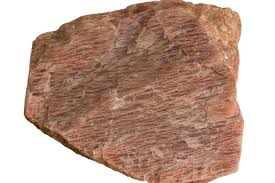
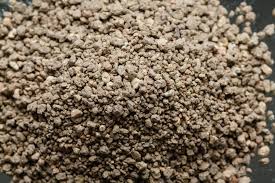
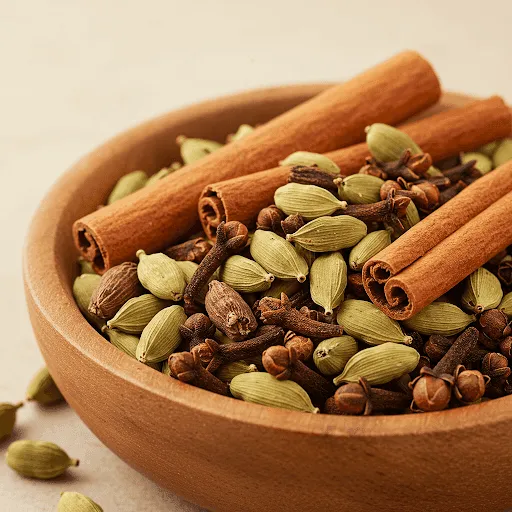
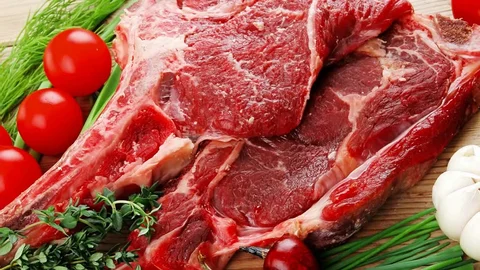
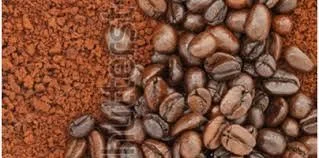
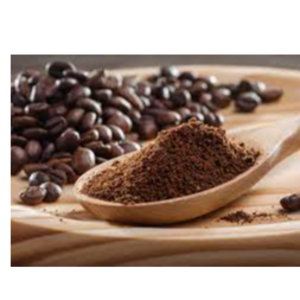
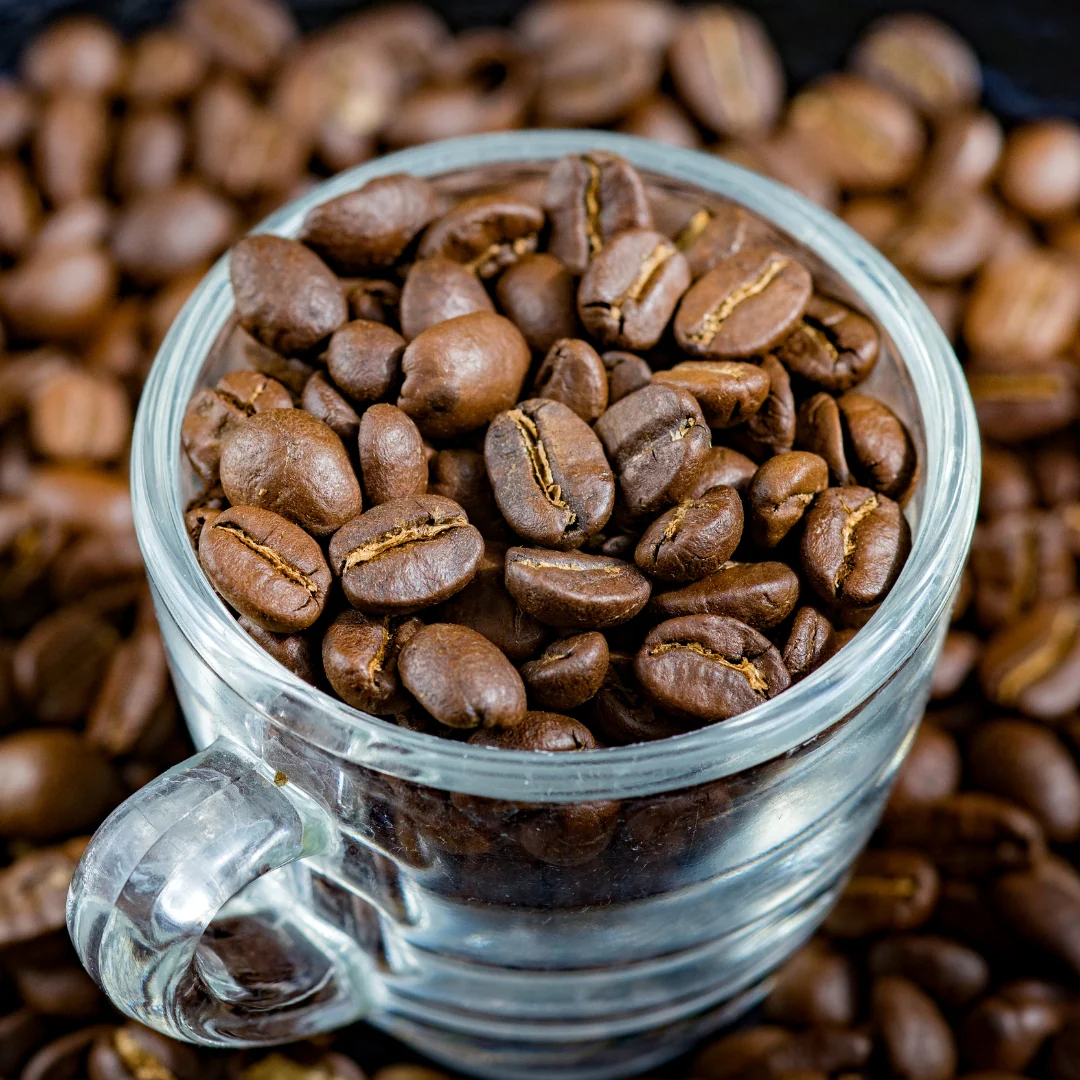
Ethiopia, located in the Horn of Africa, is the source country for Great Value Energy Plc, which lists ten active products in its catalogue. The catalogue includes roasted coffee, green coffee bean, cotton, feldspar (HS 2529.10, aluminum silicate), turmeric, bentonite (HS 2508.10, natural calcium montmorillonite), plywood, cardamom, monofilament for broom, and fresh meat carcass. The coffee entries cover both roasted beans and green beans, representing the two main processing stages. The mineral products are identified with specific HS codes that place them in the 25‑29 chapter range for inorganic chemicals and mineral commodities. The remaining items span agricultural produce and wood products.
Product Range and Specialties of Great Value Energy Plc
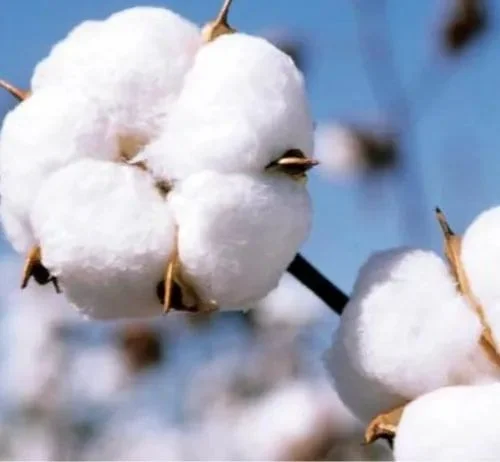
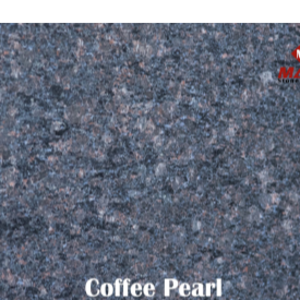
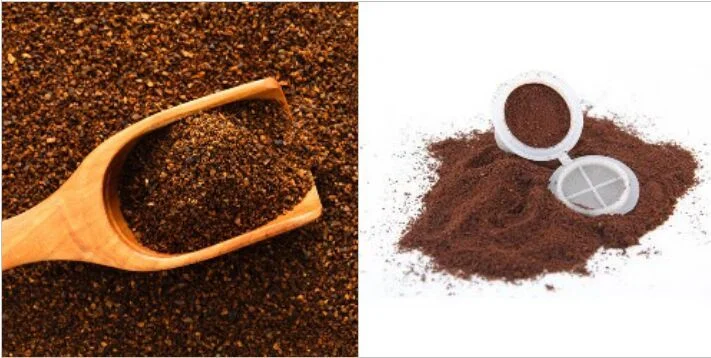
The supplier’s product list spans three broad sectors: agricultural commodities (coffee, turmeric, cardamom, cotton, fresh meat carcass), mineral raw materials (feldspar, bentonite) and manufactured wood and polymer items (plywood, monofilament for broom). In the coffee segment, roasted beans are typically graded by cup score (e.g., IC 45‑70) and moisture content of 10‑12 %, while green beans are assessed by size, defect count and moisture of 11‑13 %. Cotton is usually measured by staple length of 28‑34 mm and micronaire values of 3.5‑4.5. Feldspar exported from East Africa often meets a purity of 95 % Al₂O₃ and is used in ceramics and glass. Turmeric commonly carries a curcumin content of 3‑6 % and a moisture level below 12 %. Bentonite is expected to have moisture under 12 % and a cation‑exchange capacity above 80 meq/100 g. Plywood grades range from A to C with thicknesses from 6 mm to 25 mm, and buyers frequently request FSC or equivalent sustainability certification. Cardamom is classified by grain size (large vs small) with moisture limits of 10‑12 % and essential‑oil content above 6 %. Monofilament for broom is typically polypropylene, diameter 0.5‑1.5 mm, tensile strength 30‑50 MPa, and supplied on spools. Fresh meat carcasses are usually weighed 20‑30 kg per unit, require cold chain handling, and are inspected for microbiological standards.
Trade and Export Information - Great Value Energy Plc
Ethiopia’s coffee exports are traditionally shipped to the European Union, the United States and the Middle East, using HS chapter 09 codes (0901 for roasted coffee, 0901 / 0902 for green beans). Mineral products such as feldspar and bentonite fall under HS 25 / 26 and are commonly imported by manufacturers in Asia and Europe for ceramics, glass and drilling mud. Typical certifications requested by importers include ISO 22000 or FSSC 22000 for food items, phytosanitary certificates for agricultural goods, and SGS or equivalent inspection reports for minerals. Plywood shipments often require a phytosanitary certificate and may be subject to FSC verification when destined for markets with sustainability mandates. Standard logistics involve 20‑foot containers for coffee (approximately 20‑22 metric tonnes) and bulk bag shipments for bentonite. Incoterms such as FOB or CIF are regularly used, with buyers arranging refrigerated containers for fresh meat carcasses to maintain the cold chain.
Sourcing from Great Value Energy Plc - Buyer Guidance
Buyers should request a recent cupping report or coffee quality certificate for both roasted and green coffee, including moisture and defect analysis. For cotton, a fiber‑length test report and micronaire measurement are standard verification items. Feldspar shipments should be accompanied by a chemical analysis certificate confirming Al₂O₃ purity and a bulk density test. Turmeric buyers normally ask for a curcumin assay and pesticide residue test. Bentonite suppliers are expected to provide moisture content, pH and cation‑exchange capacity data. Plywood purchasers often request a grade certificate, thickness verification and, where applicable, FSC or PEFC documentation. Cardamom orders benefit from a moisture test, essential‑oil content analysis and a fumigation certificate. For monofilament, a tensile‑strength test report and material safety data sheet (MSDS) are typical. Fresh meat carcass buyers must obtain a veterinary health certificate, cold‑chain temperature logs and a microbiological test result before shipment.
Frequently Asked Questions About Great Value Energy Plc
What coffee grades are available from Great Value Energy Plc?
The catalogue lists roasted coffee and green coffee beans; buyers can expect standard cupping scores between IC 45 and IC 70, with moisture levels of 10‑12 % for roasted beans and 11‑13 % for green beans.
Which HS codes apply to the mineral products?
Feldspar is listed under HS 2529.10 (aluminum silicate) and bentonite under HS 2508.10 (natural calcium montmorillonite clay).
What documentation should be requested for cotton shipments?
Request a fiber‑length test, micronaire measurement and a compliance certificate confirming that the cotton meets the typical 28‑34 mm staple length range.
How is the quality of turmeric verified?
Buyers usually ask for a curcumin content assay (3‑6 %) and a pesticide‑residue test, both of which are standard for food‑grade turmeric.
What packaging is typical for bentonite exports?
Bentonite is commonly shipped in 25 kg or 1‑ton bulk bags, with moisture content below 12 % and a moisture‑proof liner to prevent caking.
Are there any standard certifications for the plywood?
Importers often require a grade certificate (A‑C) and, for markets with sustainability requirements, an FSC or PEFC verification.
What are the typical lead times for monofilament for broom?
Lead times usually range from 4 to 6 weeks after order confirmation, allowing time for extrusion, tensile‑strength testing and packaging on spools.
What inspections are needed for fresh meat carcass exports?
A veterinary health certificate, cold‑chain temperature monitoring records and a microbiological test report are standard prerequisites for meat carcass shipments.




 , Ethiopia