FreshTokri Foods — Verified Manufacturer & Wholesale Supplier
About FreshTokri Foods - Food Products Supplier in Egypt
FreshTokri Foods is based in Giza, Egypt and currently lists six active products in its catalogue. The company focuses on grocery items such as wheat‑based flours, multi‑grain blends, several basmati rice grades and a pasta product, each associated with HS code families 1101, 1102 and 1006. The product set reflects the typical grain and rice segment that Egyptian exporters supply to the MEA region and beyond. All items are described with their material composition and, where applicable, the exact HS code as recorded in the supplier’s data.
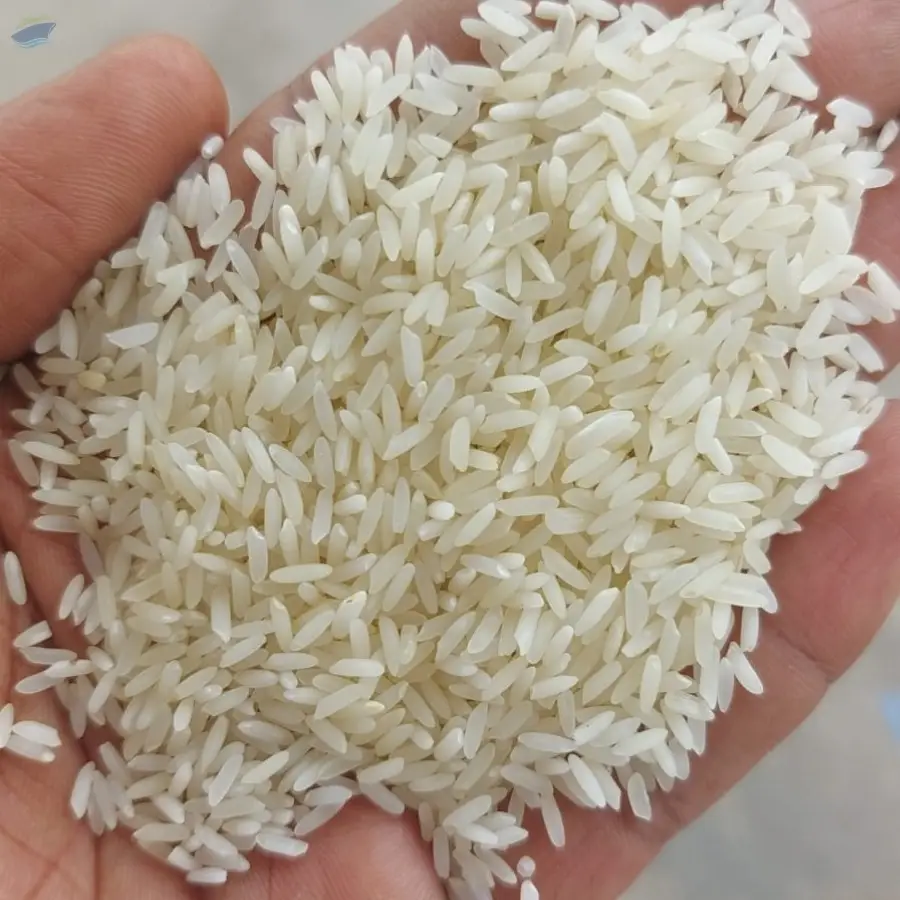
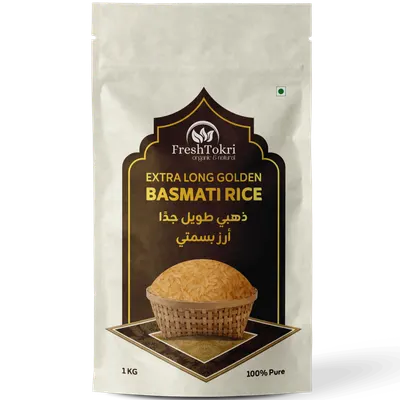
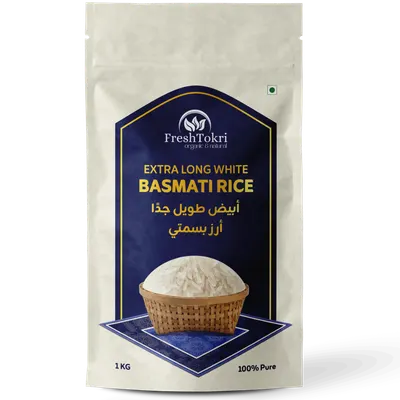
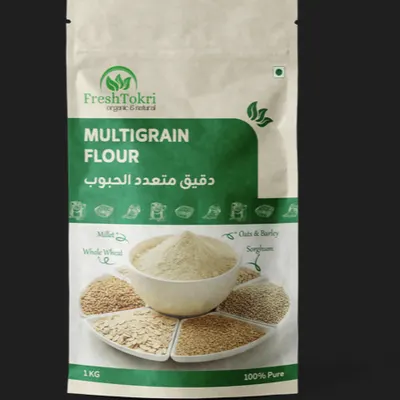
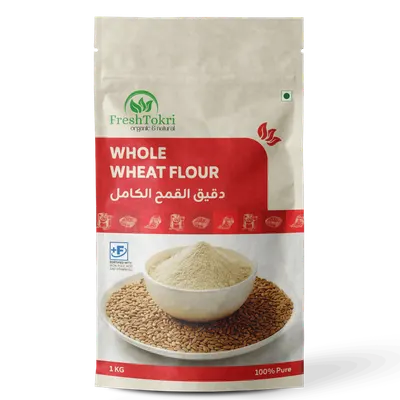
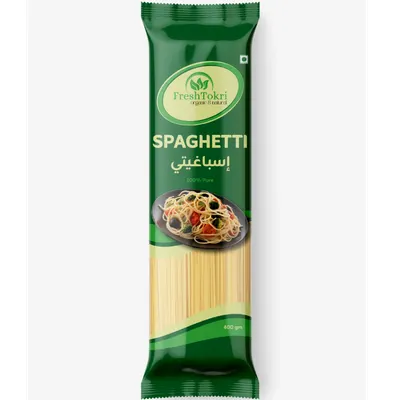
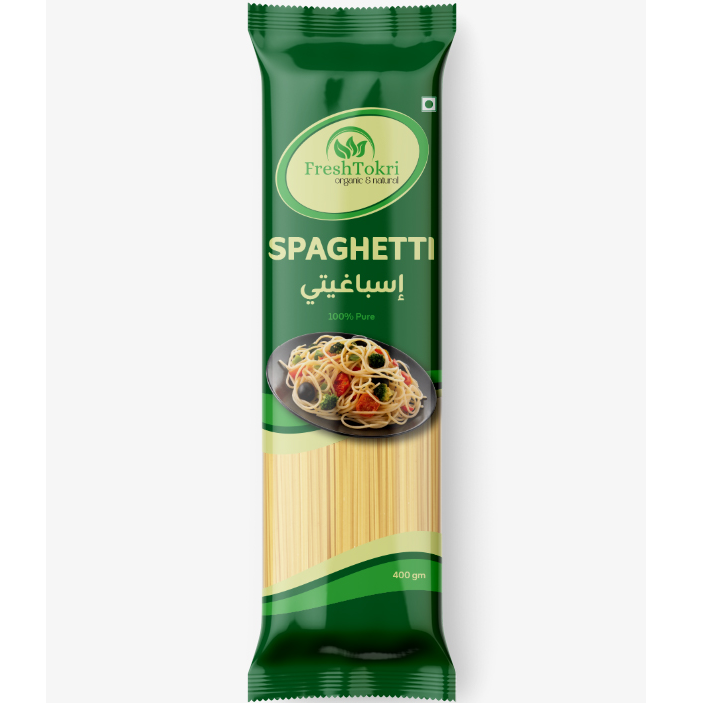
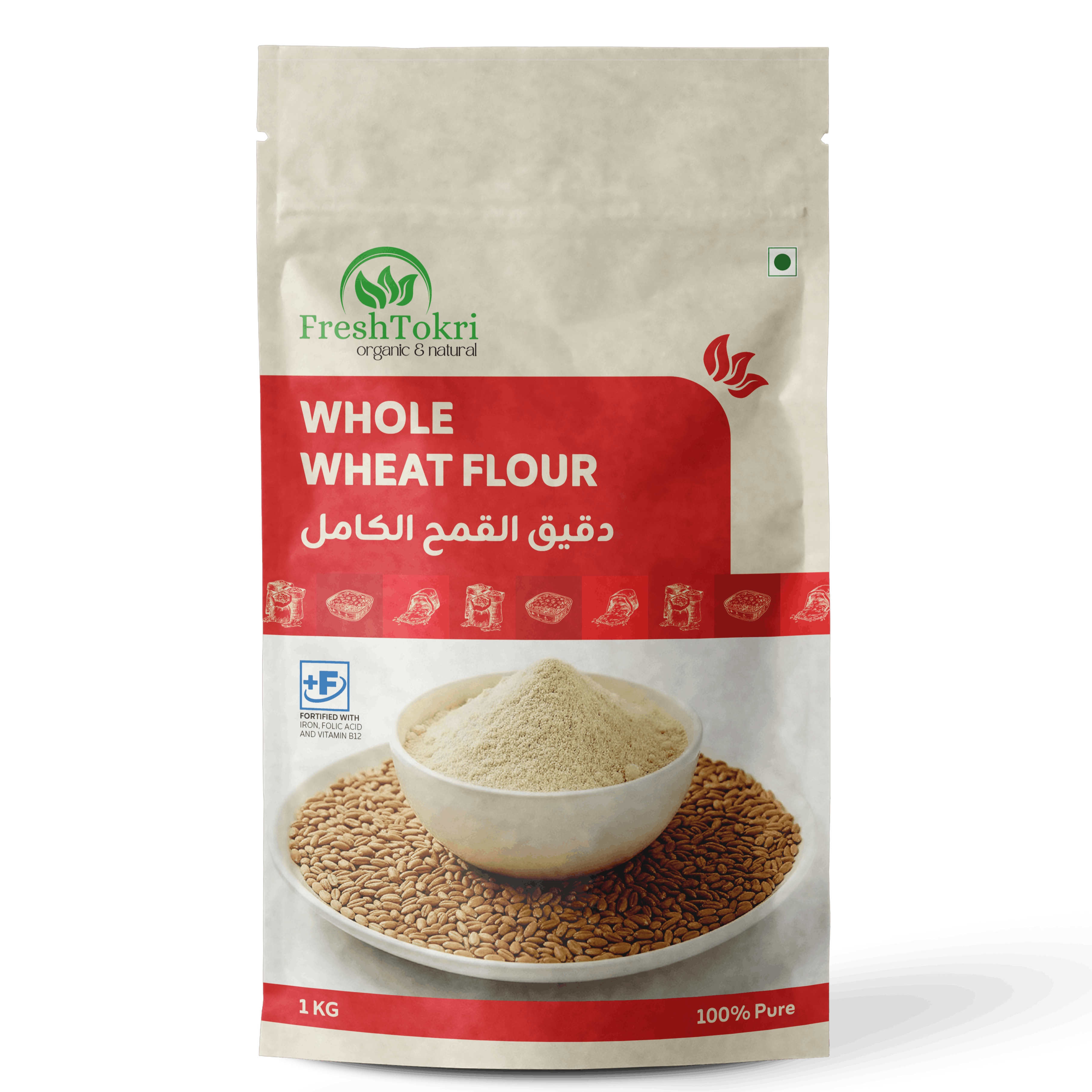
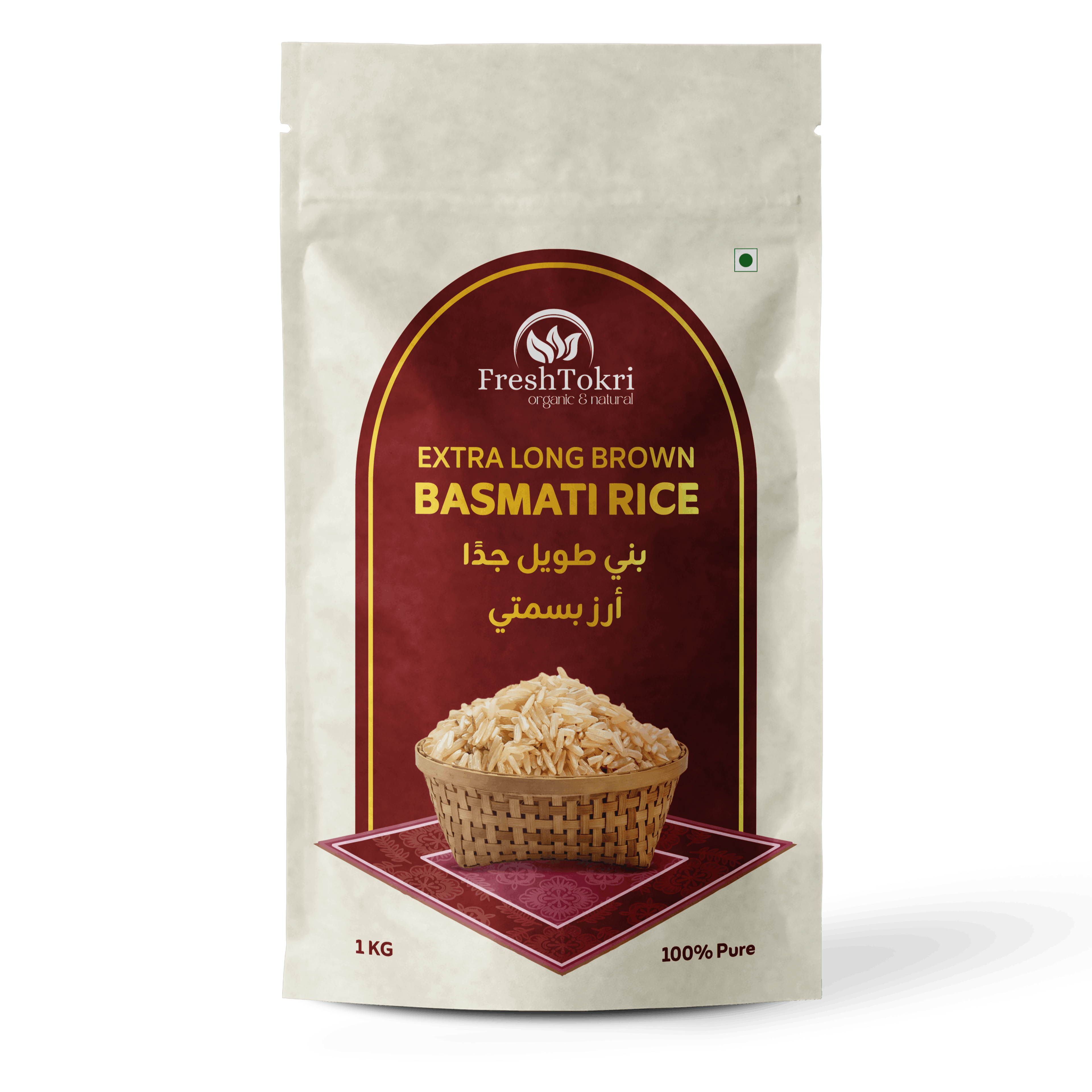
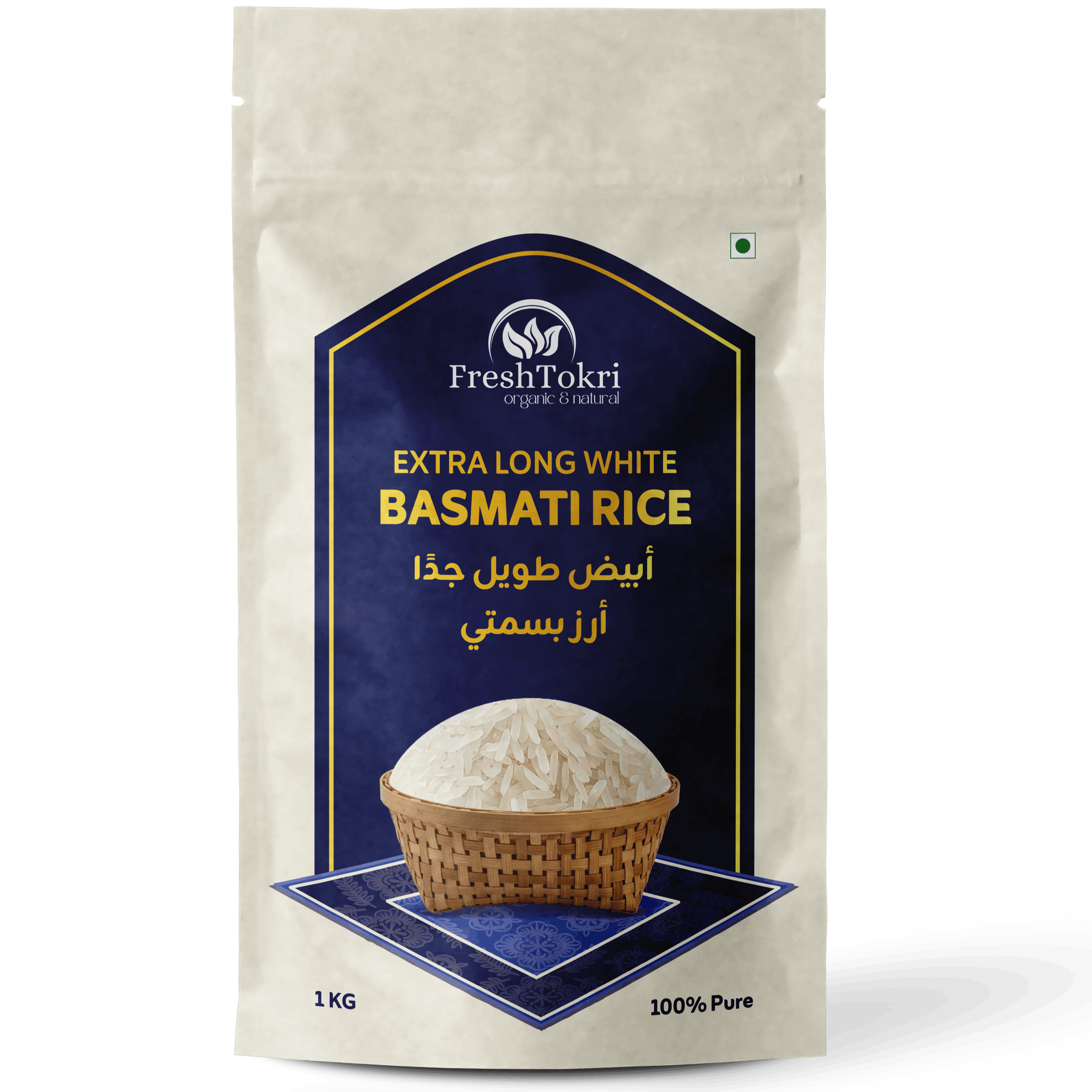
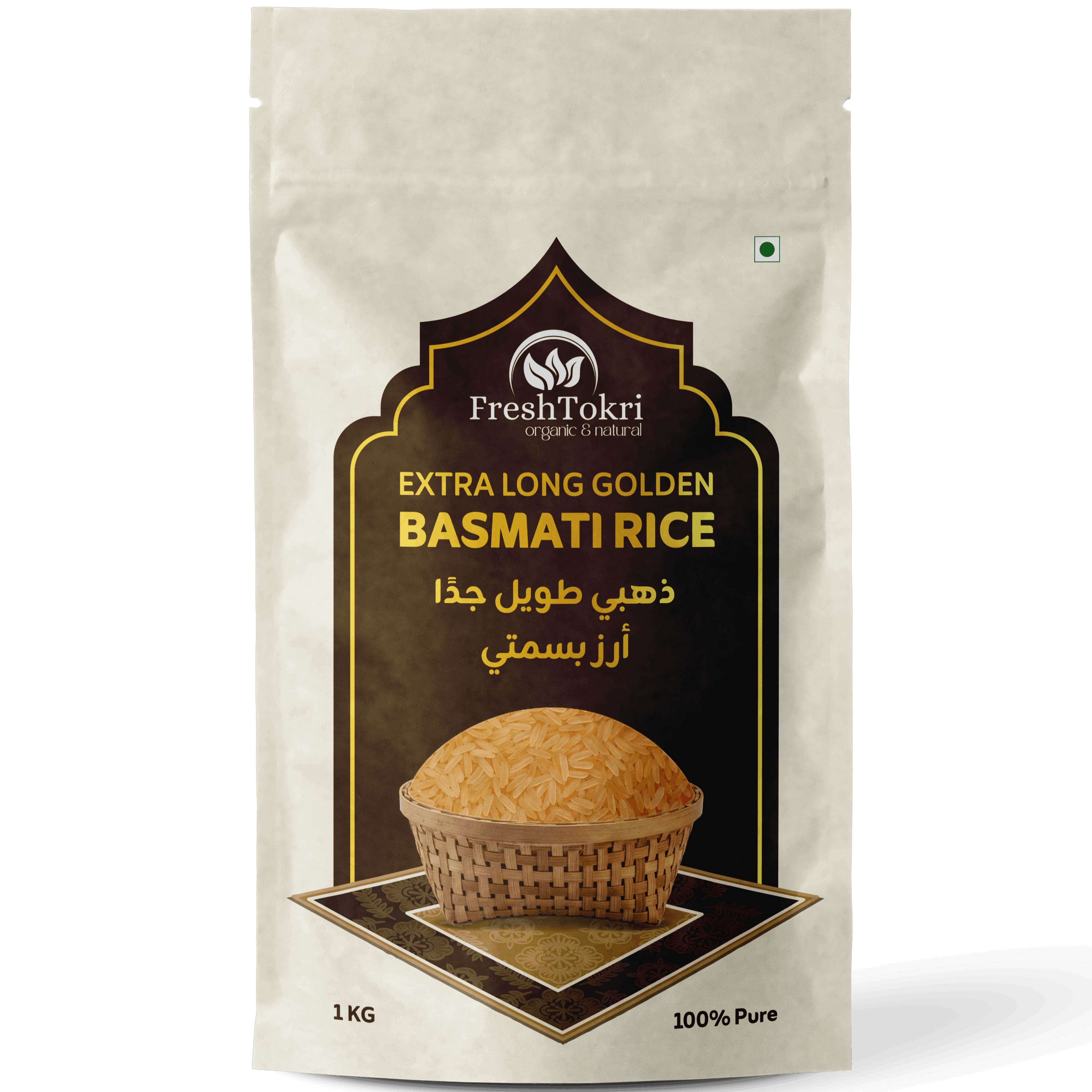
The catalogue details spaghetti made from wheat flour and durum semolina, whole wheat flour (HS 1101.00) derived from 100 % whole wheat grain, multi‑grain flour (HS 1102.90) containing a blend of cereals, extra‑long white basmati rice (HS 1006.30), extra‑long golden basmati rice (HS 1006.30) and extra‑long brown basmati rice (HS 1006.20). Each rice entry specifies the grain type - white, golden or brown - and conforms to the standard HS chapter for milled rice. The listed products are offered under the FreshTokri brand as bulk goods suitable for large‑scale distribution.
Product Range and Specialties of FreshTokri Foods
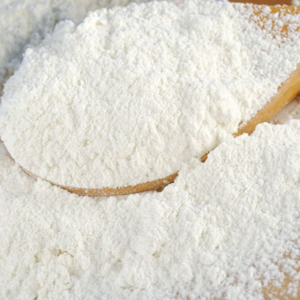
The flour offerings include whole wheat flour, which typically carries a protein content of 10‑12 % and moisture below 14 %, and multi‑grain flour that blends wheat with barley, rye or millet, often targeting a protein range of 10‑12 % and a particle size of 200‑300 µm. In the rice segment, the extra‑long basmati varieties are graded by grain length (usually above 7.5 mm), aroma intensity, moisture not exceeding 12 % and broken grain rates under 2 %. Spaghetti produced from wheat flour and durum semolina usually meets a protein level of 12‑13 % and a minimum gluten strength of 250 %* (W).
Trade and Export Information - FreshTokri Foods
Egypt exports wheat‑derived products and aromatic rice primarily to Gulf Cooperation Council (GCC) countries, North‑African markets and parts of Europe. The HS code families 1101 (wheat flour), 1102 (other flours) and 1006 (rice) are routinely inspected under Egypt’s export control regime, requiring a certificate of origin and compliance with the destination country’s phytosanitary and food‑safety regulations. Buyers commonly request certifications such as ISO 22000, HACCP or FSSC 22000, and for organic lines an EU organic or USDA organic certificate. Standard export packaging includes 25 kg food‑grade polypropylene bags for flour and jute or PP bags for rice, loaded into 20 ft containers (≈800 bags) or 40 ft containers for larger volumes. Typical incoterms used are FOB Alexandria or CIF Dubai, with freight forwarding firms handling customs clearance and inspection under the HS chapters mentioned.
Sourcing from FreshTokri Foods - Buyer Guidance
Importers should obtain a detailed specification sheet for each product, including recent laboratory analysis of protein, moisture, ash and microbial limits. Request an up‑to‑date organic certificate if the organic tier is required, as well as a phytosanitary certificate and a certificate of origin that matches the declared HS code. Prior to full order placement, a sample of at least 5 kg is advisable to verify grain length, aroma profile for basmati rice and flour colour and texture, and to confirm that packaging meets the buyer’s handling requirements.
Frequently Asked Questions About FreshTokri Foods
What types of flour are listed in FreshTokri Foods' catalogue?
The catalogue includes whole wheat flour (HS 1101.00) and multi‑grain flour (HS 1102.90). Whole wheat flour is milled from 100 % whole wheat grain, while the multi‑grain blend combines wheat with other cereals and typically has a protein content of 10‑12 % and moisture below 14 %.
Which basmati rice grades are available?
Three grades are listed: extra‑long white basmati rice (HS 1006.30), extra‑long golden basmati rice (HS 1006.30) and extra‑long brown basmati rice (HS 1006.20). All meet the common industry specifications of a moisture limit of 12 % and a broken grain rate under 2 %.
How is the spaghetti product manufactured?
Spaghetti is produced from a blend of wheat flour and durum wheat semolina, giving a typical protein level of 12‑13 % and a gluten strength of at least 250 %* (W). The finished pasta is usually packed in 5 kg vacuum‑sealed bags or 25 kg cardboard boxes for bulk shipment.
What documentation should an importer request?
Importers should ask for a product specification sheet, recent laboratory test results (protein, moisture, ash, microbial limits), an organic certification if required, a phytosanitary certificate and a certificate of origin that corresponds to the HS code of the product.
What are the usual minimum order quantities and lead times?
For bulk flour and rice the typical minimum order is one 20 ft container, roughly 800 bags of 25 kg each. Lead time from order confirmation to shipment is generally 30‑45 days, depending on production scheduling and customs clearance.
Which incoterms are commonly used for shipments from Egypt?
Exporters from Egypt frequently quote FOB Alexandria or CIF Dubai for grain and rice shipments. Buyers should confirm the preferred incoterm and verify that appropriate insurance and freight forwarder arrangements are in place.
How are the products packaged for export?
Whole wheat and multi‑grain flours are packed in food‑grade polypropylene bags of 25 kg, placed inside 20 ft containers with internal liners. Basmati rice is packed in 25 kg jute or PP bags, stacked on wooden pallets to optimize container loading.
Are there any specific quality standards buyers should verify?
Buyers should verify that the rice meets the extra‑long grain length specification (≥7.5 mm) and that the flour complies with protein and moisture limits typical for the category. Requesting a recent third‑party laboratory report helps confirm compliance with these standards.





 , Egypt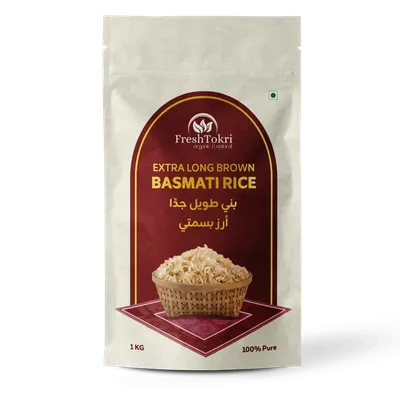







.jpg.png)