VED INTERNATIONAL — Verified Manufacturer & Wholesale Supplier
About VED INTERNATIONAL - Fruit Powder Supplier in India
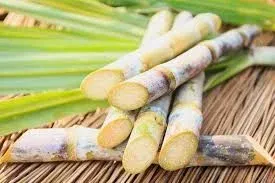
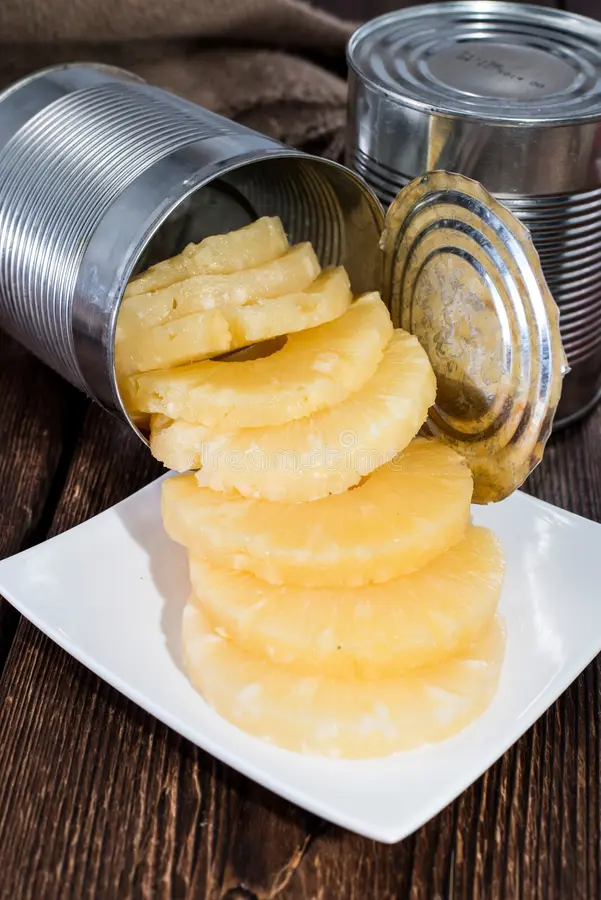
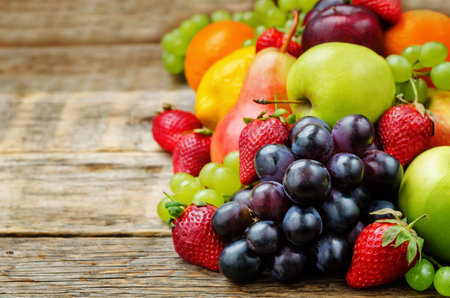
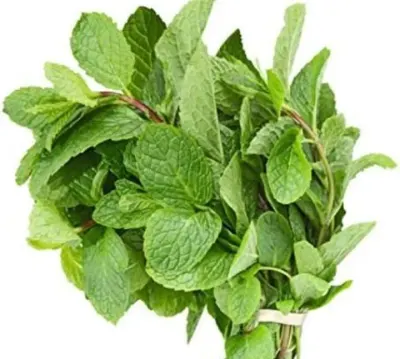
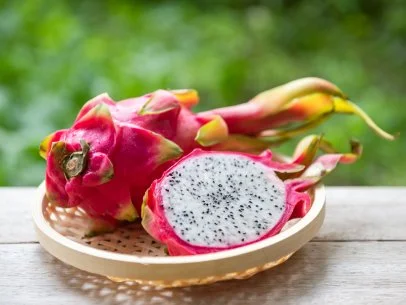
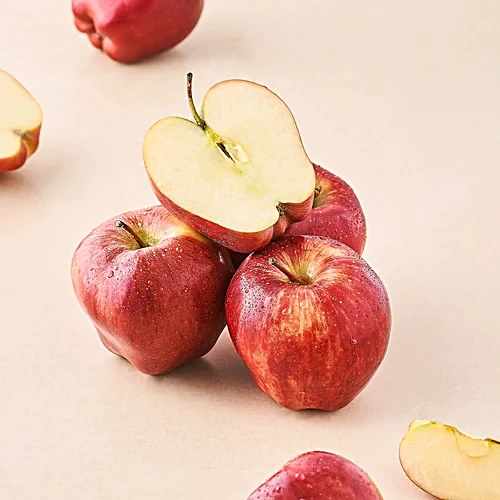
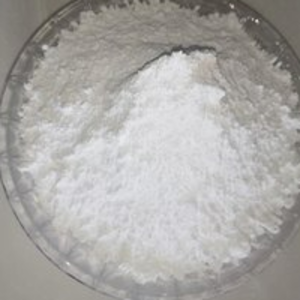
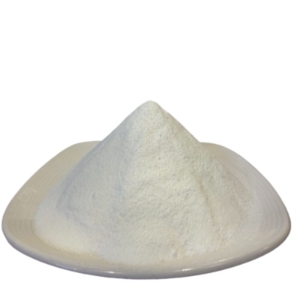
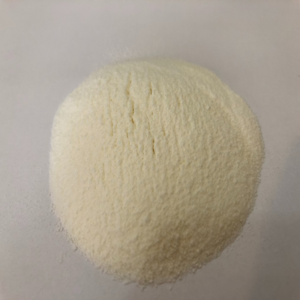
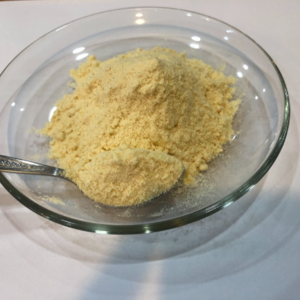
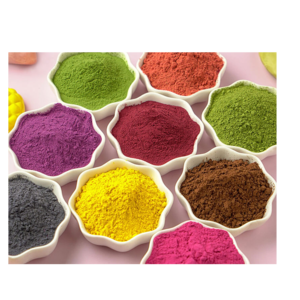
India, Surat in the state of Gujarat is the base of VED INTERNATIONAL. The company lists 20 active products across its catalogue, covering a variety of spray‑dried fruit powders, a coconut milk powder, mint powder, mulberry powder and a few non‑food items. The product list includes BANANA POWDER (HS 1106.30), RASPBERRY POWDER (HS 2103.90), MANGO POWDER (HS 0804.90), LYCHEE POWDER (HS 0804.50) and other fruit powders such as STRAWBERRY, PAPAYA, PINK GUAVA, POMEGRANATE, APPLE, BLACK GRAPE, CRANBERRY, CUSTARD APPLE, DRAGON FRUIT, LEMON, PINEAPPLE and SUGARCANE, each recorded with the specific HS codes shown in the catalogue. In addition the catalogue contains COCONUT MILK POWDER (HS 2106.90), MINT POWDER (HS 0910.91), MULBERRY POWDER (HS 1211.90) and an ORANGE POWDER listed under HS 8309.90 which is classified as a copper‑based alloy powder. The range therefore spans food‑grade fruit and vegetable powders, dairy‑derived milk powder, spice and herb powders, and a single industrial alloy powder.
The catalogue reflects a focus on natural, spray‑dried ingredients that are used in natural cosmetics, food formulations, health supplements and animal feed. Each item is described as food grade or organic, with no additives noted in the product description. The HS code families used (1106, 0804, 2103, 2106, 0910, 1211, 1701, 8309) correspond to raw fruit powders, processed fruit preparations, spices and herbal products, and in one case a metal alloy. This factual profile provides a clear view of the product set that VED INTERNATIONAL makes available for international buyers.
Product Range and Specialties of VED INTERNATIONAL
The current catalogue lists fruit powders derived from banana, raspberry, mango, lychee, strawberry, papaya, pink guava, pomegranate, apple, black grape, cranberry, custard apple, dragon fruit, lemon, pineapple and sugarcane, each produced by spray‑drying to a fine powder. Typical industry specifications for spray‑dried fruit powders include moisture content below 5 %, water activity under 0.4, particle size distribution between 100 µm and 300 µm, and food‑grade purity of 95 % or higher. In the broader fruit‑powder market, buyers often request analysis for vitamin C content, total soluble solids (°Brix), microbial limits (e.g., total plate count <10 CFU/g, absence of E. coli and Salmonella) and pesticide residue compliance according to Codex limits. The coconut milk powder follows dairy‑derived powder standards such as fat content 20‑25 % and protein 10‑12 % in a dry basis, while mint and mulberry powders are treated as herb powders with typical essential oil retention above 0.1 % and microbial limits similar to other food powders. Industry practice also sees these powders packed in multi‑layered polyethylene or metallised bags of 25 kg or 50 kg, suitable for 20 ft or 40 ft containers.
Trade and Export Information - VED INTERNATIONAL
India is a major exporter of spray‑dried fruit and vegetable powders, with the European Union, United States, Middle East and Southeast Asian markets accounting for the largest import volumes. HS chapter 11 (1106) covers dried fruit, chapter 08 (0804, 0805) covers processed fruit, chapter 21 (2103, 2106) covers preparations of fruit or vegetable, and chapter 09 (0910) covers herbs and spices; these codes are routinely inspected by customs authorities and may require phytosanitary certificates, a certificate of origin and compliance with the EU Pesticide Residue Regulation or US Food Safety Modernization Act (FSMA) requirements. Typical certifications requested by importers of food‑grade powders include ISO 22000, HACCP, and for organic lines, USDA Organic or EU Organic certification. Packaging is generally sized for ocean freight, with 25 kg kraft or polyethylene bags placed on pallets; a full 20 ft container can hold roughly 800 kg of powder, while a 40 ft container can accommodate about 1 600 kg. Incoterms most often used are FOB Surat or CIF destination ports, allowing buyers to arrange import customs clearance and further distribution.
Sourcing from VED INTERNATIONAL - Buyer Guidance
When sourcing from VED INTERNATIONAL, buyers should request a recent Certificate of Analysis (CoA) that details moisture, particle size, microbial limits and any pesticide residue results for the specific powder. For organic‑labelled items, an up‑to‑date organic certification (e.g., USDA Organic) and a traceability document confirming the origin of the raw fruit are essential. Buyers are advised to obtain a sample batch, preferably a 5 kg trial, and verify that the sample matches the CoA specifications before confirming larger orders. Verify that the supplier can provide the required phytosanitary certificate and a full customs invoice that lists the correct HS code, as mismatched codes are a common source of shipment delays. Confirm packaging material (e.g., food‑grade polyethylene bags with inner liner) and whether the product will be palletised for ocean freight, as this impacts handling and storage at the destination.
Frequently Asked Questions About VED INTERNATIONAL
What forms of fruit powders does VED INTERNATIONAL offer?
The catalogue includes spray‑dried powders from banana, raspberry, mango, lychee, strawberry, papaya, pink guava, pomegranate, apple, black grape, cranberry, custard apple, dragon fruit, lemon, pineapple and sugarcane, each supplied as a fine food‑grade powder.
Which HS codes are used for the fruit powders?
Fruit powders are classified under HS 1106 (dried fruit) and HS 2103/2106 (preparations of fruit). Specific products such as BANANA POWDER and APPLE POWDER use 1106.30, while RASPBERRY POWDER uses 2103.90 and LEMON POWDER uses 2106.90.
What certifications should I request for organic fruit powders?
Buyers should request the current organic certification (e.g., USDA Organic or EU Organic) together with an ISO 22000 or HACCP certificate and a Certificate of Analysis that confirms food‑grade purity and absence of prohibited residues.
What is the typical minimum order quantity (MOQ) for a single fruit powder?
Industry practice for spray‑dried powders is an MOQ of 500 kg per SKU, which translates to roughly 20 bags of 25 kg each. Smaller trial quantities can be arranged as 5 kg samples on request.
What are the usual lead times from order confirmation to shipment?
Lead times for spray‑dried powders from India generally range from 30 to 45 days, depending on raw material seasonality and required certification documentation.
How are the powders packaged for export?
Products are packed in food‑grade multi‑layer polyethylene or metallised bags of 25 kg, placed on standard Euro pallets, and sealed for moisture protection. Containers are loaded according to the weight limits of 20 ft or 40 ft vessels.
Which documents are needed for customs clearance in the destination country?
Importers should obtain a commercial invoice, packing list, Certificate of Origin, phytosanitary certificate and the Certificate of Analysis matching the HS code. Additional certificates may be required by the destination country’s food safety authority.
Can I request a sample before placing a full order?
Yes, VED INTERNATIONAL can provide a 5 kg sample batch for laboratory testing. The sample will be accompanied by a CoA and, if applicable, the relevant organic certification.





 Surat, India