Fan Fei (Beijing) Energy-Saving Technology Co., Ltd. — Supplier
About Fan Fei (Beijing) Energy-Saving Technology Co., Ltd. - Wool Supplier in China
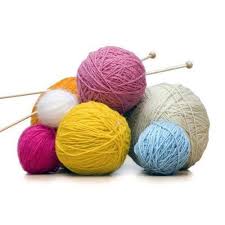
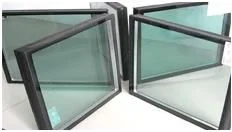
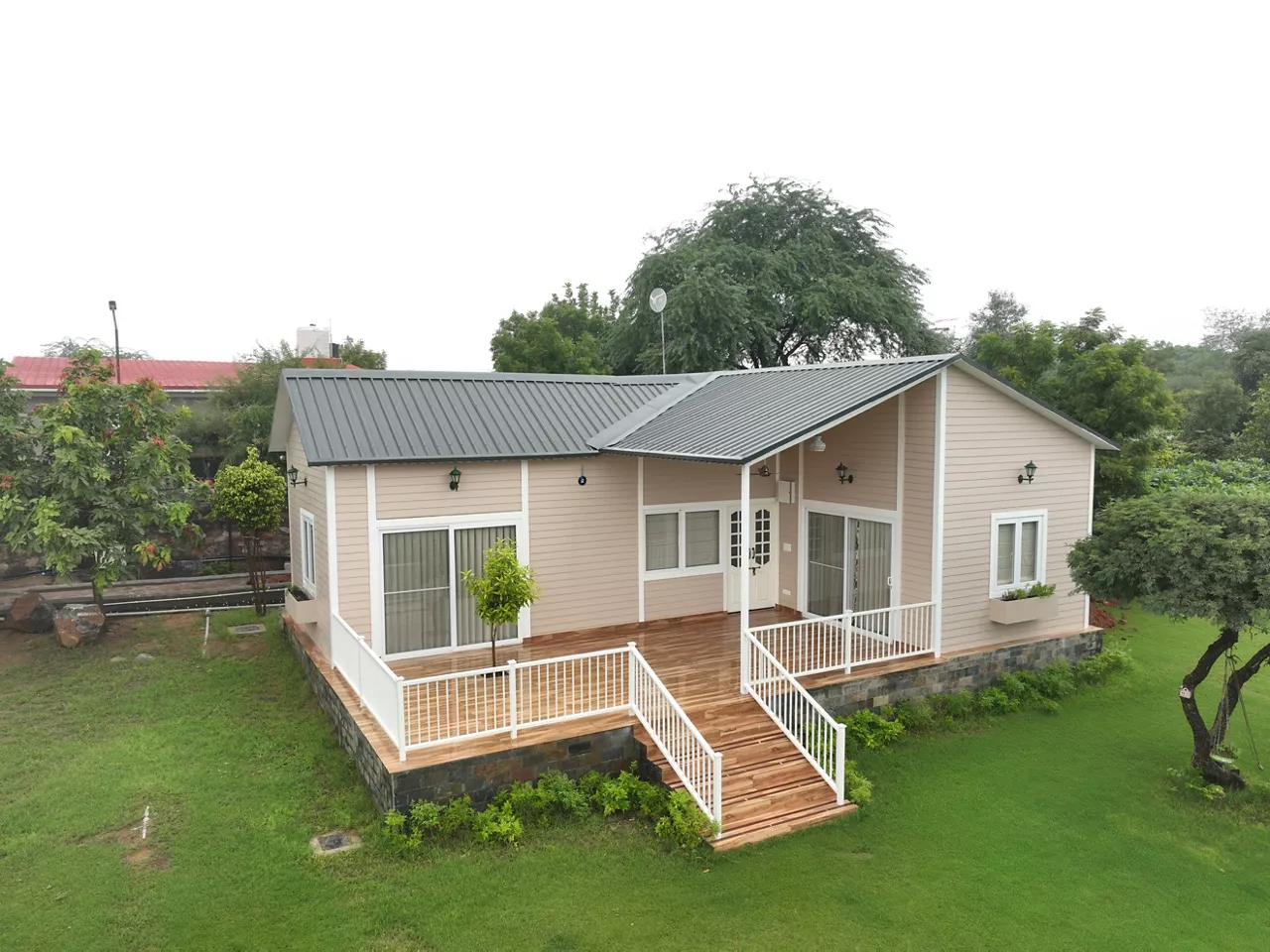
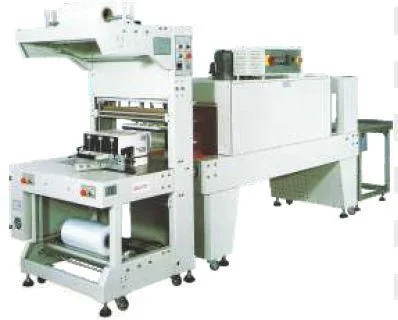
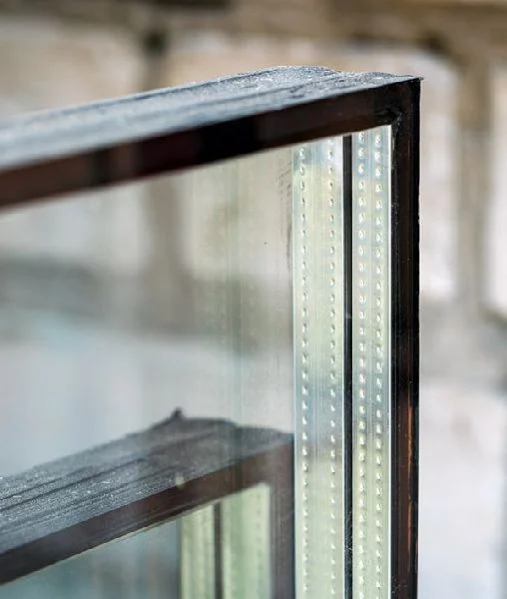
China, Beijing is the location of Fan Fei (Beijing) Energy-Saving Technology Co., Ltd., which currently lists 15 active products in its catalogue. The catalogue spans several top categories, notably Wool, Construction Materials, Packaging Machinery, Insulated Glass, Waterproofing Material, Fabricated Houses and Agriculture. Each product entry reflects a specific type of insulation or building envelope material that the supplier offers for export. The listings include generic terms such as House Wrap, Glass Wool Insulation, and Waterproof Membrane, as well as more detailed items like 50mm Glass Wool Insulation and Sound Batt Insulation. The supplier’s catalogue also references broader classifications such as Glass Wool Suppliers and Glass Wool Manufacturers, indicating a focus on both finished goods and raw insulation material. The product list contains items with explicit HS code assignments: Cavity Wall Insulation is recorded under HS code 7019.19 and is described as Glass Wool made from glass fibers, while Rockwool Sound Insulation and Thermal Insulation Materials are both assigned HS code 6806.10 and identified as Mineral Wool derived from basalt or diabase fibers. These HS codes place the goods in the broader tariff chapters for glass fibre products and mineral wool products, respectively. The remaining entries, such as House Wrap, Home Wrap, and Waterproof Membrane, do not carry HS codes in the provided data but are commonly classified under building envelope or construction material codes. Overall, the supplier’s portfolio presents a concentration on thermal and acoustic insulation solutions for residential and commercial construction.
Product Range and Specialties of Fan Fei (Beijing) Energy-Saving Technology Co., Ltd.
The catalogue includes glass‑wool blankets, fiberglass wool insulation, 50 mm thick glass‑wool panels, and sound‑batt insulation, all of which are typical forms of flexible insulation used in cavity‑wall and roof applications. In the global market, glass‑wool products are frequently offered in thermal conductivity ranges of 0.032‑0.040 W/m·K, densities of 12‑30 kg/m³, and fire‑rating classifications such as Euroclass B‑s1,d0. Mineral‑wool (rockwool) products, represented by the Rockwool Sound Insulation entry, are commonly supplied with acoustic performance measured by an STC rating of 45‑55 and a compressive strength of 0.8‑1.2 MPa. House Wrap and Waterproof Membrane products are typically polyethylene or polypropylene based films with water‑resistance ratings of 1 000 mm or higher, seam‑tape adhesion strengths of 2‑3 N/mm, and breathability measured by water vapor transmission rates of 100‑200 g/m²·24h. Buyers often request dimensions such as 1.2 m × 30 m rolls and packaging in 20‑ft containers, with each container holding approximately 30‑35 tons of insulated material. The supplier’s product set therefore covers both the core insulation media and the ancillary envelope systems required for energy‑saving construction.
Trade and Export Information - Fan Fei (Beijing) Energy-Saving Technology Co., Ltd.
China is a leading exporter of building insulation materials, and products classified under HS 7019.19 (glass fibre wool) and HS 6806.10 (mineral wool) are routinely shipped to markets in Southeast Asia, the Middle East, Eastern Europe and Africa. Importers in these regions typically require compliance with standards such as ISO 9001 for quality management, EN 13162 for mineral wool thermal insulation, ASTM C665 for glass‑wool batts, and CE marking where applicable. Export shipments are commonly packed in bulk on wooden pallets or in large‑format rolls, with a standard 20‑ft container accommodating up to 22 tons of glass‑wool batts and a 40‑ft container up to 44 tons of mineral wool panels. Regulatory inspections frequently focus on fire‑performance test reports (e.g., ISO 834, EN 13501‑1) and thermal performance certificates (e.g., EN 12667). Buyers also look for documentation of moisture resistance and acoustic test data, especially for sound‑batt and rockwool products. The typical Incoterms used for these shipments are FOB Shanghai or CIF destination port, allowing the importer to arrange inland transport and final delivery. While the supplier’s target markets are not listed, the product categories align with the demand patterns of construction‑focused importers in the aforementioned regions.
Sourcing from Fan Fei (Beijing) Energy-Saving Technology Co., Ltd. - Buyer Guidance
When sourcing glass‑wool or mineral‑wool insulation from this supplier, request the latest product data sheet that lists thermal conductivity (λ), density, thickness options, and fire‑rating classification. Ask for independent test reports that confirm compliance with EN 13162 (mineral wool) or ASTM C665 (glass wool) and for acoustic performance data if sound‑batt insulation is required. Because the catalogue does not specify any held certifications, buyers should request copies of ISO 9001, CE Declaration of Conformity, and any relevant national standard certificates prior to placing an order. Verify the HS code assignment for each product to ensure correct tariff treatment, and confirm packaging details such as roll dimensions, pallet configuration, and container loading plans. Obtaining a physical sample of the house wrap or waterproof membrane before full‑scale purchase is standard practice to assess seam strength and vapor permeability.
Frequently Asked Questions About Fan Fei (Beijing) Energy-Saving Technology Co., Ltd.
What insulation materials does Fan Fei (Beijing) Energy-Saving Technology Co., Ltd. list?
The supplier lists glass‑wool insulation (including 50 mm blankets and fiberglass batts), mineral‑wool (rockwool) sound insulation, house wrap, waterproof membrane and related construction‑material products.
Which HS codes are associated with the listed insulation products?
Cavity Wall Insulation is recorded under HS code 7019.19 (glass wool) and Rockwool Sound Insulation and Thermal Insulation Materials are recorded under HS code 6806.10 (mineral wool).
What typical standards should buyers verify for glass‑wool products?
Buyers usually check compliance with ASTM C665 or EN 12667 for thermal performance, and fire‑rating standards such as EN 13501‑1 or ISO 834 for reaction‑to‑fire classification.
What certifications are commonly required for mineral‑wool insulation from China?
Typical certifications include ISO 9001 quality management, CE marking for European markets, and compliance with EN 13162 for thermal insulation specifications.
How are house wrap and waterproof membrane typically packaged for export?
These films are often supplied in rolls of 1.2 m × 30 m, stacked on wooden pallets, with a 20‑ft container holding roughly 30 tons and a 40‑ft container up to 60 tons, depending on roll weight.
What documentation should a buyer request before confirming an order?
Buyers should request product data sheets, thermal conductivity and acoustic performance test reports, fire‑rating certificates, and any ISO or CE compliance documents.
Which regions most frequently import Chinese insulation materials?
Major import destinations include Southeast Asian countries, the Middle East, Eastern European states and several African markets that have active construction sectors.
What Incoterms are most commonly used for shipping these insulation products?
Suppliers often quote FOB Shanghai or CIF to the buyer’s destination port, allowing the importer to manage inland freight and customs clearance.




 , China