Dalian Huagong Innovation Technology Co., Ltd. — Verified Supplier
About Dalian Huagong Innovation Technology Co., Ltd. - Light & Medium Machinery Supplier in China
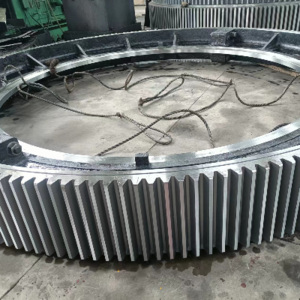
China, Dalian hosts Dalian Huagong Innovation Technology Co., Ltd., which currently lists 34 active products. The catalogue spans light and medium machinery, packaging machinery, agriculture equipment, industrial tapes/films, robots and spare parts, aluminum components and gasket solutions. Product titles include foam and gasket sealing machines, various potting and dispensing machines, robot gluer systems, gear‑ring carbon band gluing machines and a two‑color aluminum profile identified with HS code 7604.29 and manufactured from Aluminum Alloy 6063‑T5 / 6061‑T6. Additional entries cover bridge cut‑off machines, hot‑melt butyl coating units and epoxy resin foam sealing equipment, reflecting a focus on sealing, potting and gluing technologies. The supplier’s portfolio concentrates on equipment that applies adhesives, foams or sealants to automotive, construction and electronic sub‑assemblies. Machines such as PU gasket sealing, quantitative glue filling and sensor sealing are listed alongside custom automatic production lines, indicating capability for both standard and bespoke automation. The presence of aluminum thermal barrier potting systems and aluminium profiles points to ancillary metalworking capacity within the same product family.
Product Range and Specialties of Dalian Huagong Innovation Technology Co., Ltd.
The listed machinery covers several sub‑categories of sealing and potting equipment. Foam sealing machines typically process polyurethane (PU) foams with densities from 30 kg/m³ to 80 kg/m³ and require precise temperature control; industrial standards often reference DIN 18196 for foam expansion and ISO 9001 quality management. Gasket sealing machines for butyl or EPDM rubber commonly target tensile strengths of 10‑15 MPa and compression set below 30 %. Potting and dispensing units for epoxy or silicone resins are usually specified by dispensing accuracy of ±0.1 g and cure times under 30 minutes at 80 °C. In the aluminium segment, the two‑color aluminium profile (HS 7604.29) is produced from alloy 6063‑T5 or 6061‑T6, which are typical for architectural extrusions. Standard grades for these alloys include surface roughness Ra ≤ 0.8 µm, tolerance of ±0.2 mm on width, and a typical thickness range of 1‑5 mm. Buyers often request certification to EN 755‑2 for extruded profiles and corrosion resistance testing (salt spray, ISO 9227).
Trade and Export Information - Dalian Huagong Innovation Technology Co., Ltd.
China is a major exporter of industrial machinery, with HS chapter 84 covering most of the sealing, potting and gluing equipment listed, while aluminium extrusions fall under HS chapter 76. Typical destination markets for such machinery include Southeast Asia, Europe and North America, where automotive, construction and consumer electronics manufacturers source automated sealing solutions. Export documentation frequently requires a CE Declaration of Conformity for EU buyers, and ISO‑9001 or ISO‑14001 certificates are commonly requested to verify quality and environmental management. Aluminium profiles from China are shipped in 20‑ft or 40‑ft containers, often on wooden pallets with edge protectors to prevent deformation. Common Incoterms are FOB Tianjin or Shanghai, with CIF options for European ports. Chinese exporters of machinery generally use crate‑type packaging, climate‑controlled containers for sensitive electronic components and anti‑corrosion treatments for metal parts. Buyers should anticipate phytosanitary or customs inspections that reference HS codes 84.71‑84.79 for machines and 76.04 for aluminium products.
Sourcing from Dalian Huagong Innovation Technology Co., Ltd. - Buyer Guidance
When sourcing sealing or potting machines, request detailed technical datasheets that list operating temperature range, foam or resin viscosity limits, and control system specifications (PLC brand, HMI resolution). Verify the presence of CE or UL test reports and ask for an ISO‑9001 certificate copy; these documents confirm compliance with safety and quality standards required by most importers. For the aluminium profile, obtain material test reports showing alloy composition, tensile strength (≈310 MPa for 6061‑T6) and surface finish measurements. Buyers typically request a mill test certificate (MTC) and, where applicable, EN‑755‑2 compliance evidence. Confirm packaging details - wooden crates with internal cushioning - and clarify the container size (20 ft or 40 ft) to align with logistics planning. MOQ for machinery often starts at a single unit, but lead times can range from 30 to 90 days depending on customization, while aluminium extrusions may have a MOQ of 500 kg and lead times of 2‑4 weeks.
Frequently Asked Questions About Dalian Huagong Innovation Technology Co., Ltd.
What types of sealing machines does Dalian Huagong offer?
The catalogue includes foam sealing machines, PU gasket sealing units, hot‑melt butyl coating machines, epoxy resin foam sealing equipment and sensor sealing machines, each designed for automated application of specific sealants.
Is the two‑color aluminium profile compliant with European standards?
The profile is made from alloy 6063‑T5 / 6061‑T6, which can meet EN‑755‑2 requirements; buyers should request a mill test certificate and EN‑compliance documentation to confirm.
Which HS codes apply to the listed machinery?
Most of the sealing, potting and gluing equipment falls under HS chapter 84 (e.g., 8479 for other machines), while the aluminium profile is classified under HS 7604.29.
What certifications should a buyer request for these machines?
Typical certifications include CE Declaration of Conformity for EU markets, UL listing for North America, and ISO‑9001 quality‑management certification. Additional material‑specific approvals (e.g., RoHS) may be required.
What are typical packaging and shipping methods for the equipment?
Machines are usually packed in reinforced wooden crates with internal cushioning, loaded into 20‑ft or 40‑ft containers. Aluminium profiles are palletised, wrapped in stretch film and placed in the same container types.
What is a realistic lead time for a custom automatic production line?
Lead times for custom automation projects commonly range from 45 to 90 days after final design approval and receipt of any required tooling or control system specifications.
How can a buyer obtain a sample or trial run of a sealing machine?
Buyers can request a demo unit or a short‑run trial; suppliers typically require a signed non‑disclosure agreement and may charge a nominal handling fee, with the sample shipped under FOB terms.
What documentation is needed for customs clearance of the aluminium profile?
Customs usually require the commercial invoice, packing list, bill of lading, and the HS code 7604.29 declaration, along with a mill test certificate confirming alloy composition and dimensions.




 , China