Exral Industries — Verified Supplier
About Exral Industries - Starch Supplier in India
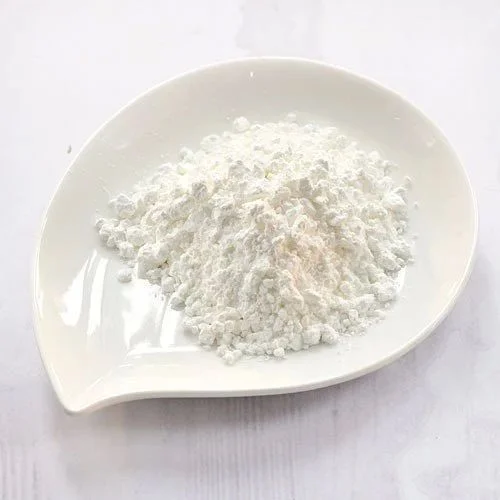
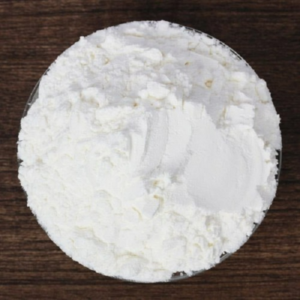
Exral Industries, located in India, offers a range of starch products, with 6 active products in their catalogue. Their product range includes Maize Native Starch, Tapioca Starch, Drilling Starch, Carboxy Methyl Starch, Maize Gluten, and Maize Fiber. These products are primarily used in the food and industrial applications. Exral Industries' products are categorized under the top categories of Starch, Maize, and Tapioca Starch.
The company's product catalogue includes Maize Native Starch - Food Grade, A Grade, and Tapioca Starch - Food Grade, indicating a focus on food-grade products. The presence of Drilling Starch and Carboxy Methyl Starch in their catalogue suggests that Exral Industries also caters to the industrial sector, particularly in the oil and gas industry. With its location in India, Exral Industries is well-positioned to serve the growing demand for starch products in the region.
Product Range and Specialties of Exral Industries
Exral Industries' product range includes a variety of starch products, each with its own set of specifications and applications. For instance, Maize Native Starch and Tapioca Starch are commonly used in food applications, such as in the production of snacks, bakery products, and confectionery. Drilling Starch, on the other hand, is used in the oil and gas industry for its properties as a filtration agent. Carboxy Methyl Starch is used in various industrial applications, including paper production and textile manufacturing.
Buyers of starch products typically require specifications such as moisture content, purity, and viscosity. For food-grade products, additional specifications such as microbial load and heavy metal content may be required. The typical grades for starch products include food grade, industrial grade, and pharmaceutical grade. Common standards for starch products include those set by regulatory bodies such as the FDA and the EU's food safety authority.
Trade and Export Information - Exral Industries
Exporters of starch products, such as Exral Industries, typically ship their products to regions with growing demand for food and industrial applications. The Middle East, Africa, and Southeast Asia are common destinations for starch exports from India. The HS code families for starch products, such as 1108.11 for maize starch, are used to classify these products for customs and regulatory purposes.
The trade of starch products is subject to various regulations, including those related to food safety, packaging, and labeling. Buyers of starch products should be aware of the relevant certifications, such as ISO 22000 for food safety management, and standards, such as the FDA's Food Safety Modernization Act. Logistics and packaging norms, such as those set by the International Maritime Organization, should also be considered when sourcing starch products.
Sourcing from Exral Industries - Buyer Guidance
When sourcing starch products from Exral Industries, buyers should request specifications, such as moisture content and purity, to ensure that the products meet their requirements. It is also recommended to request test reports and certifications, such as ISO 9001 for quality management, to verify the quality of the products.
Buyers should verify the products' compliance with relevant regulations, such as those related to food safety and labeling, before ordering. The verification process may involve reviewing documents, such as certificates of analysis and certificates of origin, and inspecting the products' packaging and labeling. A response to any given verification request should be prompt and transparent, with clear explanations and supporting documentation.
Frequently Asked Questions About Exral Industries
What is the typical moisture content of Maize Native Starch?
The typical moisture content of Maize Native Starch is around 12-14%. However, this may vary depending on the specific product and application. It is recommended to request the specifications from the supplier to ensure that the product meets the required standards.
What is the difference between food-grade and industrial-grade starch products?
Food-grade starch products are manufactured and processed to meet the strict standards set by regulatory bodies, such as the FDA, for human consumption. Industrial-grade starch products, on the other hand, are manufactured for non-food applications, such as paper production and textile manufacturing, and may have different specifications and quality standards.
What certifications should I request from Exral Industries?
Buyers should request certifications such as ISO 9001 for quality management and ISO 22000 for food safety management, as well as any other relevant certifications, such as those related to environmental management or social responsibility.
What is the typical lead time for Exral Industries' products?
The typical lead time for Exral Industries' products may vary depending on the specific product and application. It is recommended to request the lead time from the supplier to ensure that the products can be delivered within the required timeframe.
What is the minimum order quantity (MOQ) for Exral Industries' products?
The MOQ for Exral Industries' products may vary depending on the specific product and application. It is recommended to request the MOQ from the supplier to ensure that the products can be ordered in the required quantities.
How are Exral Industries' products packaged and shipped?
Exral Industries' products are typically packaged in bags or containers, depending on the specific product and application. The products are shipped via land, sea, or air, depending on the destination and logistics requirements. It is recommended to request the packaging and shipping details from the supplier to ensure that the products are handled and transported safely and efficiently.
What are the common applications of Maize Native Starch?
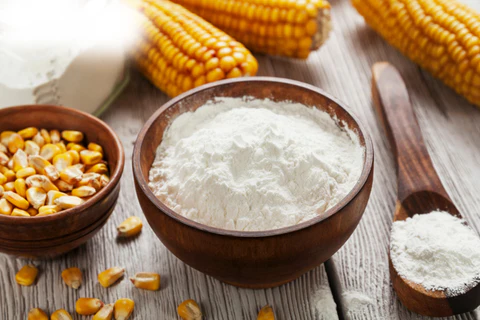
Maize Native Starch is commonly used in food applications, such as in the production of snacks, bakery products, and confectionery. It is also used in industrial applications, such as paper production and textile manufacturing.




 , India