Expo Global — Verified Manufacturer & Wholesale Supplier
About Expo Global - Diesel Supplier in Spain
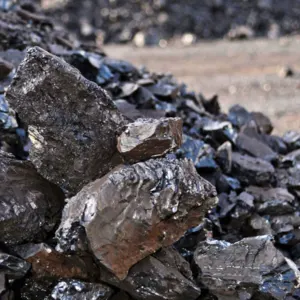
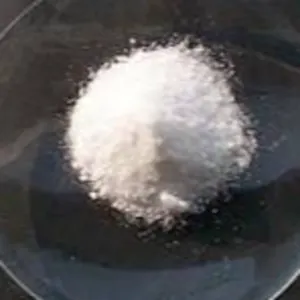
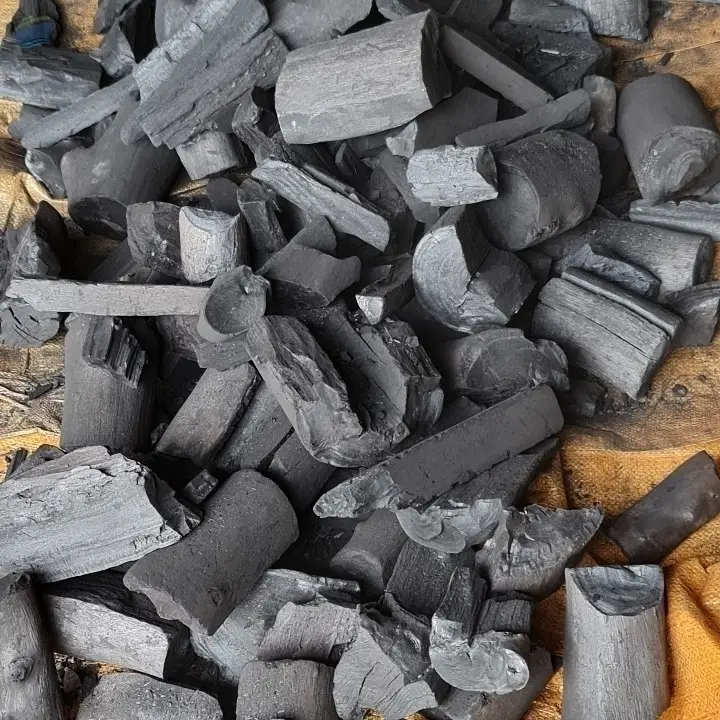
Expo Global operates from Madrid, Spain and currently lists twelve active products in its online catalogue. The catalogue spans refined petroleum fuels such as Diesel D2, Diesel EN590 and Aviation Kerosene JP54, as well as non‑fuel commodities including Gold Dore, Brazil IC 45 Sugar, urea, potassium chloride, thermal coal and a shipping agency service. Each fuel‑related entry is coded under HS 2710.19, the gold product under HS 7108.12, sugar under HS 1701.99, urea under HS 3102.10, potassium chloride under HS 3104.20 and thermal coal under HS 2701.11. The product list reflects a mix of energy, mineral and agricultural commodities that are commonly traded from Spain to global markets.
Product Range and Specialties of Expo Global
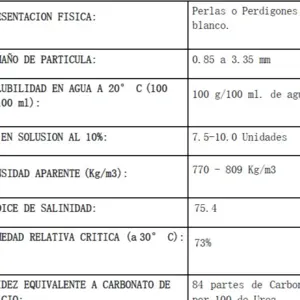
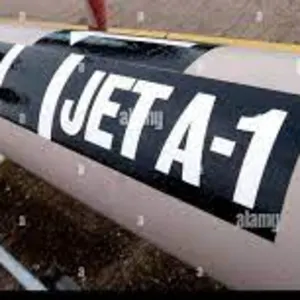
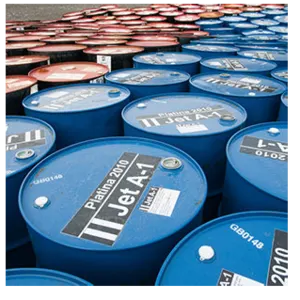
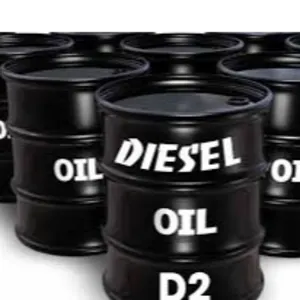
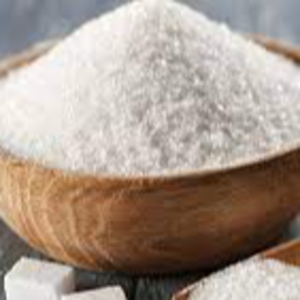
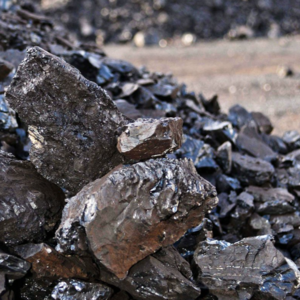
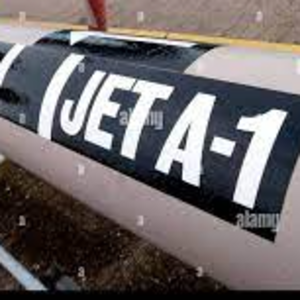
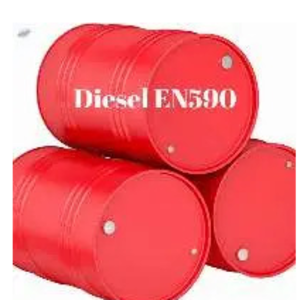
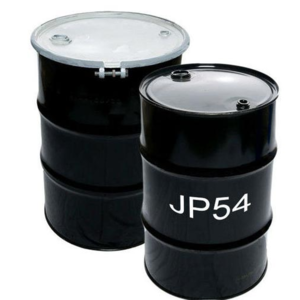
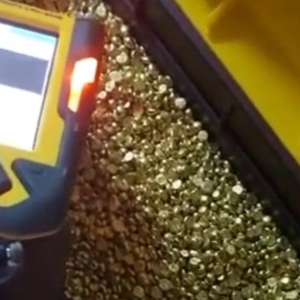
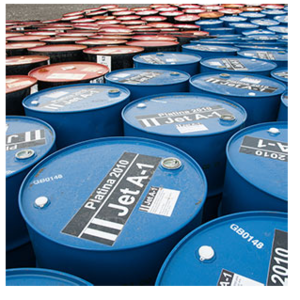
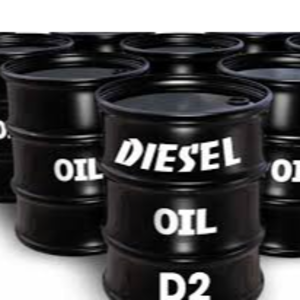
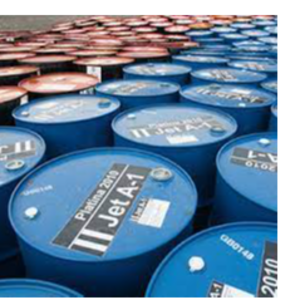
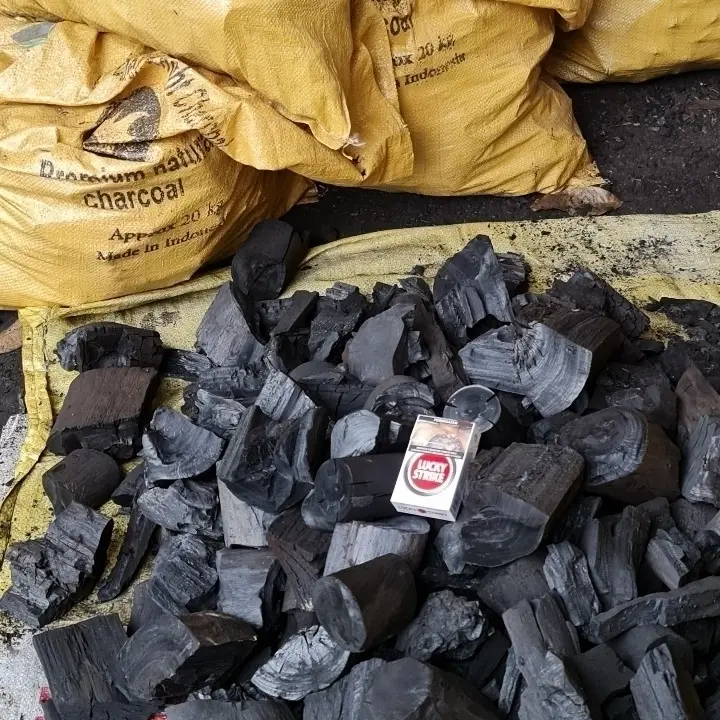
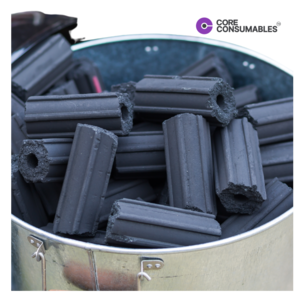
The diesel offering includes Diesel D2 and Diesel EN590, both ultra‑low‑sulfur grades with a sulfur limit of 10 ppm and a typical cetane number of 51 or higher. Aviation fuels comprise JP‑54 and Jet A‑1, which meet ASTM D1655/ISO 8217 specifications, featuring a flash point above 38 °C and sulfur content generally below 30 ppm. The Gold Dore product is a semi‑refined bullion typically containing 90‑95 % Au and is priced per kilogram. Brazil IC 45 Sugar falls into the standard IC 45 polarisation range (≈45 % sucrose) and is usually shipped in 25 kg bags. Urea is a nitrogen fertilizer with a nitrogen content of about 46 % (N‑46) and is packed in 1‑ton bags, while potassium chloride is a KCl fertilizer (≈60 % K₂O) also bagged in bulk. Thermal coal is a steam‑grade coal classified under HS 2701.11 and is usually supplied in bulk consignments. All items follow the material descriptors provided in the catalogue.
Trade and Export Information - Expo Global
Spain’s refined petroleum sector supplies diesel and aviation kerosene to markets in North Africa, the Middle East and Southern Europe, where bulk tanker shipments under HS 2710.19 are standard. Buyers of EN590 typically require conformity to EU diesel standards, a Certificate of Analysis and compliance with ISO 9001 quality systems. Aviation kerosene exporters from Spain often provide ASTM D1655 or ISO 8217 certificates, and shipments are loaded in ISO 20‑ft or 40‑ft containers or bulk fuel tankers. Gold dore is exported to major bullion hubs such as the United Arab Emirates and India, and the LBMA Good Delivery specification is the usual benchmark, though the supplier’s own certifications are not listed. Sugar, urea and potassium chloride are commonly shipped in bagged form to agricultural importers in the EU, Africa and Latin America, with HS 1701.99 and HS 3102/3104 categories subject to phytosanitary certificates and fertilizer analysis reports. Thermal coal is typically sold to power generators in Southern Europe and is subject to coal quality testing (e.g., calorific value, ash content) and export permits. Standard Incoterms such as CIF or FOB are applied depending on the buyer’s preference.
Sourcing from Expo Global - Buyer Guidance
When sourcing Diesel EN590 or Diesel D2 from Expo Global, request an up‑to‑date Certificate of Analysis confirming sulfur ≤10 ppm, cetane number, density and flash point, as well as the supplier’s ISO 9001 certificate if available. For JP‑54 or Jet A‑1, ask for ASTM D1655/ISO 8217 compliance documentation, moisture and sulfur test results, and a Material Safety Data Sheet. Gold Dore purchases should be accompanied by an assay report detailing purity, weight and any plating, and verification that the product meets LBMA Good Delivery criteria. Sugar buyers should obtain a laboratory analysis confirming IC 45 polarisation, moisture content (<0.2 %) and any pesticide residues. Fertilizer orders (urea, potassium chloride) require a fertilizer analysis certificate showing N‑46 or K₂O content and a phytosanitary certificate for import clearance. Verify that the HS code on the commercial invoice matches the product description before finalising the order.
Frequently Asked Questions About Expo Global
What diesel grades are available from Expo Global?
Expo Global lists Diesel D2 and Diesel EN590, both classified under HS 2710.19 and produced as ultra‑low‑sulfur fuel with sulfur content ≤10 ppm and a cetane number of at least 51.
Which specifications apply to the aviation kerosene products?
The Aviation Kerosene JP‑54 and Jet A‑1 are supplied under HS 2710.19 and conform to ASTM D1655 (or ISO 8217) specifications, including a flash point ≥38 °C and sulfur typically ≤30 ppm. Both are refined petroleum distillates suitable for turbine engines.
What documentation should be requested for the Gold Dore product?
Buyers should request an assay report that details gold purity (usually 90‑95 % Au), weight and any plating, as well as confirmation that the product meets the LBMA Good Delivery standard. A certificate of origin may also be required for customs clearance.
How is Brazil IC 45 Sugar packaged and shipped?
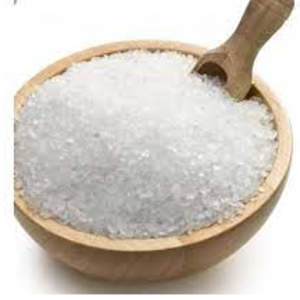
The sugar is generally packed in 25 kg paper or woven bags and shipped in 20‑ft or 40‑ft containers. Export documentation includes a laboratory analysis confirming IC 45 polarisation, moisture content below 0.2 % and a phytosanitary certificate.
What quality tests are standard for urea and potassium chloride?
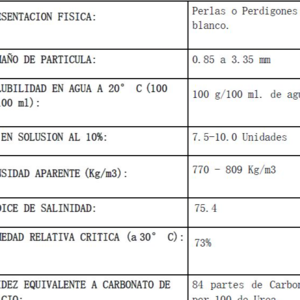
Urea is typically tested for nitrogen content (N‑46) and moisture, while potassium chloride is analysed for K₂O content (≈60 %) and impurity levels. Both products are accompanied by a fertilizer analysis certificate and, where required, a phytosanitary certificate.
Which certifications are commonly required for diesel and jet fuel exports from Spain?
Exporters normally provide ISO 9001 quality management certification, a Certificate of Analysis for each batch, and compliance documents for EN 590 (diesel) or ASTM D1655/ISO 8217 (jet fuel). Additional certifications may include REACH registration for the fuel additives.
What are typical Incoterms used for bulk fuel shipments?
For bulk diesel and aviation kerosene, FOB (Free on Board) or CIF (Cost, Insurance, Freight) are the most frequently used Incoterms, allowing the buyer to choose between taking responsibility at the port of loading or receiving the cargo delivered to the destination port.
What is the usual lead time for a sample of Diesel EN590?
Suppliers generally provide a small sample within 3‑5 working days after the request, followed by a full batch analysis report. Lead times may extend to 10‑14 days for larger sample quantities or for products requiring additional testing.




 , Spain