Espyr Enterprises — Verified Trader & Wholesale Supplier
About Espyr Enterprises - Fruits Supplier in India
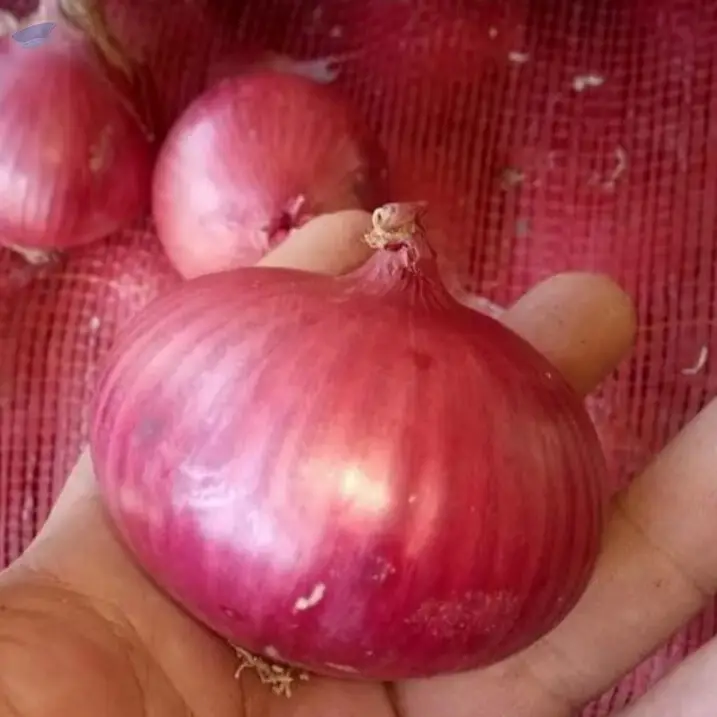
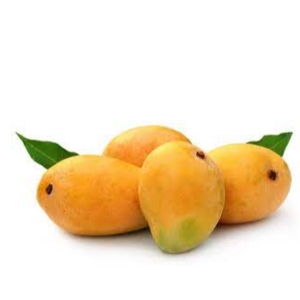
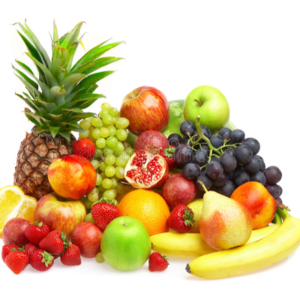
India, specifically the Mumbai suburban area of Maharashtra, is the base for Espyr Enterprises, which lists six active agro‑based products in its catalogue. The company’s product list includes dehydrated onions (HS 0712.31), long‑grain aromatic Basmati rice (HS 1006.30), fresh table grapes (HS 0806.10), whole mangoes (HS 0804.50), whole apples (HS 0808.10) and Crocus sativus L. saffron threads (HS 0910.20). Each entry specifies the material composition, such as 100 % pure dehydrated onion without additives or the specific varieties of grapes (Red Globe, Thompson Seedless, Crimson Seedless). The catalogue reflects a focus on fresh fruit, staple grain, vegetable and spice categories that are commonly exported from India. All products are identified by their internationally recognised HS codes, facilitating customs clearance.
The six listed items span four HS‑code chapters: Chapter 07 for onions, Chapter 08 for grapes, mangoes and apples, Chapter 09 for saffron, and Chapter 10 for Basmati rice. The product descriptions indicate that the onions are supplied in a dehydrated form, the rice is a long‑grain aromatic variety, and the saffron consists of pure stigma threads. No additives or preservatives are noted for any item, underscoring a raw commodity profile. The catalogue does not provide further processing details, but the HS codes suggest the goods are intended for bulk trade rather than value‑added manufacturing. This concise product set aligns with typical Indian export portfolios of fresh horticulture and specialty spices.
Product Range and Specialties of Espyr Enterprises
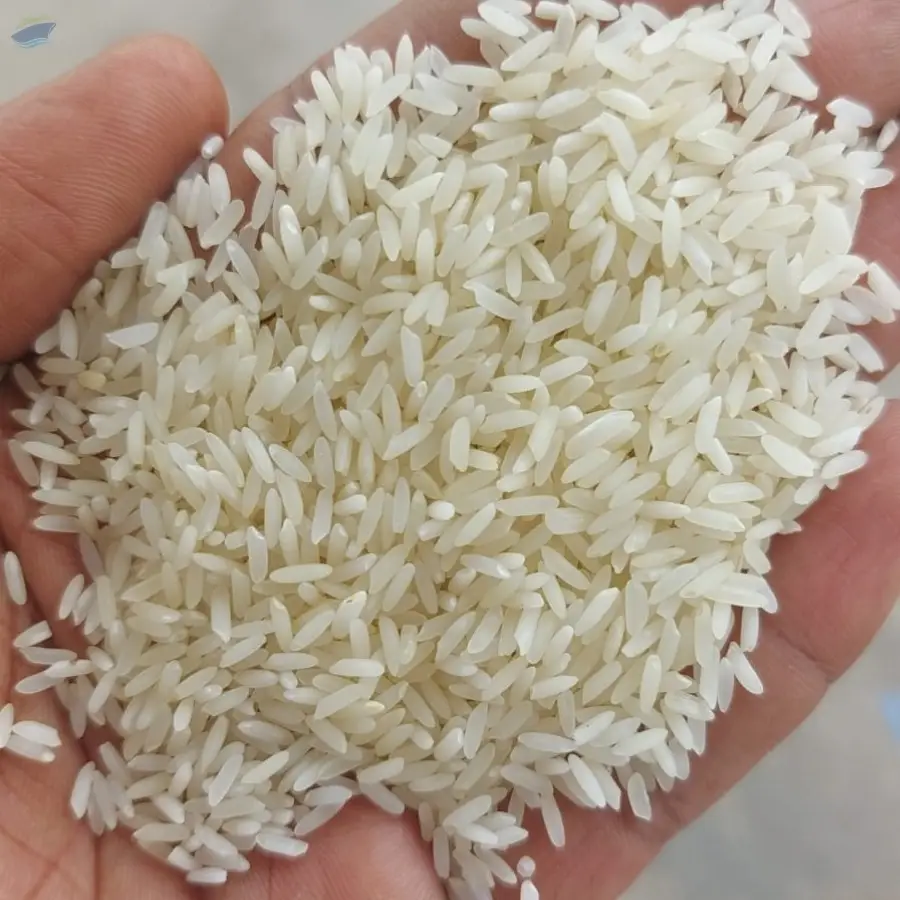
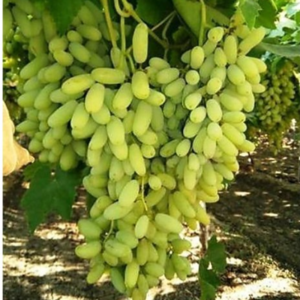
Espyr Enterprises’ catalogue comprises dehydrated onions (HS 0712.31), Basmati rice (HS 1006.30), fresh table grapes (HS 0806.10), whole mangoes (HS 0804.50), whole apples (HS 0808.10) and saffron threads (HS 0910.20). In the global market, onions of this HS class are graded by size and moisture, with commercial grade requiring moisture below 10 % and foreign matter under 0.5 %. Basmati rice is typically classified into Basmati 1 and Basmati 2, with a minimum aroma intensity measured by 2‑acetyl‑1‑pyrroline and a broken grain limit of 5 %. Table grapes are commonly sold under USDA No. 1 or EU Class I standards, with berry size of 15 - 20 mm, sugar content of 15 - 22 % Brix, and strict pest‑free criteria. Mangoes and apples are usually evaluated on firmness, soluble solids (12 - 18 % Brix for mangoes, 10 - 14 % for apples) and surface blemish limits.
Saffron exported from India is frequently certified to ISO 3632, where Grade I requires a coloring strength above 250 % and a moisture content below 12 %. Typical packaging for saffron is 25 kg cartons sealed in moisture‑proof liners, while onions are packed in 10 - 25 kg mesh bags. Basmati rice is loaded in 20‑ft dry containers, often in 1‑ton polypropylene bags, and fresh fruits such as grapes, mangoes and apples are shipped in refrigerated 40‑ft containers with temperature control between 0 °C and 4 °C. These industry standards help buyers compare product quality across suppliers and ensure compliance with import regulations.
Trade and Export Information - Espyr Enterprises
India ranks among the top exporters of onions, Basmati rice, fresh grapes, mangoes, apples and saffron, supplying markets in the Middle East, Europe, North America and South‑East Asia. The HS‑code families used by Espyr Enterprises (07, 08, 09 and 10) are routinely inspected under phytosanitary regimes, requiring a valid Phytosanitary Certificate and, where applicable, an FSSAI or AGMARK conformity declaration. Importers typically request ISO 22000 or HACCP compliance for fresh produce, and ISO 3632 certification for saffron. Containerisation follows standard logistics: 20‑ft dry containers for rice, 40‑ft refrigerated containers for fresh fruit, and bulk bags for onions, with common Incoterms such as FOB Mumbai or CIF Dubai.
Buyers from the GCC, EU and the United States often demand laboratory test reports confirming pesticide residue limits, moisture content and Brix levels, especially for grapes, mangoes and apples. For Basmati rice, a moisture analysis below 14 % and a broken grain percentage under 5 % are standard checkpoints. Saffron shipments are expected to include a certificate of origin, ISO 3632 grade report and a moisture analysis. Indian exporters generally work with forwarders experienced in handling perishable cargo, using insulated pallets and controlled‑at‑temperature (CAT) services to maintain fruit quality during the sea‑leg.
Sourcing from Espyr Enterprises - Buyer Guidance
When sourcing from Espyr Enterprises, buyers should request product samples together with a phytosanitary certificate and, where relevant, ISO 22000 or HACCP audit reports. For onions, verify moisture content below 10 % and confirm the absence of additives. For Basmati rice, obtain a laboratory report showing aroma intensity, moisture level and broken grain percentage. Grapes, mangoes and apples should be accompanied by recent Brix readings, firmness measurements and pest‑free statements.
Typical minimum order quantities in the Indian export market are 5 metric tonnes for Basmati rice, 2 tonnes for dehydrated onions, 1 tonne for fresh grapes, 0.5 tonne for mangoes and apples, and 300 kg for saffron threads, though exact MOQs must be confirmed with the supplier. Lead times range from 15 days for fresh fruit to 30 days for rice and saffron, depending on harvest season and processing schedules. Buyers are advised to confirm packaging specifications (e.g., 25 kg cartons for saffron, 10 kg mesh bags for onions) and to arrange shipment under FOB Mumbai or CIF as appropriate for their logistics chain.
Frequently Asked Questions About Espyr Enterprises
What product categories does Espyr Enterprises offer?
Espyr Enterprises lists six agro‑based products: dehydrated onions (HS 0712.31), Basmati rice (HS 1006.30), fresh table grapes (HS 0806.10), whole mangoes (HS 0804.50), whole apples (HS 0808.10) and saffron threads (HS 0910.20).
How can I obtain a sample of the grapes or saffron?
Samples can be requested by contacting the supplier and specifying the product code; typical sample sizes are 1 kg for grapes and 100 g for saffron, shipped with a phytosanitary certificate and a test report.
Which certifications should I ask for before placing an order?
Buyers should request a Phytosanitary Certificate for all fresh produce, ISO 22000 or HACCP compliance for onions and fruits, and ISO 3632 grade certification for saffron; any organic claim must be supported by a recognized organic certification.
What are the common quality parameters for Basmati rice from India?
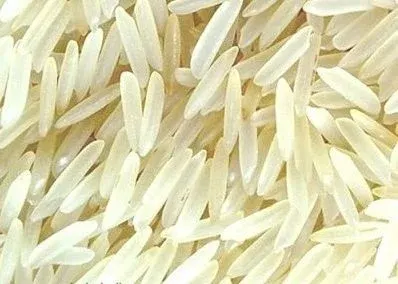
Standard parameters include moisture ≤ 14 %, broken grain ≤ 5 %, aroma strength measured by 2‑acetyl‑1‑pyrroline, and a purity of at least 95 % of the Basmati variety.
What packaging is used for the dehydrated onions?
Dehydrated onions are typically packed in 10‑kg or 25‑kg woven polypropylene bags, sealed to protect against moisture and foreign matter.
Which markets typically import these products from India?
Major import destinations include the United Arab Emirates, Saudi Arabia, the United Kingdom, the United States, Germany and Japan, covering both fresh‑produce and spice segments.
What are the typical lead times and minimum order quantities?
Lead times are about 15 days for fresh fruit, 20 - 30 days for Basmati rice and saffron, and 10 days for dehydrated onions; minimum order quantities commonly start at 0.5 tonne for fruit, 5 tonne for rice and 300 kg for saffron.




 Mumbai suburban, India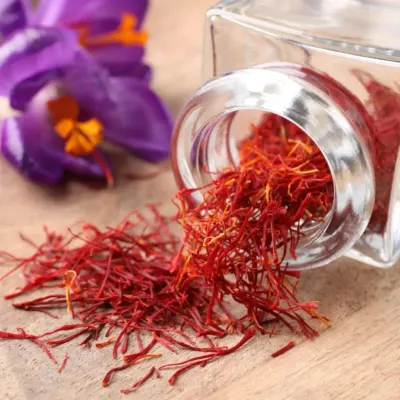

.jpg.png)