Eseafood Exports — Supplier
About Eseafood Exports - Frozen Fish Supplier in India
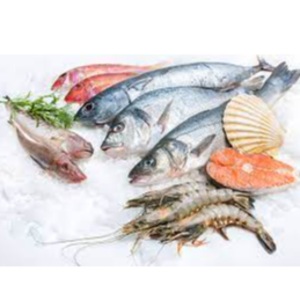
Eseafood Exports operates out of India and lists 340 active products across frozen and fresh seafood categories. The catalogue includes frozen fish, frozen squid, frozen octopus, fresh and frozen shrimps, frozen tuna, and various fresh or chilled fish items. Products are classified under HS chapter 03, with specific codes such as 0303.54 for frozen lizard fish and 0302.33 for fresh yellowfin tuna headed and gutted. The supplier’s trust tier is listed as harbor, indicating a mid‑level verification level in the platform.
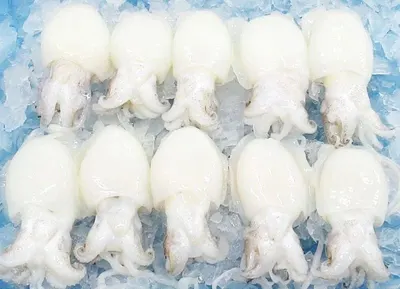
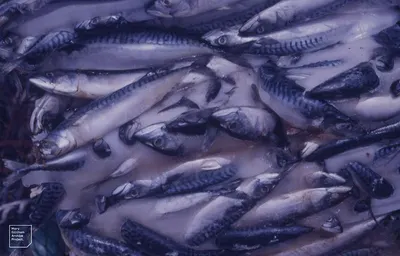
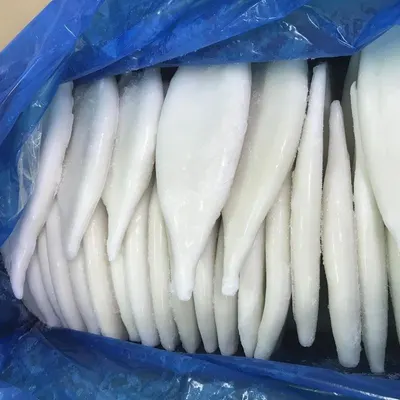
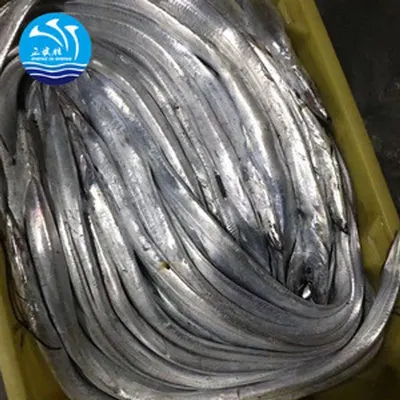
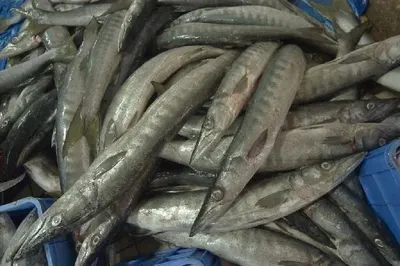
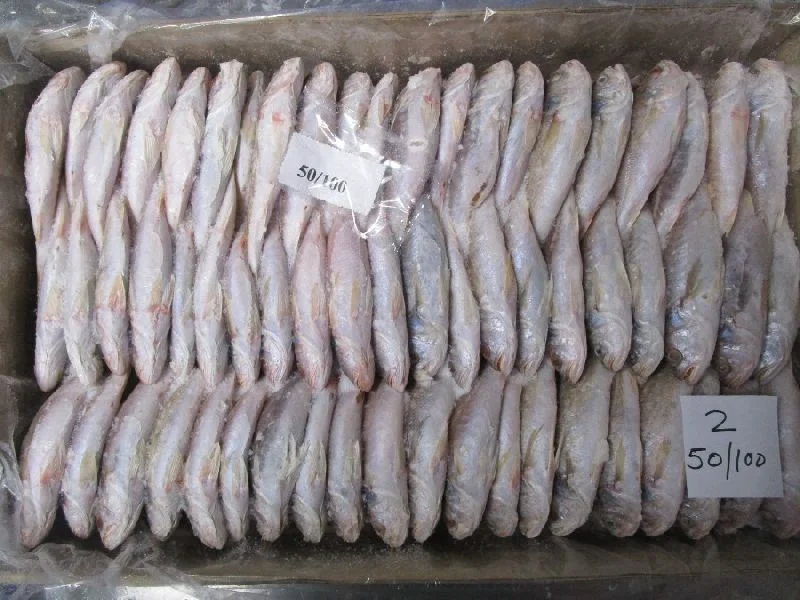
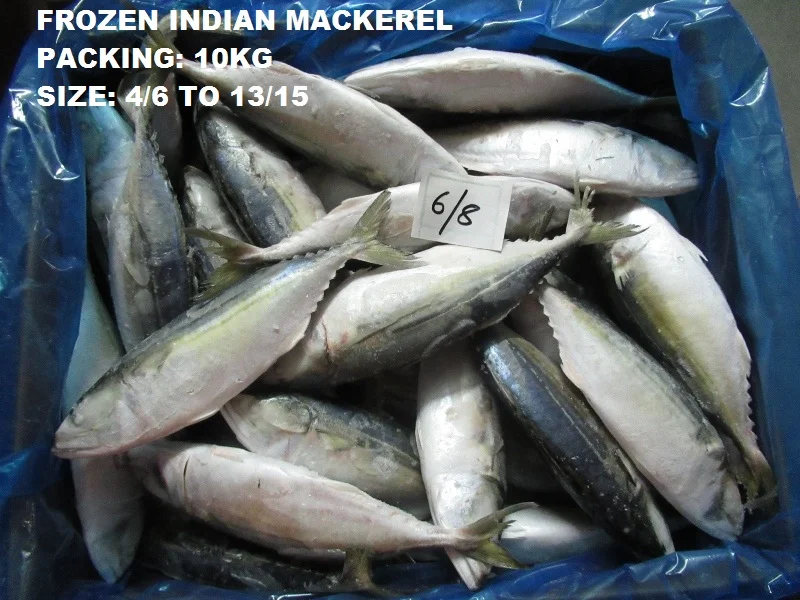
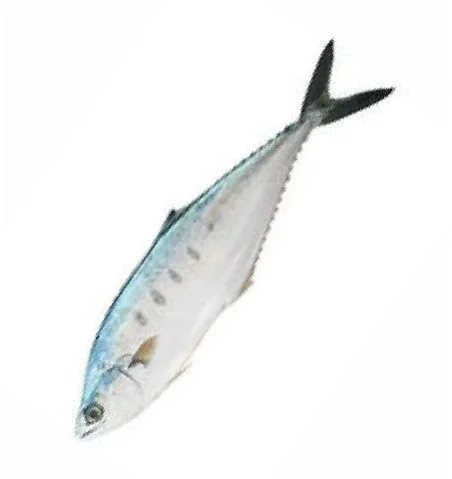
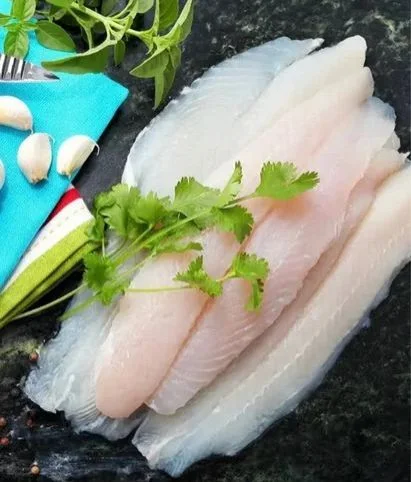
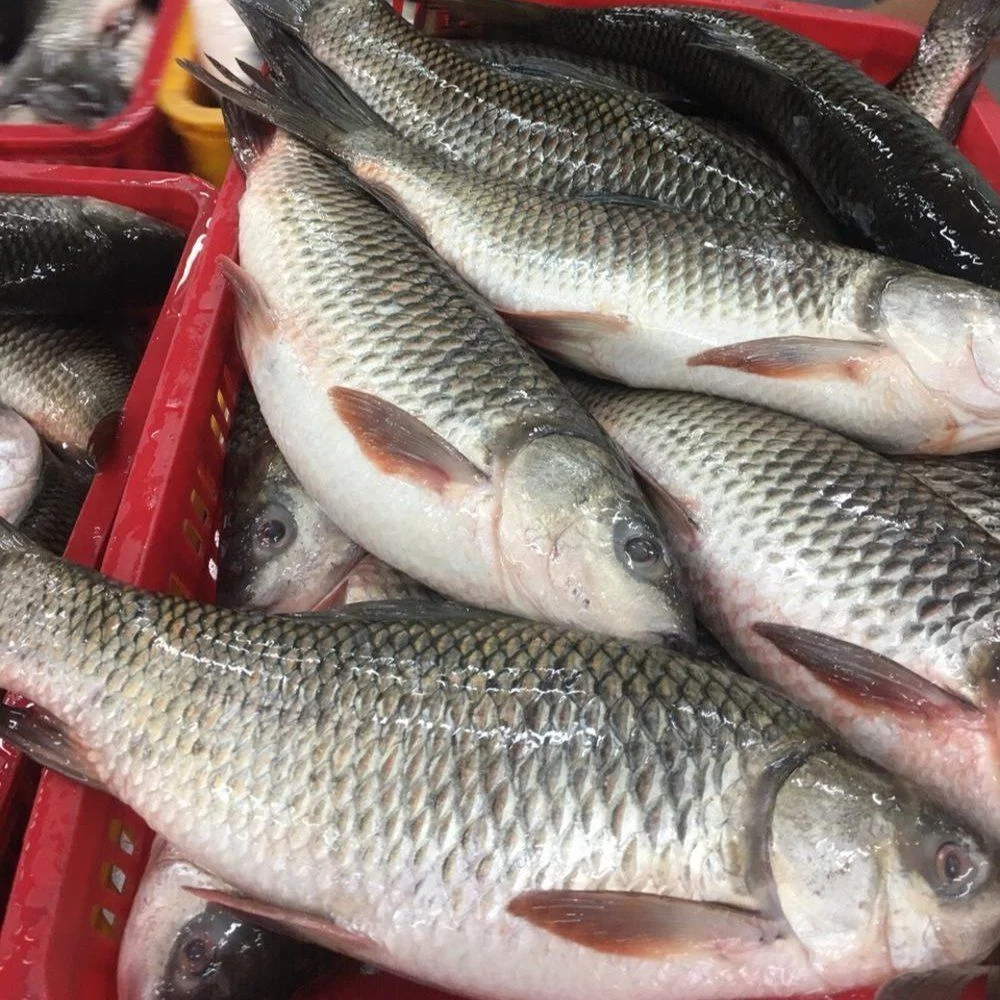
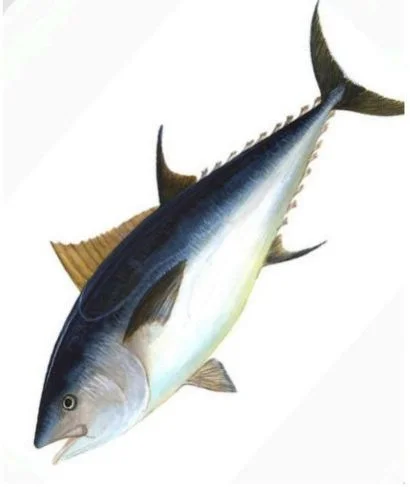
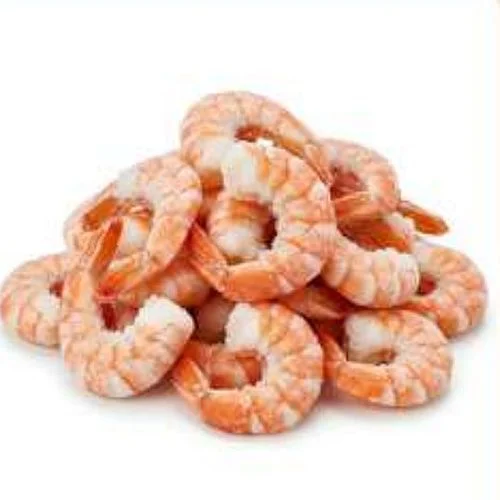
The product list features items such as Frozen Pangasius Fish, Black Sea Bream, Fish Meal, Frozen Skip Jack Tuna Whole, Frozen Reefcod (HS 0303.89, pole‑and‑line marine fish), Frozen Lizard Fish (HS 0303.54), Frozen Indian Mackerel (HS 0303.55), Fresh Yellow Fin Tuna Headed and Gutted (HS 0302.33), Cuttlefish Whole (HS 0307.43), Dried Cuttlefish Bone (HS 0308.19), and Frozen Yellowfin Tuna (HS 0303.42). Additional entries include various frozen octopus, squid rings, crab meat, and groupers, bringing the total to 340 distinct SKUs.
Product Range and Specialties of Eseafood Exports
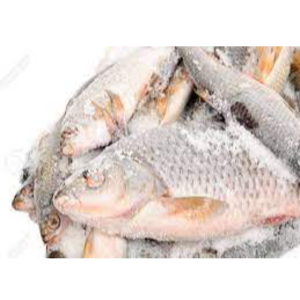
The catalogue covers a broad spectrum of marine species. Frozen whole fish such as Pangasius, Skip Jack tuna, Lizard fish and Indian mackerel are supplied on ice glaze, typically packed in 20 kg polypropylene boxes or 10 kg vacuum‑sealed bags. Frozen fillets and portions, e.g., Pangasius fillet well‑trim, are commonly presented in 1 kg or 2 kg sealed packs with a moisture content below 70 % and an ice glaze thickness of at least 2 mm.
Dry products include dried river shrimp and dried cuttlefish bone, which are usually moisture‑controlled to under 10 % and shipped in multi‑layered paper cartons. Cuttlefish whole and cleaned variants are offered in frozen blocks of 10 kg, with a typical flash‑freeze temperature of - 30 °C. Standard industry grades for tuna (e.g., ICES‑II) and squid (e.g., whole, cleaned, rings) are referenced in buyer specifications.
Trade and Export Information - Eseafood Exports
India is a major exporter of frozen seafood, supplying the EU, United States, Middle East and Southeast Asian markets. HS chapter 03 codes dominate shipments, with sub‑headings 0302 for fresh fish, 0303 for frozen fish, 0307 for cuttlefish and 0308 for dried marine products. Importers generally require HACCP, BRC Global Standard for Food Safety, and ISO 22000 certifications, along with a health certificate issued by the Indian Food Authority.
Typical logistics involve containerised freight: a 20 ft container can hold approximately 12 tonnes of frozen whole fish, while a 40 ft container accommodates up to 22 tonnes. Ice glaze and insulated liners are standard to maintain - 18 °C throughout transit. Buyers often request a phytosanitary certificate for crustaceans and a Certificate of Origin to benefit from preferential duty rates under the India‑EU Trade Agreement.
Sourcing from Eseafood Exports - Buyer Guidance
When sourcing from Eseafood Exports, buyers should request the latest HACCP audit report, a BRC or ISO 22000 certificate, and a product specification sheet that details moisture content, ice glaze thickness, and any applicable size grading. For dried products, a moisture analysis and a declaration of calcium carbonate purity for cuttlefish bone are customary.
Samples should be requested in the same packaging format as commercial shipments (e.g., 10 kg frozen block or 1 kg vacuum pack). Verify that the HS code on the commercial invoice matches the product material, and confirm the presence of a health certificate and, where required, a fisheries sustainability document such as a Marine Stewardship Council (MSC) audit.
Frequently Asked Questions About Eseafood Exports
What are the common HS codes for the frozen fish products listed by Eseafood Exports?
Frozen whole fish such as Lizard Fish and Indian Mackerel fall under HS 0303.54 and 0303.55 respectively, while Fresh Yellow Fin Tuna headed and gutted is classified under HS 0302.33. Other frozen fish, like Reefcod, use HS 0303.89, and Frozen Yellowfin Tuna uses HS 0303.42.
Which quality certifications are typically required for Indian frozen seafood shipments?
Importers usually ask for HACCP compliance, BRC Global Standard or ISO 22000 certification, and a health certificate issued by the Indian Food Authority. Sustainability certificates such as MSC or ASC are also commonly requested for tuna and shrimp.
What are the standard packaging formats and container capacities for the frozen products?
Frozen whole fish are commonly packed in 10 kg or 20 kg polypropylene boxes with a 2 mm ice glaze. A 20 ft container can hold roughly 12 tonnes of such packed fish, while a 40 ft container can accommodate about 22 tonnes.
What specifications should buyers verify for dried river shrimp and dried cuttlefish bone?
Buyers should confirm moisture content below 10 %, particle size as per the product sheet, and for cuttlefish bone, a calcium carbonate purity of at least 95 %.
What is the typical minimum order quantity (MOQ) and lead time for frozen octopus?
Suppliers in India often set an MOQ of one 20 ft container (approximately 12 tonnes) for frozen octopus, with a production and preparation lead time of 25‑35 days after order confirmation.
How are health and phytosanitary certificates obtained for fresh shrimp shipments?
The exporter obtains the certificates from the Indian Directorate General of Foreign Trade after the shrimp batch passes laboratory testing for microbial limits and pesticide residues, then attaches the documents to the commercial invoice.
What freight terms are commonly used for shipping Indian seafood to Europe?
CIF (Cost, Insurance, Freight) to major European ports such as Rotterdam or Barcelona is standard, with the exporter arranging refrigerated containers and insurance covering temperature deviation.




 , India