Eikodo Vietnam Co. Ltd. — Verified Supplier
About Eikodo Vietnam Co. Ltd. - Candies Supplier in Viet Nam
Eikodo Vietnam Co. Ltd. is based in Viet Nam and currently lists nine active products. The catalogue covers confectionery items such as gummies, salted fruit candies, milk‑based candies, collagen gummies and lollipops, as well as chia‑seed enriched sweets. Six of the nine items include explicit HS codes: Salt Lychee Candy (HS 1704.90), Salt Lemon Candy (HS 1704.90), Matcha Milk Candy (HS 1704.90), Yokubari C Fruit Candy (HS 1703.90), Kokuto Black Sugar and Cashew Nuts Candy (HS 1704.90) and Ameli Collagen Candy (HS 1704.90). The remaining items - MOGU Gummy Kiwi and Chia Seed, MOGU Gummy Salt Lemon, and Zoom Lollipop - are listed without HS codes in the provided data. All products are classified under the confectionery chapter 17, which includes sugar‑based sweets and candied fruits. The supplier’s trust tier is listed as “harbor”, indicating a mid‑level verification status in the platform.
Product Range and Specialties of Eikodo Vietnam Co. Ltd.
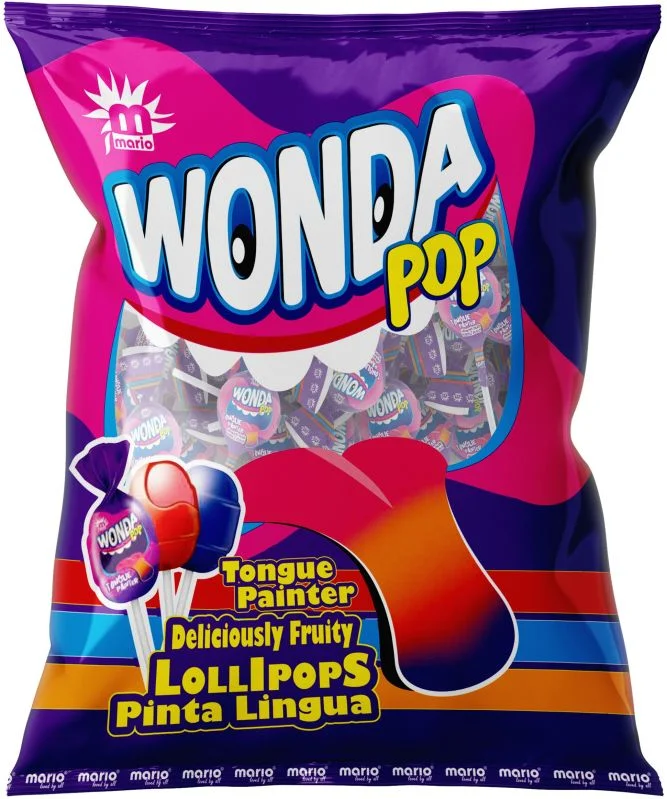
The supplier’s catalogue includes MOGU Gummy Kiwi and Chia Seed (a fruit‑flavored gummy enriched with chia seeds), MOGU Gummy Salt Lemon (a salted lemon‑flavored gummy), Salt Lychee Candy, Salt Lemon Candy, Matcha Milk Candy, Yokubari C Fruit Candy, Kokuto Black Sugar and Cashew Nuts Candy, Ameli Collagen Candy, and Zoom Lollipop. These items fall under confectionery sub‑categories of gummies, salted fruit chews, milk‑based hard candies, vitamin‑C fortified candies, black‑sugar nut candies, collagen‑infused sweets, and traditional lollipops. In the broader candy market, gummies are typically produced with a gelatin or pectin base, targeting a gel strength of 150‑300 g and a moisture content of 12‑15 %. Salted fruit chews often use a sugar‑to‑acid ratio of 4:1 and may be classified as “electrolyte” candies for sports nutrition, with sodium content around 200‑400 mg per 100 g. Milk‑based hard candies such as matcha milk candy are required to contain at least 25 % milk solids and meet EU Directive 2000/13/EC for milk‑derived ingredients. Collagen candies usually specify hydrolyzed collagen purity of ≥ 90 % and use isomalt to lower caloric value. Typical HS codes for these product groups are 1703.90 for fruit‑based candied items and 1704.90 for sugar confectionery without cocoa.
Trade and Export Information - Eikodo Vietnam Co. Ltd.
Vietnam is a growing exporter of sugar confectionery, with the majority of shipments directed to the European Union, the United States, Japan, South Korea and neighboring ASEAN markets. Products classified under HS 1703.90 and 1704.90 are routinely inspected by customs authorities for compliance with Codex Alimentarius limits on contaminants such as lead (<0.1 ppm) and pesticide residues, and buyers frequently request HACCP certificates, ISO 22000 or GMP audit reports to verify food‑safety management. Exporters from Vietnam also need to meet the EU’s food contact material regulations (Regulation (EU) No 1935/2004) when targeting EU buyers, and FDA Food Facility Registration for US imports. Standard export packaging for confectionery of this size includes food‑grade polyethylene or PET jars, multi‑layer laminated bags, or bulk cartons of 500 g to 1 kg for gummies, while hard candies and lollipops are often packed in 20 kg wooden crates or 25 kg bulk boxes. A 40‑foot container can hold approximately 18‑20 metric tonnes of these products, depending on packaging density. Common Incoterms used by Vietnamese confectionery exporters are FOB Ho Chi Minh City, CIF EU ports, and DDP for selected ASEAN destinations. Buyers should verify that the shipment is accompanied by a commercial invoice, packing list, certificate of origin, and any required sanitary/phytosanitary certificates.
Sourcing from Eikodo Vietnam Co. Ltd. - Buyer Guidance
Prospective buyers should request a product specification sheet that details sugar content, moisture level, pH, gel strength (for gummies), sodium level (for salted candies), and collagen purity (for collagen candy). Because none of the listed items include declared certifications, buyers are advised to ask the supplier to provide HACCP or ISO 22000 audit reports, a recent laboratory analysis for heavy metals, microbiological limits, and a certificate of analysis for each batch. Samples of each candy type, preferably in a 100 g trial pack, allow verification of flavor, texture and labeling compliance before a full order. Prior to placing an order, confirm the HS code that will be used for customs clearance and ensure that the packaging meets the buyer’s market requirements, such as PET jars with child‑resistant lids for lollipops or sealed multi‑layer bags for gummies. Verify that the supplier can meet the typical minimum order quantity of 500 kg per SKU, with lead times ranging from 30 to 45 days after sample approval. Request the full set of export documents - commercial invoice, packing list, certificate of origin, and any required sanitary/phytosanitary certificates - to streamline customs processing.
Frequently Asked Questions About Eikodo Vietnam Co. Ltd.
What HS codes apply to Eikodo Vietnam’s candy products?
The catalogue lists HS 1704.90 for most sugar confectionery items such as Salt Lychee Candy, Salt Lemon Candy, Matcha Milk Candy, Kokuto Black Sugar and Cashew Nuts Candy, and Ameli Collagen Candy. The fruit‑based Yokubari C Fruit Candy is classified under HS 1703.90. Products without an HS code in the data should be confirmed with the supplier before shipment.
Which certifications should I request from the supplier before purchasing?
Buyers typically ask for a HACCP or ISO 22000 food‑safety audit report, a recent Certificate of Analysis for each batch, and any GMP documentation. If the target market is the EU, request compliance with EU food‑contact material regulations; for the US, an FDA Food Facility Registration is advisable.
What are the typical minimum order quantities for the gummy and hard candy lines?
In the Vietnamese confectionery sector, a common minimum order quantity is around 500 kg per SKU for both gummy and hard‑candy formats. Some specialty items, such as collagen‑infused candy, may have a higher MOQ of 1 ton due to ingredient sourcing constraints.
How long is the standard lead time from order confirmation to shipment?
Lead times generally range from 30 to 45 days after sample approval and final specification sign‑off. Faster turnaround may be possible for standard gummy or lollipop formulas that are already in production.
What packaging formats are used for the different candy types?
Gummy products are usually packed in food‑grade polyethylene or PET jars and sealed multi‑layer bags, often in 500 g or 1 kg bulk packs. Hard candies and lollipops are commonly shipped in 20 kg wooden crates or 25 kg bulk cardboard boxes, with individual units placed in PET jars or shrink‑wrapped trays for retail.
Are there any special ingredient declarations required for collagen or chia‑seed gummies?
Collagen gummies must disclose hydrolyzed collagen purity (typically ≥ 90 %) and list any allergens such as soy or dairy from the emulsifiers. Chia‑seed gummies should state the percentage of chia seed powder used and confirm that the seed is food‑grade and free from pesticide residues.
Which markets commonly import Vietnamese confectionery?
The European Union, the United States, Japan, South Korea and ASEAN countries are the primary import markets for Vietnamese sugar confectionery. These regions often require compliance with Codex Alimentarius standards and specific sanitary certifications.
How can I obtain a sample of a specific product?
Request a 100 g trial pack of the desired candy type, specifying the product name and any required flavor or functional variants. The supplier should provide a sample quote that includes shipping under an Incoterm such as DAP to your nearest port or warehouse.




 , Viet Nam